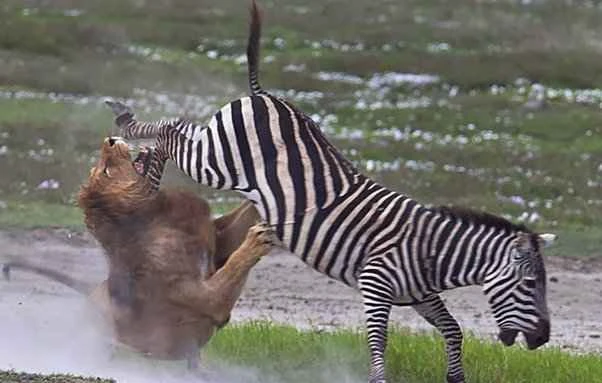
What is the king of the jungle?
In nature, the term "king of the jungle" is often used to describe predators at the top of the food chain. The jungle environment is rich and diverse, home to a variety of animals, plants, and microorganisms, and the king of the jungle is the most dominant creature among them. This title is usually attributed to large cats, especially tigers and lions, but in certain regions, it can also refer to other top predators, such as jaguars, leopards, or even large apes in specific environments.
Representative species of the king of the jungle
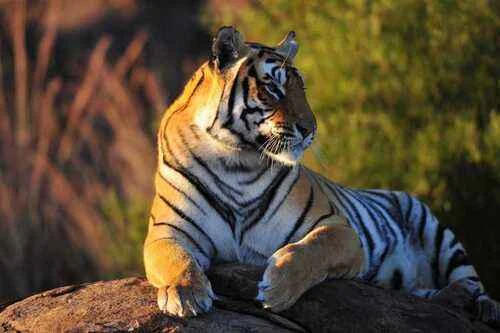
1. Tiger
Tigers are globally renowned as the kings of the jungle, especially in the tropical rainforests and temperate forests of Asia. As the largest land cat, tigers possess formidable hunting skills and unparalleled strength. They can swiftly ambush prey larger than themselves and can sprint at speeds of up to 60 kilometers per hour.
Tiger's habitat
Tigers primarily inhabit the forests and grasslands of Asia, including India, China, and the Russian Far East. Their habitats are typically surrounded by dense trees and abundant prey, allowing them better concealment and ambush capabilities.
Tiger habits and behavior
Tigers are solitary animals with a strong sense of territory. They mark their territory with urine, scratches, and calls to avoid conflicts with other tigers. Tigers are nocturnal animals, typically hunting at night, and their prey includes deer, wild boar, and even occasionally small elephants.
2. Lion
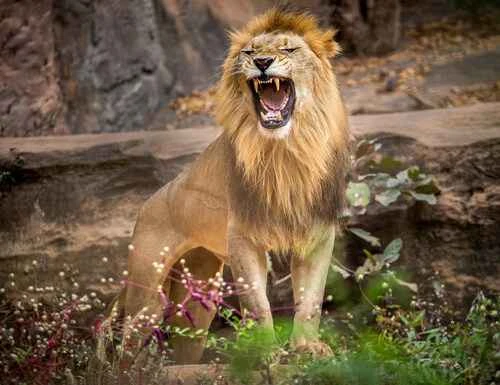
Although lions mostly live on grasslands rather than in jungles, they are also considered the lords of the jungle in some African forests. Male lions are known for their magnificent manes and roars, symbolizing power and authority.
Lion's habitat
The African savanna is the primary habitat of lions, but they also inhabit some subtropical and tropical rainforests. Unlike tigers, lions are social animals, typically living in family units to hunt and defend their territory together.
Lion's habits and behavior
Lions prey on large herbivores such as wildebeest, zebras, and antelopes. A lion pride is typically led by a few lionesses who are responsible for hunting, while the male lions are responsible for protecting the family from external enemies.
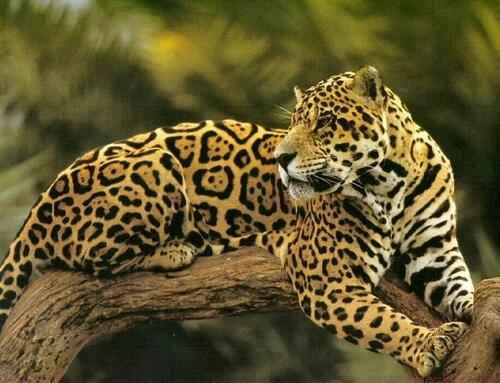
3. Jaguar
Jaguars are the kings of the rainforests of the Americas. Their size and strength make them apex predators in the South American food chain, especially in the Amazon rainforest.
Jaguar's habitat
Jaguars live in the tropical rainforests, wetlands, and savannas of Central and South America. They are adept at moving in dense forests, using the surrounding environment as cover to ambush prey.
Jaguar habits and behavior
Jaguars possess extremely powerful teeth and bites, capable of easily piercing the skulls of their prey. They prey not only on land animals but are also adept at hunting in water, such as crocodiles and turtles. Jaguars are solitary and secretive.
The ecological importance of the king of the jungle
The kings of the jungle are not only top predators in the food chain, but they also play a vital role in maintaining ecological balance. By preying on herbivores, they prevent certain species from overpopulating and destroying vegetation. At the same time, their presence indirectly helps the survival of other small and medium-sized animals, as an overgrowth of herbivores can lead to vegetation depletion and affect the health of the entire ecosystem.
Human Threat to the King of the Jungle
Despite being known as the kings of the jungle, these apex predators face numerous threats to their survival. The main reasons include:
Habitat loss : Deforestation and land development have severely reduced the habitat of the king of the jungle, forcing them into human settlements and leading to increased human-animal conflicts.
Poaching : Tiger skins, tiger bones, and other rare animal products are extremely expensive on the illegal market, leading to persistent poaching, especially of rare species such as tigers and lions.
Food chain imbalance : Human hunting and overfishing of other species have affected the prey numbers of the king of the jungle, threatening their survival.
Action to protect the king of the jungle
To protect these great predators, governments and non-governmental organizations around the world have taken a number of measures:
Establish nature reserves : Ensure the king of the jungle has enough habitat and prey by creating and expanding wildlife reserves.
Combating poaching : Reduce illegal hunting and the trade in wildlife products by strengthening law enforcement and raising public awareness.
Ecotourism : Sustainable ecotourism can not only increase people's understanding of the king of the jungle, but also provide economic support to local communities and reduce their dependence on forest resources.
The kings of the jungle are not only symbols of nature, but also vital maintainers of ecosystem balance. Protecting these top predators is not only about preserving biodiversity, but also about ensuring our planet maintains its ecological balance. Therefore, everyone should do their part to protect the kings of the jungle, whether by supporting conservation organizations or reducing demand for wildlife products.