Share this

The coldest animals on Earth: Exploring the survival miracles of extreme cold environments.

2026-01-19 14:44:18 · · #1

In Earth's polar and frigid regions, temperatures can plummet to unbelievable tens of degrees below zero Celsius, or even lower. Yet, some animals have managed to survive in these extreme environments, demonstrating nature's incredible adaptability. This article will detail how these animals survive in extreme cold and their unique evolutionary mechanisms.

1. Arctic fox: Champion of cold hardiness

Overview

The Arctic fox ( Vulpes lagopus ) is one of the most cold-resistant mammals in the Arctic Circle. They can tolerate extreme low temperatures and remain active even in environments as cold as -50 degrees Celsius .

Adaptation mechanism

  • Thick fur : The Arctic fox has one of the thickest animal furs in the world, with its dense double coat providing excellent insulation. In winter, the Arctic fox's fur becomes even fluffier and turns white, helping it to camouflage itself in the snow.

  • Small size : Arctic foxes are small in size, with relatively short ears and limbs to reduce heat loss. This "miniaturization" is a typical characteristic of their adaptation to extremely cold environments.

  • Cold-resistant paws : The Arctic fox's paws are covered with thick fur, forming natural "insoles" that help them walk on cold ground without getting frostbite.

Survival strategies

Arctic foxes primarily feed on small rodents and birds, and in the harsh winter, they will even follow polar bears to hunt for any remaining prey. This flexible foraging strategy ensures their survival during the food-scarce winter.

2. Emperor Penguins: The Kings of Antarctica's Frozen Lands

Overview

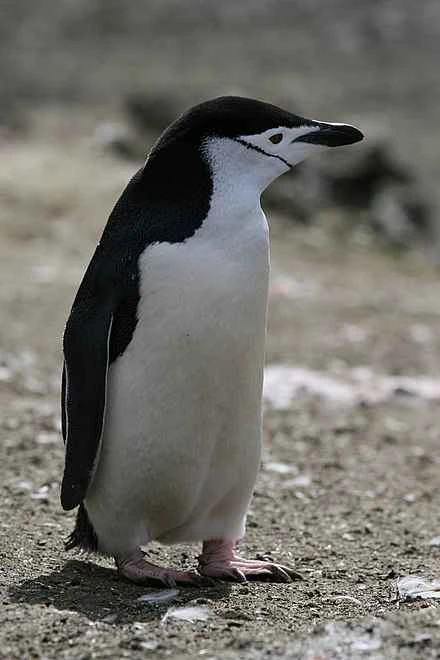
Emperor penguins ( Aptenodytes forsteri ) are the only species on Earth that breeds during the harsh winters of Antarctica. Winter temperatures in Antarctica typically drop below -60 degrees Celsius , and the strong winds make survival particularly difficult for emperor penguins.

Adaptation mechanism

  • Thick feathers and a layer of fat : Emperor penguins have dense feathers and a thick layer of fat, which effectively prevents heat loss. Their feathers are both waterproof and provide excellent insulation.

  • gregarious warming : During the Antarctic winter, emperor penguins huddle together to keep warm, reducing their body surface area exposed to the cold winds. This gregarious behavior is an important strategy for them to maintain body temperature in extremely low temperatures.

  • Reduced energy expenditure : During the winter breeding season, male emperor penguins will not eat for extended periods, relying on their body fat reserves to survive the months-long incubation period. This mechanism of reduced energy expenditure helps them survive in environments where food is scarce.

Survival strategies

The breeding cycle of emperor penguins is closely synchronized with the harsh Antarctic climate, with their incubation period coinciding with the coldest Antarctic winter. During this time, the male penguin is responsible for incubating the eggs, while the female penguin goes to the ocean to forage for food and store up energy for the next stage of raising their young.

3. Wood Frog: The Miracle of Resurrection from Ice

Overview

The wood frog ( Rana sylvatica ) lives in the frigid regions of North America, including parts of Alaska and Canada. During winter, this frog can withstand its body freezing, entering a state of "freezing hibernation" when temperatures drop below zero.

Adaptation mechanism

  • Wood frogs possess blood that acts like antifreeze : they prevent their cells from freezing by producing antifreeze substances such as glucose and glycerol in their blood. These substances lower the freezing point of the body's fluids, thus preventing cells from freezing and rupturing.

  • Partial freezing : During winter, the wood frog's blood and most body fluids freeze, but its vital organs, such as the heart and brain, retain basic functions. This "partial freezing" helps them survive in extremely cold environments.

  • Low metabolism : During freezing, the wood frog's metabolism almost completely stops; they do not need to breathe and do not consume any energy. When the ice thaws in spring, the wood frog can recover quickly and resume normal activity.

Survival strategies

This unique "freeze-revival" mechanism allows wood frogs to survive the cold winter and recover in the spring. This ability gives them a significant survival advantage, as they do not have to migrate or enter deep burrows to escape the cold.

4. Polar bear: Top predator in the icy wilderness

Overview

Polar bears ( Ursus maritimus ) are among the largest land carnivores on Earth, primarily inhabiting the Arctic region. They are able to hunt on frigid ice sheets and rely on sea ice as hunting platforms.

Adaptation mechanism

  • Thick layer of fat : Polar bears have a thick layer of subcutaneous fat that effectively keeps them warm in extremely cold environments, especially when swimming in the sea, where this layer of fat helps them resist the icy water.

  • Double-layered fur : The polar bear's double-layered fur is not only waterproof, but also traps heat from the sun, further enhancing its warmth.

  • Powerful sense of smell : Polar bears have an extremely sensitive sense of smell, enabling them to detect the scent of prey from great distances. Even in the snow, they can accurately locate their prey.

Survival strategies

Polar bears primarily feed on seals, typically hunting them by lying in wait on sea ice, watching for them to emerge from their breathing holes. However, with climate change causing sea ice to shrink, polar bears' hunting strategies are facing new challenges.

5. Antarctic fish: Cold-blooded creatures beneath the ice.

Overview

Antarctic fish, such as the Antarctic icefish ( Channichthyidae ), live in the extremely cold Antarctic waters, where the temperature remains around -1.8 degrees Celsius year-round. Yet, these fish are able to move freely in such frigid conditions.

Adaptation mechanism

  • Antifreeze proteins : Antarctic fish contain special antifreeze proteins in their blood that prevent the blood from freezing. These proteins bind to water molecules, preventing them from forming ice crystals, thus ensuring normal blood flow in fish at low temperatures.

  • Low metabolic rate : These fish have a very low metabolic rate, which helps reduce energy consumption and adapt to cold environments.

Survival strategies

Antifreeze proteins in Antarctic fish are crucial for their survival in the extreme cold. This adaptation helps them find abundant food sources in the frigid Antarctic waters while avoiding damage to their bodily functions due to the low temperatures.

The coldest animals on Earth demonstrate the remarkable power of biological evolution, tenaciously surviving in extreme cold environments through a variety of adaptive mechanisms. From the thick fur of the Arctic fox to the cryogenic hibernation of the wood frog, life in extreme cold is one of nature's most astonishing wonders. These animals' unique survival strategies not only reveal how they cope with extreme temperatures but also remind us of the importance of protecting these fragile ecosystems.

Animals with the lowest body temperature

Some animals can tolerate extreme cold and lower their body temperature to very low levels, even close to freezing. Here are some examples of animals whose body temperature can drop to extremely low levels:

1. Wood Frog (Rana sylvatica)

  • Body temperature : Wood frogs are among the few animals known to have body temperatures that can drop below freezing. They enter a state of "freezing hibernation" during winter, where their body temperature can drop to around -3°C . Their blood and fluids freeze, but they prevent cell damage by producing antifreeze substances.

  • Mechanism : Wood frogs accumulate large amounts of glucose and glycerol in their cells, which act as "antifreeze" to prevent intracellular freezing. This allows the wood frog to quickly resume normal life activities when the soil thaws in spring.

2. Arctic squirrel (Urocitellus parryii)

  • Body temperature : This squirrel, which lives in the Arctic region, can lower its body temperature to -2.9°C during hibernation, making it the mammal with the lowest known body temperature.

  • Mechanism : During hibernation, Arctic squirrels lower their body temperature to near ambient temperature while maintaining minimal metabolic activity to prevent organ and cell damage. They are able to periodically and briefly raise their body temperature to protect vital bodily functions.

3. Naked mole rat (Heterocephalus glaber)

  • Body temperature : Naked mole-rats have a different thermoregulation ability than most mammals, exhibiting greater flexibility in their thermoregulation. When the ambient temperature drops, the naked mole-rats' body temperature also drops, sometimes reaching close to 20°C , much lower than most mammals.

  • Mechanism : Naked mole-rats live underground and are adapted to a constant temperature environment. When the external temperature changes, they can regulate their body temperature through behavioral adaptations (such as gathering together for warmth).

4. Emperor Penguin (Aptenodytes forsteri)

  • Body temperature : Emperor penguins can survive in the extremely cold environment of Antarctica. During their winter breeding season, their body temperature drops to around 35°C , several degrees lower than that of normal birds. The temperature of parts of their body surface will drop to near zero degrees Celsius to reduce heat loss.

  • Mechanism : By gathering and insulating feathers and a thick layer of fat, emperor penguins are able to withstand the cold Antarctic climate and lower their body temperature without damaging vital organs, thus reducing energy consumption.

5. Certain fish species (Antarctic icefish, Channichthyidae)

  • Body temperature : Some fish in extremely cold waters, such as Antarctic icefish, can survive in seawater at temperatures close to -2°C . Although their body temperature is similar to the ambient temperature, they do not freeze.

  • Mechanism : The blood of these fish contains special antifreeze proteins that prevent body fluids from freezing and maintain basic life activities.

These animals adapt to extreme cold environments through complex physiological and biochemical mechanisms. Their body temperature can drop to near or even below freezing, an ability that helps them survive in extremely cold conditions and find living space in harsh environments. The thermoregulation mechanisms of these "cold-blooded animals" are an outstanding example of adaptation to extreme environments in nature.

Do animals suffer from hypothermia?

Yes, animals can also suffer from hypothermia . Hypothermia occurs when an animal's core body temperature drops too low, preventing the body from maintaining normal physiological functions and potentially leading to death. This usually happens in cold environments, especially when the animal cannot be effectively kept warm or is exposed to extreme low temperatures for an extended period.

Causes of hypothermia

Hypothermia in animals is usually associated with the following factors:

  1. Cold exposure : Prolonged exposure to low temperatures is a major cause of hypothermia, especially when animals lack adequate insulation or their fur is not sufficient to provide adequate insulation.

  2. Cold and damp environments : The combination of moisture and cold accelerates the loss of body heat in animals. When fur is damp, its insulating properties are greatly reduced, especially in rainy or snowy environments.

  3. Excessive energy expenditure : If animals expend a lot of energy in extremely cold weather and are unable to restore their body temperature through eating or resting, they are more prone to hypothermia. For example, some predators may become exhausted and unable to maintain a normal body temperature due to a prolonged lack of food.

  4. Illness or injury : Sick or injured animals are more prone to hypothermia because they may not be able to maintain their body temperature through exercise or other means as they would when healthy.

Which animals are prone to hypothermia?

While many animals possess evolutionary adaptations to cope with cold environments, they can still suffer from hypothermia under certain conditions. Here are some animal types that may be more susceptible to hypothermia:

  1. Livestock and pets : Domestic cats, dogs, cattle, sheep, and other livestock and pets, especially short-haired breeds, are prone to hypothermia when exposed to cold or damp environments. Without proper shelter or insulation, they are at high risk of their body temperature dropping.

  2. Young or old animals : Young and old animals have a weaker ability to regulate their body temperature, a lower metabolic rate, and a greater difficulty in keeping their bodies warm. They are more susceptible to chilling and hypothermia in cold environments.

  3. Migrating or long-distance animals : During migration, birds and certain mammals (such as caribou) may be exposed to the risk of hypothermia due to harsh weather conditions, especially in extreme weather (such as blizzards).

  4. Wild animals : Even animals living in cold environments can suffer from hypothermia during unexpected extreme weather events. For example, Arctic foxes and emperor penguins that get lost or injured in blizzards may be unable to forage or keep warm, leading to hypothermia.

Symptoms of hypothermia

The symptoms of hypothermia in animals are similar to those in humans, typically manifesting as:

  • Decreased body temperature : The core body temperature is lower than the normal range, manifested as cold hands and feet, and cold and clammy skin or hair.

  • Slowed behavior : The animal will appear to move slowly, be lethargic, or unresponsive.

  • Slowed breathing and heart rate : Severe hypothermia can lead to a decrease in heart rate and respiratory rate, and even shock or coma.

  • Shivering : Animals in the early stages of hypothermia may exhibit involuntary shivering, which is the body's attempt to generate heat through muscle contractions.

Prevention and response measures

  1. Provide shelter for pets or livestock : ensure they have a warm place to escape the wind and snow in cold weather and provide enough dry bedding.

  2. Appropriate cold-weather gear : Pets, especially short-haired dogs, can wear warm clothing; when outdoors, reduce their exposure time to cold environments.

  3. Sufficient food and water : Maintaining an adequate food supply, especially during cold periods, helps animals maintain their body temperature.

  4. Keep dry : Keep your fur or skin dry to avoid the risk of hypothermia caused by dampness and cold.

Although many animals have natural mechanisms to protect themselves from the cold, extreme cold or other adverse factors can still cause them to suffer from hypothermia. Ensuring that animals have adequate warmth, shelter from the wind, and a sufficient food supply in cold conditions is key to preventing hypothermia.

Those animals are cold-blooded.

Cold-blooded animals ( ectothermic animals ) are those whose body temperature changes with the ambient temperature. They cannot regulate their body temperature on their own and need to rely on external heat sources to maintain it. Cold-blooded animals typically include reptiles, amphibians, fish, and some invertebrates. Below are some common cold-blooded animals, arranged from lowest to highest according to the lowest temperature or extreme conditions they can adapt to.

1. Antarctic icefish (Channichthyidae)

  • Minimum temperature : -2°C

  • Habitat : Antarctic Ocean

  • Characteristics : Antarctic icefish live in the extremely cold waters of Antarctica. Their blood contains antifreeze proteins that prevent their blood and body fluids from freezing. These fish can survive in seawater temperatures approaching -2 degrees Celsius, making them among the most cold-adapted vertebrates.

2. Sea turtle (Cheloniidae)

  • Minimum temperature : 4°C - 5°C

  • Habitat : Tropical and temperate marine environments

  • Characteristics : Some sea turtle species (such as green sea turtles) can tolerate relatively low water temperatures. When the water temperature drops to around 4°C, their metabolic rate decreases significantly, and they enter a semi-hibernation state. However, if the water temperature drops further, they may experience "cold stiffness," becoming difficult to move.

3. Green iguana (Iguana iguana)

  • Minimum temperature : 7°C - 10°C

  • Habitat : Tropical rainforest

  • Characteristics : When the ambient temperature drops below 10°C, green iguanas exhibit a significant decrease in activity and may even enter a brief state of "hibernation." Their body temperature depends on the external temperature; prolonged exposure to extremely low temperatures can lead to death.

4. European newt (Triturus spp.)

  • Minimum temperature : 0°C - 4°C

  • Habitat : Wetlands, lakes, streams

  • Characteristics : These amphibians hibernate during the cold winter months to cope with the low temperatures. They can move in water near freezing, but their metabolic rate is extremely low, and their bodies almost cease movement.

5. Wood Frog (Rana sylvatica)

  • Minimum temperature : -3°C

  • Living environment : Cold regions of North America

  • Characteristics : Wood frogs are among the amphibians that can tolerate extreme cold. During winter, they enter a state of frozen hibernation, freezing their blood and tissues, and their body temperature can drop to -3°C. They can recover rapidly when the ground thaws in spring.

6. Alligator (Alligator mississippiensis)

  • Minimum temperature : 0°C - 4°C

  • Habitat : Wetlands and swamps in the southeastern United States

  • Characteristics : Alligators enter a semi-hibernation state during the winter, sinking into the mud at the bottom of the water to avoid the cold weather. When the temperature drops to near freezing, they will expose their nostrils to the surface to breathe, but their metabolism almost completely stops.

7. Koi (Cyprinus carpio haematopterus)

  • Minimum temperature : 0°C - 5°C

  • Habitat : Freshwater lakes, ponds

  • Characteristics : Koi are cold-water fish that can tolerate water temperatures as low as near freezing. During the cold winter, they enter a hibernation state, stop eating, remain still at the bottom of the pond, and sustain life through slow metabolism.

8. California Kingsnake (Lampropeltis californiae)

  • Minimum temperature : 10°C

  • Habitat : Deserts and grasslands of North America

  • Characteristics : The California kingsnake is a highly cold-resistant reptile that can hibernate during the winter. When the outside temperature drops below 10°C, their activity level decreases significantly, but they can adapt and avoid the cold in a short period of time.

9. Chameleon (Chamaeleonidae)

  • Minimum temperature : 10°C - 15°C

  • Habitat : Tropical and subtropical regions of Africa and Asia

  • Characteristics : Chameleons are very sensitive to temperature changes. Although they usually live in warm environments, some species can adapt to short periods of low temperature. If exposed to low temperatures for extended periods, their activity and metabolism will significantly decrease.

10. Iguana

  • Minimum temperature : 10°C

  • Living environment : Tropical region

  • Characteristics : Iguanas typically live in warm climates, but some species remain active at night when temperatures are lower. When the ambient temperature drops below 10°C, they become stiff and enter a hibernation state.

Cold-blooded animals have body temperatures closely related to ambient temperatures and cannot regulate their own body temperature. Therefore, their ability to survive in low-temperature environments depends on whether they possess special physiological adaptation mechanisms. Animals like Antarctic icefish and wood frogs can tolerate temperatures close to or below freezing, while iguanas, chameleons, and snakes are better suited to warmer environments, where low temperatures may cause them to hibernate or threaten their lives.


Read next

Surprising facts about strange animals: Exploring the wonders and mysteries of nature.

The animal kingdom is home to many amazing and unique creatures that astound us with their extraordinary abilities and ...

Articles 2026-01-12