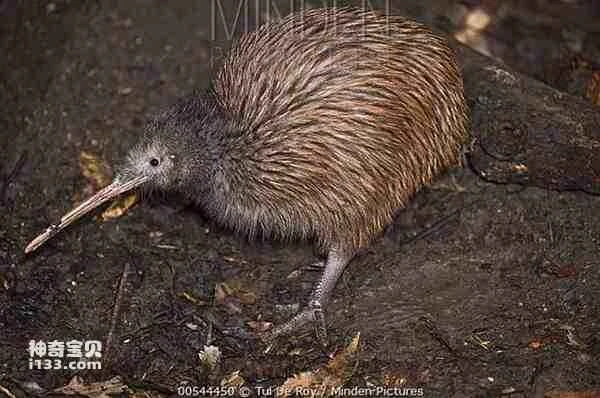
Animal tongues come in a wide variety of shapes and serve a range of functions, from practical to bizarre. Each species' tongue has undergone unique evolution to meet the needs of foraging, cleaning, and even defense. We will now explore in detail the fascinating uses of these unique tongues and the survival secrets behind them.
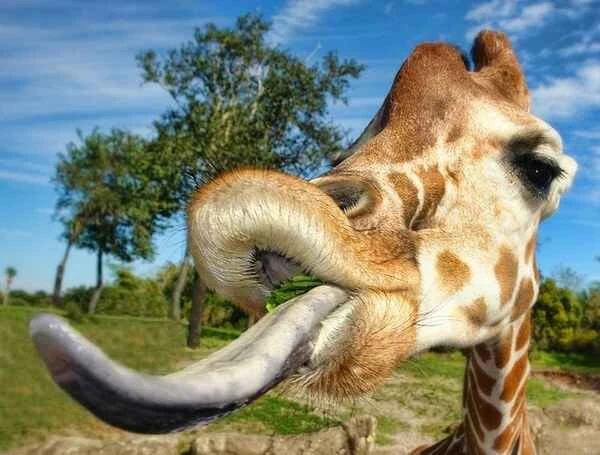
1. Giraffe – with its flexible, long tongue, it protects its food source.
Giraffes are not only known for their long necks, but also for their remarkable tongues. These flexible tongues, reaching lengths of 45–50 centimeters, allow them to reach for food from tall trees, such as acacia leaves, and easily peel away even thorny plants without injury. The color of a giraffe's tongue is typically dark purple or blue, likely to prevent sunburn from direct sunlight.
2. Felines – Excellent tools for cleaning and eating.
Felines have tongues covered with small, barbed nipples that grow backwards. These barbs allow them to efficiently remove dirt and loose hair while grooming. Furthermore, cats' taste buds are not sensitive to sweetness because, as carnivores, they do not need to ingest sugars.

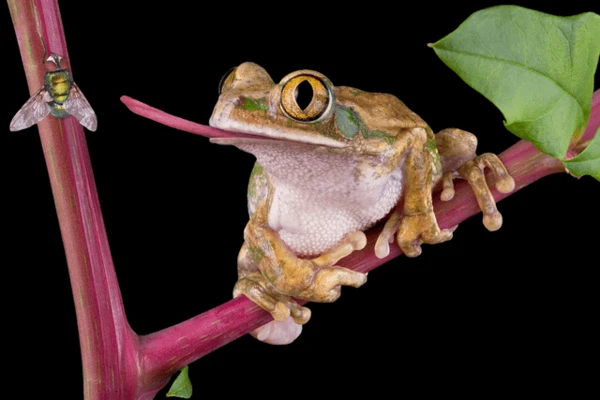
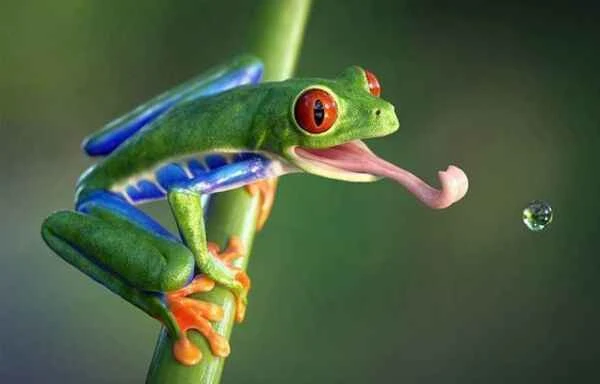
3. Frog – the animal kingdom's fastest tongue
Frogs are known for their lightning-fast tongues, capable of catching prey in an instant. Located at the front of their mouths, a frog's tongue can extend quickly to capture insects, small animals, and even other frogs. Some species, such as the horned frog, can even catch prey heavier than themselves.
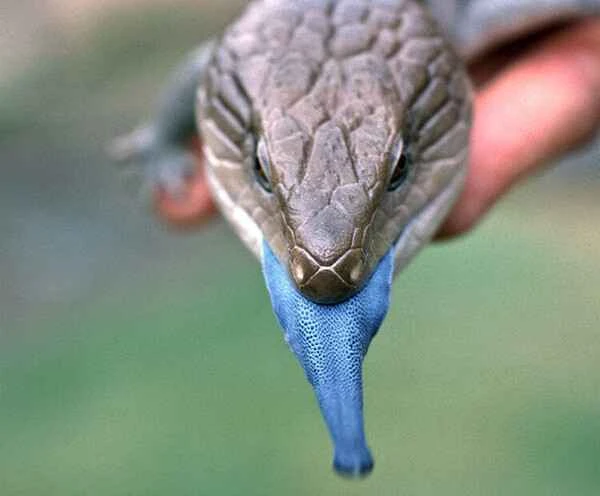
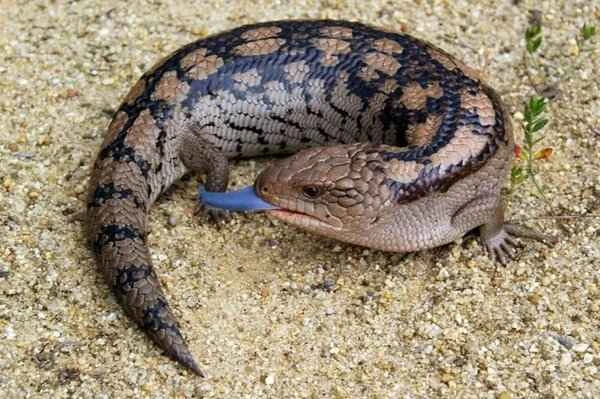
4. Blue-tongued skink – a brightly colored defensive weapon.
Blue-tongued skinks display their bright blue tongues to scare away predators when threatened. This vibrant display is a unique way they protect themselves, buying precious time to escape.
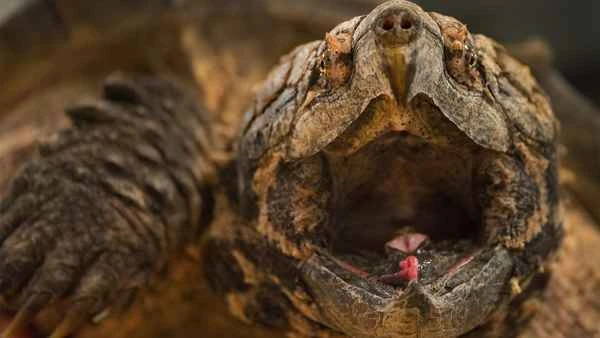
5. Alligator snapping turtle – uses its tongue to lure prey.
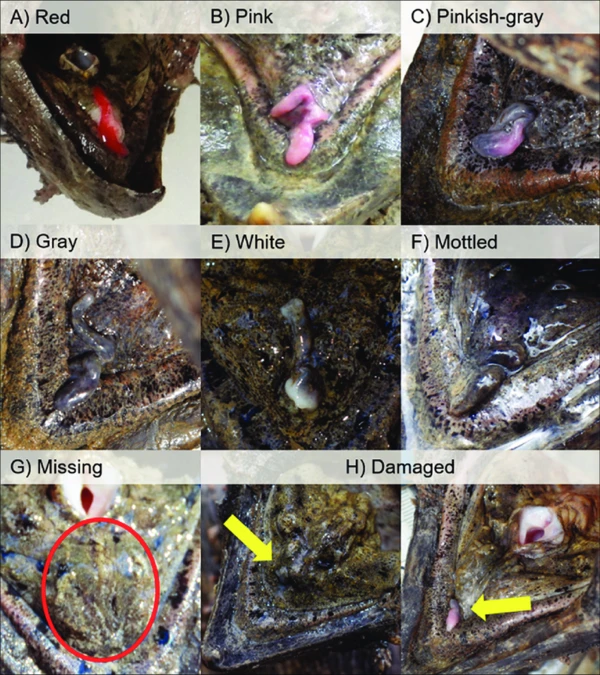
Alligator snapping turtles use their pink tongues to mimic the movements of worms to lure fish. When prey approaches, the turtle quickly closes its mouth, easily capturing it. This tongue-based hunting method ensures a stable source of food for them.
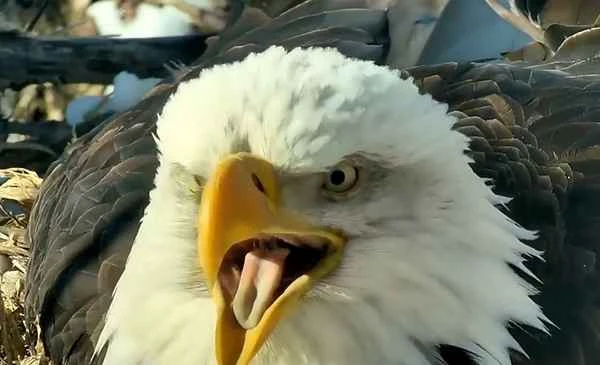
6. Eagle – Its barbed tongue helps it eat.
Eagles have tiny barbs on their tongues that help them swallow prey. These barbs also prevent larger pieces of food from getting stuck when feeding eaglets, ensuring the chicks eat safely.
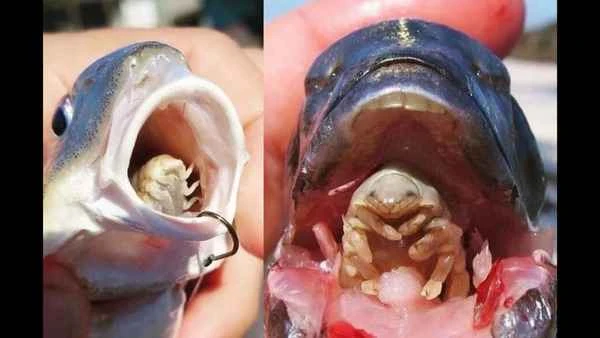
7. Tongue-eating parasites—terrifying creatures that inhabit the host's tongue.
The most peculiar tongue phenomenon is that of the parasite *Cymothoa exigua *. It invades the mouth of fish, destroys their original tongue, and takes its place, becoming the fish's new "tongue." Afterward, it sucks the fish's blood and manipulates the fish's swallowing movements.
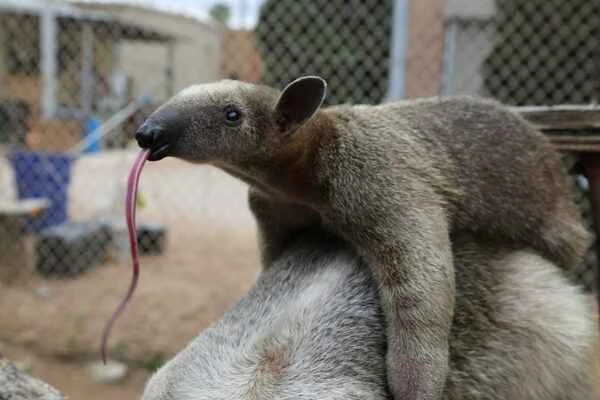
8. Anteater – The perfect combination of stickiness and length
The anteater's tongue, which can reach up to 60 centimeters in length and is extremely sticky, is its primary feeding tool, used to quickly extract food from ant and termite nests. Lacking teeth, anteaters rely entirely on their tongues to obtain food.
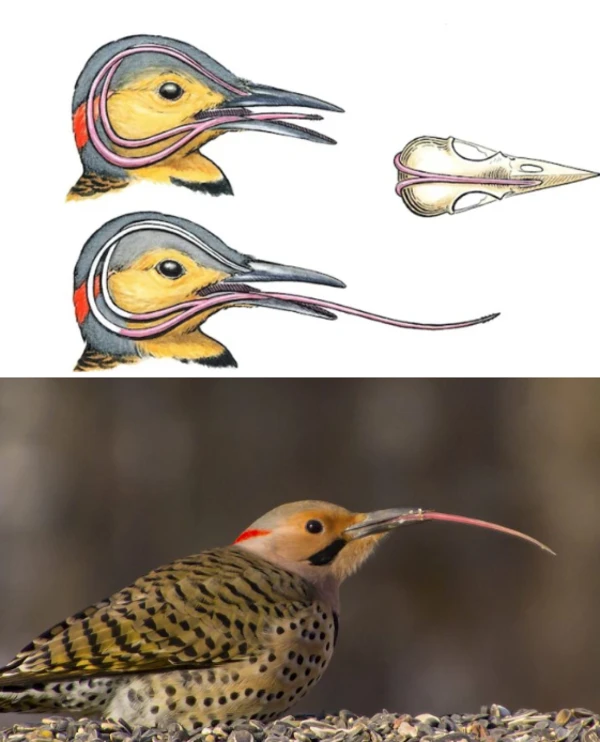
9. Woodpecker – A superb tool for deep foraging
A woodpecker's tongue can extend beyond its body length to reach deep into tree bark in search of insects. When not in use, the tongue can be stored by coiling around its skull. This unique evolutionary ability allows woodpeckers to easily access hidden food.
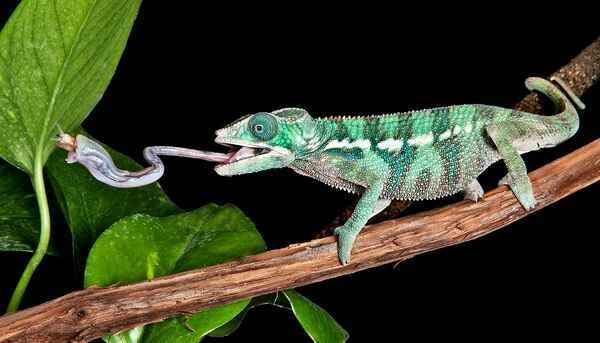
10. Chameleon – A master hunter of stickiness and speed
Besides their ability to change color, chameleons also have amazing tongues. Their tongues are long and fast, able to extend at incredible speeds to capture prey. The sticky surface of the tongue's tip firmly adheres to insects, then they swiftly pull the prey back into their mouths.
The diversity and amazing adaptations of the tongue
From the giraffe's long, sun-protective tongue to parasites that replace their host's tongue, the functions of the tongue in the animal kingdom are truly astonishing. Each tongue is a product of evolution, fulfilling its unique survival needs. Next time you observe animal behavior, don't forget the important role the tongue plays!
Besides the interesting tongue adaptations we've discussed earlier, some animals' tongues are also quite striking due to their unique colors. These colorful tongues serve a variety of functions, from attracting mates to aiding in feeding or defense. Let's take a look at some animals with brightly colored tongues:
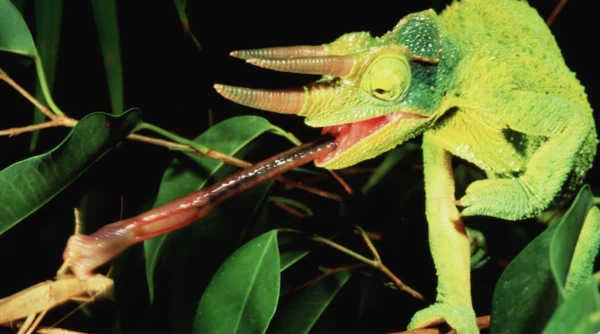
1. Chameleon – bright, sticky, and colorful
Chameleons are known for their ability to change color, but did you know their tongues also change color? A chameleon's tongue is typically a mixture of pink, red, and orange. This tongue is not only brightly colored but also a highly specialized tool, capable of quickly extending to capture prey. The tip of the tongue is also sticky, ensuring a firm grip on insects. The bright color of these tongues is likely due to a higher blood flow, which helps increase the speed and efficiency of tongue movement.
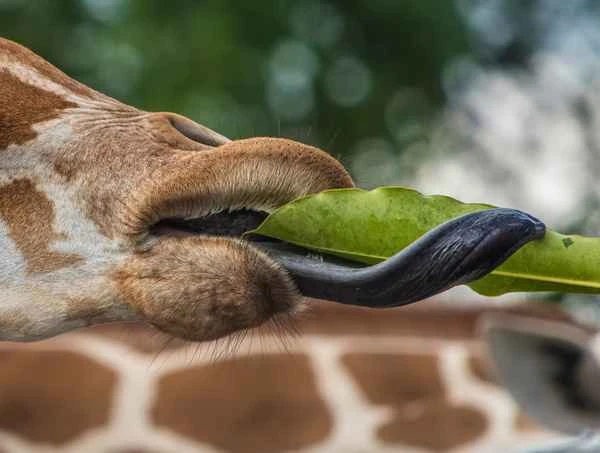
2. Giraffe – The protective function of its dark tongue
As mentioned earlier, giraffes have dark-colored tongues, often described as blue or purple. This dark color likely serves to protect giraffes from sunburn, as they frequently forage in the sun, such as eating acacia leaves. The dark color also helps absorb sunlight, preventing the delicate skin of the tongue from being sunburned by strong ultraviolet rays.
3. Blue-tongued short-tailed gecko – blue is used for defense.
The blue-tongued gecko's tongue is one of the most distinctive in the animal kingdom. When threatened, these reptiles display their bright blue tongues, a striking sight for potential predators. The blue tongue serves as a defensive mechanism, deterring or confusing attackers and giving the gecko time to escape.
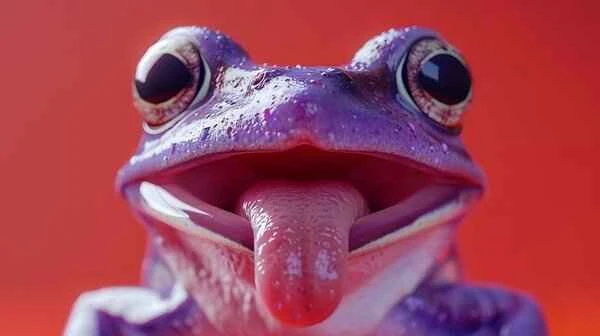
4. Indian Purple Frog – Unique Habits and Unique Coloration
The Indian purple frog, a species native to India, has a distinctive purple tongue. This tongue is not only unique in color but also adapted to its unique feeding method. The purple frog uses its tongue to swallow prey such as termites and ants. The purple color may help it blend into its underground habitat, although its specific evolutionary purpose remains unclear.
5. Datura fish – with its colorful tongue
While mandolin fish are known for their iridescent body colors, their tongues are also remarkably colorful. These small tropical fish have tongues with shades of blue and green. This vibrant coloration may help mandolin fish attract mates, as bright colors are often a symbol of health and vitality in many species.
6. Alligator snapping turtle – Pink bait
The alligator snapping turtle has a surprisingly pink tongue, which it uses as bait to attract fish. The bright pink tongue mimics the appearance of an insect, drawing hungry fish closer, where they are eventually preyed upon by the turtle. This is a classic example of how color plays a role in animal behavior and survival.
7. Koala – Dark-colored, soft, and highly adaptable
Koalas have dark tongues, which help them efficiently gnaw on eucalyptus leaves. Their tongues are similar in color to the leaves they eat, and this helps them maintain a delicate connection with their environment. While their tongues aren't as brightly colored as those of other animals, they are still specially adapted to their surroundings, helping them cope with the rough texture of eucalyptus leaves.

8. Blue Poison Dart Frog – A Brightly Colored Warning of Toxicity
Although not directly related to the tongue, it's worth noting that many brightly colored amphibians, such as the blue poison dart frog, possess striking tongue colors as well as vibrant hues on their mouths and other parts of their bodies. The intense blue serves as a toxic warning to predators, reinforcing the "don't eat me" signal. Vibrant coloration is a key part of their survival strategy.
9. Mantis Shrimp – A Colorful Weapon
The mantis shrimp is another creature with a highly specialized anatomy. While its tongue is not often emphasized, it can display a variety of colors. This crustacean uses its tongue to aid in complex and powerful feeding behaviors, typically by striking its prey at extremely high speeds. The vibrant colors of the mantis shrimp's body and oral cavity reflect its multidimensional visual abilities, indicating its highly complex sensory and predatory capabilities.
10. Horned Lizard – A Vibrant Display
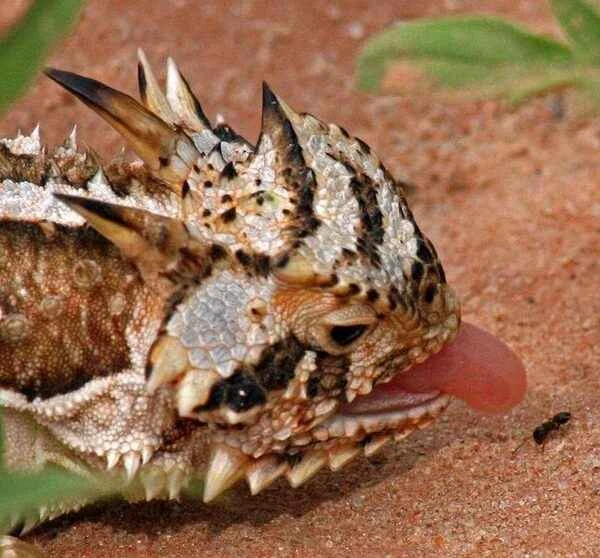
Horned lizards are known for their ability to display a variety of skin colors, and their tongues are no exception. These lizards use their brightly colored tongues for defensive displays, as well as to quickly capture prey during hunts. Their vibrant tongues may also serve to intimidate predators, signaling that the lizard is not an easy target.

Colored Tongues and Survival
The diversity of tongue colors in animals is evidence of how evolution has shaped these creatures into unique individuals. Whether for defense, attracting mates, or hunting, colored tongues play a vital role in animal survival strategies. From the dark tongues of giraffes to the colorful displays of chameleons, the animal kingdom is full of vibrant and fascinating adaptations. Understanding these tongues helps us gain a deeper understanding of how these animals survive and reproduce in their environments through complex behavioral and evolutionary adaptations.