Have you ever wondered why some animals sleep standing up? Or why some animals can hardly lie down or even sit down? Behind these behaviors lie their amazing evolutionary adaptations and survival strategies. Let's explore these fascinating animal behaviors together!
Animals that sleep standing up: an evolved survival adaptation
Some animals are born with the ability to sleep standing up, a behavior usually closely related to their physical structure and survival needs. Here are some common examples:
1. Horse

Horses are prime examples of sleeping while standing. Their legs have a unique "stay apparatus" that locks the joints, allowing them to rest standing up without expending energy. Although they occasionally lie down for a deep sleep, they spend most of their time napping while standing.
2. Cow
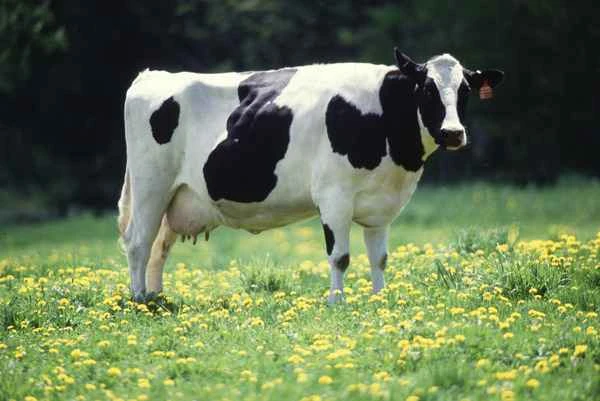
Cows also often sleep standing up, especially during short naps in the daytime. They have a joint locking mechanism similar to that of horses, but they prefer to lie down to rest at night.
3. Elephant
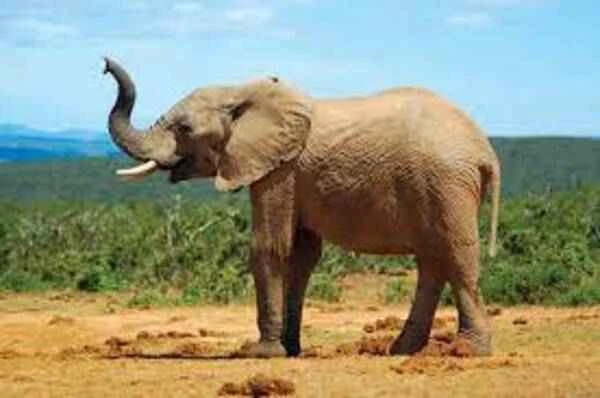
In the wild, elephants typically sleep standing up to protect themselves from predators. However, in safe environments (such as zoos), elephants will lie down and enter a deeper state of sleep.
4. Giraffe
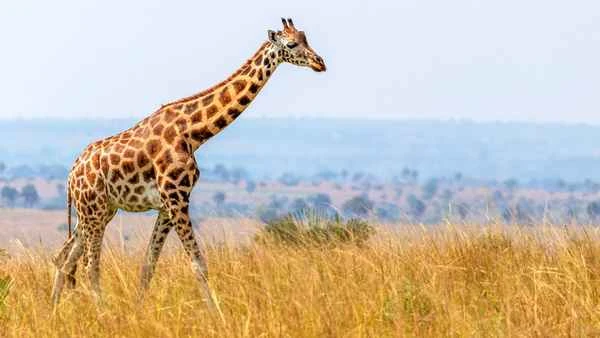
Giraffes' height advantage makes them highly vulnerable to predators when lying down. Therefore, they mostly sleep standing up for short periods, sometimes resting their heads on their backs for a short nap.
5. Flamingos
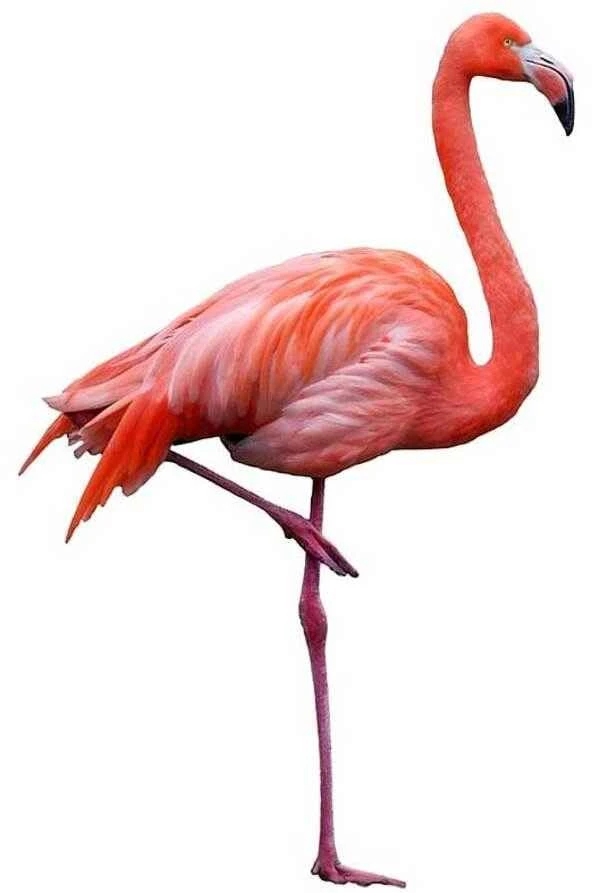
Flamingos are known for sleeping on one leg. Their leg structure is very special, allowing them to lock their knee joints and maintain balance for extended periods. This posture not only conserves energy but also reduces heat loss.
6. Zebra
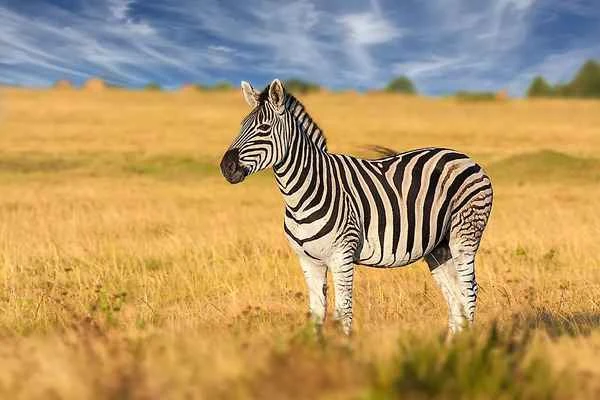
Like horses, zebras also possess a leg support mechanism that helps them stand and rest. On the African savanna, this adaptation allows them to quickly escape danger at any time.
7. Mules and donkeys
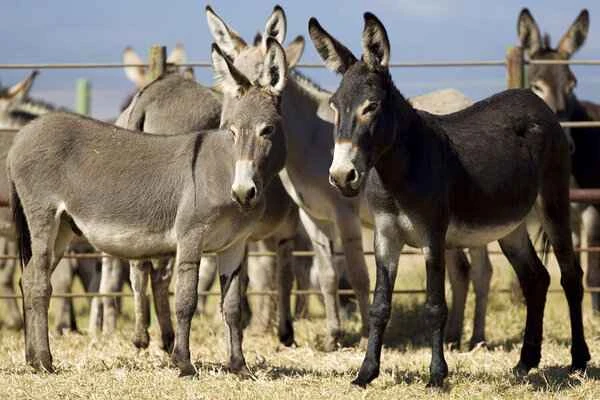
These animals are similar to horses in that they sleep standing up, especially when they are in herds, as they rely on this method to remain highly alert.
8. Camel
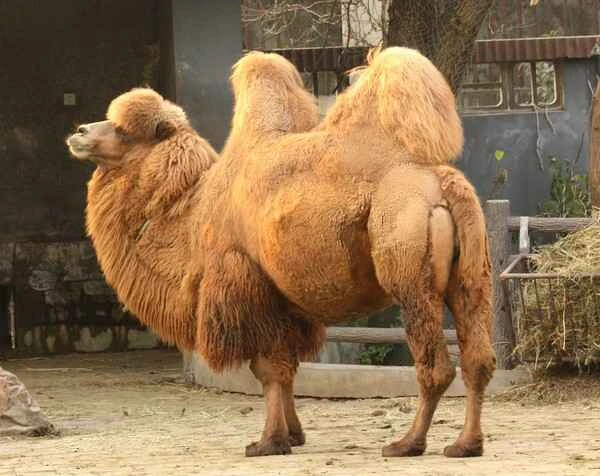
Camels, as experts in desert survival, can also nap standing up. This habit is especially important for long journeys, but when the environment is safe, they will lie down for a deeper recovery.
Animals that cannot or rarely lie down: Why do they always stand or swim?
Some animals, due to their physical structure or physiological needs, almost never lie down or remain still:
1. Shark
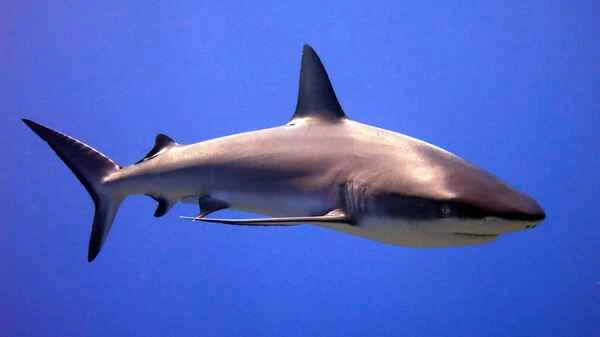
Most sharks cannot "stop." They need to keep swimming to ensure water flows over their gills for oxygen. If they stop swimming, they can suffocate. Some species of sharks can "rest" while swimming slowly.
2. Certain fish
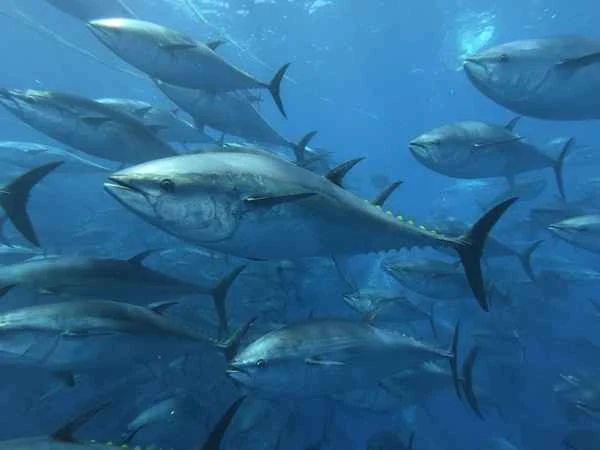
Pelagic fish such as tuna also need to swim continuously to maintain oxygen intake and buoyancy. Most of their behavior is closely related to hunting and escaping predators.
3. Giraffe (rarely lies down)
Although giraffes can lie down, they rarely do so. Their high center of gravity and long legs make it very difficult for them to get up, and they are extremely vulnerable to attack when lying down.
4. Horse (Limited time for lying down)
Horses put pressure on their internal organs if they lie down for extended periods, so they prefer to rest standing up. Although they may occasionally lie down and enter a deep sleep, the duration is usually very short.
5. Flamingos (almost never sit)
Flamingos almost never sit down; sleeping and resting while standing is more economical and efficient for them. Their unique leg tendons allow them to maintain a standing posture on one leg for extended periods.
Why do these animals sleep standing up or not lying down?
Here are some of the main reasons that lead to these behaviors:
The main reason animals like giraffes, zebras, and buffalo sleep standing up is to allow them to escape quickly at any time. Especially in the wild, lying down makes them more vulnerable.
Like horses, flamingos, and camels, these animals have adapted their body structures, with special leg structures that allow them to stand for long periods without expending too much energy, providing them with a safe resting environment.
Physiological needs: Sharks and some fish need to move constantly to ensure water flows over their gills and they get oxygen, and standing or swimming is their "resting mode".
Sleeping standing up or being unable to lie down is not strange behavior, but an innate survival mechanism. From giraffes to sharks, these animals' unique behaviors demonstrate the wisdom and adaptability of nature. The next time you see them, you can gain a deeper understanding of their habits and the mysteries of evolution!