When lizards are mentioned, many people might picture geckos or chameleons. However, the lizard world is home to many amazing species that display incredible adaptability, vibrant colors, and unexpected behaviors. In this article, we'll introduce ten of the world's most unique lizards, exploring their characteristics, habitats, and why they are so distinctive.
1. Frilled-Neck Lizard
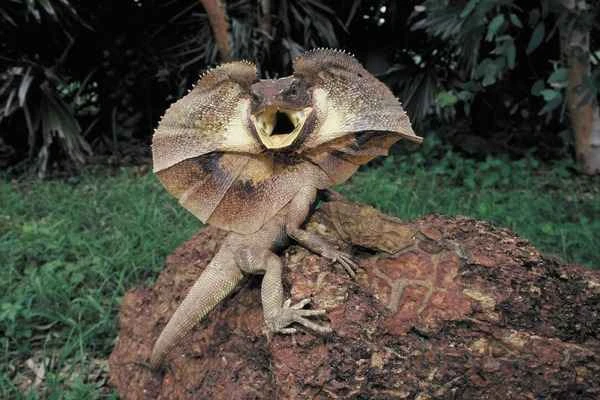
The cape-like lizard is a master of dramatic effect. Found in Australia and Papua New Guinea, it's famous for the "cape" around its neck. When threatened, it spreads its brightly colored cape to frighten predators. This lizard prefers to live in forests and savannas and is also an excellent climber. Interestingly, they stand on their hind legs when running, resembling miniature dinosaurs!
2. Thorny Devil
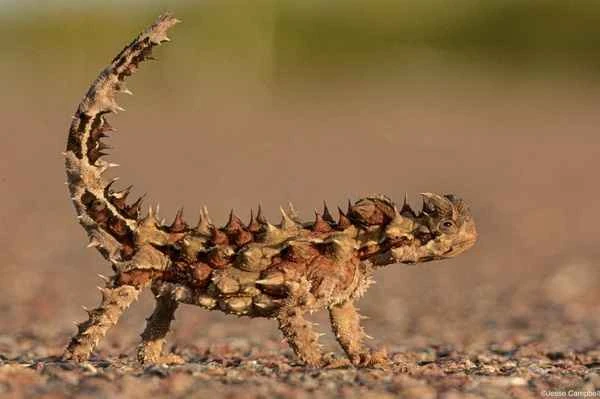
The thorny lizard lives in the desert regions of Australia, its body covered in sharp spines that effectively defend it against predators. Not only is its appearance unique, but it also possesses an amazing ability: fine grooves in its skin collect dew and draw it into its mouth. This lizard primarily feeds on ants, consuming thousands daily. Its superb camouflage techniques allow it to blend almost seamlessly into the sand.
3. Draco Flying Lizard
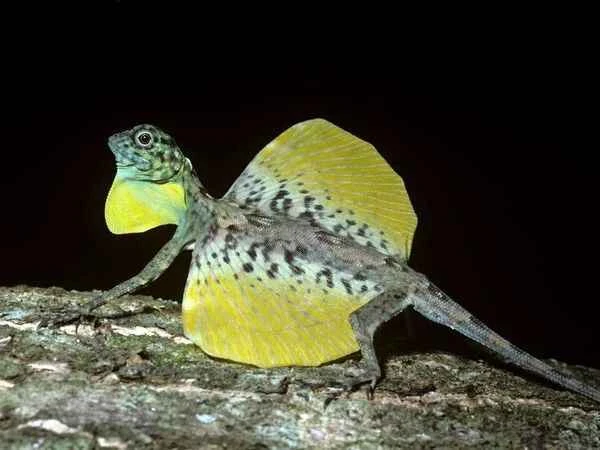
Have you ever heard of a "flying" lizard? Flying lizards live in the forests of Southeast Asia and possess wing-like skin folds supported by elongated ribs. While they don't actually fly, these "wings" allow them to glide between trees, both to evade predators and to find food. They can glide up to 9 meters, making them some of the coolest aerial predators in nature.
4. Leaf-Tailed Gecko
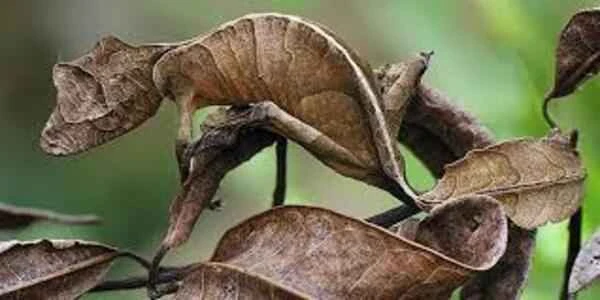
The leaf-tailed gecko, native to Madagascar, is an expert in camouflage. Its body resembles a dried leaf, complete with vein-like patterns. This adaptation helps it blend perfectly into tree bark or forest floor. These geckos are nocturnal, using their amazing camouflage to catch insects while avoiding becoming prey for other animals.
5. Chameleons
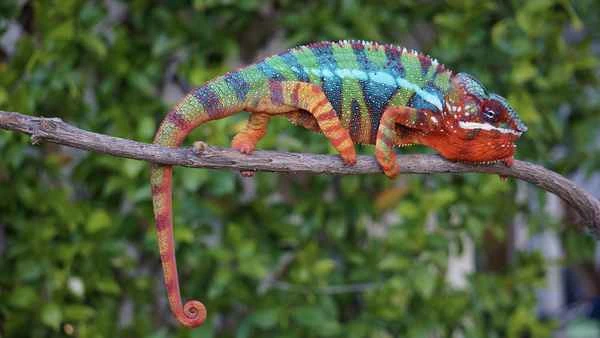
When talking about unique lizards, how can we forget chameleons? They are famous for their ability to change color and are mainly distributed in Africa, Madagascar, and parts of Asia. Chameleons change color primarily for communication and temperature regulation, rather than simply for camouflage. Their independently moving eyes and incredibly fast tongues also make them excellent insect hunters.
6. Basilisk Lizard
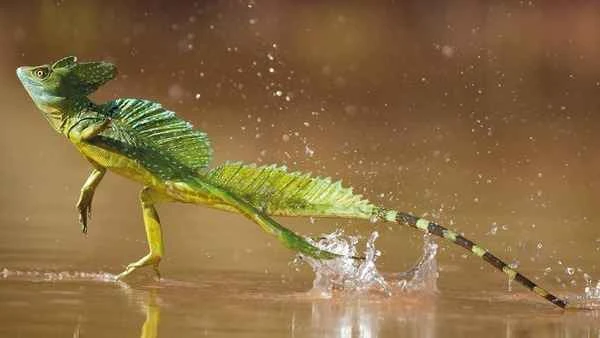
The ghost dragon lizard, also known as the "Jesus lizard" because it can run on water! This lizard is found in Central and South America, its slender body and specialized feet enabling this feat. They prefer to live in tropical rainforests near rivers or streams, feeding on insects and small vertebrates.
7. Gila Monster
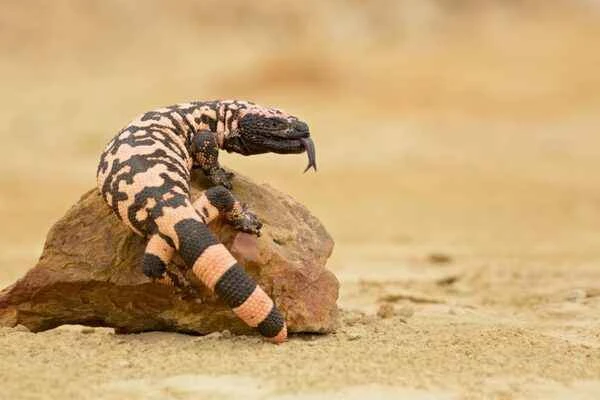
The Gila monster is one of the few venomous lizards in the world, found in the southwestern United States and Mexico. Its venom is injected into prey or predators through its bite. Despite its fierce appearance, they are slow-moving and non-aggressive. They spend most of their time underground, only emerging when the weather is warm.
8. Komodo Dragon
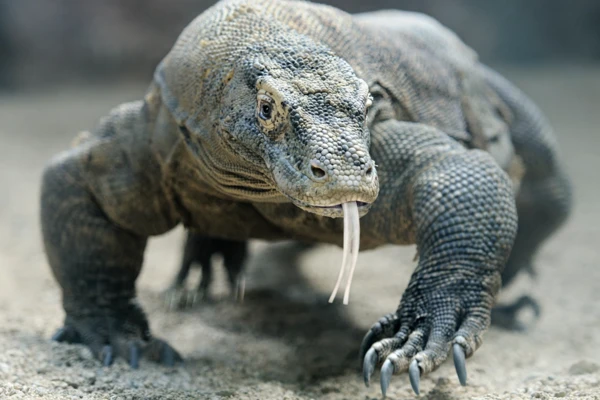
Komodo dragons are the world's largest lizards, reaching lengths of up to 3 meters. Found on several islands in Indonesia, they are apex predators, hunting deer, wild boar, and even buffalo. They use their sharp teeth and venomous saliva to kill their prey. Despite their enormous size, juvenile Komodo dragons will climb trees to avoid being preyed upon by adults.
9. Blue-tonued Skink
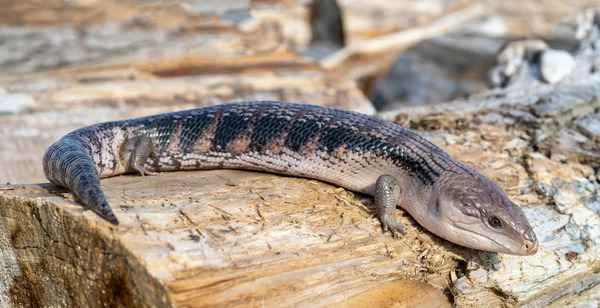
The blue-tongued skink is known for its bright blue tongue. When encountering a predator, it will suddenly extend its tongue, giving its opponent a surprise. This lizard is found in Australia and surrounding islands. It is a terrestrial lizard that enjoys basking in the sun. Due to its gentle nature, they are a popular choice for many reptile enthusiasts.
10. Armadillo Girdled Lizard
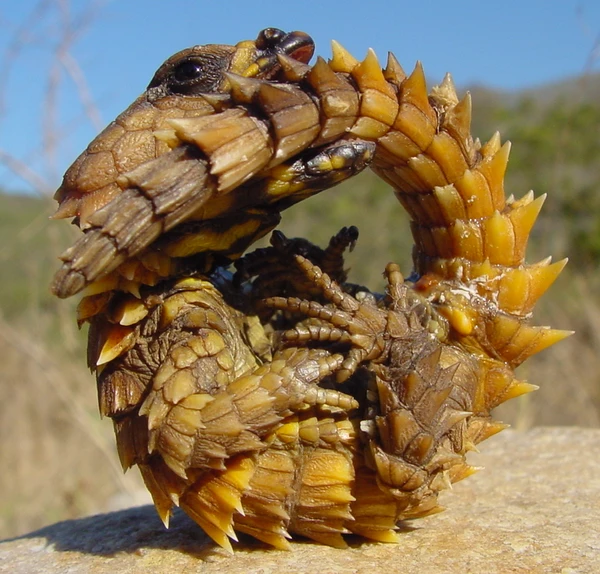
The armored lizard, native to South Africa, possesses a unique defense mechanism. When threatened, it curls into a ball, using its hard, spiked tail to protect its abdomen. This lizard prefers to live in rocky desert areas and, resembling a miniature dragon, is quite captivating.
Unique Adaptations of the Lizard Kingdom
These lizards demonstrate remarkable adaptability, helping them survive in a variety of habitats:
Masters of disguise: such as leaf-tailed geckos and chameleons, they are adept at blending into their environment.
Special defenses: The thorny lizard's spikes and the armored lizard's ball-rolling technique deter predators.
Unique abilities: Flying Dragon Lizard glides, Ghost Dragon Lizard runs on water.
The habitat of these lizards
Many unique lizards live in specific regions:
Australia: Thorn lizard, Mantle lizard, Blue-tongued skink
Madagascar: Leaf-tailed Gecko
Indonesia: Komodo dragon
Central and South America: Ghost Dragon Lizard
Protecting these lizards is especially important as their habitats face threats such as deforestation and climate change.
Is it possible to keep unique lizards as pets?
Some lizards, such as the blue-tongued skink and certain species of chameleons, are well-suited as pets due to their captivating appearance and easy-to-care-for nature. However, species like the Komodo dragon and the Gila monster are unsuitable for domestication due to their inherent dangers and specific requirements. Thorough research and confirmation of legality are essential before keeping any lizard.
Why are lizards worth paying attention to?
Lizards are not only fascinating creatures, but they also play a vital role in ecosystems, acting as pest controllers and food sources for larger animals. Their unique adaptations have even inspired scientists to research bionics and camouflage techniques. Protecting these extraordinary reptiles ensures that future generations can continue to appreciate their beauty and intelligence.
Whether it's the gliding skills of the flying dragon or the dramatic display of the caped lizard, the world of lizards always surprises us. Which unique lizard do you like best? Feel free to leave a comment and let us know!