Ants may be small, but they are incredibly powerful and virtually ubiquitous. But have you ever wondered which animals eat ants? From specialized ant predators to opportunistic predators, many creatures feed on ants. Let's explore the animal world of ant predators, learning about their unique adaptations and their roles in the ecosystem.
Which animals eat ants?
Many animals feed on ants, including mammals, birds, reptiles, and even other insects. Here are the most common categories:
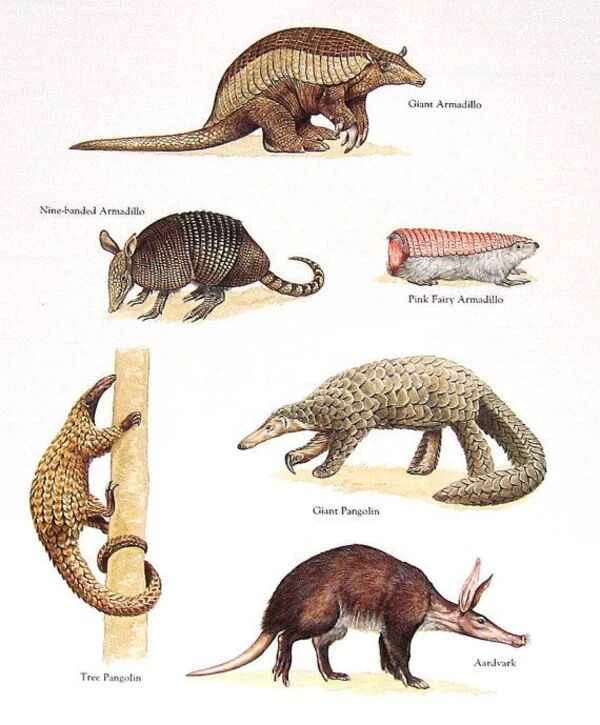
**Mammals:** Anteaters, armadillos, pangolins, and aardvarks are known for eating ants.
**Birds:** Woodpeckers, orioles, and some sparrows are all adept at finding and catching ants.

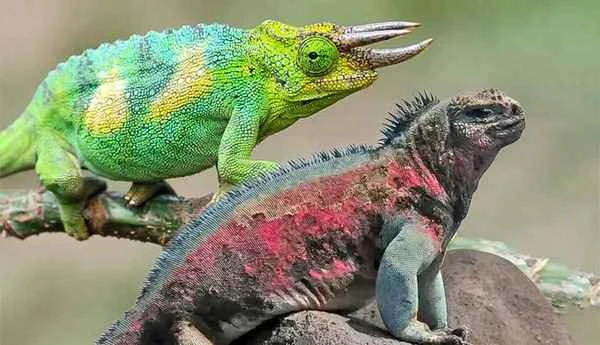
**Reptiles:** Lizards, including horned lizards, often feed primarily on ants.
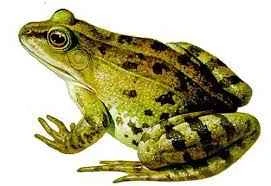
Amphibians: Frogs and toads occasionally eat ants.
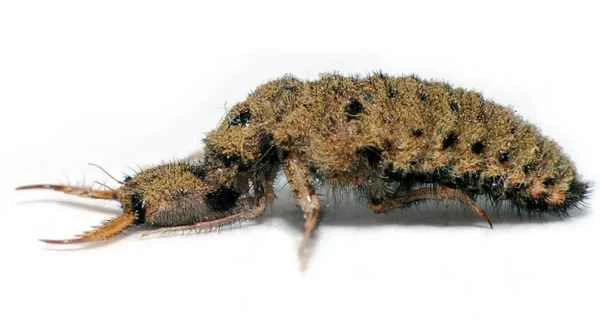
**Insects and Spiders:** Spiders such as beetles, antlions, and jumping spiders are also notorious predators of ants.
Unique Adaptations of Ant-Preying Animals
Ant-preying creatures possess unique tools and behaviors that help them catch ants.
1. A long, sticky tongue
Animals like anteaters and pangolins have exceptionally long tongues covered in sticky saliva, allowing them to quickly scoop up ants.
**Fun Fact:** Giant anteaters can have tongues that can reach 60 centimeters in length!
2. Powerful digging claws
Mammals such as armadillos and aardvarks use their strong claws to dig open ant nests to obtain food.
3. Strong protection for the body
Some reptiles, such as horned lizards, have hard bodies to protect them from ant bites, allowing them to eat with ease.
4. Chemical defense
Birds like the golden oriole can eat ants, even though the ants release formic acid as a defense mechanism.
5. Ambush Strategy
Insects like antlions dig funnel-shaped traps in the sand, and when ants fall in, they quickly prey on them.
Ant predators categorized by habitat
tropical rainforest
Anteaters and pangolins live in tropical rainforests, where ant and termite resources are abundant.
Birds such as toucans and orioles often feed on ants here.
desert
Horned lizards dominate arid desert regions, and ants are an important part of their diet.
Some beetles and spiders also feed on ants in harsh environments.
grasslands and forests
Mammals such as aardvarks dig ant nests in grasslands and forests to forage for food.
Woodpeckers and other birds tap on tree trunks to find ants hiding inside.
Why do animals eat ants?
Ants are a high-protein, high-energy food source. There is less competition among animals that feed on ants because not all predators can handle these tiny and defensive prey.
Nutritional value of ants
Rich in protein
It contains abundant fats and essential nutrients.
Numerous and easy to find
The role of ant predators in the ecosystem
Animals that prey on ants play a vital role in maintaining the balance of the ecosystem.
**Population control:** These animals help prevent ant populations from overgrowing.
**Soil aeration:** When mammals such as armadillos dig ant nests, they help aerate the soil.
**Food web dynamics:** By preying on ants, these animals link different trophic levels, ensuring the flow of energy within the food web.
Interesting facts about ant predators
Horned lizards can shoot blood from their eyes to scare away predators while they focus on eating ants.
Anteaters can eat up to 30,000 ants a day, making them one of the most efficient ant predators.
Antlions are named for their fierce ambush hunting methods, and in their small world, they are comparable to lions.
The impact of ant predators on biodiversity
These animals indirectly promote biodiversity by preventing ants from competing with other species. However, habitat destruction and climate change are threatening their survival.
Protect animals that prey on ants
To maintain ecological balance, protecting the habitats on which these animals depend is crucial. Conservation measures include:
Protect forests and grasslands to ensure they have sufficient food sources.
Raise public awareness of the ecological roles of these animals.
Frequently Asked Questions about Ant-Preying Animals
1. Do all anteaters only eat ants?
No, anteaters eat ants and termites, depending on the availability of food.
2. Which bird loves to eat ants the most?
Woodpeckers and orioles are the most famous birds that prey on ants.
3. Are ants dangerous to predators?
Some ants defend themselves with formic acid or by biting fiercely, but most predators have adapted to these defense mechanisms.
From anteaters in the rainforest to horned lizards in the desert, the diversity and fascinating nature of ant predators are remarkable. Their unique adaptations and ecological roles remind us of the intricate complexity and wisdom of the natural world. By understanding and protecting these creatures, we contribute to maintaining the delicate balance of ecosystems.
If you're curious about animals that prey on ants, or want to understand their impact on habitats, this guide will definitely meet your needs. Ready to continue exploring the amazing creatures of nature? Keep reading!