The crab-eating macaque, also known as the rhesus macaque ( Macaca mulatta ), is a fascinating primate that inhabits multiple regions of Asia. In this article, we will explore the unique characteristics, habitat, diet, behavior, and conservation status of this species.
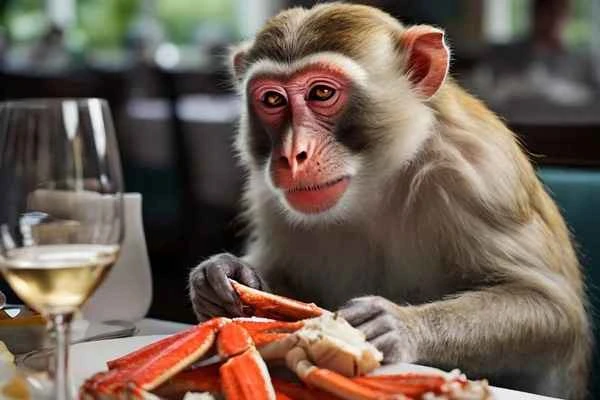
What is a crab-eating monkey?
The name "crab-eating monkey" might be somewhat misleading, as these monkeys don't only eat crabs. They are commonly known as macaques, named after the "Rhesus factor" in their blood type. They are medium-sized monkeys, with males typically weighing about 14 to 20 pounds (6 to 9 kilograms) and females slightly lighter.
Physical characteristics
Appearance : Crab-eating macaques have short, sturdy bodies and relatively long tails. Their fur is typically brown or gray, their faces are pink, and their eyes are expressive.
Adaptability : These characteristics enable them to adapt to a variety of environments, from cities to forests.
What is the lifespan of a crab-eating macaque?
The lifespan of crab-eating macaques ( Macaca mulatta ) is influenced by several factors, including habitat, diet, social structure, and environmental conditions. Below is a detailed overview of their lifespan:
1. Wild and Captive
In the wild : Macaques typically live 15 to 20 years in their natural habitat. Factors such as predation, disease, food supply, and competition can affect their survival time in the wild.
In captivity : In controlled environments such as zoos or research institutions, their lifespan can be significantly extended, typically reaching 25 to 30 years . Improved living conditions, regular veterinary care, and a stable food supply contribute to their increased lifespan.
2. Factors affecting lifespan
Diet : A balanced diet rich in fruits, vegetables, and protein can improve health and lifespan. In the wild, the diversity of food sources affects their overall health.
Social structure : Living in a stable community can reduce stress and improve overall health. Social hierarchy and relationships within a group play a crucial role in its survival.
Health care : In captivity, regular health checks and vaccinations can prevent life-shortening diseases.
Predation and threats : In the wild, predators (such as large birds of prey or snakes) and human-related dangers (such as habitat destruction or hunting) can significantly reduce their lifespan.
3. Signs of aging
As crab-eating macaques age, they may exhibit the following signs of aging:
Hair changes : Their hair may turn gray or white, similar to human aging.
Physical condition : Older monkeys may exhibit decreased mobility, dental problems, and changes in social behavior.
The lifespan of crab-eating macaques is influenced by a combination of environmental factors, social dynamics, and access to healthcare. Understanding these factors helps in the conservation of both wild and captive populations, ensuring these fascinating primates can enjoy longer and healthier lives.
Habitat and Distribution
Crab-eating macaques are mainly distributed in South Asia, including countries such as India, Nepal, and Pakistan. They are able to survive in a variety of habitats, such as:
Forests : Commonly found in tropical and subtropical forests.
Urban areas : Macaques are highly adaptable and often live in cities in search of food.
Wetlands : They can also be found in swampy areas, where they forage for aquatic food.
Diet and foraging habits
As its name suggests, the crab-eating macaque has a diverse diet, mainly including:
Fruits and vegetables : They like all kinds of fruits, leaves and vegetables.
Insects and crustaceans : In some areas, they eat insects and small crabs, especially when other food is scarce.
Human food : In urban areas, they are known for rummaging through garbage cans and stealing human food, which has led to conflicts with humans.
Foraging behavior
Rhesus macaques are social foragers, typically hunting in groups. This helps them find food more efficiently while providing protection from predators. Their opportunistic foraging habits enable them to survive in a variety of environments.
Social structure and behavior
Crab-eating macaques are highly social animals. They live in groups ranging from a few individuals to hundreds, with complex social structures and clear hierarchies and relationships.
Communication methods
Sound : They use a variety of sounds to communicate, including alarms, courtship calls, and social interactions.
Body language : Grooming is an important part of their social life, helping to strengthen bonds and reduce tension within the group.
Intelligence and problem-solving skills
Rhesus monkeys are renowned for their intelligence. They are capable of problem-solving, tool use, and a wide range of emotions. Their adaptation to urban environments demonstrates their ability to learn and survive under changing conditions.
Protection status
Crab-eating macaques are currently listed as Least Concern by the International Union for Conservation of Nature (IUCN). However, they face several threats, including:
Habitat loss : Deforestation and urbanization are shrinking their natural habitats.
Human-wildlife conflict: As wild animals adapt to urban life, conflicts with humans may lead to culling or other negative consequences.
Illegal trade : Macaques are sometimes captured for illegal pet trade or research purposes.
Protective measures
Multiple organizations are working to protect the crab-eating macaque's habitat and promote coexistence between humans and wildlife. Educational and awareness programs are crucial in reducing human-wildlife conflict and ensuring the survival of these fascinating creatures.
The crab-eating macaque (rhesus macaque) is a unique and highly adaptable primate that plays a vital role in its ecosystem. Understanding their behavior, diet, and social structure helps us appreciate these amazing animals and the challenges they face. By supporting conservation efforts, we can contribute to protecting the crab-eating macaque and its habitat, ensuring that future generations can enjoy this remarkable species.
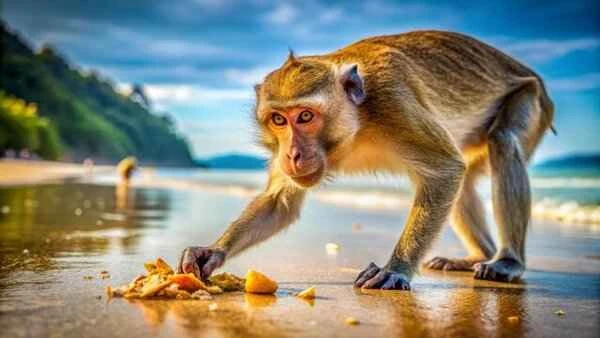
Crab-eating macaques are one of the biggest threats to Florida's ecosystem and human health.
Crab-eating macaques, also known as rhesus macaques, have become a major threat to Florida's ecosystem and human health. These monkeys, originally from Asia, have established populations in Florida, primarily concentrated in areas such as Silver Springs. Below is a detailed overview of how they are impacting the environment and public health.
1. Introduction of alien species
Ecological disruption : Macaques are not native to Florida, and their presence disrupts the local ecosystem. As an invasive species, they may compete with native wildlife for resources such as food and habitat.
Predation on native species : They may prey on native birds, small mammals and other wildlife, leading to a decline in these populations.
2. Behavior and Adaptability
Urban adaptation : Rhesus macaques are highly adaptable and able to survive in urban environments. They often forage for food in residential areas, leading to increased interaction between humans and wildlife.
Social structure : Macaques living in large groups can cause significant disruption to the community. Their behavior can lead to property damage as they rummage through garbage cans and invade homes in search of food.
3. Human health risks
Disease transmission : Rhesus monkeys may carry a variety of zoonotic diseases, such as macaque herpes simplex virus and tuberculosis. Close contact between these monkeys and humans increases the risk of disease transmission.
Risk of bites : Monkeys may exhibit aggression when they feel threatened or when food is involved. Bites can lead to infection and require medical treatment.
4. Impact on local wildlife
Competition with native species : Macaques compete with native wildlife for food, particularly fruits and nuts. This competition can disrupt food chains and negatively impact local biodiversity.
Changes in plant communities : Their foraging habits can lead to changes in plant communities, as they may overconsume certain plants, inhibit regeneration, and alter the natural landscape.
5. Management Challenges
Population control : Managing the crab-eating macaque population presents significant challenges. Their high reproduction rate makes it difficult to reduce their numbers using traditional methods.
Public opinion : Residents often have differing opinions about these monkeys. While some appreciate their presence, others view them as pests. This divergence complicates management efforts.
6. Protection and Ethical Considerations
The Art of Balance : Efforts to control crab-eating macaque populations must strike a balance between ecological integrity and animal welfare.
Habitat protection : Protecting native habitats and ecosystems is crucial for the effective management of invasive species such as macaques.
Crab-eating macaques pose multifaceted challenges to Florida's ecosystems and public health. Their adaptability and social behavior allow them to thrive in a non-native environment, leading to ecological damage and human health risks. Addressing these issues requires a comprehensive approach, including public education, effective management strategies, and conservation efforts aimed at protecting Florida's unique ecosystems.
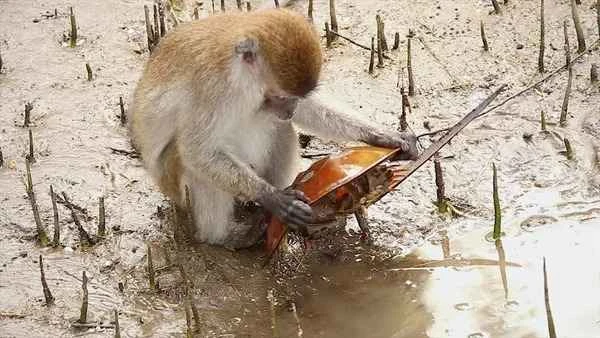
The dangers of eating crabs and monkeys
Crab-eating macaques ( Macaca mulatta ) may pose a certain danger to humans and ecosystems in some situations, especially in areas where they are not native to the species. The following is a detailed overview of the potential risks posed by these monkeys:
1. Human-wildlife conflict
Aggression : Rhesus monkeys may exhibit aggressive behavior, especially when they feel threatened, are protecting their young, or when food is involved. Their aggressive interactions may result in bites or scratches, requiring medical treatment.
Foraging disturbances : In urban areas, these monkeys often invade homes and shops in search of food. They may vandalize garbage, steal food, and even break into homes. This behavior can lead to property damage and cause frustration for residents.
2. Disease transmission
Zoonotic diseases : Rhesus monkeys may carry a variety of zoonotic diseases that can be transmitted to humans. These include:
Herpes simplex virus in macaques : This virus can be dangerous and deadly to humans.
Tuberculosis : Macaques may carry tuberculosis bacteria, which can infect humans, especially those with weakened immune systems.
Bacterial infection : Scratches and bites can introduce bacteria, leading to infection.
Public health concerns : In areas where humans have frequent contact with macaques, the potential risk of disease transmission has raised significant public health concerns.
3. Ecological impact
Invasive species : In areas where they are not native, crab-eating macaques can disrupt local ecosystems. They may compete with native wildlife for food and habitat, leading to a decline in native species populations.
Overconsumption of resources : Their foraging habits may lead to overconsumption of certain plants, thereby altering plant communities and affecting the wider ecosystem.
4. Behavioral Challenges
Boldness and Curiosity : Macaques are highly intelligent and curious animals. Their boldness may lead them to approach humans, increasing the likelihood of conflict.
Learning through experience : These monkeys are able to learn from each other's behavior. If one monkey learns how to steal food, other monkeys will quickly imitate it, leading to increased human interaction and potential dangers.
5. Management issues
Population control : Managing crab-eating macaque populations presents challenges. As they adapt to urban environments, traditional management strategies may become ineffective, leading to ongoing conflict.
Public perception : Public opinion on these monkeys varies widely. While some find them amusing and enjoy their presence, others view them as pests. This divergence complicates management and public policy.
While crab-eating macaques are fascinating creatures, they can pose risks to human health and safety, as well as local ecosystems. Understanding these dangers is crucial for developing effective management strategies and ensuring safe coexistence between humans and these monkeys. Public education, helping people understand proper interaction methods and the importance of protecting local wildlife, can reduce conflict and promote healthier ecosystems.
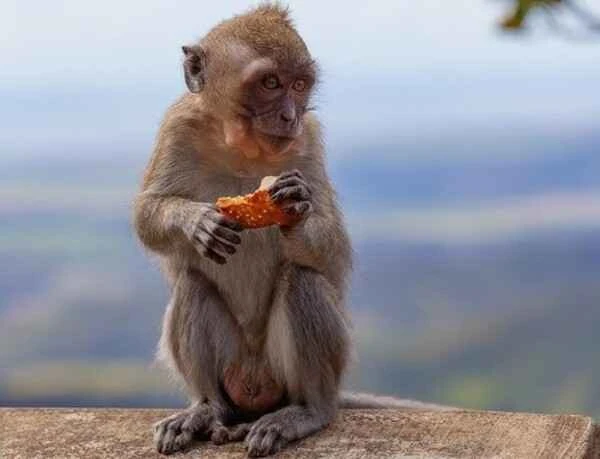
The potent chitinase activity of the crab-eating monkey ( Macaca fascicularis ) has attracted considerable attention, particularly the presence of an acidic chitinase in its digestive system. This enzyme plays a crucial role in the breakdown of chitin, a polysaccharide found in the exoskeleton of crustaceans, including crabs. The following is a detailed overview of the enzyme's activity under different conditions:
1. What is chitinase?
Definition : Chitinase is an enzyme that catalyzes the hydrolysis of chitin into small oligosaccharides, which are ultimately converted into N-acetylglucosamine.
Importance : This enzyme is essential for organisms whose diet is primarily rich in chitin, enabling them to effectively utilize nutrients from food.
2. Acidic chitinase in crab-eating monkeys
Source : Crab-eating macaques have evolved diverse ways of ingesting food, including high-chitin crustaceans. Their digestive systems are adapted to efficiently process these substances.
Enzyme characteristics : The acidic chitinase produced by these monkeys works effectively in a low pH environment, which is typically the stomach environment at the start of digestion.
3. Wide pH range
Optimal activity : Studies have shown that chitinases from crab-eating monkeys exhibit strong activity over a wide pH range, indicating their adaptability to different digestive environments.
Acidic conditions : This enzyme exhibits optimal activity under acidic conditions (pH approximately 4-5), which aligns with the natural acidity of the stomach.
Alkaline tolerance : Interestingly, it retains significant activity even under neutral to slightly alkaline conditions, suggesting that it may have diverse functions in digestion outside the stomach.
4. Temperature range
Thermal stability : This chitinase exhibits considerable robustness at different temperatures, indicating that it is well-suited to varying conditions encountered during digestion.
Optimal temperature : The enzyme exhibits peak activity at moderate temperatures, typically between 37-42°C (98.6-107.6°F), which corresponds to the body temperature of monkeys.
5. Ecological and nutritional impacts
Dietary adaptability : The effective degradation of chitin allows crab-eating monkeys to obtain nutrients from chitin-rich foods, such as crabs and other crustaceans, thus increasing the flexibility of their diet.
Nutritional utilization : Efficient chitin degradation is essential for maximizing the absorption of energy and nutrients, which is crucial for their survival and reproductive success in their natural habitats.
6. Significance of the research
Biotechnology applications : Understanding the properties of chitinases in crab-eating monkeys could have implications for biotechnology, particularly in waste management and the development of biodegradable materials, given the applications of chitin and its derivatives across various industries.
Evolutionary Insights : Studying this enzyme provides a deep understanding of the evolution of diet and environmental adaptation in primates, highlighting the interplay between physiology and ecology.
The potent chitin-degrading activity exhibited by the acidic chitinase in crab-eating macaques under varying pH and temperature conditions demonstrates the remarkable adaptability of these primates to their environment. This enzyme not only plays a crucial role in their digestive efficiency but also provides profound insights into biotechnological applications and evolutionary biology. Understanding these mechanisms can enhance our understanding of primate biology and inform the conservation of these fascinating creatures.