Maggots are the larval stage of flies and often cause discomfort. But how are maggots formed? This article will explore the fascinating life cycle of flies, the development process of maggots, and their role in nature, aiming to make it easy to understand.

1. What are maggots?
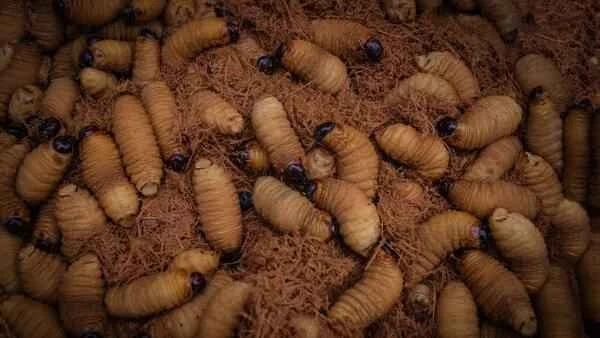
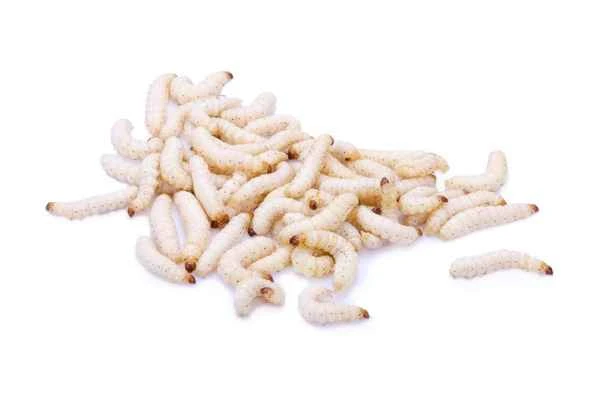
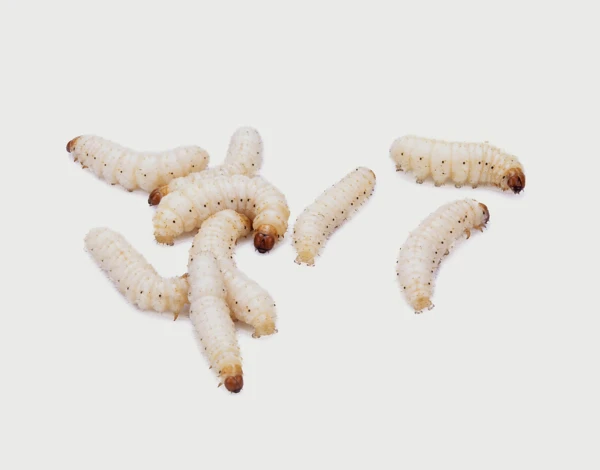
Maggots are the larvae of certain types of flies (especially houseflies and butcher flies), typically white or cream-colored, and ranging in length from a few millimeters to over an inch. Maggots are known for their scavenging behavior and are often found in decaying organic matter.
How are maggots produced? Understanding the factors that contribute to maggot growth.
Maggots are the larval stage of flies, particularly houseflies and carrion flies. Their presence can be unsettling, but understanding the causes of maggot infestations can help prevent their proliferation. This article will explore the factors that lead to maggot infestations and how to reduce their likelihood.
1. Environments that attract flies
Maggots originate from fly eggs, and certain conditions attract flies to lay their eggs in specific environments. Here are some factors that create suitable environments for flies to live in:
A. Decaying organic matter
Food sources : Flies are attracted to decaying food, garbage, and organic waste. Common sources include:
Leftover food, especially meat and dairy products
Mismanaged compost piles
animal carcasses or feces
Humidity : Decaying matter usually provides the humidity that flies need, making it an ideal place for them to lay their eggs.
B. Warm temperature
Optimal conditions : Flies reproduce faster in warmer temperatures. Temperatures above 70°F (21°C) accelerate egg hatching and larval growth.
Seasonal factors : Increased fly activity is typically seen during warmer months, which increases the likelihood of maggot infestation.
2. Poor sanitation conditions
Inadequate cleaning and waste management can create an environment conducive to fly breeding:
A. Improper food storage
Uncovered food : Food that is not covered or properly stored is more likely to attract flies.
Food spills : Failure to clean up food spills promptly will create a breeding ground for flies.
B. Disorganized area
Clutter and garbage : Piles of clutter (such as old newspapers or cardboard) can accumulate moisture and organic matter, attracting flies.
Overflowing trash cans : Trash cans that are not cleaned regularly may become a haven for flies.
3. Animal feces
Areas where pets or livestock live may also be prone to maggot infestation:
A. Feces :
Attracting flies : Animal feces are the main place where flies lay their eggs.
Decomposition process : The decomposition of animal feces provides nutrients for maggots.
B. Corpse :
Dead animals : Dead animals in the yard, such as animals that died by the roadside or dead pets, can cause maggots to multiply rapidly.
4. Poor drainage
Areas with stagnant water or poor drainage can also attract flies:
Still water : Areas with stagnant water provide a suitable environment for flies, which often lay their eggs near water sources.
Clogged drains : Clogged drains may harbor organic residue, providing a food source for flies.
5. Signs of growth
If you notice the following signs, it may indicate an infestation of maggots:
Flies : Increased fly activity in the surrounding area.
Unpleasant odor : Rotting organic matter is often accompanied by a foul smell, which may indicate the presence of maggots.
Visible maggots : Seeing small white or cream-colored larvae indicates a significant infestation.
6. Prevention and Control
Preventing maggot infestations requires proactive measures:
A. Hygiene Habits
Regular cleaning : Keep the kitchen and dining area clean and promptly clean up food spills and garbage.
Store food properly : Store food in airtight containers and refrigerate leftovers.
B. Waste Management
Enclosed trash : Use tightly sealed trash cans and empty them regularly.
Compost management : Properly manage compost piles to reduce odor and attractiveness.
C. Animal Care
Clean up pet feces promptly : Regularly dispose of your pet's feces.
Animal carcasses : Properly dispose of dead animals in the yard.
D. Drainage Management
Solve drainage problems : Ensure good drainage in the surrounding area and eliminate water accumulation.
Maggots are produced by flies, which lay their eggs in decaying organic matter, food scraps, and animal feces. Poor sanitation, warm temperatures, and cluttered areas create ideal environments for maggots to thrive. By understanding these causes and taking preventative measures, you can significantly reduce the likelihood of encountering maggots in or around your home. Regular cleaning, proper waste management, and vigilance can help keep your environment free from maggot infestations.
2. The life cycle of a fly
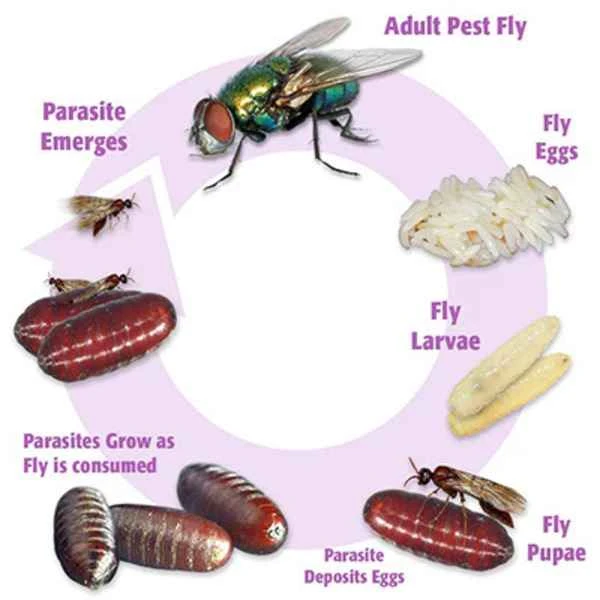
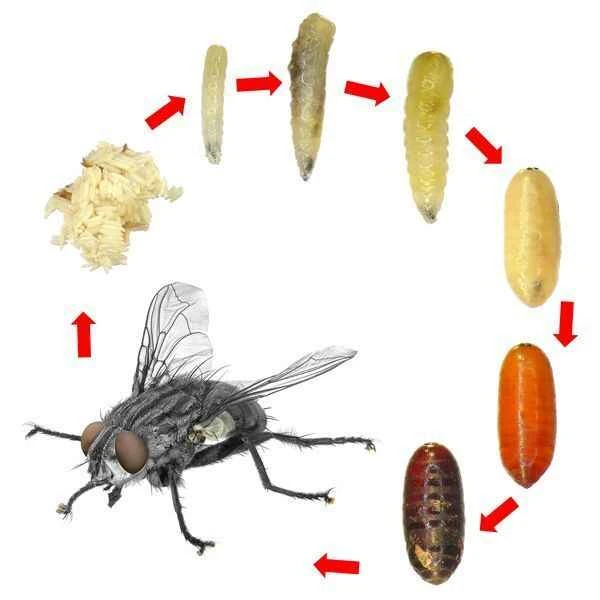
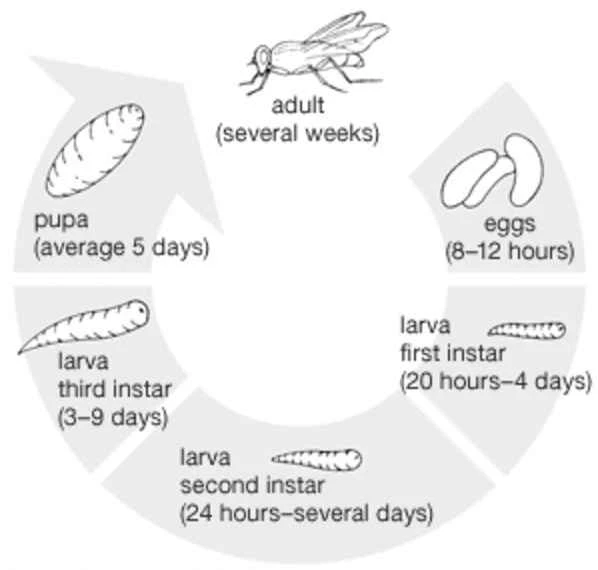
The life cycle of a fly consists of four main stages: egg, larva (maggot), pupa, and adult.
A. Egg stage
Egg laying: Female flies lay hundreds of eggs in suitable environments, usually rotten food, feces or other organic matter, which provide nutrition for the larvae.
Hatching: Eggs typically hatch within 24 hours, but the exact time depends on environmental conditions such as temperature and humidity.
B. Larval (maggot) stage
Feeding: After hatching, the maggots begin feeding on the surrounding organic matter. They possess a powerful digestive system that helps break down and consume decaying matter.
Growth: Maggots grow rapidly, undergoing several molts before reaching full length. This growth phase can last from a few days to a few weeks, depending on the species and environmental conditions.
C. Pupae stage
Transformation: After maturing, the maggots will seek a safe, dry place to pupate. During this stage, they will undergo metamorphosis and transform into adults.
Duration: The pupal stage can last from a few days to a few weeks, again depending on environmental factors.
D. Adult stage
Emergence: After transformation, the adult insect hatches from the pupa. It needs some time for its wings to unfold and dry before it can fly away.
Reproduction: Adults typically live for a few weeks, during which time they mate and lay eggs, continuing their life cycle.
Are maggots harmful to humans?
Maggots themselves do not pose a direct threat to humans, but their presence may indicate an unsanitary environment. Here are some key points about maggots and their potential risks:
1. Indirect risks
Infection : Although maggots do not bite or sting, they can be associated with decaying organic matter, which can breed harmful bacteria. If maggots enter a wound (known as a maggot infection), they can introduce bacteria and cause infection.
Allergic reactions : Some people may be allergic to maggots or their metabolites, causing skin irritation or breathing problems.
2. Myiasis (maggot infection)
Definition : Maggot infection refers to the invasion of living tissue by maggots, usually in open wounds or ulcers. This is more common in animals, but can also occur in people with compromised immune systems or poor hygiene.
Symptoms : Symptoms may include pain, swelling, and a foul odor from the affected area. Medical treatment is usually required to remove the maggots and clean the wound.
3. Food safety issues
Contaminated food : If maggots are found in food, it usually means that the food has spoiled or been contaminated. Eating contaminated food can lead to foodborne illnesses.
4. Hygiene issues
Signs of unsanitary conditions : The presence of maggots often indicates poor hygiene, such as improper food storage or waste disposal. This can lead to more serious health problems if not treated promptly.
While maggots themselves are not dangerous to healthy individuals, they can be associated with unsanitary conditions and infections, especially when they infest wounds. Maintaining good hygiene and cleanliness is essential to prevent maggot infestation and protect health. If maggots are found in food or wounds, it is best to consult a medical professional or take appropriate cleaning measures.
3. The role of maggots in nature
Maggots play an important role in the ecosystem:
Decomposers: They help break down and cycle nutrients, promoting the decomposition process of organic matter.
Food source: Maggots are a food source for a variety of animals, including birds, rodents and other insects.
Medical uses: In medicine, certain types of maggots are used in maggot therapy to help clean wounds and promote healing.
4. Common Misconceptions About Maggots
A. Maggots are dirty.
Although maggots are usually found in decaying matter, they play an important role in decomposition in nature. They are not inherently dirty, but rather reproduce in environments that may be unsanitary to humans.
B. Maggots are dangerous.
Maggots themselves are not dangerous to healthy humans. However, their presence may indicate an unsanitary environment, which could pose a health risk.
5. How to deal with maggots
If you encounter maggots in your home or yard, here are some ways to deal with them:
Cleaning: Remove any rotten organic matter or food sources.
Treatment: Use a vacuum cleaner or a sealed container to remove the maggots.
Precautions: Store food properly and keep it clean to prevent future growth.
Maggots are an important part of nature's decomposition cycle. Understanding how maggots form and their life cycle can help dispel fears and misconceptions about these fascinating creatures. By recognizing their role in the ecosystem, we can appreciate their vital work in cycling nutrients and maintaining natural balance. If you encounter maggots, remember that they are simply part of the life cycle, transforming decay into new life.
What can kill maggots instantly?
Several effective methods can be used to kill maggots immediately. Here are some common methods:
1. Boiling water
Principle : Pouring boiling water directly onto maggots can kill them almost instantly because the high temperature is lethal.
Application : This method is suitable for cleaning maggots from food or garbage.
2. Salt
Principle : Salt dehydrates and kills maggots by drawing water out of their bodies.
Application : Sprinkle salt directly on the maggots or the areas where they appear.
3. Vinegar
Principle : The acidic components of vinegar can directly kill maggots.
Application : Mix vinegar and water and spray it on the maggots.
4. Insecticides
Principle : Commercially available insecticides specifically designed to kill larvae or maggots are effective.
Application : Use safely according to the manufacturer's instructions, ensuring an environment suitable for the presence of maggots.
5. Diatomaceous earth
Principle : This natural powder kills maggots through dehydration and is safe for pets and humans.
Application : Sprinkle diatomaceous earth on the affected area.
6. Bleach
Principle : A solution of bleach and water can kill maggots, but it may be harmful to the environment and surfaces.
Application : Use with caution and ensure good ventilation.
7. Hydrogen peroxide
Principle : Hydrogen peroxide solution can directly kill maggots.
Application : Spray directly onto maggots.
While these methods are effective at killing maggots immediately, addressing the root cause of their infestation is equally important to prevent future occurrences. Remove any organic matter, maintain proper hygiene, and ensure food is stored correctly.
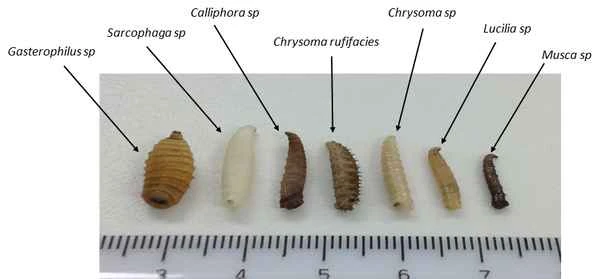
Maggot therapy
Maggot therapy, also known as Maggot Debridement Therapy (MDT), is a medical treatment that uses live maggots to help heal wounds. Below is an overview of maggot therapy, including how it works, its benefits, and precautions.
What is maggot therapy?
Maggot therapy involves applying sterile larvae of a specific fly species (usually the green bottle fly, Lucilia sericata ) to non-healing wounds. These maggots consume necrotic tissue, bacteria, and debris while simultaneously promoting the healing process.
How does it work?
Debridement : Maggots feed on necrotic tissue, effectively cleaning the wound. This process, called debridement, helps prepare the wound for healing.
Reduce bacteria : The enzymes produced by maggots can kill bacteria, thus reducing the risk of wound infection.
Promotes healing : Maggots stimulate the growth of new tissue and blood vessels, promoting faster healing.
Pain relief : Some studies suggest that maggot therapy can reduce pain from chronic wounds.
Indications for use
Maggot therapy is commonly used for:
Chronic non-healing wounds (e.g., diabetic ulcers, pressure sores)
burn
Surgical wound with necrotic tissue
Infected wounds that are unresponsive to traditional treatments
Benefits of maggot therapy
Effective debridement : It is a reliable method for removing necrotic tissue and is usually more effective than surgical debridement.
Reduced antibiotic demand : By reducing the bacterial burden, the need for antibiotics may be reduced.
Cost-effective : In some cases, it may be less expensive than other treatments.
Natural healing : Promotes the body's natural healing process without the need for more invasive surgery.
Precautions and risks
Medical supervision : Maggot therapy should be performed under medical supervision to ensure safety and effectiveness.
Potential discomfort : Some patients may feel uncomfortable or averse to the idea of using live insects.
Allergic reactions : Although rare, some people may have an allergic reaction to enzymes produced by maggots.
Maggot therapy is a unique and effective treatment option for certain types of wounds, especially when traditional methods have failed. Its ability to promote healing and reduce infection makes it a valuable tool in wound care. If you or someone you know is considering this treatment, it is recommended to consult a medical professional to discuss its potential benefits and risks.