The oceans on Earth are vast and cover about 70% of the surface, yet human understanding of them is still less than 5%. The deep sea is like another mysterious world, hiding countless bizarre and incredible creatures, many of which have even overturned human understanding of biological structure and evolution.
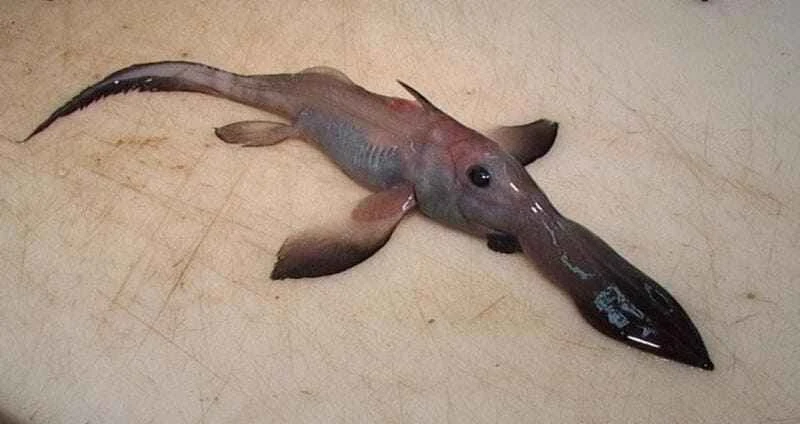
Long-nosed silver shark
Today, we'll take you through a list of the world's ten most bizarre marine creatures, including: the ferocious-looking wolffish, the carpet shark with a flat, carpet-like body, the giant spider-like high-legged crab, the giant isopod known as the "deep-sea armored worm," the goblin shark with its "saw-like mouth," the tardigrade that can survive in extreme environments, the strangely shaped sunfish, the vampire squid that looks like it came from a science fiction movie, the terrifying-looking viperfish, the guzzler eel known for devouring its prey, and the long-legged bullfish with its extra-long tentacles.
And this is just the tip of the iceberg. Don't forget, over 95% of the ocean remains unexplored by humans; we can't imagine how many bizarre or even surreal life forms might be lurking there. Perhaps the deep sea is the closest place on Earth to an "alien world."
1. Wolffish
Wolffish are large, predatory fish that inhabit the seabed. They are often mistaken for moray eels or conger eels, but they are actually a unique branch of catfish. The most representative example is the gray wolffish, which lives in the Atlantic Ocean and is also commonly known as the "flower loach." Bering wolffish, on the other hand, are mainly found in underwater caves, rock crevices, and near coral reefs. Their range is relatively limited, preventing them from swimming freely in the ocean like most fish.
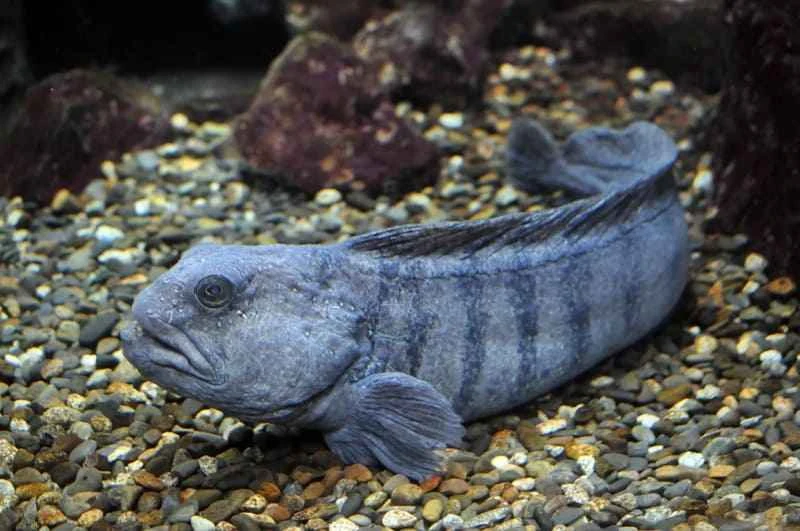
These fish have small dorsal fins and no pelvic fins. They rely solely on a pair of well-developed pectoral fins to "walk" on the seabed. The pectoral fins act like their "limbs," helping them crawl between rocks and the seabed. Wolffish are typical nocturnal animals. They usually hide in caves to rest during the day and begin to hunt for food at dusk, returning to their hiding places at dawn.
2. Carpet Shark
The carpet shark is a bottom-dwelling shark ranging in size from 1.2 to 3 meters, known for its mottled skin and barbed tentacles. These unique features allow it to blend perfectly into the sand or coral background of the seabed, making it almost impossible to spot with the naked eye. Its most remarkable ability is its superb camouflage, enabling it to seamlessly integrate with its surroundings and achieve the effect of "fish hiding on the ground."
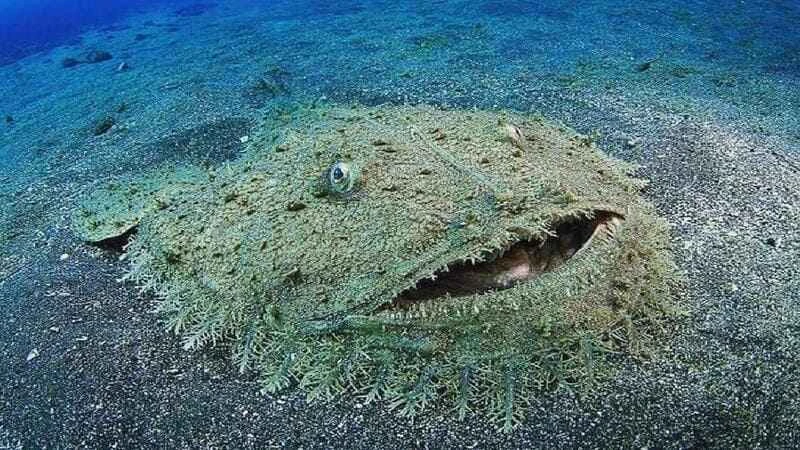
As a typical ambush predator, the carpet shark is extremely patient and cunning. It usually lies in wait on the seabed, launching a sudden attack and swallowing prey whole once it gets close. It is not picky about its food; any prey that enters its attack range is a potential victim. Even more surprisingly, it possesses an exceptionally strong digestive system, easily processing even prey of similar size.
3. Tall crab
The giant cherub, also known as the giant cherub, belongs to the class Malacostraca, order Decapoda, family Scutigidae, and is a representative member of the genus *Macrocherub*. Its size is astonishing; when its claws and walking legs are fully extended, it can reach over 3 meters in length, and if fully upright, its height can exceed 1 meter, making it one of the largest extant arthropods.

To adapt to the deep-sea environment, the slender walking legs and sharp, pointed tips have evolved. This unique structure not only increases its stride length but also enhances its stability and grip on the seabed. It is this long, pointed structure that allows it to move freely through complex terrains such as mud, sand, or rocks, making it a natural "deep-sea traveler."
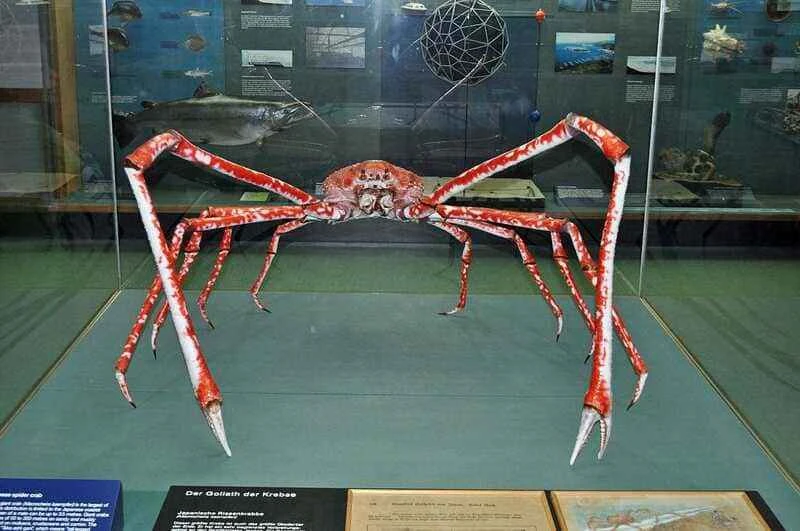
From a physics perspective, the limb structure of the shotcrete crab offers valuable insights into adapting to low-gravity or complex terrestrial environments. If humans were to walk on low-gravity celestial bodies like the moon in the future, we might be able to draw inspiration from the shotcrete crab's gait and foot structure to design wearable devices better suited to the space environment, such as specialized space shoes with pointed soles.
4. King footed insect
The giant isopod, also known as the giant deep-sea isopod or giant isopod, is the largest known isopod, belonging to the phylum Arthropoda, order Isopoda, and family Aeolianidae. This deep-sea creature closely resembles an enlarged version of a woodlice or a terrestrial woodlice, and is often referred to as the "deep-sea crustacean monster."
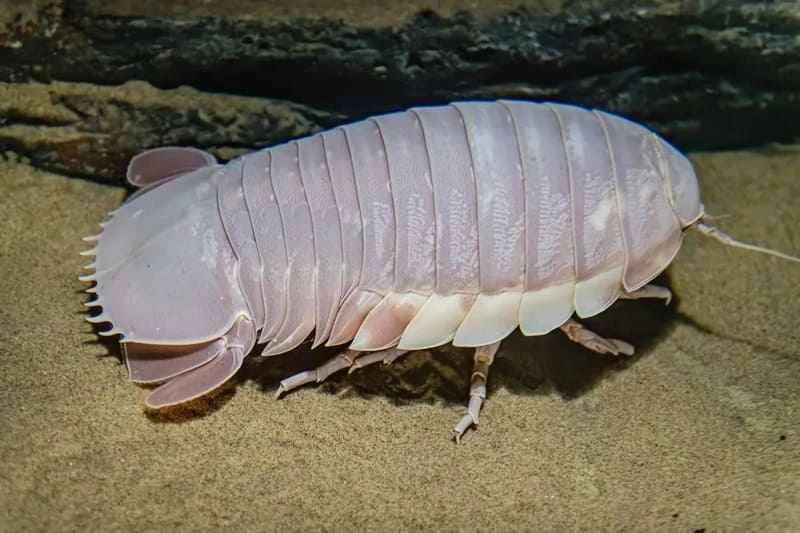
Giant isopods are known for their wide range of diets, primarily carnivorous, typically feeding on the carcasses of animals that have sunk to the seabed, such as whales, squid, and fish, making them true "deep-sea scavengers." In addition to cleaning up debris, they sometimes actively hunt slow-moving or less defensive marine organisms, such as sea cucumbers, sponges, nematodes, and radiolarians.
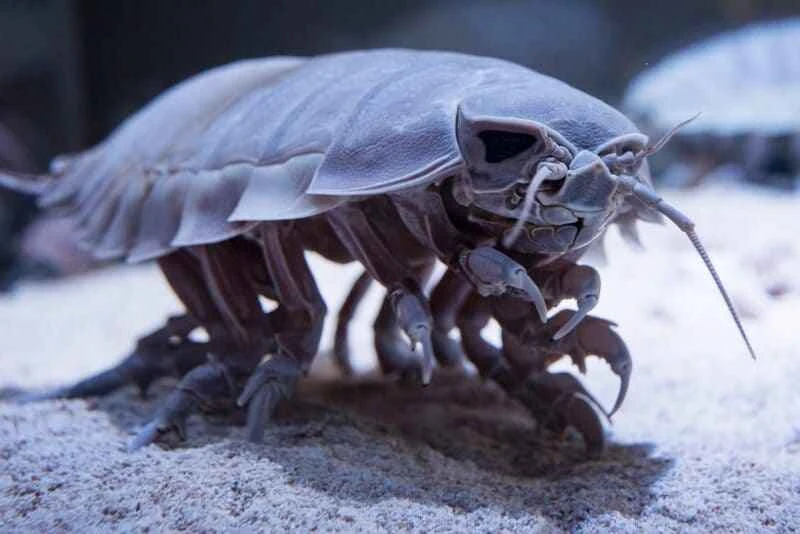
Despite their tough and imposing appearance, giant isopods move very slowly, making them typical slow-living species of the deep sea. However, what's truly amazing is their incredible ability to withstand hunger. In environments with extreme food scarcity, they can survive for up to five years with an extremely low metabolic rate, maintaining life even with almost no food intake – truly "masters of deep-sea survival."
5. Swordfish
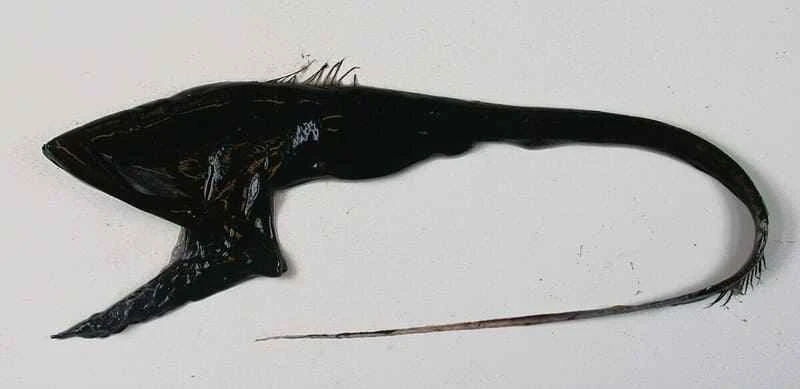
The goblin shark, also known as the goblin shark or goblin shark, is the only extant species in the goblin shark family and is considered a mysterious representative of the deep-sea world. They typically inhabit deep-sea areas where sunlight cannot reach, usually in waters deeper than 200 meters.
The most distinctive feature of this shark is its prominent, long, sword-like snout, which not only conceals its sharp, dense teeth but also contains numerous electrosensory organs used to detect the faint bioelectric signals of its prey. The European sharp-snouted shark has a pale pink body, but due to light refraction in the deep sea environment, it often appears darker or even black in the water.
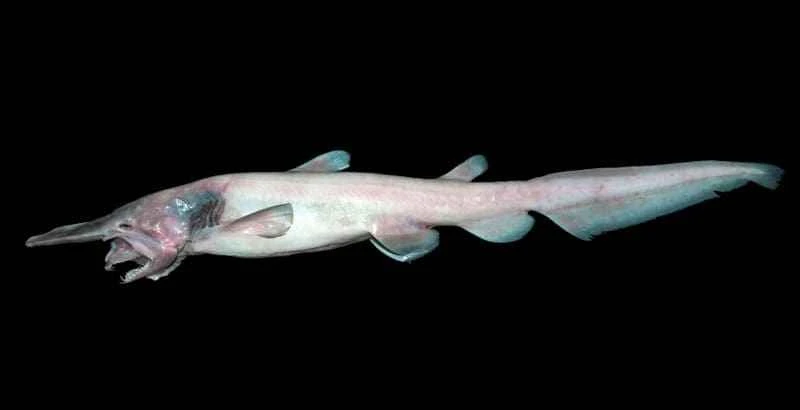
They attack with extreme speed, using their powerful, outstretched jaws to quickly capture prey, making them highly efficient deep-sea predators.
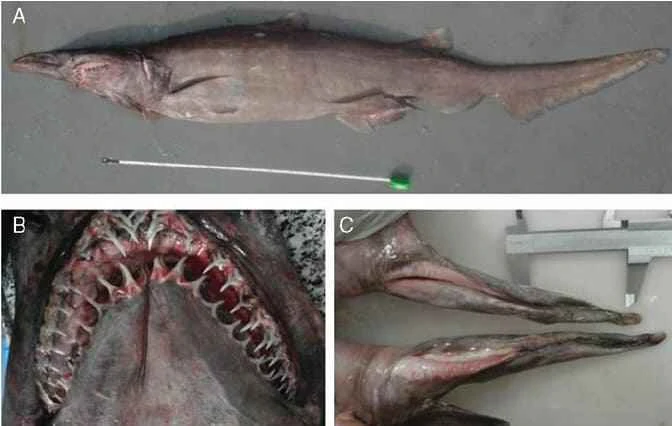
The European sharp-snouted shark is distributed along the coast of Japan, parts of the Indian Ocean, and deep waters around South Africa. Due to its bizarre appearance and rarity, it is also known as a mysterious "living fossil" shark.
6. Water bear
Tardigrades, also affectionately known as "little beauties," are a general term for microscopic organisms in the phylum Tardigrade. More than 900 species have been recorded, many of which are widely distributed globally. Tardigrades are extremely small, ranging from about 50 micrometers to a maximum of 1.4 millimeters, requiring a microscope for clear observation.
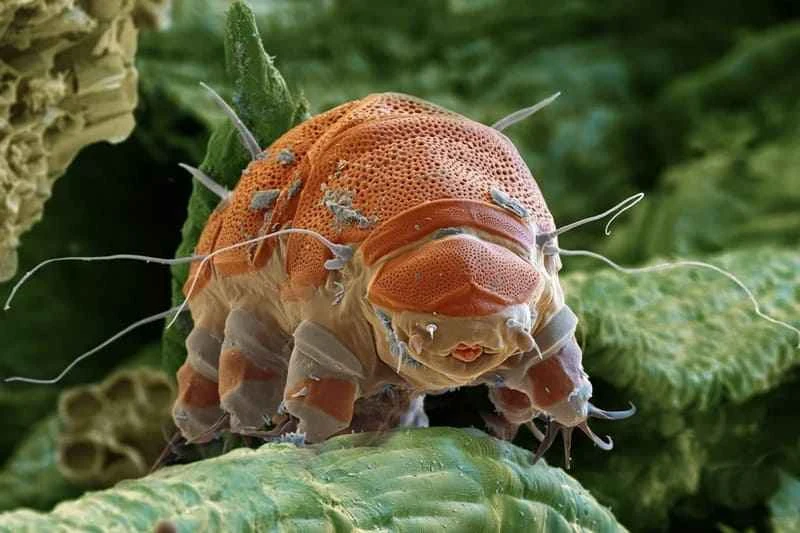
Their bodies are covered with a thin film of water, which not only helps them stay moist and prevents them from drying out, but also allows them to absorb oxygen and breathe through the water film. When the environment is extremely dry or deteriorates, tardigrades quickly enter a protective mechanism called "cryptobiosis"—they shrink their bodies into a barrel shape, lose water, and enter a state where they almost completely stop life activities, but still manage to survive.
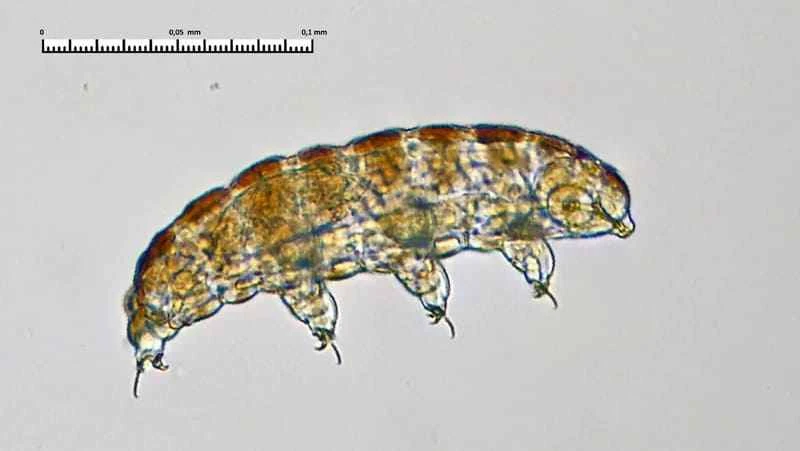
This extreme resilience allows tardigrades to survive in a variety of harsh environments, including extreme low temperatures, boiling water, severe dehydration, vacuum environments, and even intense radiation. In space experiments, they have even successfully "traveled" through the radiation and low pressure of space without protection, making them one of the most resilient "superorganisms" on Earth.
7. Sunfish
The ocean sunfish (scientific name: *Mola mola* ), also known as the mola mola or headfish, is one of the representative pelagic fish in the family Molidae, famous for its unique appearance. They have a short, stout body, with the posterior half abruptly cut off after the towering triangular dorsal and anal fins, presenting a peculiar "tailless" appearance. The fish has a laterally flattened body, tough skin, a small mouth, and teeth fused into a beak-like structure, making it look quite bizarre.
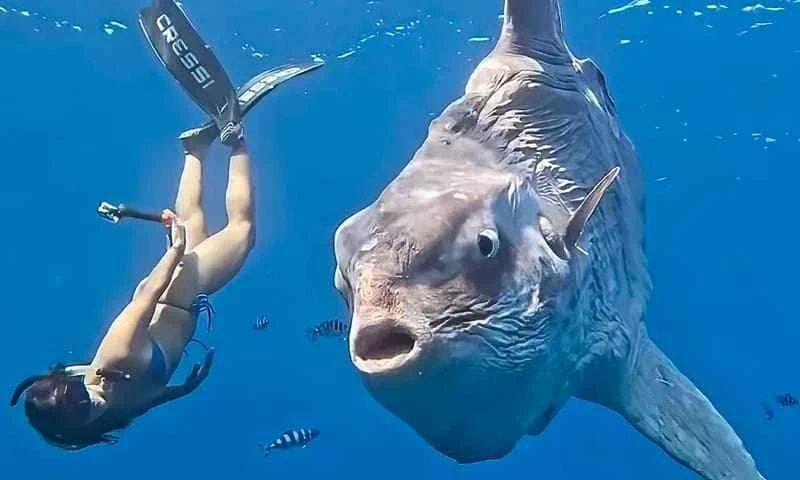
The most well-known of these is the common ocean sunfish ( Mola mola ), which is enormous, with a body color that is generally gray or light brown. Individuals can reach a length of up to 3.3 meters and a weight of over 1,900 kilograms (about 4,000 pounds), making it one of the heaviest living bony fish.
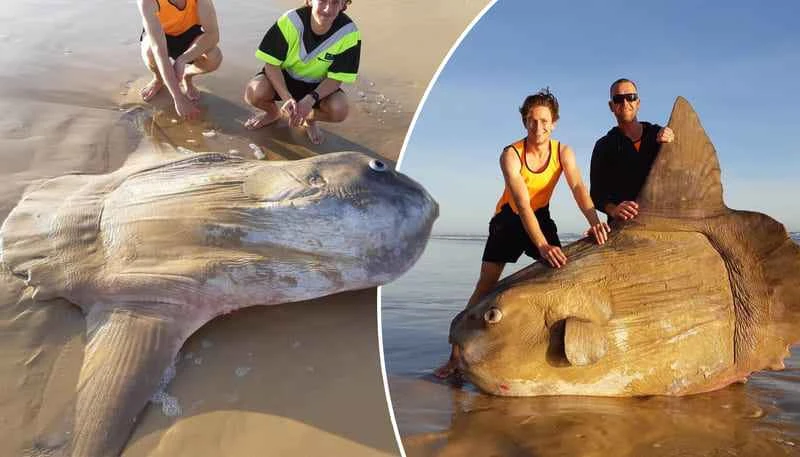
The ocean sunfish is widely distributed in temperate and tropical waters around the world, and is also frequently found in the South China Sea and East China Sea of my country. It usually inhabits the surface waters near the coast and is a typical large pelagic fish.
8. Vampire Squid
The vampire squid, also known as the ghost squid or octopus, is a mysterious deep-sea creature that looks as if it stepped straight out of a midnight horror movie. Its body is soft and jelly-like, resembling a jellyfish rather than a traditional squid or octopus. It possesses a pair of large, ear-like fins, which are actually flippers that help it swim, making it highly recognizable.
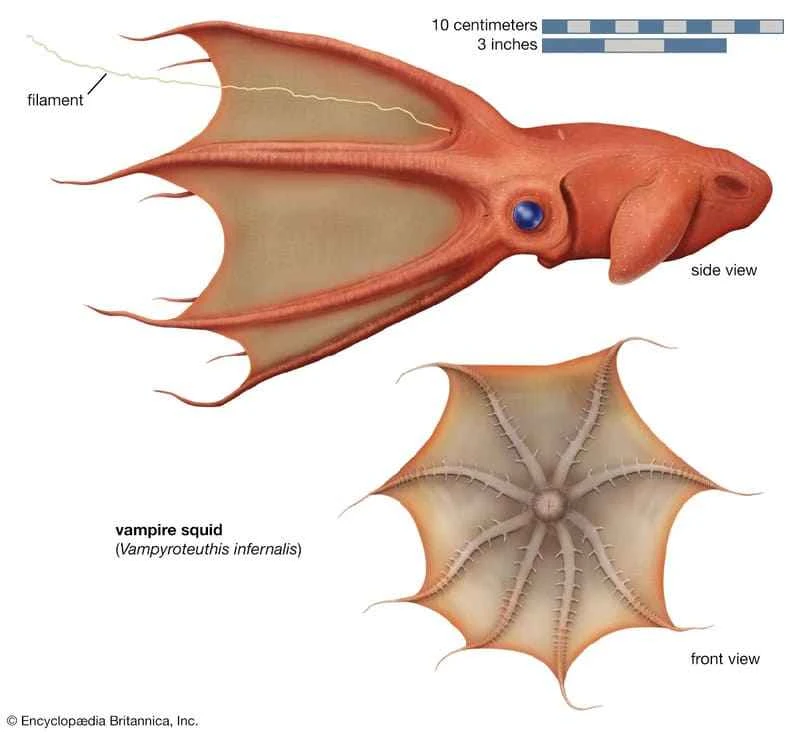
The most striking feature of the vampire squid is its pair of large, sapphire-blue eyes. Although it is only about 15 centimeters long, its spherical eyes are almost the size of the eyes of a large dog, making it one of the animals with the largest eye-to-body ratio known.
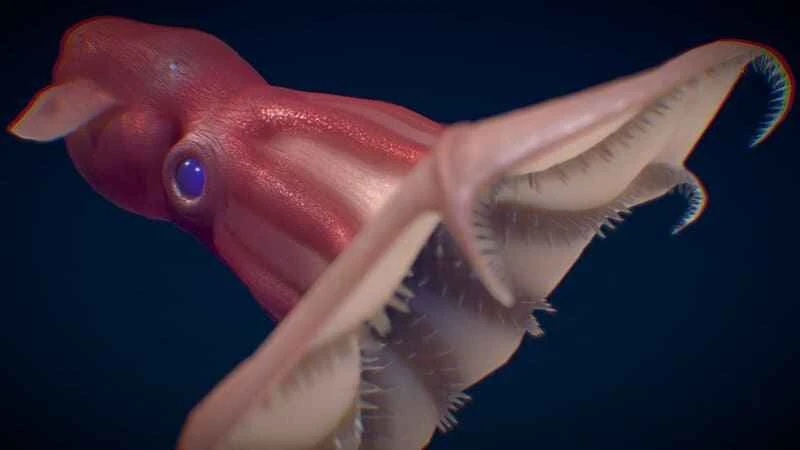
This creature is not slow-moving; in fact, it swims incredibly fast, accelerating to two body lengths per second within five seconds. When threatened by predators, it can even make quick, sharp turns to nimbly escape its enemies. Its flippers, like those of penguins or sea turtles, are used for propulsion, allowing it to move nimbly and gracefully in the darkness of the deep sea.
9. Viper
Viperfish are typical deep-sea bioluminescent fish that live in warm waters. They are small but very distinctive. They have slender, laterally flattened bodies, and adults are usually less than 35 centimeters long. Viperfish have large heads and eyes, short snouts, and wide-open, slightly angled mouths, making them appear quite ferocious.
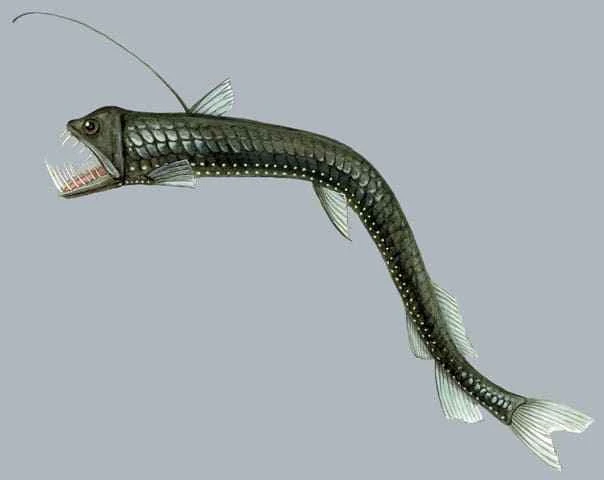
One of its most distinctive features is its pair of exceptionally sharp fangs, especially the lower jaw's fangs which curve backward, almost touching its eyes. The viper's lower jaw also has a short barbel, while the first dorsal fin ray is thin and long, positioned near the top of the pectoral fin.
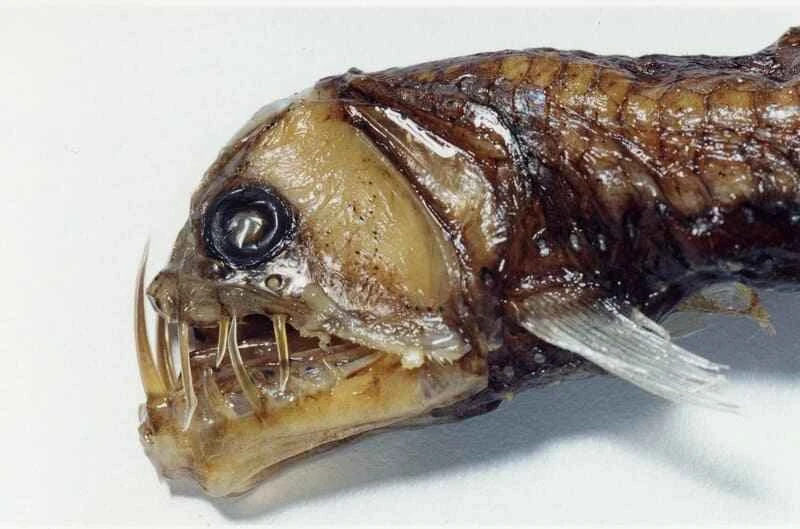
As predators of the deep sea, vipers are excellent hunters. They attract prey with their bioluminescent organs in the dark ocean, then pounce on their target at incredible speed, pinning it down with their sharp teeth, leaving the prey with almost no chance of escape.
10. Devouring eel
The gull eel is a typical deep-sea fish, known for its unusual appearance. The name usually refers to two different species, one reaching up to 1.8 meters (about 6 feet) in length, and the other relatively smaller, reaching a maximum length of only about 75 centimeters (30 inches). They are widely distributed, inhabiting the deep sea areas of almost all of the world's oceans, living at depths of 1,500 to over 1,800 meters.
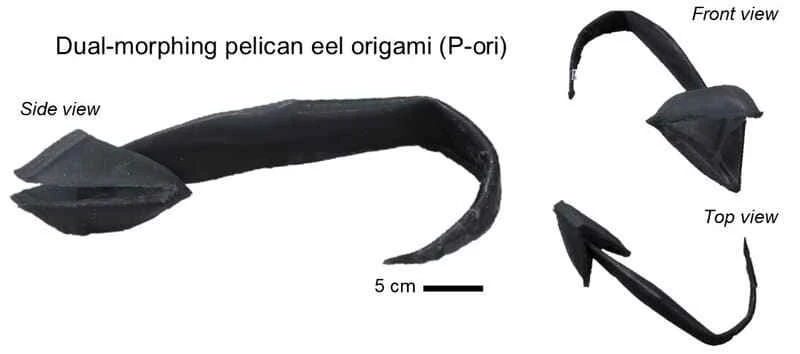
The most striking feature of the gull eel is its exaggeratedly large mouth. Unlike most fish, it lacks a flexible upper jaw, instead relying on an extremely loose lower jaw connected to its head, and its mouth almost never closes completely. This structure allows it to swallow prey larger than its own body, enabling it to survive even in resource-scarce deep-sea environments.
Other bizarre marine creatures:
Roboastra gracilis | A tiny sea slug, only 2-2.5 cm (0.78-0.98 inches) long, found in the tropical western Pacific.
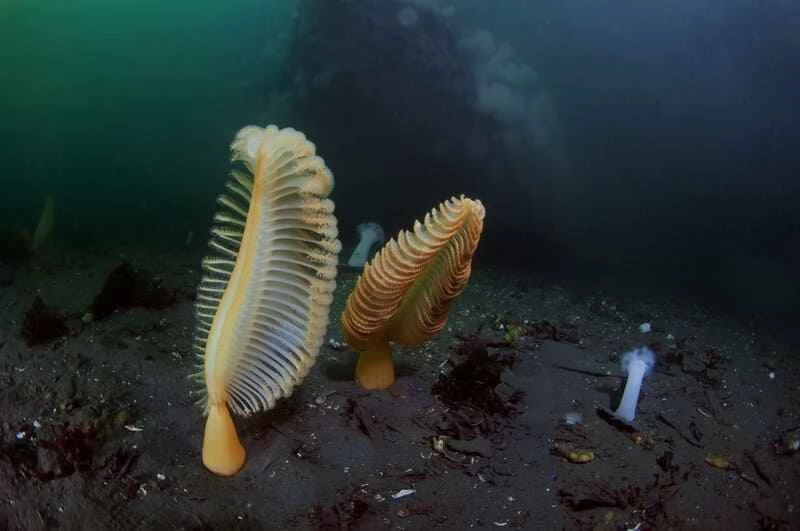
Sea Pens | These feather-like, gregarious invertebrates live in shallow and deep waters ranging from the polar oceans to the tropics.
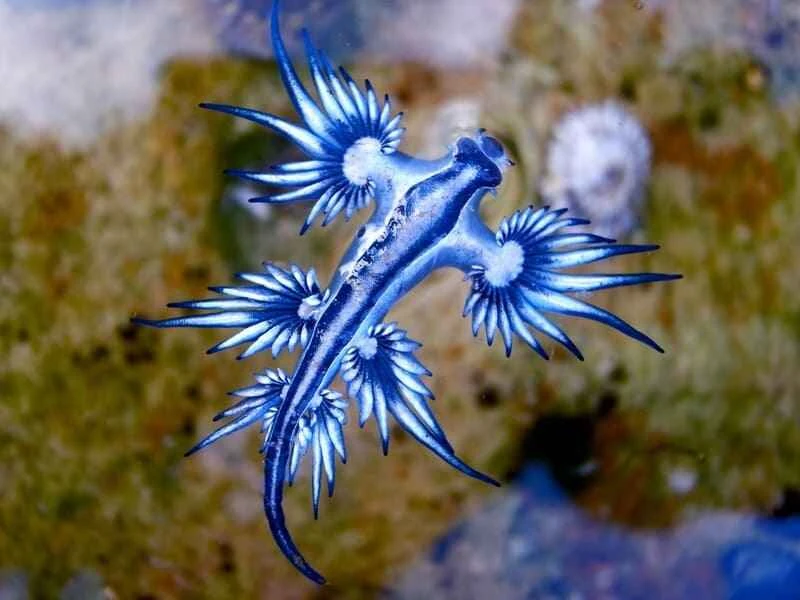
Glaucus atlanticus | This creature, known as the blue sea dragon, rarely exceeds 3 centimeters in length and has been recorded in the Atlantic, Indian, and Pacific Oceans.
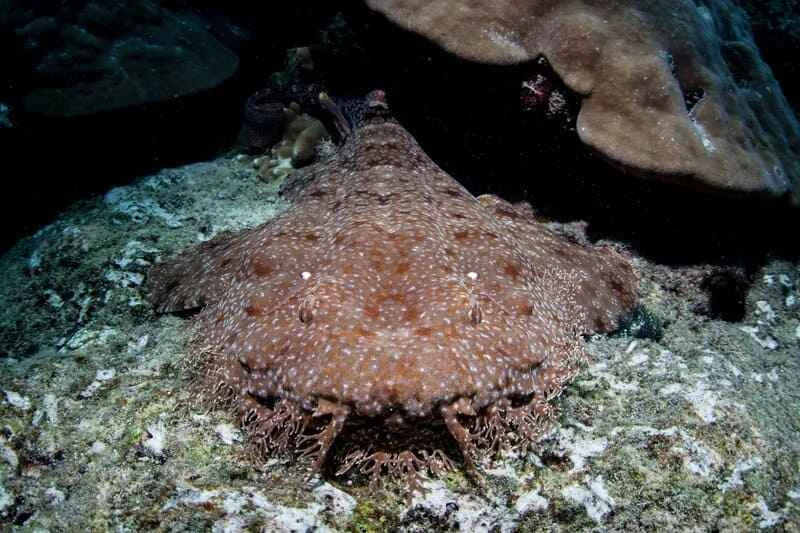
Spiral barbel shark | This fish is a type of carpet shark that inhabits shallow coral reefs in northern Australia, New Guinea, and nearby islands.
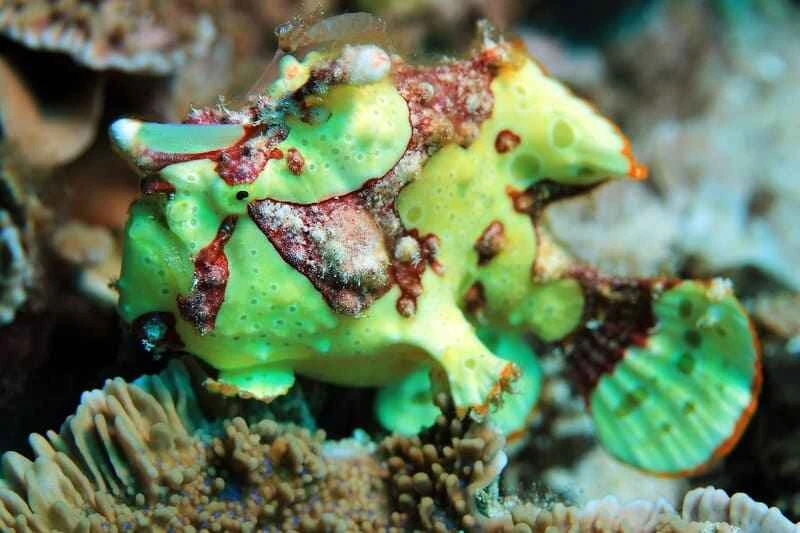
Clown frogfish | This creature can change color to adapt to its environment and lives in tropical waters of the Indo-Pacific region.
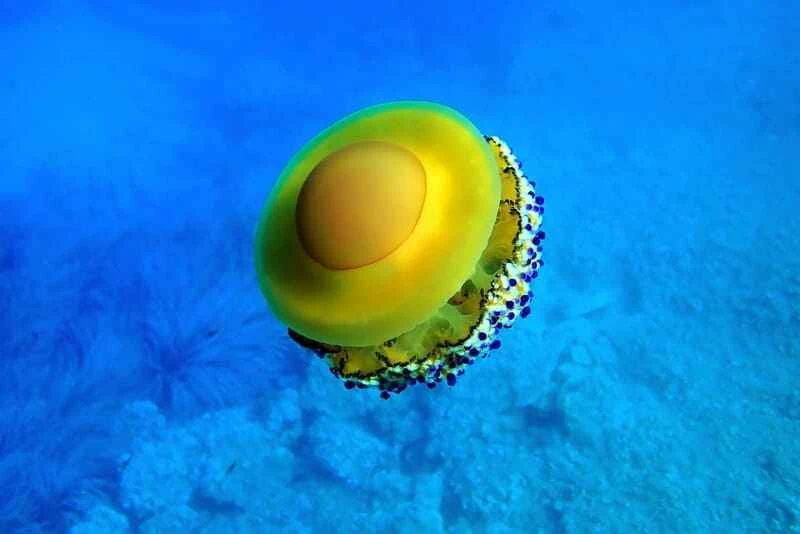
Fried Egg Jellyfish | This accurately named cold-water jellyfish is quite large, reaching up to 60 centimeters in diameter and with tentacles up to 6 meters (19.7 feet) long. Although not numerous, they are distributed in many ocean areas around the world.
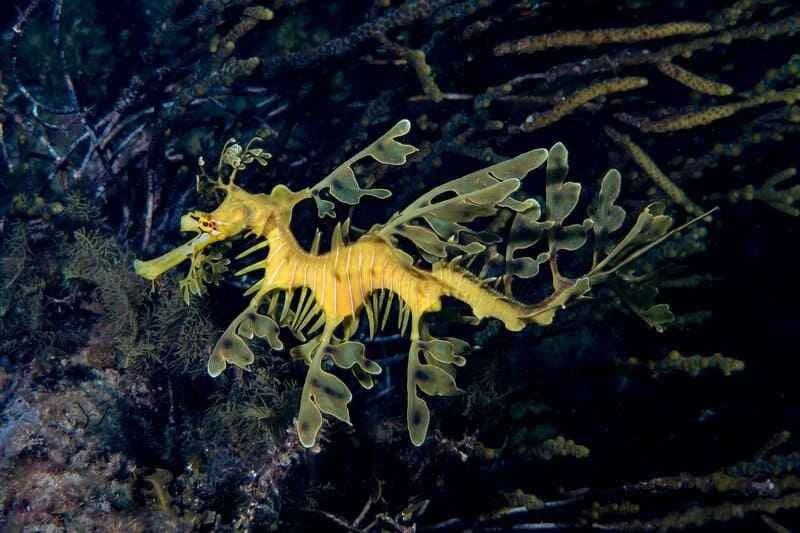
Ye Hailong | Ye Hailong is good at camouflage and lives on the southern and western coasts of Australia.
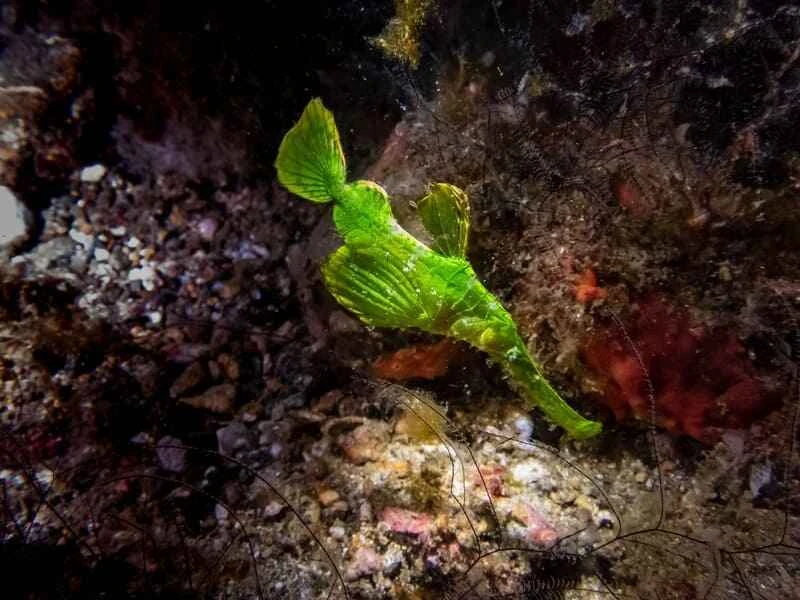
Halimeda (Ghost Seadragon) | This uncommon species lives in the Indian Ocean and the western Indo-Pacific region and is related to seadragons and seahorses.
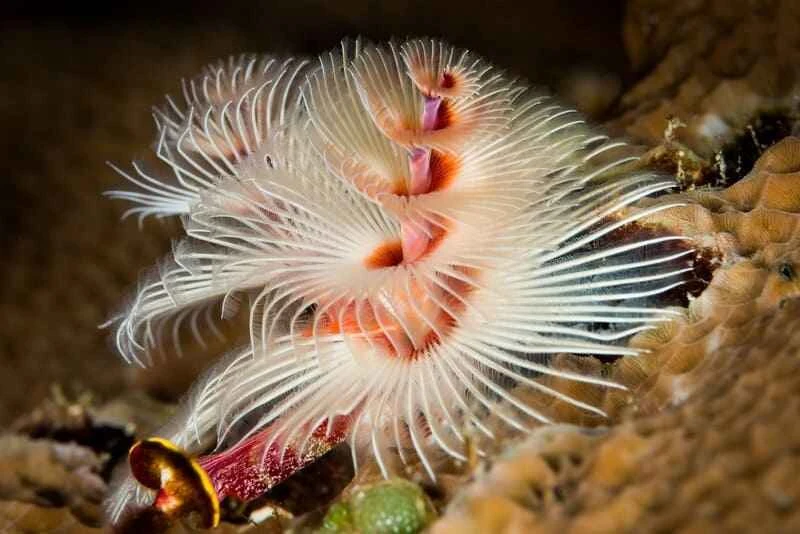
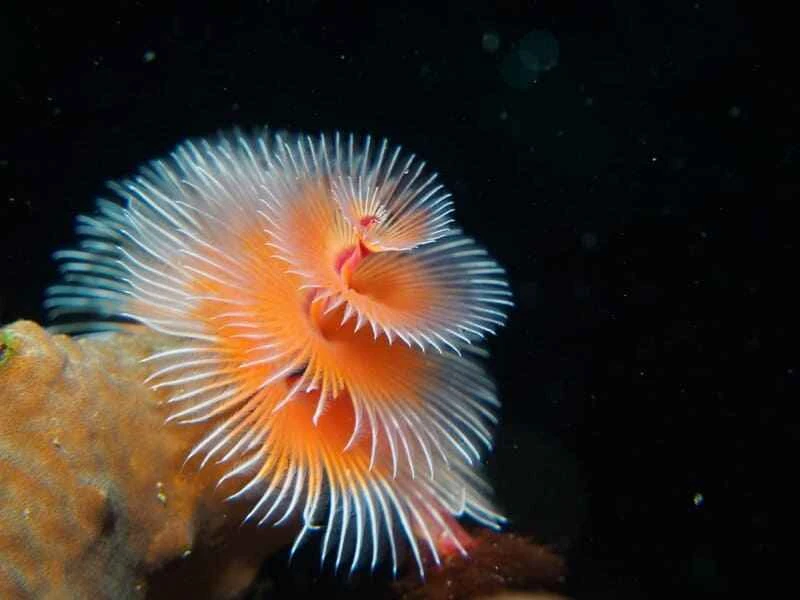
The Christmas tree worm, Spirobranchus giganteus, is a tubular polychaete worm found in waters ranging from the Caribbean Sea to the Indo-Pacific Ocean.
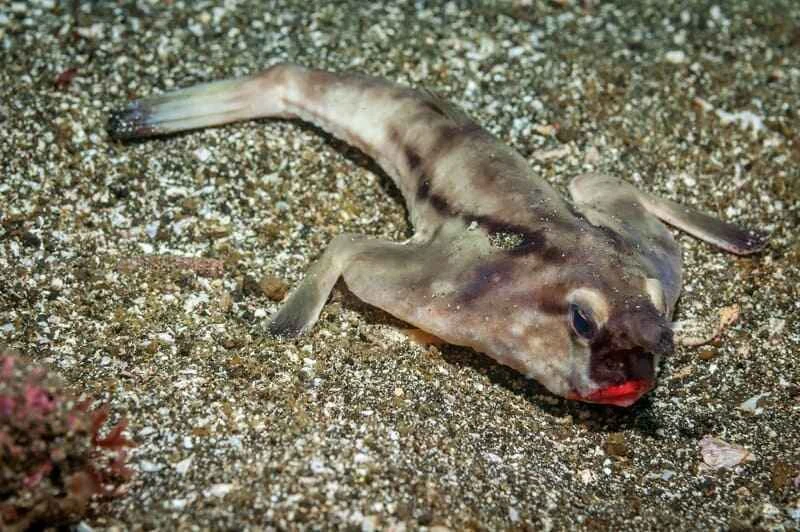
Red-lipped Batfish | This uniquely shaped fish lives in the Galapagos Islands and near Peru.
The list of the world's ten strangest marine creatures is compiled based on their appearance, behavior, and other relevant information, while also referencing online rankings and lists. This list is for reference only and aims to help you understand the unusual creatures that inhabit the sea. If you have any questions, please feel free to comment or offer corrections at the end.