Different eras demanded different survival skills from animals. In ancient times, large size and ferocious behavior were once the most important characteristics for animals. Currently, 593 species of birds, over 400 species of mammals, 209 species of amphibians and reptiles, and over 20,000 species of higher plants are endangered worldwide. Survival of the fittest prevails. Below, we have compiled a list of some extinct animals.
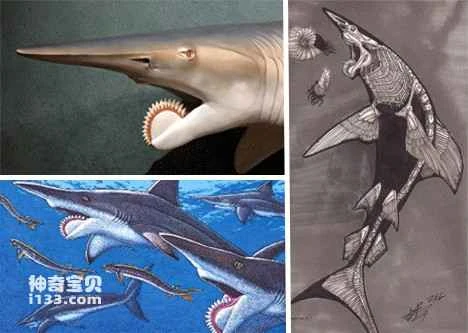
1. Helicoprion
Helicoprion lived 300 million years ago. Its jaws were low-set, and its teeth were arranged in a shape somewhat like a circular saw. New teeth would continuously grow in, pushing the older ones forward. Scientists still have some disagreement about the exact location of this bizarre tooth structure, but whether it was inside the mouth or deep in the throat, it was a unique and astonishing feature.
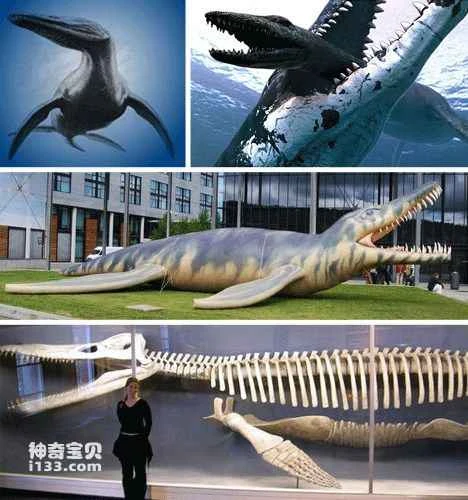
2. Upper Dragon
Pliosaurus once inhabited the oceans, possessing immense strength and terrifying speed that gave them astonishing attack capabilities. With short necks but enormous jaws, they were highly efficient killing machines. Based on the largest pliosaurus skeleton fossil discovered to date, this animal could reach an incredible length of 52 feet (approximately 15.84 meters), with its head alone measuring nearly 8 feet (approximately 2.43 meters).

3. Giant ape
Gigantopithecus may have been the prototype for King Kong. They were similar in appearance to modern apes, but significantly larger. Gigantopithecus was the most muscular ape in history, reaching nearly 10 feet (approximately 3.04 meters) in height and weighing over 1000 pounds (approximately 453 kilograms). They were distant relatives of modern orangutans, a factor considered in the vast majority of related artwork.
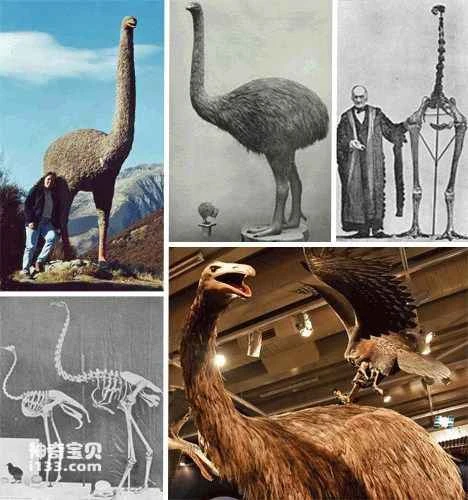
4. Moa
The moa was a flightless bird that lived in New Zealand around 1500 BC. It became extinct due to relentless hunting by Maori tribes. Despite its physical advantages, this was not enough to protect it from human spears. The moa could reach 12 feet (about 3.65 meters) in height and weigh over 500 pounds (about 227 kilograms), making a modern ostrich appear as a dwarf in comparison.
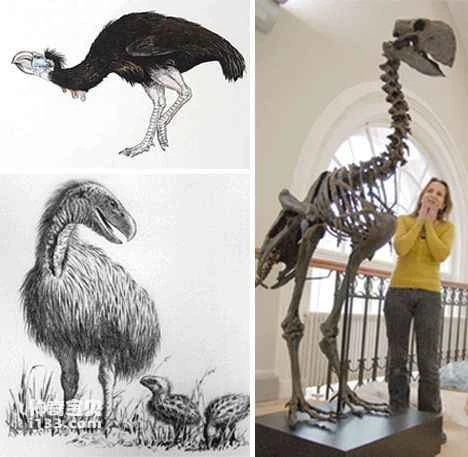
5. Goshawk
Gaston's bird, also known as the "Grossbill bird" or "crowned terror bird," is another terrifying large flightless bird. Its most frightening feature is its large beak, which conveys the message, "I am a carnivore."
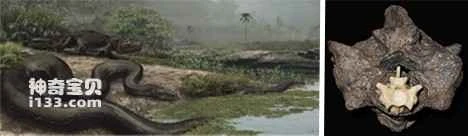
6. Titanoboa
Titanoboa could reach lengths of up to 50 feet (approximately 15.24 meters) and weigh over 2,500 pounds (approximately 1,134 kilograms), figures that speak volumes about their terrifying size. Having gone extinct nearly 58 million years ago, they were, in essence, an enlarged version of modern pythons.
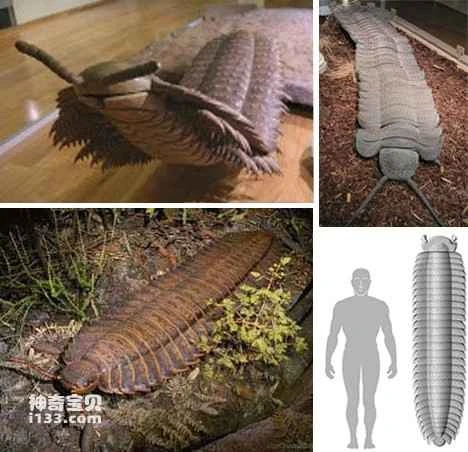
7. Ancient centipede
Ancient centipedes, reaching lengths of up to 8.5 feet (approximately 2.59 meters), were every homeowner's worst nightmare. Resembling modern centipedes, they were among the first invertebrates to appear on land, and almost no other animal considered them a meal. Fortunately, these creatures lived over 300 million years ago and will never suddenly appear in anyone's hallway.
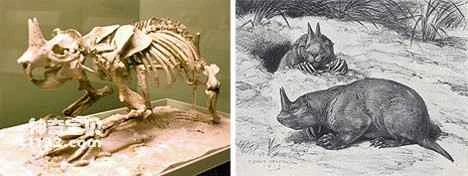
8. Horned hamster
Even the smallest animals deserve our attention, and the horned gopher (Ceratogaulus Rhinoceros) is no exception. As the smallest horned mammal, they certainly deserve our recognition. Scientists initially thought the horns were digging tools, but now the vast majority agree that they served as defensive weapons.
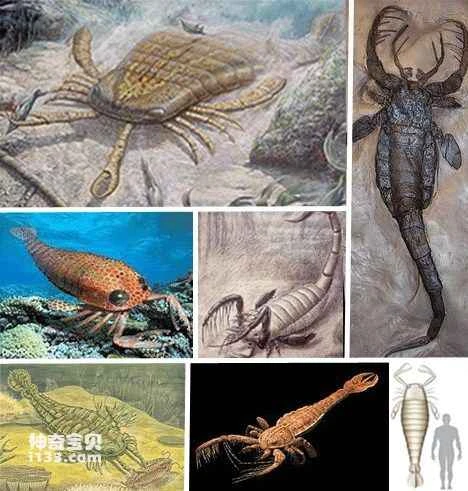
9. Giant horseshoe crab
The giant equine horn crab is similar to Arthropleuria, except that the former lived in the ocean. This "sea scorpion" (which only resembles a scorpion in appearance) was over 8 feet (about 2.43 meters) long and was the largest toy-like crayfish, living 390 million years ago.
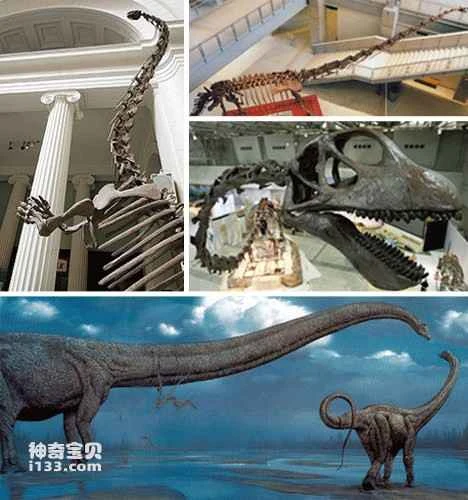
10. Mamenchisaurus
Mamenchisaurus closely resembles another famous dinosaur, Brontosaurus, with the only difference being the length of its neck. Their necks could reach up to 46 feet (approximately 14.02 meters) in length, accounting for half of their total body length. Mamenchisaurus was a herbivorous dinosaur that lived 150 million years ago.

11. Giant Short-faced Kangaroo
The giant short-faced kangaroo could reach 10 feet (about 3.04 meters) in height and weigh up to 500 pounds (about 227 kilograms), sharing some similarities with its modern relatives. However, it differed in that it had a shorter face and minor differences in its feet. The giant short-faced kangaroo lived about 18,000 years ago, and human activity ultimately led to its extinction.
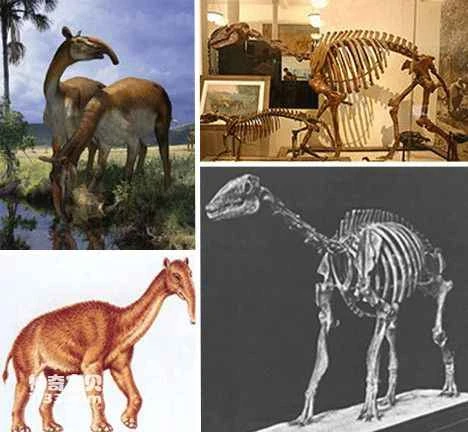
12. Long-necked camel
The long-necked camel lived approximately 20,000 years ago and was first discovered by Charles Darwin during his voyage aboard the HMS Beagle. In appearance, this animal resembled a hybrid of different species, possessing a long, elephant-like trunk but a smaller size, with a body shape reminiscent of a camel. Due to its large size, it couldn't possess great speed, and relative to potential predators, its small size was insufficient to scare them away, thus it rarely had many opportunities to escape.
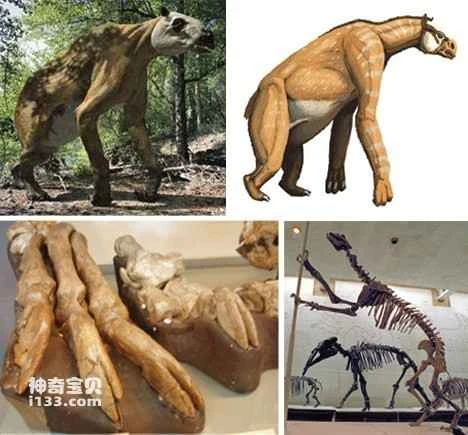
13. Sand Beast
The sand golem was enormous, walking on its hind legs and joints, using its long arms to pull down branches from high places and then eat the leaves. They moved slowly, spending most of their time eating leaves. Their only defenses were their massive size and the claws on their forelimbs, all weapons capable of withstanding attacks from modern predators. While this seems incredible now, it was quite common at the time.

14. North American White Wolf: Extinct in 1911
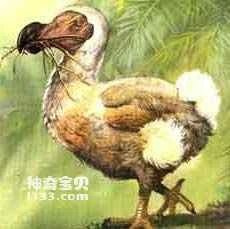
15. The dodo, extinct in 1799. Those who have been to the Cape of Good Hope should know that there is a peculiar bird there. That is the dodo. This bird was discovered by humans, but it became completely extinct within just 200 years due to hunting and human activities. It can be said to be one of the most famous extinct animals besides dinosaurs.
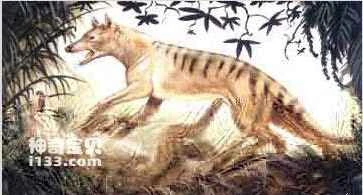
16. The Tasmanian tiger, a species unique to Australia, was ultimately wiped out by invaders; both became extinct in 1936.
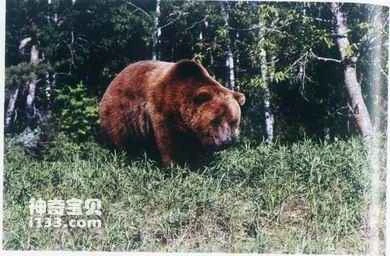
17. Atlas bear: Extinct since 1870
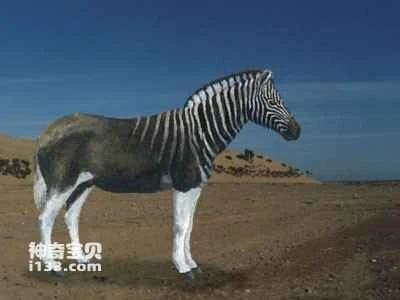
18. Quagga: Extinct in 1883
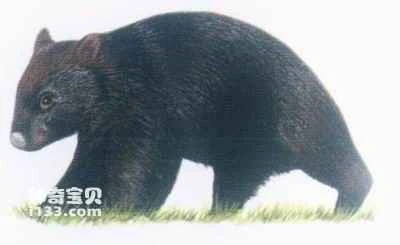
19. Queensland Hairy-nosed Wombat: Extinct since 1900
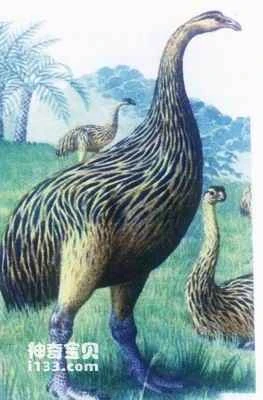
20. Moa: Completely extinct by 1800.
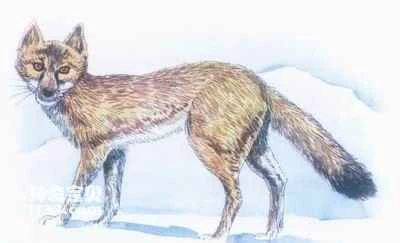
21. Southern California Cat Fox: Extinct in 1903
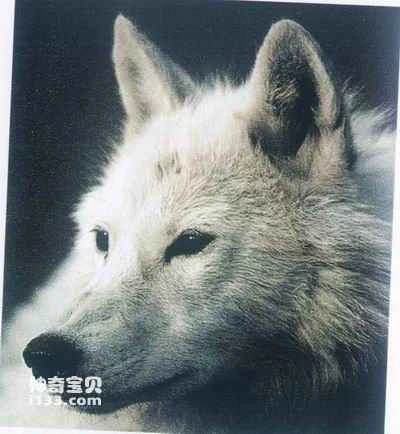
22. Antarctic wolf: Extinct in 1875.
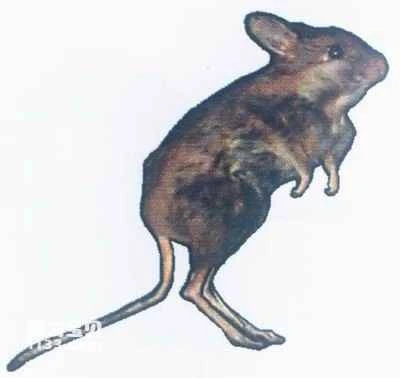
23. Christmas Island Tiger Rat: Extinct since 1900
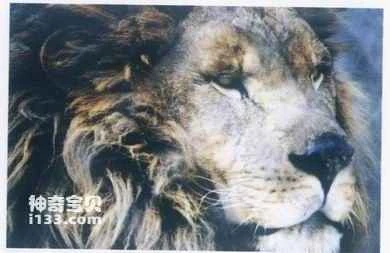
24. West African lion: Extinct in 1865
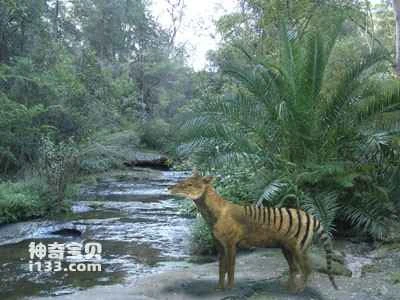
25. Western bandicoot: Extinct in 1910
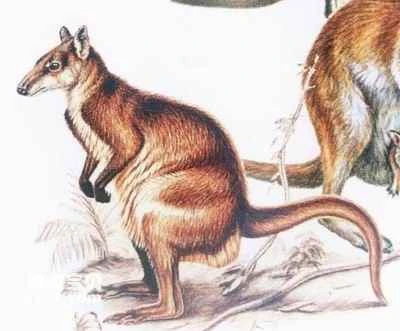
26. Striped kangaroo: Extinct in 1906
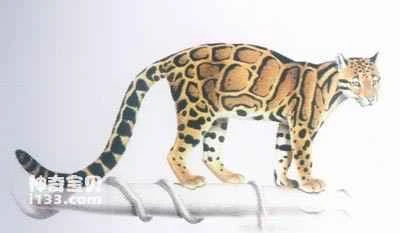
27. The Formosan clouded leopard went extinct in 1972.
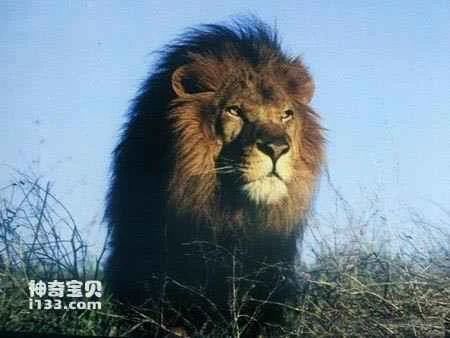
28. Asia Lion
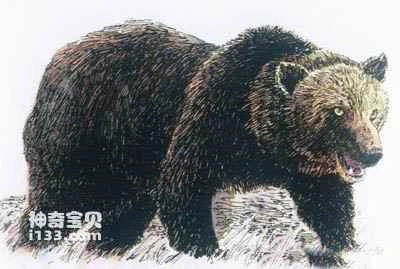
29. Once the world's most ferocious bear, the Kamchatka brown bear claimed countless lives and became extinct in 1920.
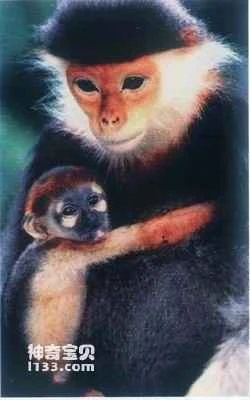
30. Chinese White-rumped Langur: Extinct in 1882.

31. Chinese rhinoceros: Extinct in 1922
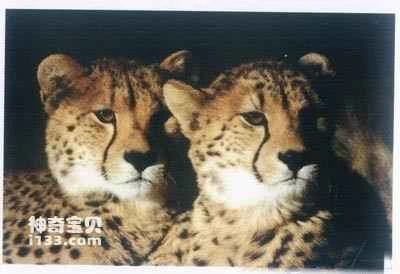
32. The last sighting of the Asiatic cheetah was in southern India in 1948.
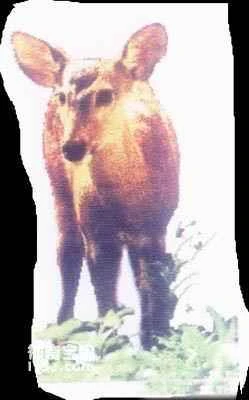
33. The Chinese hog deer became extinct in 1960.
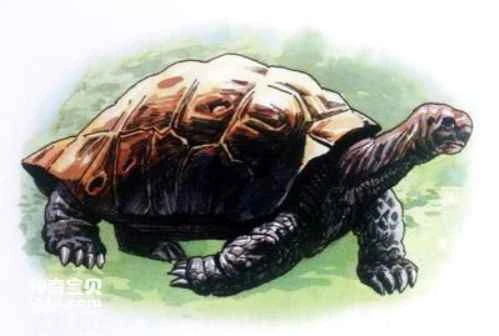
34. Giant tortoise: Extinct since 1918
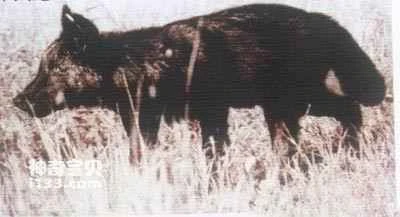
35. The New Mexico wolf went extinct in 1920. The reason was simple: drought and hunting!
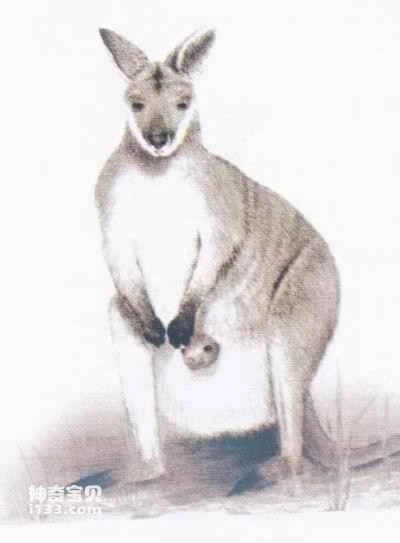
36. New South Wales White Kangaroo, extinct in 1927. Praised by the Queen of England as the most beautiful animal in Australia, the white kangaroo finally disappeared in 1927. There were not many to begin with, and conservation efforts began too late.
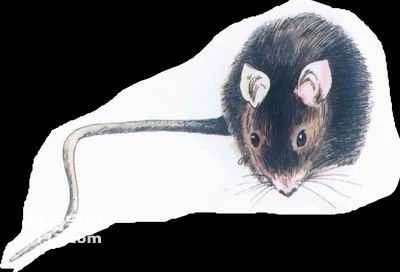
37. Jamaican hamster: Extinct since 1880
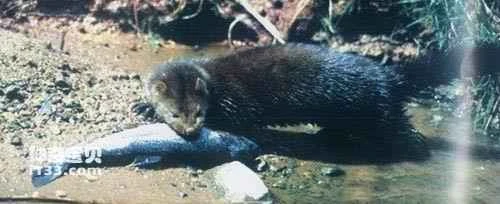
38. The Eurasian mink went extinct sometime between 1995 and 1999. The reason for its extinction was, of course, its valuable fur.
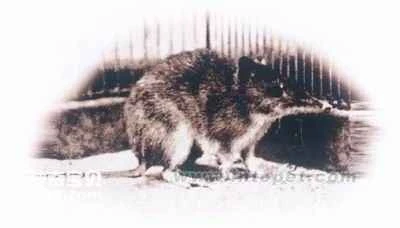
39. Australian Giant Banded Fox: Extinct in 1930
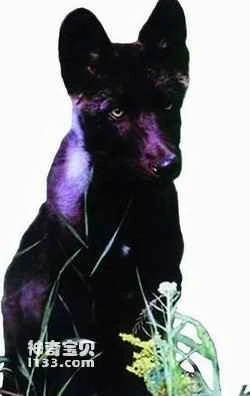
40. Florida Black Wolf: In 1917, a Florida black wolf was killed. It was said to be a cub. Since then, no one has seen a Florida black wolf.