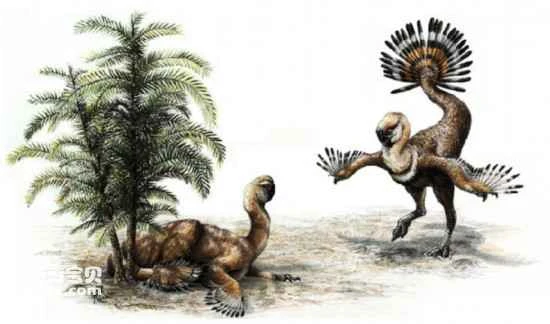
1. Dinosaurs also used tail wagging to court. Scientists reached this conclusion after studying small flightless dinosaurs, modern birds, and reptiles. Oviraptorosaurs had strong, flexible tails covered in colorful feathers, which they used to flaunt. "Such a tail was perfect for showing off their feathers," said Scott Pisens, the paper's author.
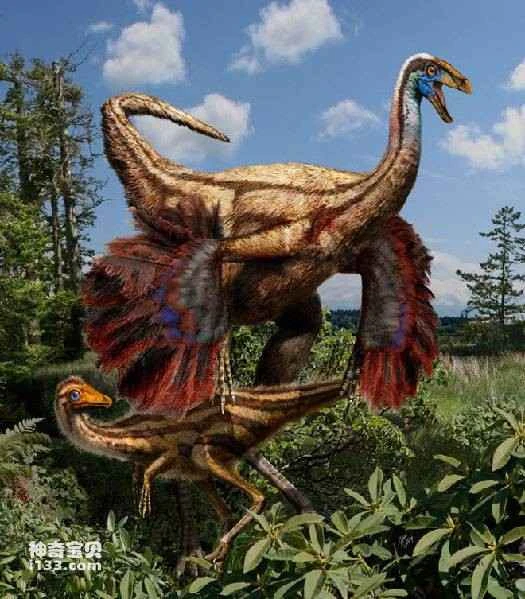
2. The origin of winged flight has long been a hot topic of discussion in paleontology. According to a 2012 research paper published in *Science*, dinosaurs may have evolved wings and feathers earlier than previously thought. In a detailed study of the fossils of *Edmontosaurus*, scientists discovered wing-like forelimbs and hundreds of filamentous traces, indicating that they possessed feathers.
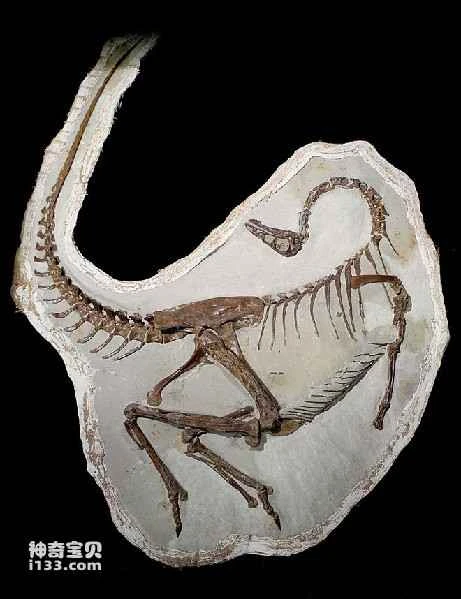
3. The fossil record of the ornithomimid dinosaur group predates that of Maniraptor by millions of years. This discovery suggests that wings and feathers appeared earlier than previously thought. However, ornithomimids were not flying dinosaurs. Researchers estimate that they weighed around 150 kilograms, and their wings may have served other functions, such as courtship or incubating young.
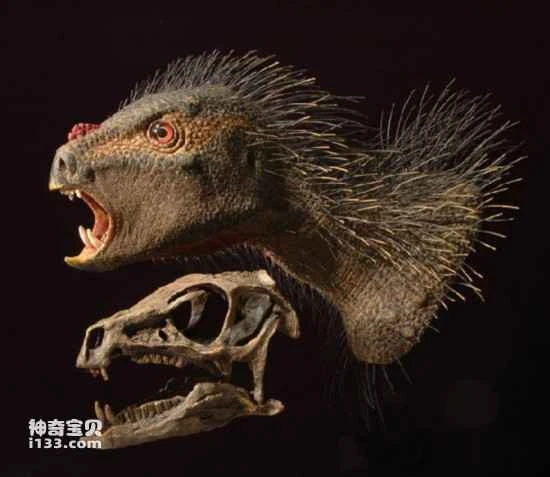
4. The African Pachygnathus had a short beak similar to a parrot and long teeth, like self-sharpening scissors, making it one of the most advanced herbivorous dinosaurs discovered to date. This dinosaur was smaller than a domestic cat and may have been covered in bristles similar to those of a porcupine, possibly using its sharp teeth for self-defense and to fight rivals during courtship.
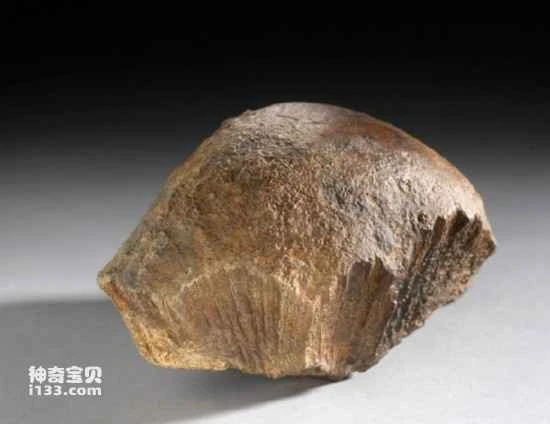
5. *Acrotholus audeti* is the oldest crested dinosaur discovered in North America, and possibly the oldest crested dinosaur in the world. Scientists confirmed the existence of this dinosaur based on two skull fragments discovered in southern Alberta, Canada.
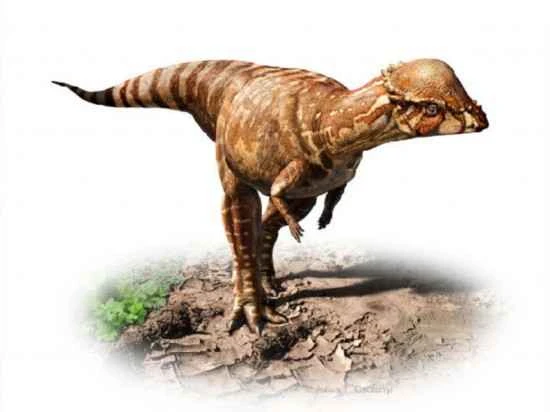
6. The skull of *Acrocodile aussus* is 10 centimeters thick. Scientists described this new species in this week's issue of *Nature Communications*. They noted that this discovery suggests the possibility of finding more small herbivorous dinosaur populations in the future.
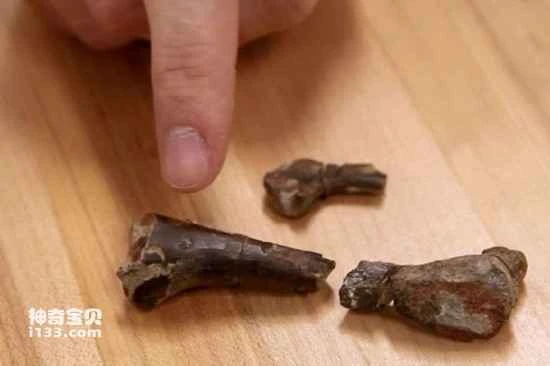
7. Becoming a dinosaur did not mean being immune to being hunted by other animals. During the Mesozoic Era, dinosaurs were not only preyed upon by other dinosaurs, but also by crocodilians. Research by Clint Boyd and colleagues at the South Dakota Polytechnic Institute in the United States found that these modern crocodile relatives sometimes preyed on young dinosaurs.
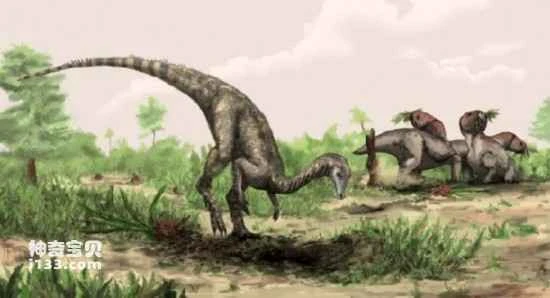
8. Although Nyasaur is not the oldest dinosaur, based on a single arm bone and six vertebrae fossils discovered in Tanzania in the 1930s, scientists believe that Nyasaur was about the size of a Labrador Retriever, but with a longer tail. Nyasaur lived in the southern part of Pangaea approximately 243 million years ago, predating all other known dinosaurs by at least 10 million years.
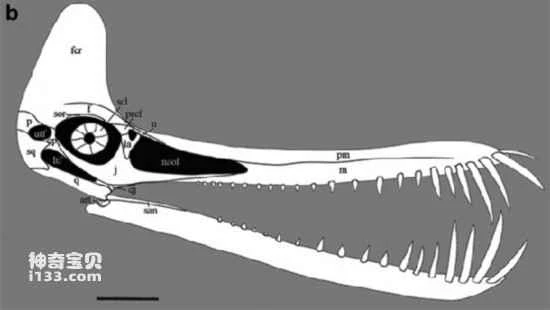
9. *Ghost Dragon Hunter* was a carnivorous pterosaur that lived 120 million years ago and had a wingspan of up to 3 meters. In China, scientists discovered the skull fossil of this awe-inspiring flying animal. In a 2012 paper published in *Nature*, they noted that *Ghost Dragon Hunter* had a complex array of teeth at the end of its beak, possibly used for fishing.
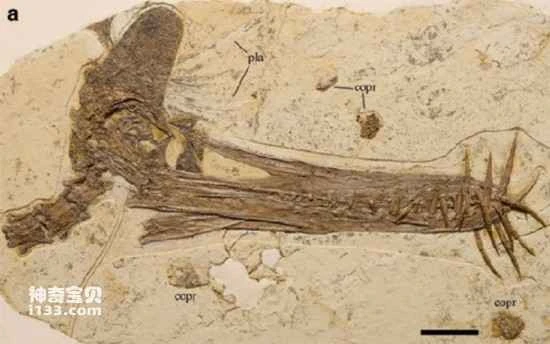
10. It should be noted that pterosaurs are not dinosaurs in the true sense. However, due to their unique characteristics, the editors of Wired magazine included them in their list of the top ten recent discoveries.
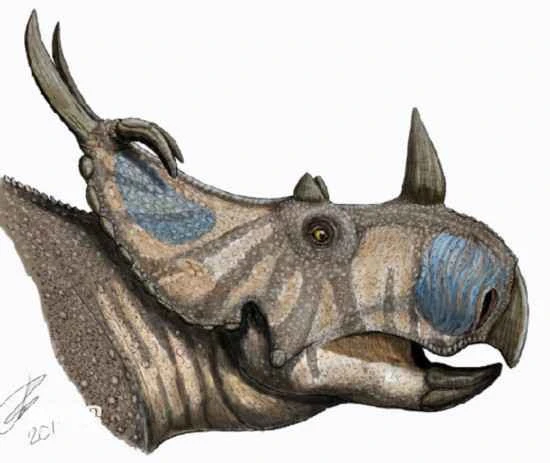
11. *Spinosaurus skeletalus* weighed approximately 2 tons. The fossils of this dinosaur were discovered in 1916 by a father-son fossil collector and remained in the Natural History Museum in London for decades, largely ignored. Eventually, paleontologists recognized the value of these fossils, cleaned them, and conducted research. In a research paper published in 2012, they officially named this horned dinosaur.
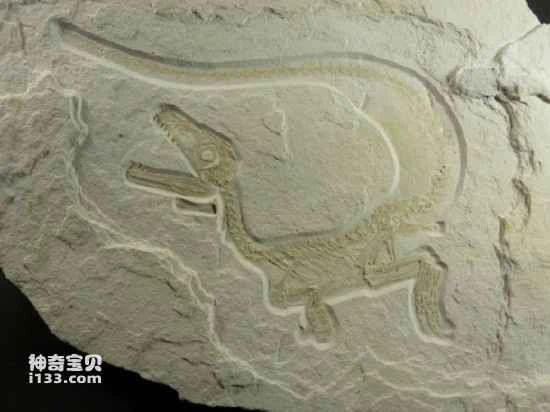
12. Sciurimimus albersdoerferi, a squirrel-like dinosaur, was feathered and belonged to an ancient branch of the dinosaur family tree. This discovery suggests that feathers may have been more prevalent in the dinosaur family than most scientists had anticipated.
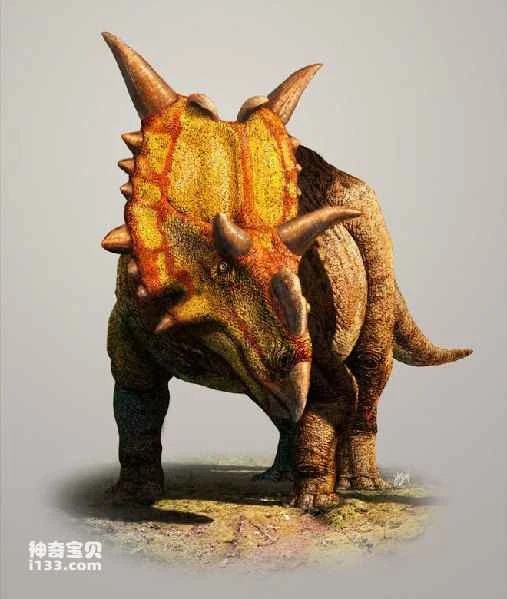
13. In October 2012, Canadian scientists discovered a new horned dinosaur, *Xenoceratops foremostensis*, which lived 80 million years ago, predating most horned dinosaurs, including Triceratops. They were estimated to have reached 20 feet (about 6 meters) in length, weighed around 2 tons, had parrot-like beaks, and were herbivores.