Venezuela is one of the world's 17 most biodiverse countries , boasting rainforests, the Andes Mountains, vast plains, and a Caribbean coastline. However, like other countries, Venezuela's ecosystems are facing serious threats. Deforestation, hunting, overexploitation of fisheries, and habitat destruction and alteration are pushing many species into a survival crisis.
This article will introduce 22 endangered animal species in Venezuela identified by the International Union for Conservation of Nature (IUCN) , and combine their distribution, threats, and conservation status to help readers better understand the crisis in this ecological hotspot in South America.
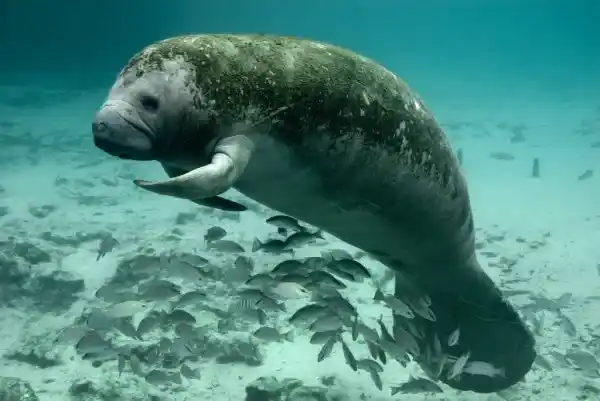
1. West Indian manatee ( Trichechus manatus )
Venezuela’s waters should have been an ideal habitat for manatees, but long-term hunting has caused the species to decline drastically.
Current situation : According to IUCN data, there were only about 2,500 mature individuals left in Venezuela in 2008.
Distribution : Confirmed to be found in Lake Maracaibo, the Orinoco Delta, and the Gulf of Paria .
Threats : Primarily hunting (for meat, oil, etc.) and habitat pollution.
Protection : Venezuela has launched protection projects in recent years, but research and monitoring remain insufficient.
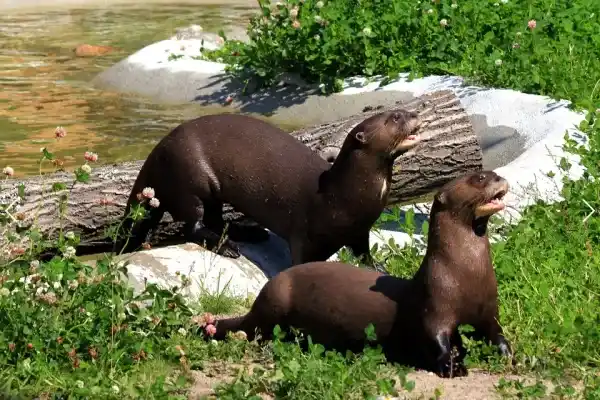
2. Giant otter ( Pteronura brasiliensis )
Known as the "wolf of the water," it is one of the largest otters in the world.
IUCN Status : Listed as endangered in Venezuela since 2015.
Characteristics : Low reproduction rate, late maturity, and relatively short lifespan, making them extremely sensitive to environmental changes.
Distribution : Found in rivers and lakes in Monagas, Amazon, Apure, Bolívar and Barinas .
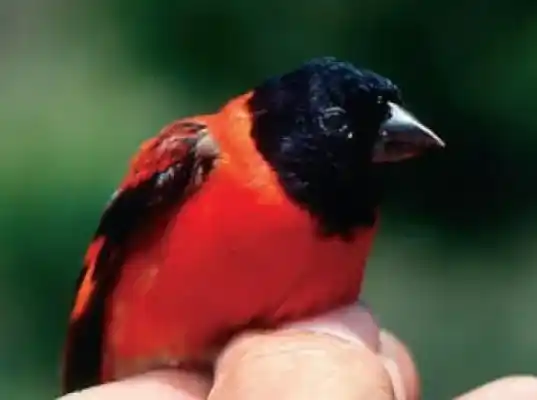
3. Red-crowned Canary ( Caruelis cucullata , commonly known as "Little Red Canary")
This is a small but extremely rare bird, known as Venezuela's most endangered bird.
Quantity : Only 700–5,000 remain.
Threats : Due to their beautiful plumage, they are often captured for the pet trade, while agricultural expansion destroys their habitat.
Distribution : Recorded in states such as Falcon, Ansoatgi, Miranda, Barinas, and Suria .
Key protected species : It has been listed as a national key protected bird.
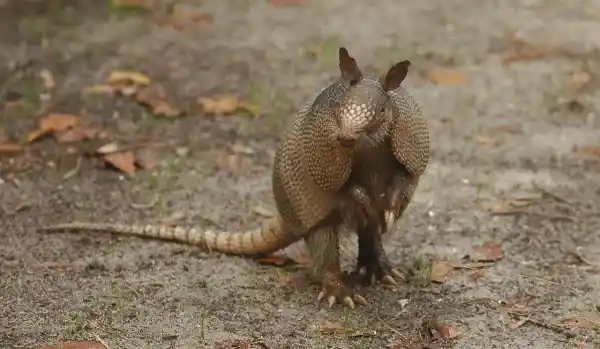
4. Giant armadillo ( Priodontes maximus )
The world's largest armadillo, it is accustomed to living by digging burrows.
threaten :
Habitat loss;
They are hunted for their meat, carapace, tail, and claws;
They are even sold as pets or taxidermied specimens.
Distribution : Can be found in the Andes Mountains, coastal areas, and south of the Orinoco River .
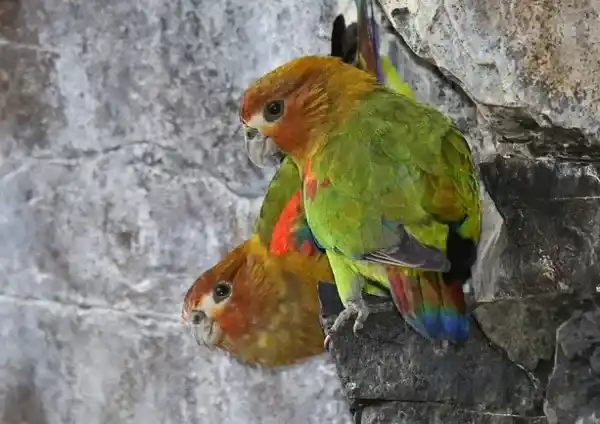
5. Colorful parrot ( Hapalopsisttaca amazonina theresae )
A small parrot with brightly colored feathers.
Distribution : Mainly found in the cloud forests of the Tachira and Merida Andes .
Diet : It feeds on fruits, flowers and seeds.
Threats : Captured as pets, deforestation leading to habitat loss.
IUCN classification : Listed as endangered since 2016.
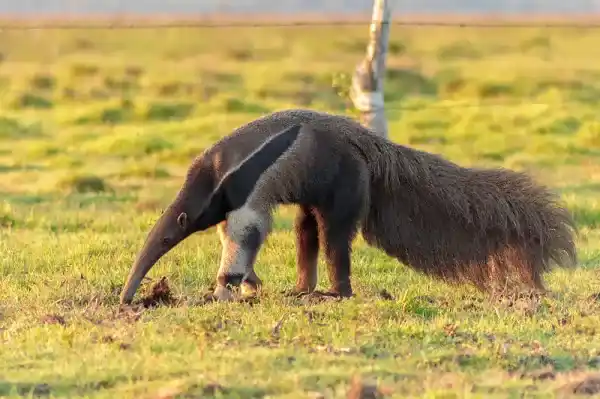
6. Giant anteater ( Myrmecophaga tridactyla )
A large mammal that feeds mainly on ants and termites.
Characteristics : Solitary, active in tropical rainforests, savannas, dry forests, and open grasslands .
threaten :
Relying on a single food source;
Large in size and slow in movement;
Habitat destruction is severe.
Distribution : Found in the northern and northeastern parts of Maracaibo, as well as the Bolívar and Amazon regions .
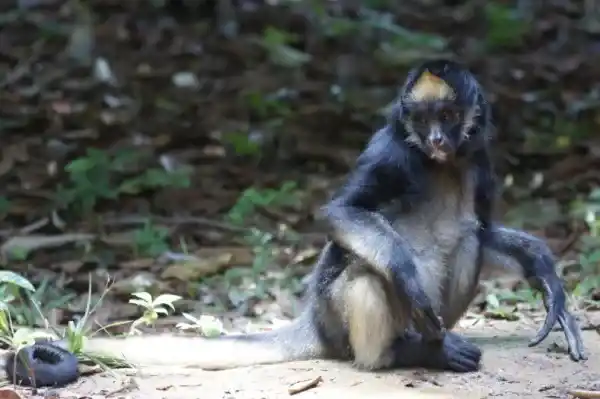
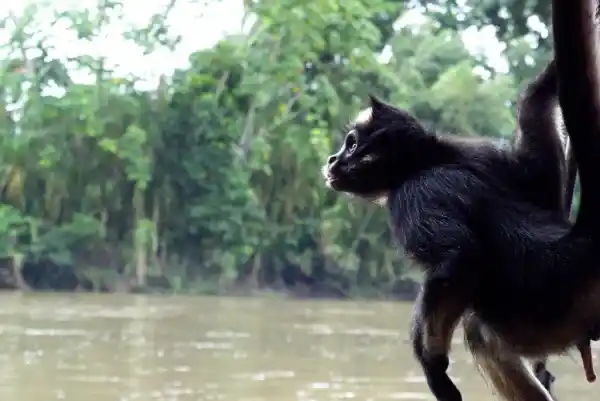
7. Spider Monkey ( Ateles belzebuth )
A typical arboreal primate, known for its long tail and agile swinging motion.
Food : They mainly eat fruit from trees.
Threat : Deforestation and destruction of mountain forests.
Distribution : Northern region, near the Orinoco River, the Caura River and the Maracaibo Lake basin .
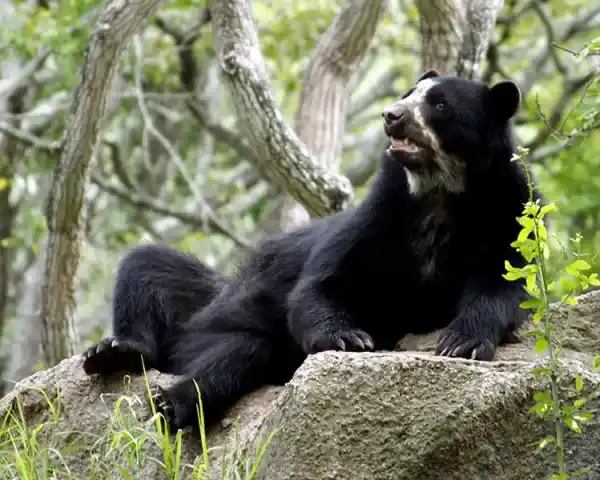
8. Andean Spectacled Bear ( Tremarctos ornatus )
The only bear species in South America, also known as the Andean bear.
Distribution : Can be found in the Perryha Mountains, El Tamar Block and Merida Mountains .
Threats : Mining, oil extraction and habitat fragmentation.
Note : It is also listed as an endangered species in Peru, Ecuador, and other places.
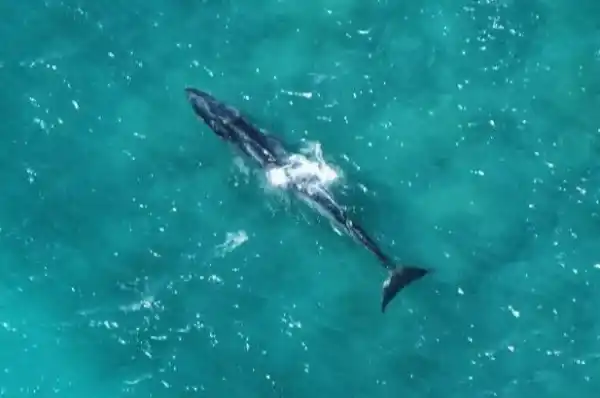
9. Fin whale ( Balaenoptera physalus )
The world's second largest mammal, after the blue whale.
Threats : Commercial whaling, noise pollution from ships.
Distribution in Venezuela : Sightings have been recorded in Margarita Island, Sucre State, Falcón State, and Mochma National Park .
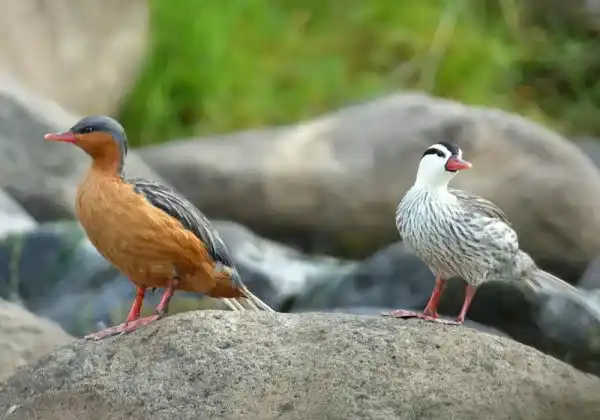
10. Whitewater Duck ( Merganetta armata )
A specialized duck species that lives in fast-flowing waters.
Nest building : in secluded places on the banks of fast-flowing rivers in high mountains.
Threats : Destruction of the Andean ecosystem and hunting.
Number : Only 100–1,500 in Merida and Tachira .
Other endangered animals (expanded list)
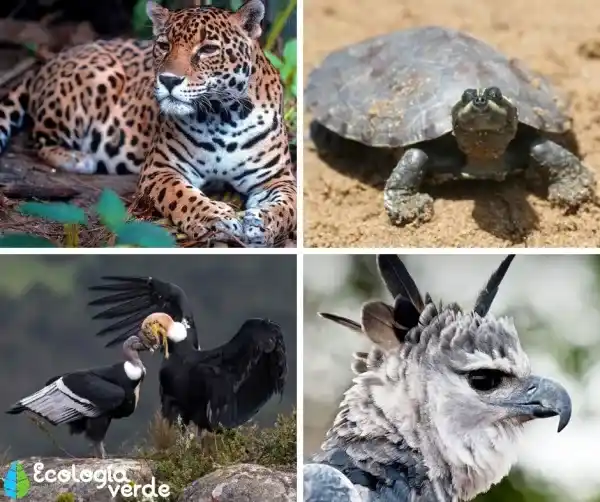
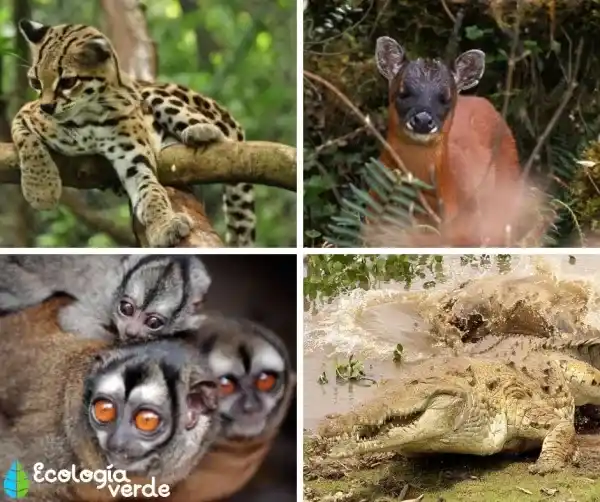
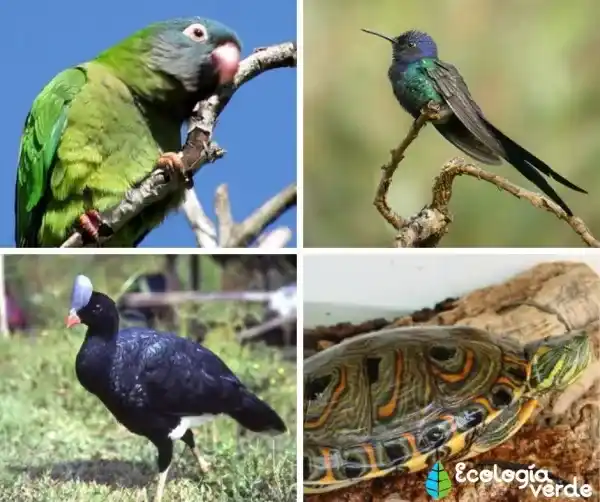
In addition to the species mentioned above, many other representative animals of Venezuela are endangered:
Jaguar ( Panthera onca )
Araucher ( Podocnemis expansa )
Andean condor ( Vultur gryphus )
Great Harpia harpyja
Long-tailed tiger cat ( Leopardus wiedii )
Andean deer ( Mazama bricenii )
Night monkey ( Aotus lemurinus )
Orinoco caiman ( Crocodylus intermedius )
Blue-crowned parrot ( Thectocercus acuticaudatus neoxena )
Forked-tailed hummingbird ( Hylonympha macrocerca )
Crested Pheasant ( Pauxi pauxi )
Orange-eared slider turtle ( Pseudemys scripta chichiriviche )
Summary and Protection Recommendations
Venezuela possesses extremely rich biodiversity, but deforestation, illegal hunting, oil extraction, and agricultural expansion are constantly shrinking the habitat of wild animals. To protect these endangered species, the following measures are needed:
Strengthen legal oversight : Combat poaching and illegal trade.
Protect critical habitats : Establish nature reserves and corridors.
Promote community involvement : Raise public awareness and support ecotourism.
International cooperation : Collaborate with neighboring countries to protect transboundary migratory species (such as jaguars and Andean bears).
These animals in Venezuela are not only a national natural heritage site, but also an indispensable part of the global ecosystem.