The Earth boasts an incredibly rich diversity of life, but not all species are distributed globally. Some species have extremely narrow distribution areas, existing only in specific regions; these are called endemic species. It is precisely this unique existence that makes them all the more precious.
Mexico is one of the world's 12 most biodiverse countries , earning it the reputation of a "super biodiversity nation" globally. Its complex topography, diverse climate, and geographical location make it a habitat for a large number of unique flora and fauna.
If you want to know what endemic species can be found in Mexico and what makes them unique, the following article will provide you with a detailed introduction.
Geographical and natural features of Mexico
Mexico, officially the United Mexican States , is located in southern North America. With a land area of 1,964,375 square kilometers , it is the 14th largest country in the world and the third largest country in Latin America.
Location :
The west borders the Pacific Ocean.
It borders the Gulf of Mexico and the Caribbean Sea to the east.
Population : As of 2017, Mexico had a population of approximately 124 million , making it the 11th most populous country in the world.
Topography and climate :
The terrain is rugged, with numerous volcanoes, and includes the Eastern Sierra Madre and Western Sierra Madre mountain ranges , which are extensions of the Rocky Mountains.
The climate is extremely diverse, with an average annual temperature of about 19°C .
The Tropic of Cancer passes through the country, dividing Mexico into two parts: the north is mostly temperate and arid, while the south is tropical and subtropical.
May to October is the wet season, but the average number of rainy days per year is only about 70, and most areas receive limited rainfall.
This unique geographical and climatic environment provided the conditions for the formation and evolution of endemic species .

What is an endemic species?
Endemic species are species whose distribution is limited to a specific geographical area and which will not appear in other parts of the world under natural conditions .
The specific scope can be large or small:
From a mountain, a lake, an island, to a country or even a continent.
Specificity is not limited to "species" but may also involve higher-level taxonomic units, such as subspecies, genus, family , etc.
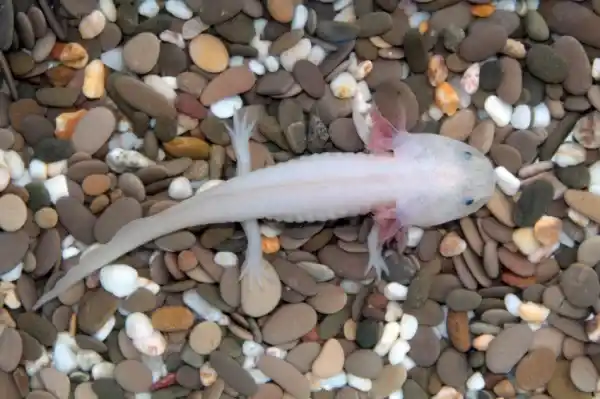
For example, the Mexican axolotl (Ambystoma mexicanum) is a species endemic to Mexico and renowned worldwide.
Examples of endemic species in Mexico
Mexico boasts approximately 10%–12% of the world's biodiversity , including a large number of endemic species of vertebrates, invertebrates, and plants. Examples are provided below, categorized as follows:
1. Invertebrates
Mexican canyon crab ( Pseudothelphusa dugesi )
Reigo crayfish ( Procambarus regiomontanus )
Hopeful Swallowtail ( Papilio esperanza )
Mexico City Tarantula ( Hemirrhagus chilango )
These species mostly inhabit wetlands, river valleys, and mountainous areas, and are extremely dependent on their environment.
2. Fish (2,692 species, of which 271 are endemic)
Julimes killifish ( Cyprinodon julimes )
Alchichica whitebait ( Poblana alchichica )
Almoroan silverfish ( Poblana ferdebueni )
Yucatan small sardines ( Fundulus persimilis )
These freshwater fish are commonly found in high-altitude or volcanic lakes, and even slight changes in the water quality can affect their survival.
3. Birds (1,096 species, of which 125 are endemic)
Cyanolyca nana
Tamaulipas Little Owl ( Glaucidium sanchezi )
Large-eared trogon ( Euptilotis neoxenus )
Alpine Sparrow ( Xenospiza baileyi )
Mexico's endemic bird species are mainly mountain and forest inhabitants, many of which have seen their numbers drastically decline due to habitat destruction.
4. Reptiles (864 species, of which 493 are endemic)
Mexican spiny-tailed iguana ( Ctenosaura pectinata )
Mountain spearhead viper ( Cerrophidion barbouri )
Balsa coral snake ( Micrurus laticollaris )
Coahuila Box Turtle ( Terrapene coahuila )
Mexican dwarf rattlesnake ( Crottalus ravus )
Mexico has one of the highest rates of reptile endemicity in the world.
5. Mammals (535 species, of which 164 are endemic)
Cozumel raccoon ( Procyon pygmaeus )
Banana bat ( Musonycteris harrisoni )
Vaquita ( Phocoena sinus )
Dwarf Skunk ( Spirogale pygmaea )
Among them, the vaquita is the most endangered marine mammal in the world, with only a few dozen remaining.

6. Amphibians (361 species, of which 174 are endemic)
Mexican axolotl ( Ambystoma mexicanum )
Oaxaca blind salamander ( Dermophis oaxacae )
Sierra Madre Frog ( Lithobates sierramadrensis )
Juarez Mountain salamander ( Crypttriton adelos )
Large-crowned toad ( Bufo cristatus )
Mexico plays a vital role in global amphibian diversity, but many species are extremely vulnerable due to water pollution and habitat destruction.
7. Plants
Juarez fir ( Abies hickelii )
Jaliscoson ( Pinus jaliscana )
Weeping Pine ( Pinus pinceana )
Perennial maize ( Zea diploperennis ) – an extremely valuable wild relative of maize.
Guadalupe Palm ( Brahea edulis )
The genus *Echeverria * comprises several species of *Echeveria* (succulents) belonging to the Crassulaceae family.
Tevantepec Agave ( Beaucarnea stricta )
These plants are not only an ecological treasure of Mexico, but also of great significance to agricultural genetic resources and horticulture.
Summarize
Mexico's diverse geography has fostered a large number of unique species. From mountains and volcanic lakes to tropical rainforests, every ecosystem hides "one-of-a-kind" organisms.
However, these endemic species face threats from habitat loss, overhunting, environmental pollution, and climate change . Protecting them is not only about safeguarding Mexico's natural heritage, but also about maintaining the global ecological balance.
If you are interested in the topic of ecological conservation in Mexico, you can continue reading related content, such as "Mexico's Top Ten Endangered Animals".