The biodiversity of Earth is still far from being fully understood by humankind, and Australia is one of the world's most unique ecological treasure troves. On this continent and its surrounding islands, we can find countless bizarre and even dangerous species of flora and fauna. Due to long-term geographical isolation, Australia has fostered many special animals that cannot be found anywhere else in the world; some have strange appearances, some are highly venomous and deadly, and others are astonishing for their unique habits.
In this article, we will introduce you to Australia's ten most unusual animals , including deadly jellyfish, rare deep-sea sharks, bizarrely shaped insects, and miniature mammals.
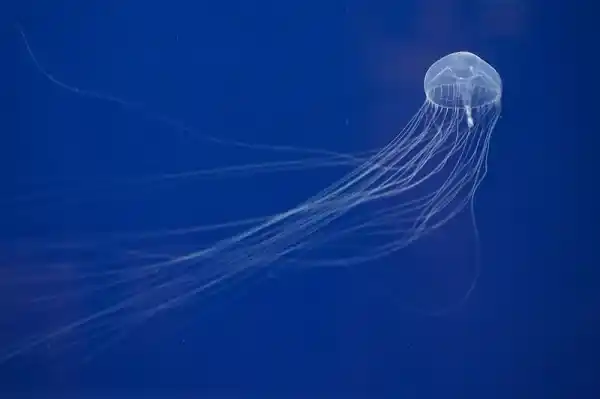
1. Sea wasp (Chironex fleckeri)
The box jellyfish, also known as the sea wasp, is one of Australia's deadliest animals. It is almost completely transparent, with a square body and long, slender tentacles. These tentacles are covered with thousands of tiny nematocysts, resembling numerous miniature harpoons, capable of injecting deadly venom instantly.
This venom is lethal and attacks the heart and nervous system extremely rapidly, so immediate medical attention is necessary if stung. Even if one survives, severe long-term effects may result.
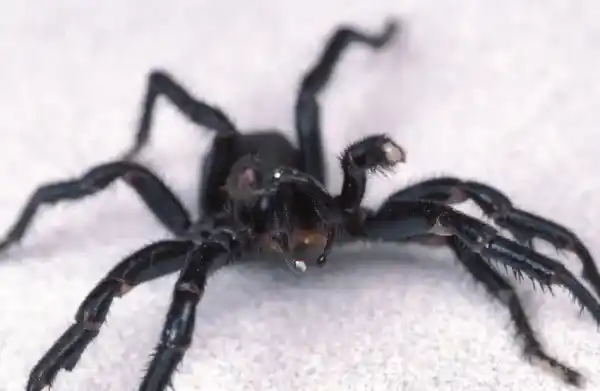
2. Sydney funnel-web spider (Atrax robustus)
The Sydney funnel-web spider is one of the most venomous spiders in the world, and also the most venomous spider in Australia. It has a jet-black body covered in fine hairs, and powerful fangs that can inject potent neurotoxins. Adults can reach up to 7 centimeters in length.
It is mainly distributed along the east coast of Australia, especially around Sydney. Because its venom acts rapidly on the nervous system, it can be fatal if not treated promptly.
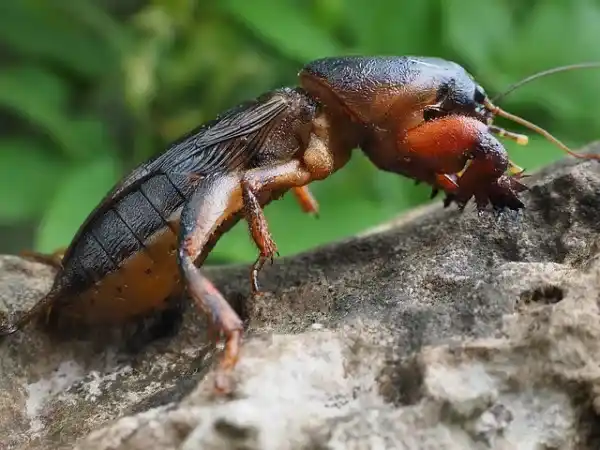
3. Ground cricket (Gryllotalpa gryllotalpa)
Commonly known as the "mole cricket," although not native to Australia, it was introduced to the region early on. It originates from North Africa and Western Europe. Unlike ordinary crickets, the mole cricket is larger, with robust forelegs adapted for digging, and its habits are similar to those of a mole.
Females are about 40–46 mm long, while males are slightly smaller, about 35–41 mm. They have an unusual appearance, but are completely harmless to humans and large animals.
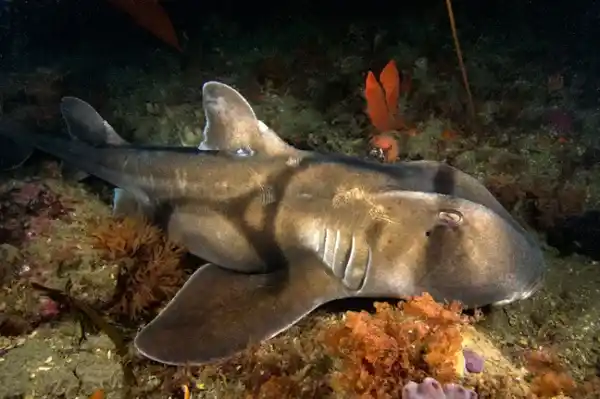
4. Port Jackson shark (Heterodontus portus jacksoni)
This dogfish has a very unique appearance, with a large, blunt head and a prominent bony ridge above its eyes, making it look like it has horns on its head. Its skin is grey with black stripes. They can grow to over 1.5 meters in length, are mostly nocturnal, and inhabit the southern coast of Australia.
Dogfish typically feed on crustaceans and mollusks. Although they look frightening, they pose almost no threat to humans.
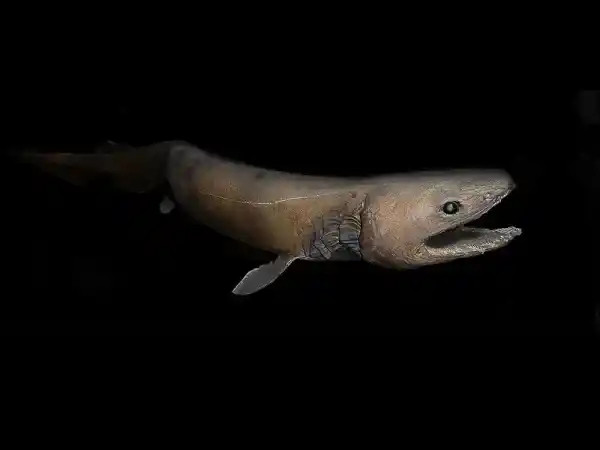
5. Eel shark (Chlamydoselachus anguineus)
The frilled shark, also known as the eel shark, is one of the oldest sharks, combining features of both eels and sharks. They can reach lengths of up to 4 meters, with slender bodies and mouths filled with unusual trident-shaped teeth, making them look like "prehistoric monsters."
Eel sharks are found in the deep waters of the Atlantic and Pacific Oceans, including off the coast of Australia. Because they live at depths of hundreds of meters, humans rarely encounter them.
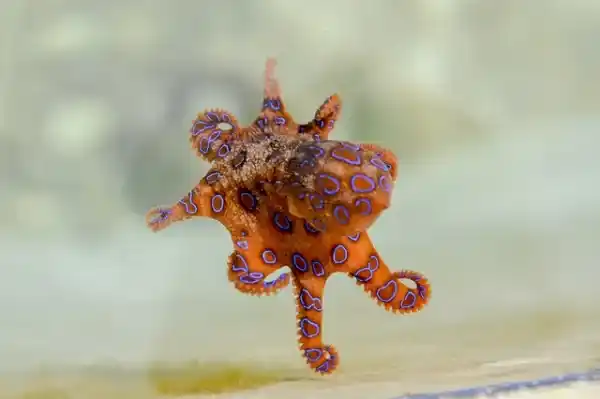
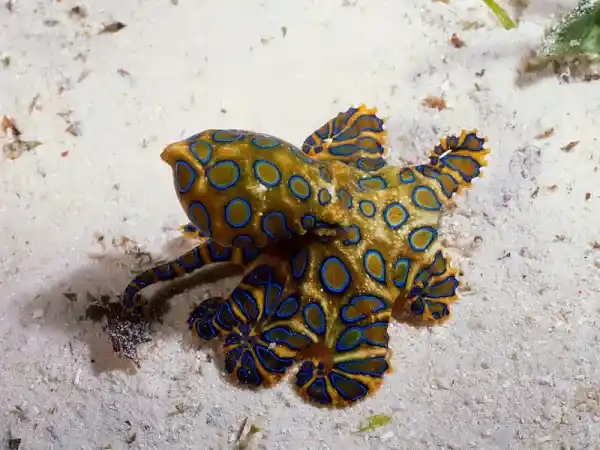
6. Blue-ringed octopus (Hapalochlaena spp.)
The blue-ringed octopus is one of the world's smallest yet deadliest octopuses. Only the size of a golf ball, its body is yellowish-brown and covered in luminous blue rings. Its beautiful markings serve as a warning, as it contains the highly toxic tetrodotoxin (TTX), which can be fatal even in trace amounts.
They live in Australia and the Pacific Ocean's tidal pools and shallow seas. Despite their small size, they possess extremely high intelligence, are able to use tools and solve problems, and are considered one of the most intelligent invertebrates.
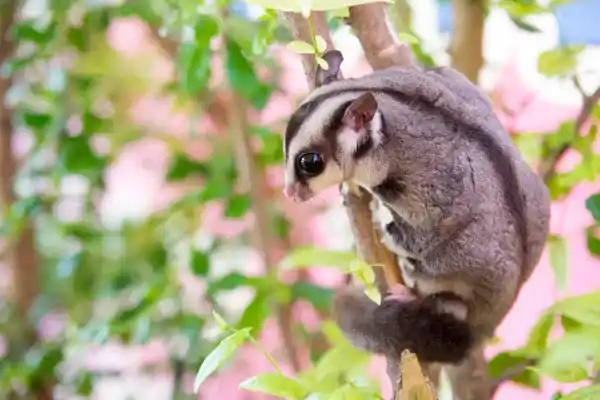
7. Sugar Glider (Petaurus breviceps)
Sugar gliders are small marsupial mammals that are often illegally kept as pets due to their adorable appearance. However, they are truly adapted to living in the wild, and overhunting and the pet trade are threatening their survival.
They are mainly distributed in eastern and northern Australia, are nocturnal, usually live in trees, and prefer to live in groups of up to 10. They resemble flying squirrels in appearance, with large eyes and a gliding membrane, allowing them to glide between trees.
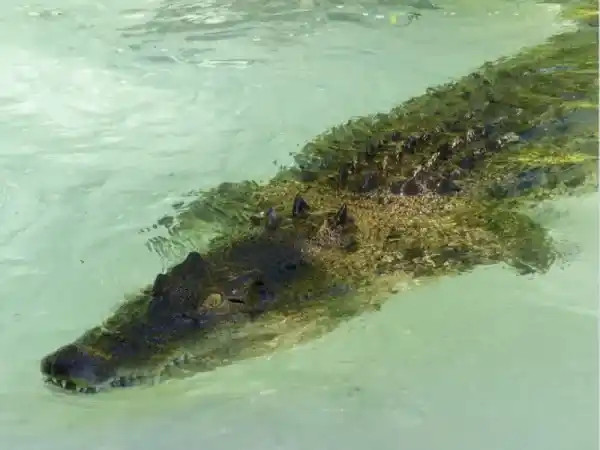
8. Saltwater crocodile (Crocodylus porosus)
Saltwater crocodiles are the largest living reptiles and among the animals with the strongest bite. They can grow to over 6 meters long and weigh over 1 ton. The largest saltwater crocodile on record was 8.5 meters long and weighed 1.7 tons , and was found in Queensland.
Saltwater crocodiles can live not only in rivers, but also in oceans and mangrove forests. They have powerful tails that can propel them up to 4 meters with a single flick, and they can swim at speeds of up to 43 kilometers per hour.
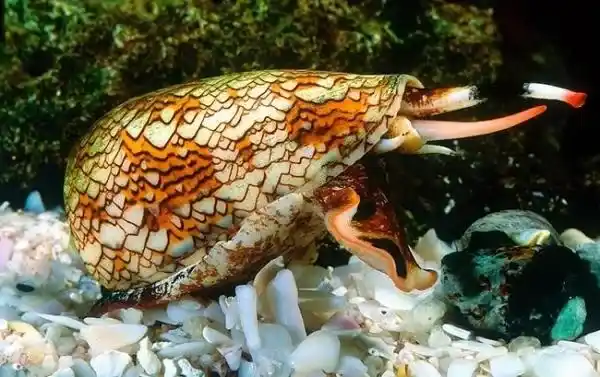
9. Conus spp.
Cone snails are a type of beautiful yet extremely dangerous sea snail, widely distributed in tropical waters, including Australia's Great Barrier Reef. They contain potent neurotoxins that they can inject into prey, including humans, through a "poison spear" at the tip of their mouthparts.
Despite the danger, cone snail venom has medical research value and is being explored for use in the development of pain-relieving drugs.
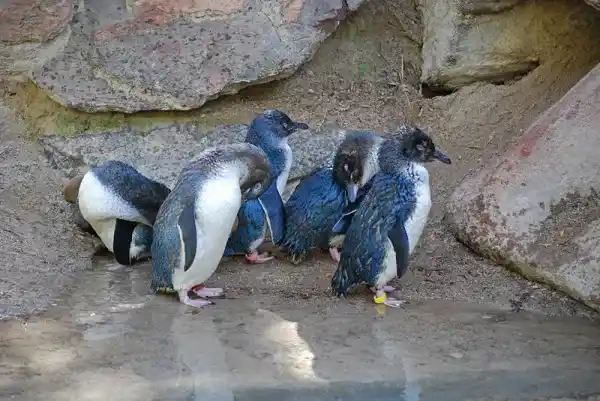
10. Little Blue Penguin (Eudyptula minor)
The Little Blue Penguin, also known as the Fairy Penguin, is the smallest penguin species in the world, found in southern Australia, Tasmania, and along the coast of New Zealand. Adults are only 30–40 cm tall and weigh about 1 kg.
Their feathers have a unique blue sheen in the sunlight, setting them apart from other penguins. Despite their captivating appearance, they face threats from habitat destruction and human disturbance.
Conclusion
Australia's unique ecosystem has given rise to many animals with bizarre appearances, unusual habits, and even potent venom. From deadly jellyfish to gliding sugar gliders, from prehistoric-looking eel sharks to miniature blue penguins, these animals not only showcase the wonders of nature but also remind us of the importance of conservation.
In addition to the 10 species mentioned above, Australia is home to other well-known yet unique species such as the wombat, quokka, platypus, and koala. These animals collectively contribute to the breathtaking biodiversity of the Australian continent.