Iguanas, resembling small "living dinosaurs" in appearance, belong to the family Iguanidae and are widely distributed in the Americas and tropical Caribbean. They are not only important local wildlife but are also hunted for their meat and eggs, and captured as pets. However, are these human activities pushing iguanas to the brink of extinction? This article will comprehensively analyze the endangered status of green iguanas and their close relatives, identify the main threats, and propose conservation recommendations.
Are iguanas truly endangered? — The conservation status of different species
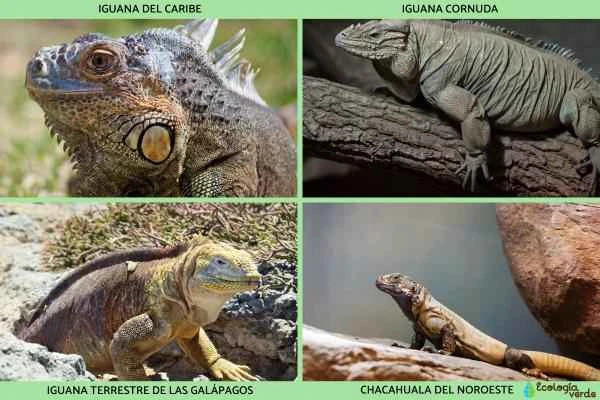
The iguana family comprises many different species, each with varying survival statuses. Below are five common iguana species and their latest conservation status:
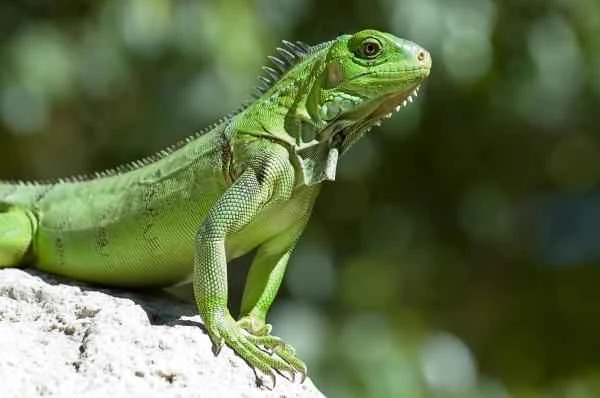
1. Green iguana (Iguana iguana)
The most common iguana species, primarily arboreal, with strong claws and tail. Males have prominent manes on their backs. Despite its extensive use for meat, skin, and as a pet, the green iguana is not currently endangered and is listed as "Least Concern" (LC) by the International Union for Conservation of Nature (IUCN).
2. Caribbean iguana (Iguana delicatissima)
Found in the Lesser Antilles, it resembles the green iguana in appearance, but differs in coloration and details. Due to multiple threats including invasive species, predation by natural enemies, and traffic accidents, it is now listed as "Critically Endangered" (CR) and faces a high risk of extinction.
3. Rhinoceros Iguana (Cyclura cornuta)
Endemic to Hispaniola (Dominican Republic and Haiti). Named for the three horn-like projections at the tip of its nose. Due to habitat loss caused by tourism development, agricultural expansion, and mining, this species is listed as “Endangered” (EN) by the IUCN, and its population continues to decline.
4. Galapagos land iguana (Conolophus subcristatus)
Found only in the Galapagos Islands, it mainly inhabits dry areas with abundant shrubs and cacti. Due to threats such as habitat destruction and invasive species, it is now listed as "Vulnerable" (VU), and its population is declining.
5. Sauromalus ater, a desert in northwestern Northwest China
Distributed in the southwestern deserts of North America, it can tolerate extremely high temperatures. It is not currently considered endangered and is listed as "Least Concern" (LC) by the IUCN, with a stable population.
Major threats to iguanas
Although some iguanas are not yet endangered, the overall population continues to face multiple threats, including:
Illegal hunting : Many iguanas are illegally hunted and smuggled for their meat, eggs and leather, which seriously affects wild populations.
Pet trade : A large number of iguanas are captured and sold as pets in the market. Improper artificial breeding conditions can easily lead to stress, disease and death in animals.
Habitat loss and fragmentation : Urban expansion, agricultural development, tourism and mining have led to a sharp reduction and fragmentation of habitats.
Invasive alien species , such as cats, dogs, and rats, pose predatory and survival competition pressures on iguanas when introduced to the area.
Climate change : Rising temperatures will affect iguana reproduction, and the sex of some species is determined by ambient temperature. Global warming exacerbates their survival crisis.
Effective measures to protect iguanas
To prevent iguanas from becoming further endangered or even extinct, a multi-pronged approach is needed:
Develop and implement conservation projects : promote scientific conservation plans such as wild population monitoring, habitat restoration, and ex-situ conservation.
Strengthen laws, regulations and law enforcement : Improve and implement wildlife protection laws and regulations, and severely crack down on illegal hunting and smuggling trade.
Public science education and environmental education : Enhance public awareness of wildlife protection and reduce illegal breeding and purchase through media, school and community activities.
Reject the petting of wild animals : Advocate against buying or keeping wild animals and avoid supporting poaching through illegal markets.
International cooperation and scientific research support : Transnational collaboration to protect migratory and widely distributed species, and support research on iguana ecology and reproduction.
Summarize
Most iguanas are not currently classified as "endangered," but some endemic species (such as the Caribbean iguana and the rhinoceros iguana) are critically endangered. Protecting iguanas requires collaboration from all sectors of society and attention to the survival of wildlife and the balance of the ecological environment. For more information about iguanas and endangered animals, please follow our animal encyclopedia column!
References
The International Union for Conservation of Nature (IUCN) Red List. Website: https://www.iucnredlist.org/