As we all know, humans maintain a constant body temperature by sweating, but did you know that not all animals sweat? So, how exactly do animals regulate their body temperature? This article will explore the scientific principles behind animal thermoregulation, revealing which animals sweat and which have other unique methods to stay cool.
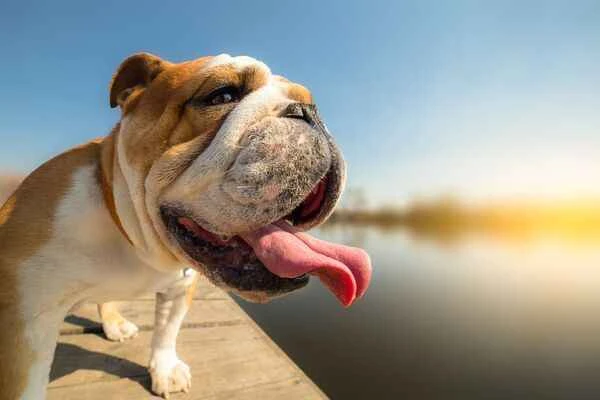
Table of contents:
What is sweating? Why do animals need to sweat?
Not all animals sweat.
The sweating mechanism in homeothermic animals (warm-blooded animals)
Cold-blooded animals: How do they cool down?
Types of sweat glands in animals
How do animals without sweat glands regulate their body temperature?
What's the difference between panting and sweating?
The relationship between sweating and body temperature regulation
Adaptability of desert animals
How humans and other animals sweat
Animal adaptability under extreme weather conditions
Do animals sweat when they exercise?
What would happen if animals couldn't sweat?
Summary: How sweating helps animals cool down
1. What is sweating? Why do animals need to sweat?
Sweating is the process by which water is secreted from sweat glands onto the skin's surface, and through evaporation, it carries away body heat, thus helping animals cool down. This is an important mechanism for warm-blooded animals to regulate their body temperature in warm or hot environments. Sweating is not only a natural response to prevent overheating, but it also helps maintain the body's water balance and prevent dehydration. Most warm-blooded animals (such as humans, horses, and dogs) rely on sweating to control their body temperature and prevent high temperatures from harming their bodies.
2. Not all animals sweat.
Not all animals have a sweating mechanism. While most warm-blooded animals can regulate their body temperature through sweating, cold-blooded animals (such as reptiles and amphibians) typically do not. Cold-blooded animals' body temperature changes with the external temperature; they rely on the external environment to regulate their body temperature, therefore they generally do not need to sweat. For example, snakes and lizards will seek out shady places or water sources to stay cool when the ambient temperature is too high.
3. The sweating mechanism of homeothermic animals (warm-blooded animals)
Warm-blooded animals, or homeothermic animals, are able to maintain a stable body temperature under different environmental conditions. They regulate their body temperature through various mechanisms, one of which is sweating. Humans and most mammals have widely distributed sweat glands that secrete watery sweat to help regulate body temperature.
The sweating mechanisms of warm-blooded animals are very complex, sometimes accompanied by odor and oily components. For example:
Armpit sweat glands : These primarily secrete sweat containing proteins and fats. Armpit sweat glands are common in mammals and are used to enhance social signals or, in certain situations, to maintain body temperature.
Eccrine sweat glands : These sweat glands are distributed on the palms, soles, forehead, and other parts of the body. They mainly secrete watery sweat, which helps to remove body heat more quickly through evaporation.
These mechanisms allow warm-blooded animals to stay cool in hot weather by sweating, thus avoiding overheating.
4. Cold-blooded animals: How do they cool down?
Cold-blooded animals (ectothermic animals) cannot maintain a constant body temperature through internal regulation; their body temperature typically fluctuates with changes in the external environment. To avoid excessively high or low body temperatures, they have adopted several unique adaptations:
Behavioral regulation : Cold-blooded animals regulate their body temperature by changing their activity patterns. For example, reptiles such as snakes and lizards seek sunlight during the day to absorb heat and raise their body temperature, while they rest at night or in the early morning to avoid overheating.
Seeking shade or water : When the temperature is too high, they will seek out shady places or enter the water to keep cool.
Changing body position : Many cold-blooded animals regulate their body temperature by changing their position and adjusting the parts of their body exposed to sunlight. For example, lizards often lie on rocks, exposing their backs to absorb heat, or face down to avoid exposure to overheated surfaces.
Because of these mechanisms, cold-blooded animals do not need to sweat to cool down.
5. Types of sweat glands in animals
The types and numbers of sweat glands in animals vary greatly, determining whether they can regulate body temperature through sweating. The main types of sweat glands include:
Eccrine sweat glands : These glands produce watery sweat, primarily helping animals dissipate heat quickly. These glands are typically located on the skin's surface and are widely distributed.
Armpit sweat glands : These glands secrete thicker sweat containing fat and protein, usually accompanied by an odor. Armpit sweat glands are mainly distributed in the armpits and genital areas, and can be used for information transmission between certain animals.
Sebaceous glands : Although they do not directly participate in sweating, the oily substances secreted by sebaceous glands can form a protective film on some animals, helping to reduce water evaporation.
6. How do animals without sweat glands regulate their body temperature?
Some animals (such as cats and dogs) do not have a large number of exocrine sweat glands, and their thermoregulation mechanisms mainly rely on other methods:
Licking : Dogs and cats cool themselves down by licking their fur, as the saliva evaporates and carries away heat.
Panting : Many animals, especially canines, use rapid breathing to help dissipate heat when their body temperature is too high. When panting, the exhaled moisture carries away heat from the body, thus effectively helping to regulate body temperature.
Seeking shade : When feeling too hot, animals will also seek shade or water to avoid overheating, especially in extreme temperatures.
These mechanisms compensate for the lack of sweating function.
7. What is the difference between panting and sweating?
Although both panting and sweating are related to heat dissipation and body temperature regulation, their mechanisms are different:
Sweating : Sweat is secreted onto the skin surface through sweat glands. The sweat evaporates and carries away heat, and the skin is the main source of heat dissipation.
Panting : Rapid breathing accelerates the evaporation of water in the body and removes heat, usually relying on the function of the respiratory system.
Panting is generally less efficient than sweating, but it is an important way for many animals to stay cool, especially those that do not have many sweat glands.
8. The relationship between sweating and body temperature regulation
Sweating is crucial for thermoregulation, especially in hot weather or during strenuous activity. Through the evaporation of sweat, animals can dissipate excess heat, preventing their body temperature from rising. Elevated internal temperature can affect the function of organs and systems, and may even lead to heatstroke or heat exhaustion. Sweating helps animals maintain normal physiological functions by slowing this process.
9. Adaptations of desert animals
Desert animals live in hot and dry environments and lack the ability to sweat profusely, so they must regulate their body temperature through other means:
Camels : Camels are representative of desert animals. They can tolerate extreme heat and survive for days without water. They maintain their body temperature by minimizing water loss and can reduce heat absorption at night through thermoregulation.
Kangaroo : This small animal is mainly active at night to avoid the high temperatures of the day and adapts to arid environments by storing water and reducing water consumption.
These animals survive in the harsh desert environment through different physiological and behavioral adaptations.
10. The ways humans and other animals sweat.
While most animals cool themselves through sweating, humans are one of the few species that regulate their body temperature through perspiration. Compared to other animals, humans have a higher density of sweat glands, especially in the palms, soles, and armpits. Furthermore, human sweat is relatively light in composition, consisting mainly of water, while the sweat of other animals may contain more fat and protein, helping to retain body water or enhance social signals.
11. Animal adaptability under extreme weather conditions
Animals adapt to extreme weather conditions in various ways. Climate change, cold weather, and drought often make animal habitats more challenging. By changing their activity times, choosing suitable habitats, and adjusting their body's heat dissipation mechanisms, animals can survive in extreme environments.
For example, polar bears in the Arctic keep warm in the cold environment with a thick layer of fur and fat, while camels in the desert have the ability to reduce sweating to avoid water loss.
12. Do animals sweat when they exercise?
During exercise, an animal's body generates a significant amount of heat, requiring specific mechanisms to regulate its temperature. Most mammals sweat after strenuous exercise, especially species with a high concentration of sweat glands. However, not all animals rely on sweating to regulate their body temperature.
For example, while dogs can cool down by panting, they don't sweat as much as humans do after strenuous exercise.
13. What would happen if animals couldn't sweat?
If some animals cannot regulate their body temperature through sweating, they will need to rely on other mechanisms, such as seeking shade, reducing activity, and panting. If these alternative methods are not effective in cooling down, the animals may face the risk of overheating, which could even lead to heatstroke or other health problems in severe cases.
14. Summary: How sweating helps animals cool down
Sweating is an important way for many animals to regulate their body temperature, especially for species living in hot environments. Through sweating, animals can quickly dissipate heat and maintain a stable internal temperature. However, not all animals rely on sweating to regulate their body temperature. Cold-blooded animals and some mammals employ other methods to cool down, such as seeking shade or panting. In short, animals have developed a variety of different thermoregulation strategies for survival and adaptation to their environment.