Hibernation is a physiological state similar to drowsiness that some cold-blooded animals, mammals, and a few birds enter by lowering their body temperature during the cold season. Do you know which animals hibernate? This article introduces ten animals with the longest hibernation periods in the world, including the Arctic ground squirrel, dormouse, jerboa, Alaskan wood frog, Alpine marmot, fat-tailed dwarf lemur, and North American grizzly bear. Let's learn about these animals together!
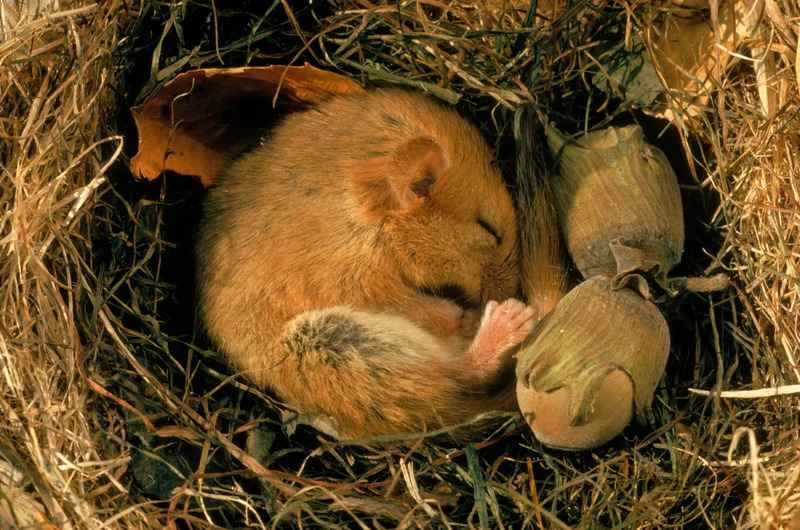
Dormouses curled up in their hazelnut nests and fell asleep.
1. Arctic ground squirrel (9 months old, the animal with the longest hibernation period in the wild)
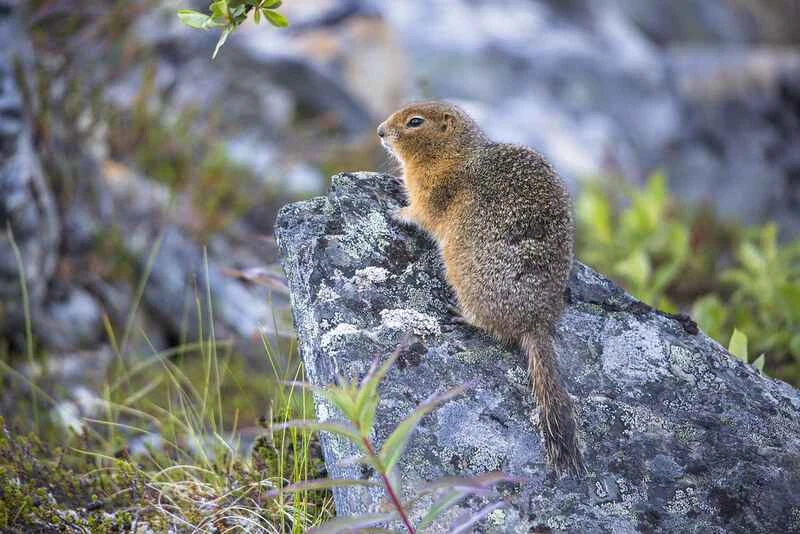
Which animals exhibit the most extreme hibernation behavior? The answer is the Arctic ground squirrel. Native to the Arctic tundra of North America, where temperatures can drop to -55 degrees Celsius, these squirrels enter a hibernation period starting in October each year, digging burrows near the permafrost.
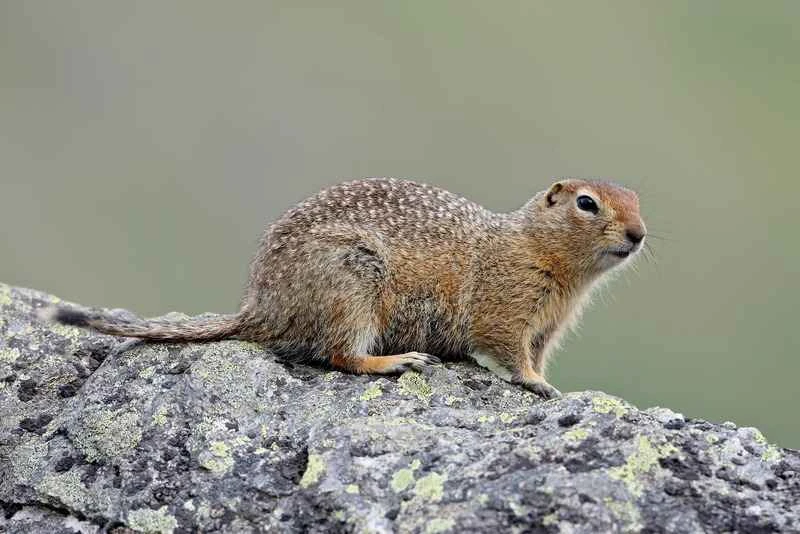
During this period, the Arctic ground squirrel's body temperature can drop below zero, remaining at -3°C, and its respiratory rate drops to once per minute. This is extremely rare among mammals. Such a low body temperature helps them conserve 10 times more energy compared to maintaining a body temperature above zero. The Arctic ground squirrel also holds the record for the longest hibernation period in the wild among rodents, lasting up to nine months.
2. Dormouse (9 months old, the mouse that loves to sleep the most)
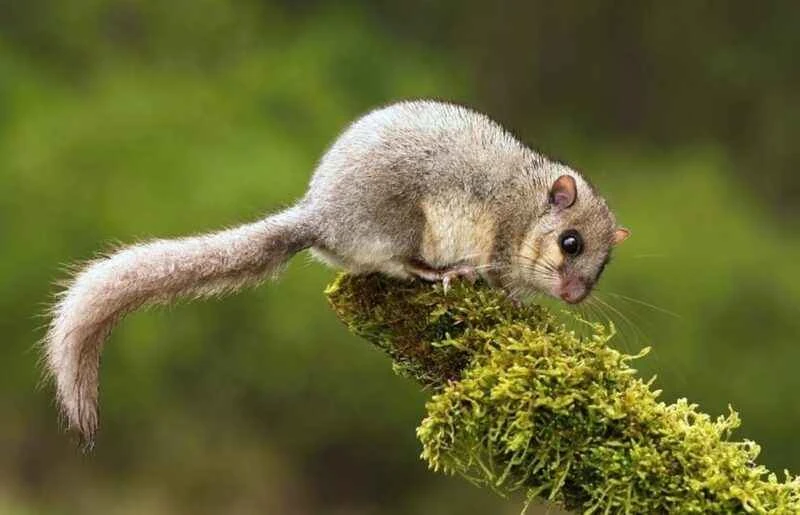
Dormice are undoubtedly among the animals with the longest hibernation periods. As their name suggests, these small animals are known for their complete hibernation. Their lifespan is typically 5 years, but they spend about three-quarters of that time sleeping. That means that for about nine months each year, including spring, late autumn, and winter, dormice are in a state of hibernation.
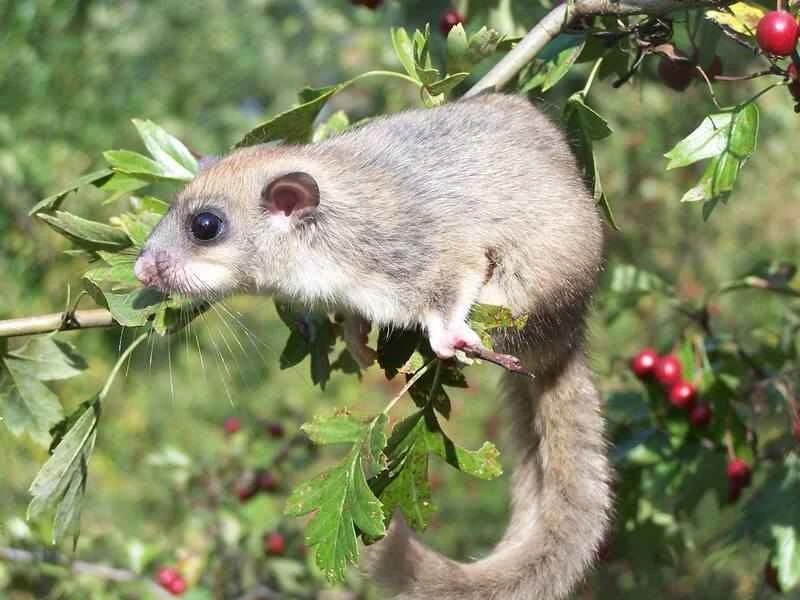
Unlike other rodents, dormice do not store food for winter; instead, they store fat by eating large amounts of food to survive the winter. During hibernation, they lose nearly half their weight, their body temperature drops, and their breathing slows. Even during the summer when they do not hibernate, they sleep all day, only becoming active at night.
3. Jerboa (6-9 months, endangered)
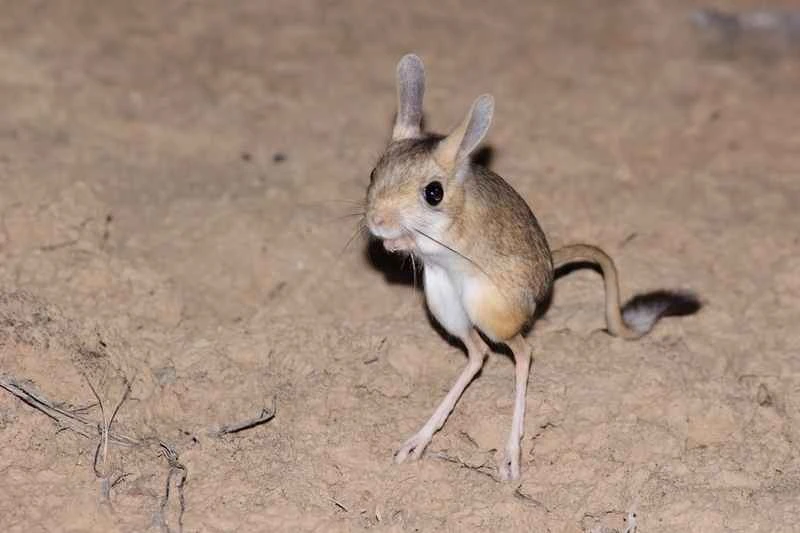
Among the animals with the longest hibernation periods are many rodents, with jerboas being a prime example. Jerboas hibernate by building a burrow and then beginning their hibernation. During this period, they rely on the fat stored in their tails to replenish their energy reserves.
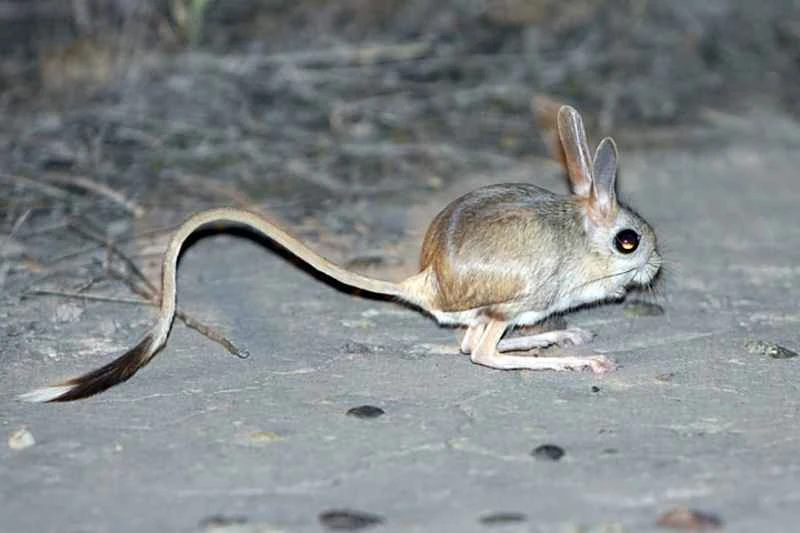
During the cold, dark, and long winter, they need a safe and warm place to hibernate. This is a strategy they use to overcome harsh natural environments and survive. Jerboas hibernate for 6 to 9 months, but wake up about every two weeks, possibly to urinate. During hibernation, the jerboa's body temperature drops to near freezing.
4. Alaskan wood frog (8 months old, the frog with the longest hibernation period)
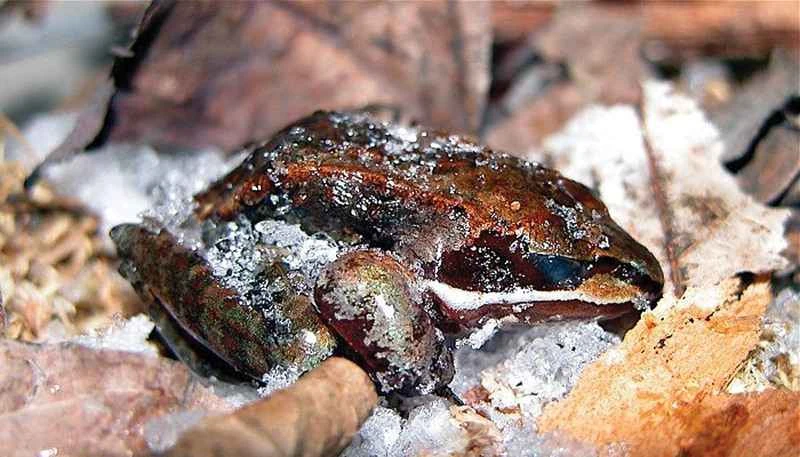
The Alaskan wood frog is one of the animals with the longest hibernation periods, and remarkably, it can tolerate extremely cold environments. When the outside temperature drops, the frog's skin begins to freeze, covering its entire body. At the same time, about 60% of the water in its body also freezes.
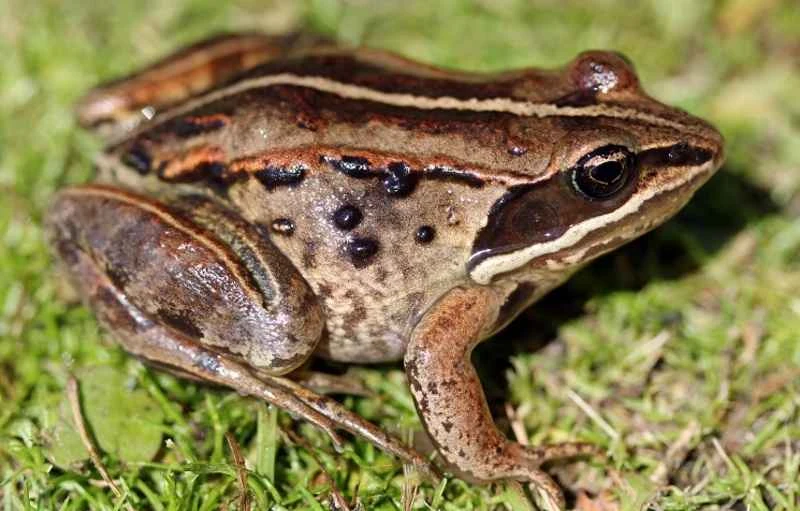
When frozen solid, the wood frog resembles a fragile ice sculpture. Even at -18°C, it can survive for up to eight months without breathing or a heartbeat. As temperatures rise, the ice inside and outside the wood frog gradually melts, and it regains its vitality and begins to move again.
5. Alpine ground squirrel (the mammal with the longest hibernation period, lasting up to 8 months)
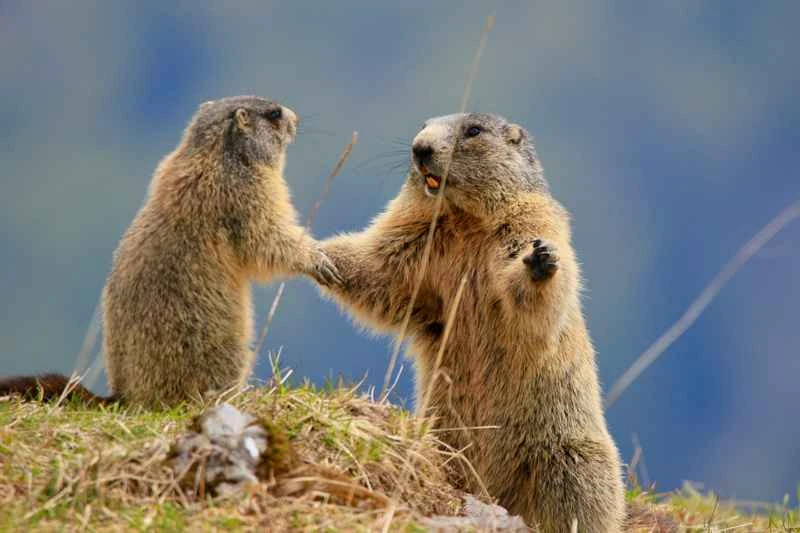
Generally, groundhogs hibernate for 3 to 6 months, waking naturally as temperatures rise. Alpine groundhogs, however, require an even longer hibernation period. As soon as summer arrives, they begin collecting old plant stems in their burrows to prepare for hibernation. They begin hibernation in September or October and can hibernate for up to 8 months.
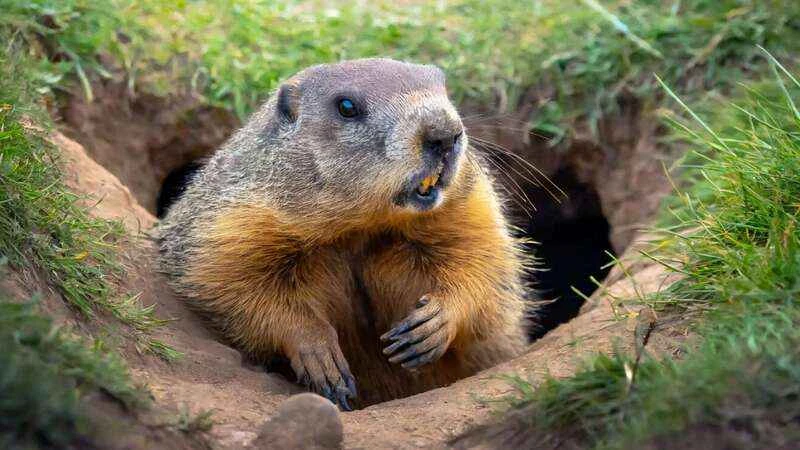
During hibernation, alpine marmots huddle together to conserve their stored fat for the long winter. During this time, their body temperature remains almost the same as the outside temperature, their heart rate drops to 5 beats per minute, and their respiratory rate decreases to 1 to 3 breaths per minute.
6. Fat-tailed dwarf lemur (7 months old, the primate with the longest hibernation period)
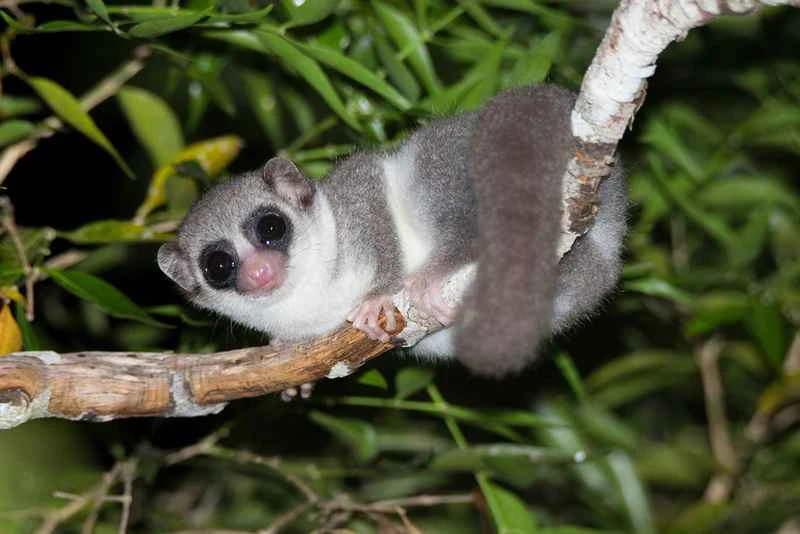
Among primates, the fat-tailed dwarf lemur has the longest hibernation period. As the only primate species that hibernates, they choose to hibernate in order to survive the dry season when food is scarce, despite living in tropical regions.
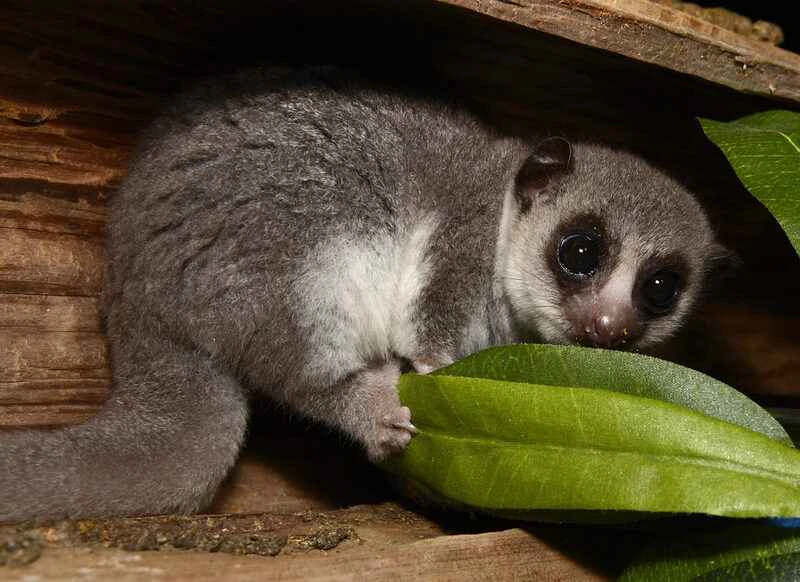
In Madagascar, temperatures drop to their lowest point each year in June and July, coinciding with the dry season. During this time, the fat-tailed dwarf lemur enters a hibernation period of up to seven months, only waking up in January of the following year. During this dry season, they rely on the fat stored in their tails to survive. After hibernation, their weight may drop to half of its original amount.
7. North American Grizzly Bear (7 months old, the bear with the longest hibernation period)
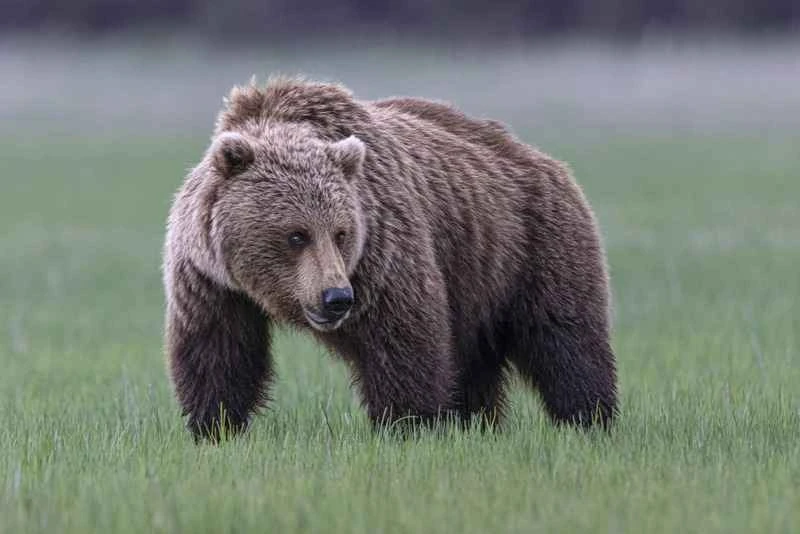
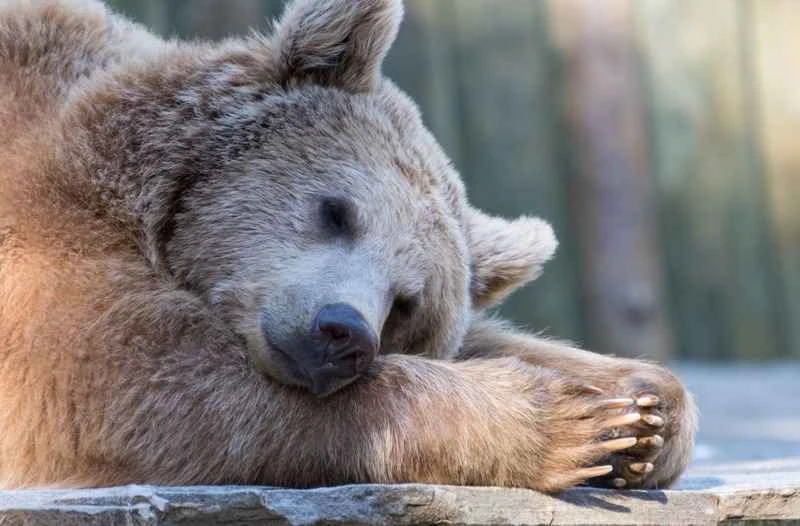
Bears living in cold northern regions hibernate, while black bears inhabiting subtropical and tropical regions typically do not. Bear hibernation can last four to five months. During hibernation, they will immediately awaken if disturbed and may occasionally emerge from their dens.
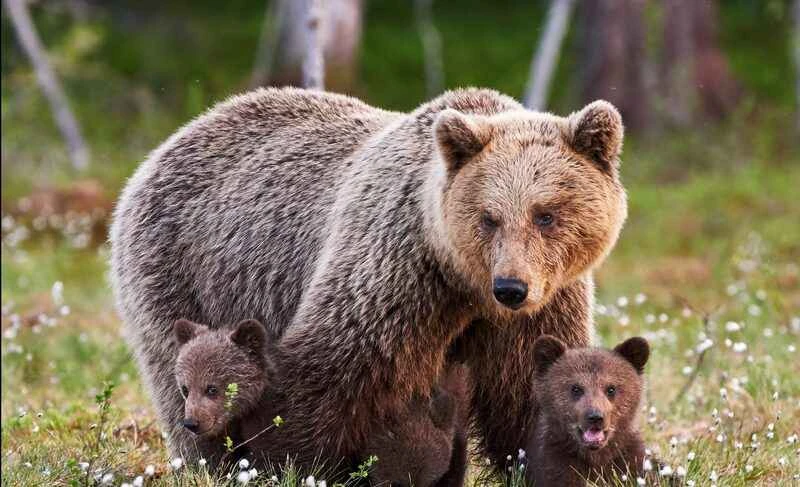
It's worth noting that North American grizzly bears have the longest hibernation period, lasting up to seven months, and they can give birth during this time, typically producing two cubs per litter. North American grizzly bears are among the most dangerous animals in North America, and their numbers are now extremely low due to overhunting.
8. Weak Nightjar (5 months, the bird with the longest hibernation period)
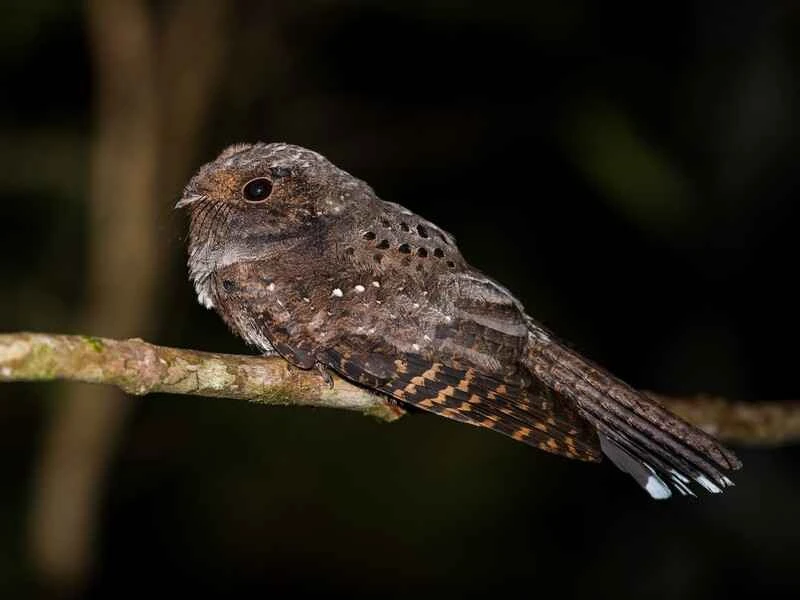
I always thought birds didn't hibernate, but in fact, the Weak Nightjar is the only known bird species that truly hibernates. While brief periods of "hibernation" are not uncommon among birds, complete hibernation like that of the Weak Nightjar is extremely rare. When winter arrives, they hide in rock crevices or decaying wood caves, hibernating for up to five months.
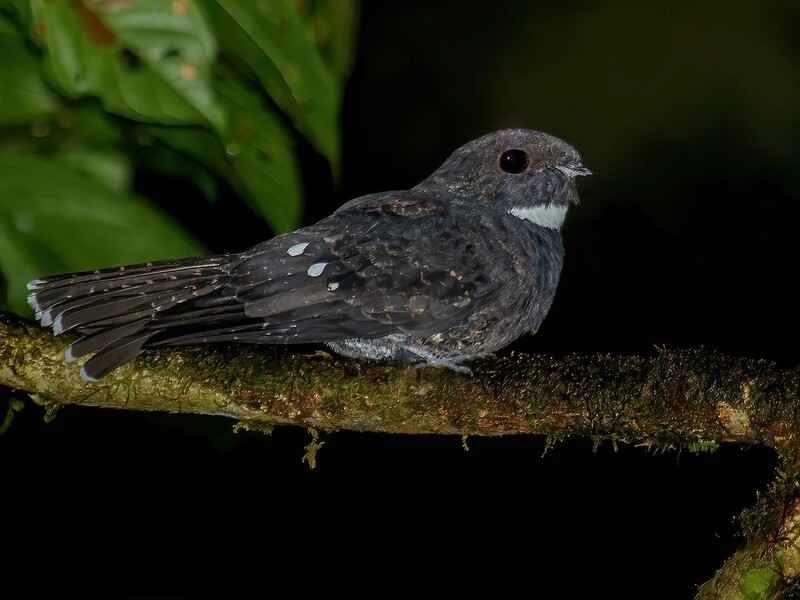
During this period, their energy consumption is only 7% of their normal level, and they remain in a deep hibernation for up to 100 days. After hibernation ends, it takes them about 7 hours to regain their normal mobility.
9. Great Brown Bat (344 days, the longest record in captivity)
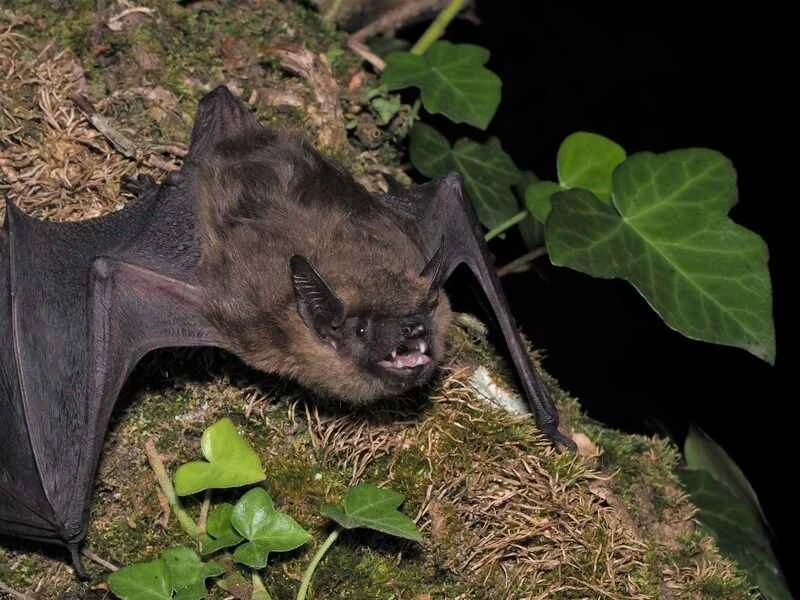
The greater brown bat, also known as the lesser night bat or the greater brown bat, is widely distributed across Eurasia and North Africa. They typically inhabit various secluded locations such as rooftops, wide buildings, narrow walls, and wooden water towers. Their breeding season begins in early June, with each birth producing one to two offspring. Among captive animals, the greater brown bat of the Americas holds the record for the longest hibernation period.
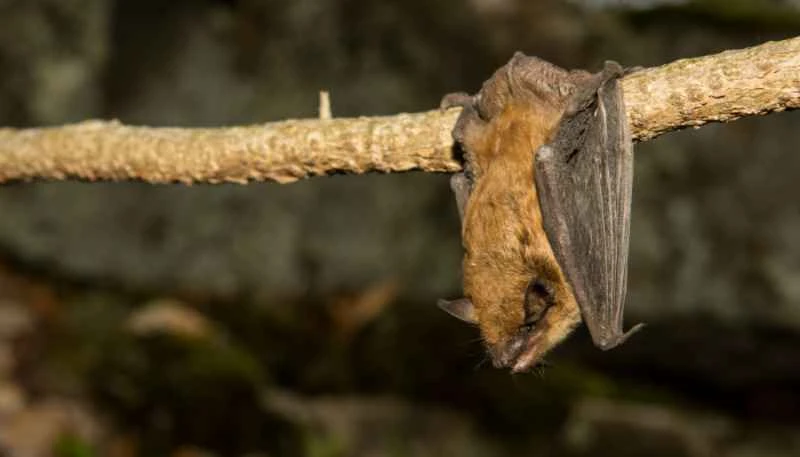
In the wild, they typically hibernate for 64 to 66 days, but in captivity, hibernation can last up to 344 days, meaning they spend almost the entire year in a dormant state.
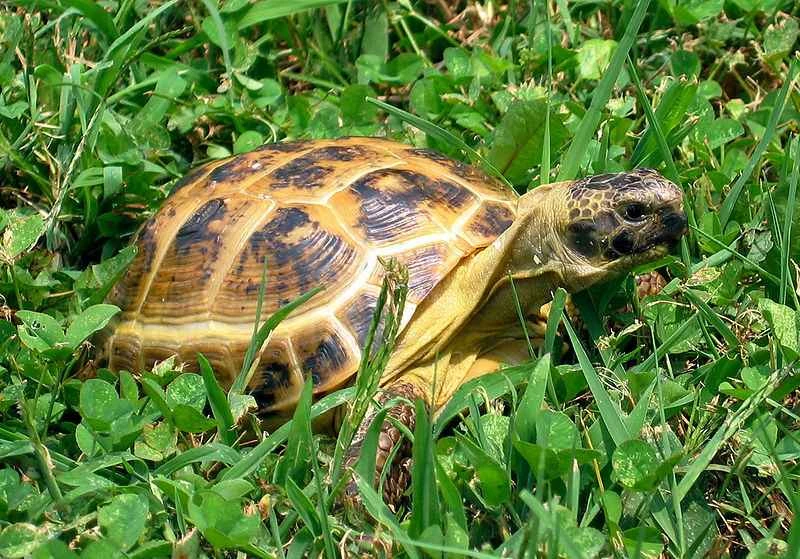
10. Four-clawed tortoise (which hibernates in both winter and summer)
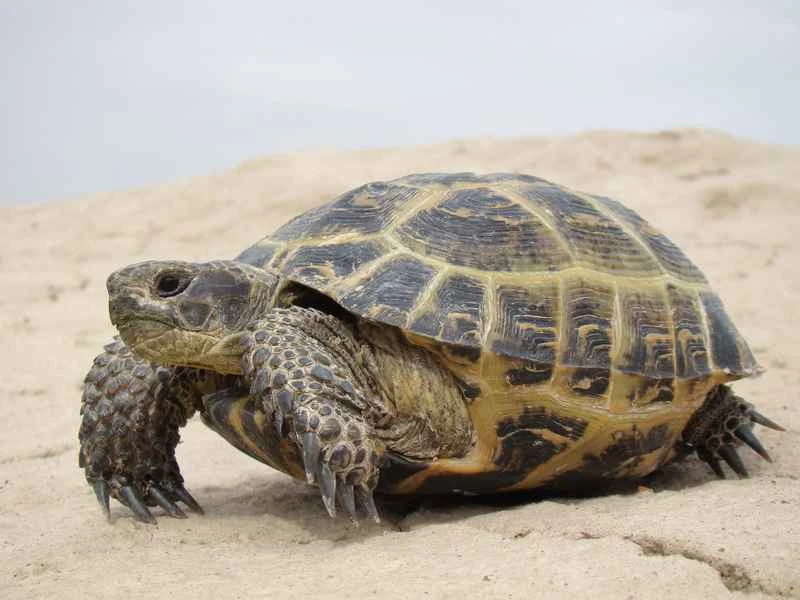
The four-clawed tortoise, also known as the steppe tortoise, is a Class I protected animal in China. As one of the oldest living reptiles, it is also one of only three species of tortoises in the world. Four-clawed tortoises are typically most active from March to May, but their activity gradually decreases after June and July, only feeding before dusk to prepare for hibernation. They enter hibernation around September, lasting 3 to 5 months, and also estivate for 1 to 2 months. In reality, four-clawed tortoises are only active for less than 100 to 110 days each year.
Other common hibernating animals include : prairie dogs (around 6 months), bats (around 6 months), Chinese alligators (May-June), garter snakes (5-6 months), groundhogs (3-6 months), lizards (around 5 months), hedgehogs (April-May), polar bears (April-May), chipmunks (around 4 months), skunks (around 4 months), ants (3-4 months), ladybugs (3-4 months), newts (3-4 months), etc.
The list of the world's ten longest hibernating animals is based on the animals' hibernation time, various animal records, and a comprehensive reference to relevant internet rankings and lists. If you have any questions, please feel free to comment or offer criticism at the end.