Teeth play a vital role in humans and most animals, serving as the first step in food digestion. However, some animals in nature have no teeth at all. How do they eat and survive? This article will introduce you to 10 typical "toothless animals," exploring their body structures and unique evolutionary mechanisms, revealing why some animals can survive without teeth.
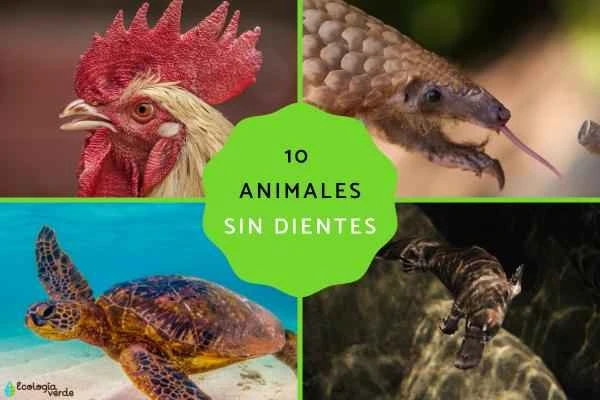
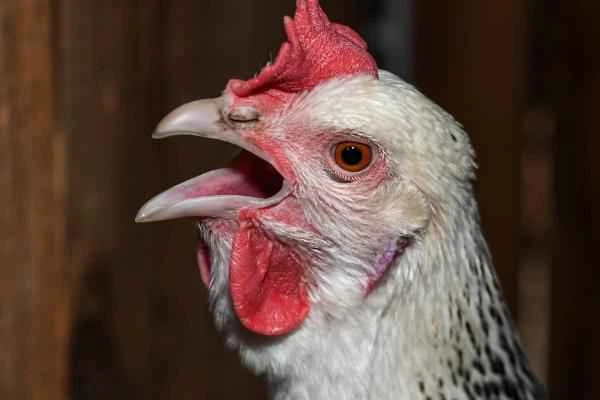
1. Domestic chicken (Gallus gallus domesticus)
Although domestic chickens primarily feed on hard grains, they are typical toothless animals. They store food in their crop, which moistens and softens it, and then crush it in their gizzard (or gizzard) using swallowed small stones (gastric stones). The gizzard functions like teeth, but is located in the abdomen rather than the mouth. This digestive structure ensures that chickens can efficiently absorb nutrients even without teeth.
2. Baleen whales (Mysticeti)
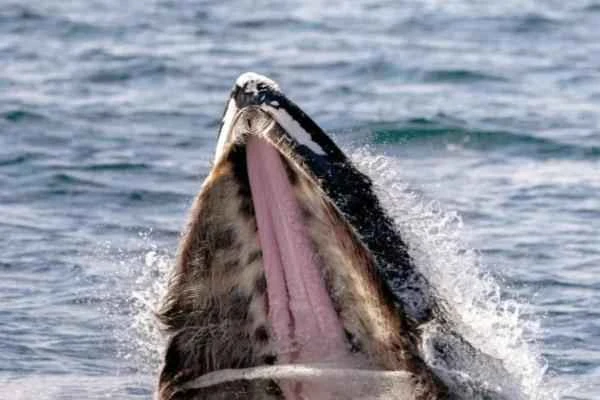
Baleen whales are large marine mammals that lack teeth. Instead, they use baleen plates to filter planktonic organisms and small crustaceans from the seawater. Baleen is a keratinous structure that acts like a sieve, helping them filter food after ingesting large amounts of seawater, making them typical filter feeders.
3. Nasal whale (Ziiphidae)
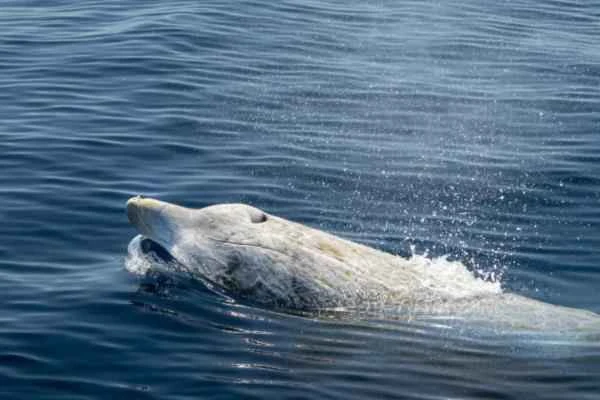
Although nose whales belong to the toothed whale family, most individuals do not possess visible teeth. Only some males grow a pair of small teeth used for fighting. They primarily feed by forcefully sucking up their prey, swallowing rather than chewing, thus having very little reliance on teeth. Despite being classified as "toothed whales," the nose whale's lifestyle can also be considered "toothless."
4. Pangolin (Pholidota order)
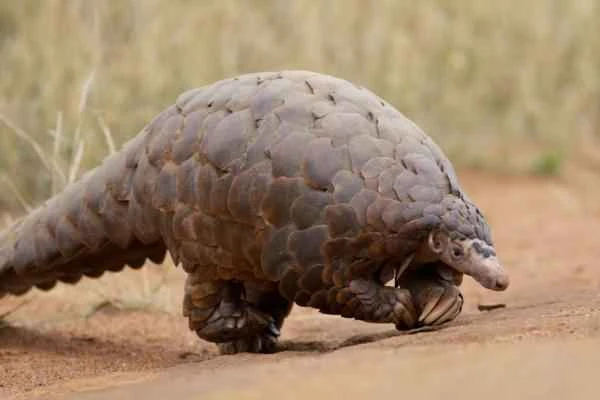
Pangolins are anteaters that have no teeth and rely entirely on their extremely long, sticky tongues to capture prey from ant nests. To aid digestion, they swallow small stones to help grind food in their stomachs. Their stomach walls are extremely tough and can withstand ant venom, making them a typical "toothless predator."
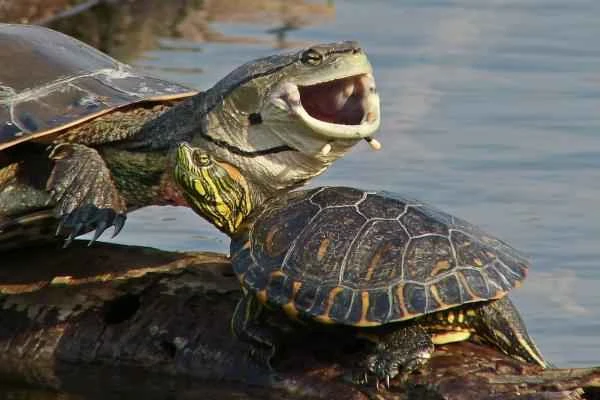
5. Turtles (order Testudines)
All turtles lack teeth. Their upper and lower jaws have evolved into hard, beak-like structures, like bird beaks, used to gnaw on plants or break the shells of small prey. Young turtles possess a temporary "egg tooth" during incubation to help them hatch, which then quickly falls off.
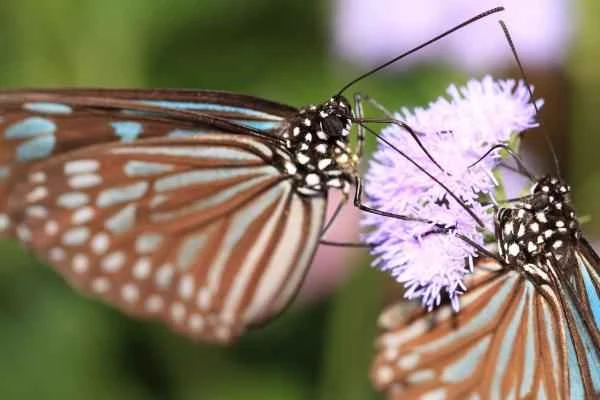
6. Butterfly (Lepidoptera)
Butterflies do not eat solid food; they feed on nectar, fruit juice, or decaying matter, and therefore do not need teeth. They possess a sucking structure called a "beak-like mouthpart" (also known as a tube mouthpart), which can extend like a straw to suck up liquids.
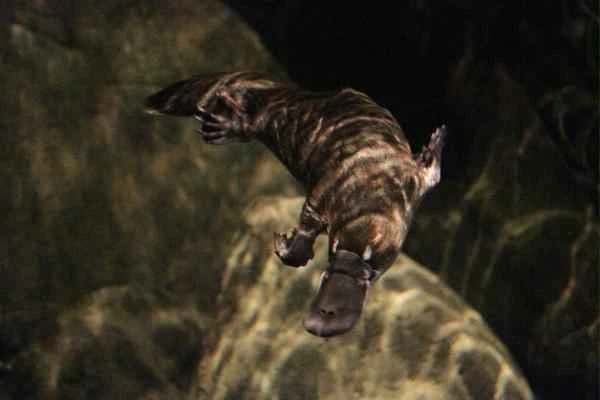
7. Platypus (Ornithorhynchus anatinus)
The platypus is a very special monotremes. It has teeth when it is young, but these teeth fall out as it grows up and are replaced by keratinous grinding plates. It uses these grinding plates to crush food and has venom glands to assist in hunting. It is a representative of toothless predatory mammals.
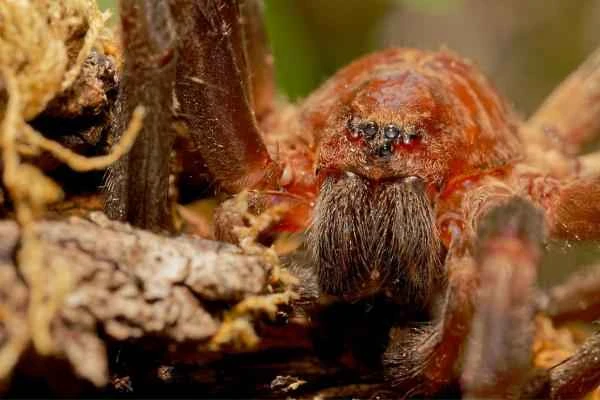
8. Spiders (Arachnida class)
Spiders also lack teeth in the traditional sense. They use structures called "chelicerae" (or "chelicerae teeth") to inject venom to paralyze their prey, and then suck out its body fluids. This method of feeding eliminates the need for chewing, completely bypassing the function of teeth.
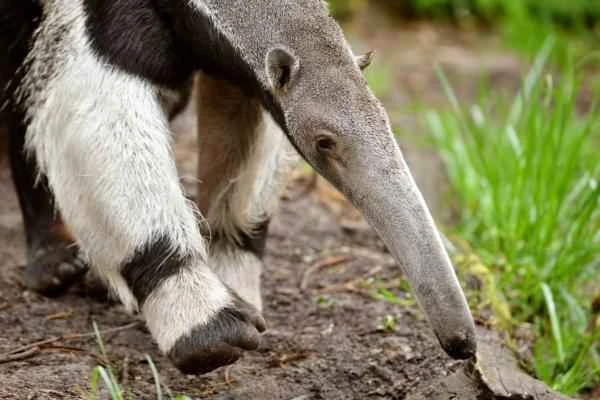
9. Anteater (suborder Vermilingua)
As their name suggests, anteaters feed exclusively on ants and termites. They lack teeth, instead using their long tongues and powerful forelimbs to dig into ant nests and swallow their prey for digestion. Like pangolins, they also ingest small stones to help grind their food.
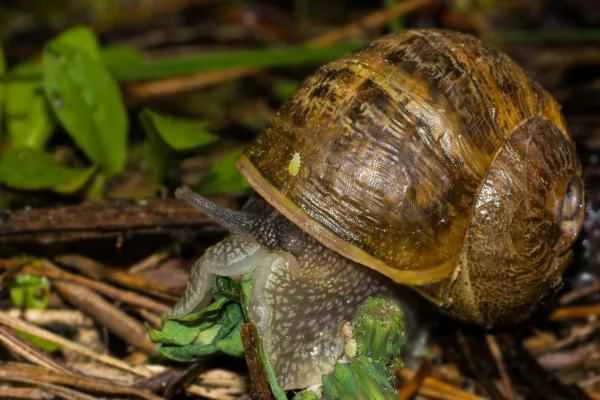
10. Snails (Pulmonata order)
Snails may appear delicate, but they possess a special organ called a "radula," which scrapes away at the surface of plants like sandpaper. The radula wears down daily and regenerates rapidly, making it one of the most ingenious feeding tools among toothless animals.
Summary: Why do some animals not have teeth?
These toothless animals have evolved diverse alternative structures—such as gizzards, straw-like mouthparts, filter-feeding structures, or keratinous mollusks—to adapt to different ecological niches. This diversity is a testament to the wisdom of nature.