Some endangered sharks include the great hammerhead shark ( Sphyrna mokarran), the whale shark ( Rhincodon typus) , and the bull shark ( Carcharias taurus ). Sharks are perhaps the most fascinating and imaginative marine animals. Unfortunately, due to natural causes and human activities, many species are already extinct or at risk of extinction.
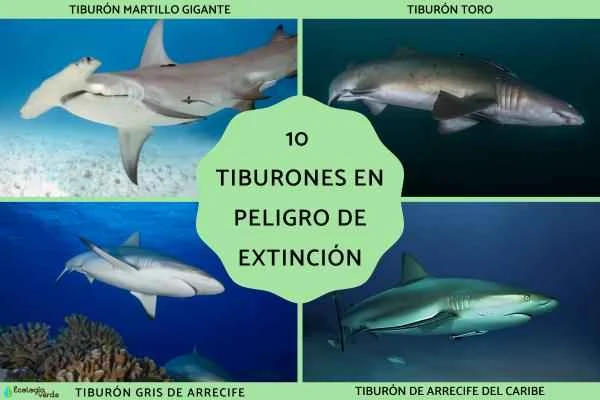
Giant hammerhead shark ( Sphyrna mokarran )
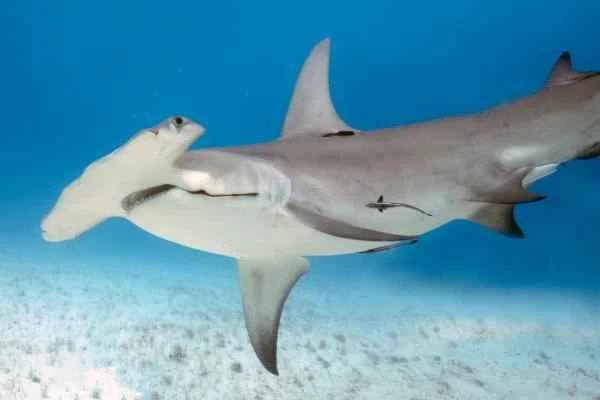
The giant hammerhead shark is endangered due to illegal fishing and bycatch. Bycatch refers to other species accidentally caught by fishermen while targeting their target fish; these sharks usually die in the nets. It is widely distributed in tropical and temperate waters worldwide. It generally does not attack humans unless it is large enough or feels threatened. Reaching lengths of up to 6 meters, its diet includes fish, small sharks, crustaceans, and sea turtles.
Whale shark ( Rhincodon typus )
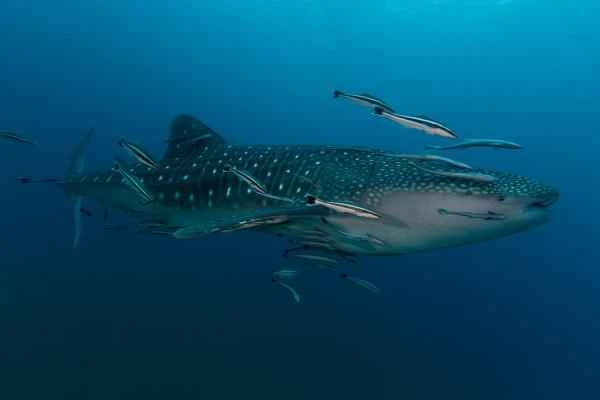
Whale sharks are the largest sharks in the world, reaching lengths of up to 12 meters. They are widely distributed in all the world's oceans, except for the Mediterranean Sea. Because their meat is considered a rare and highly valued food, they are heavily hunted, putting them on the verge of extinction. Despite calls from animal protection organizations to ban hunting, the fishing activities have not been effectively curbed.
Bull shark ( Carcharias taurus )
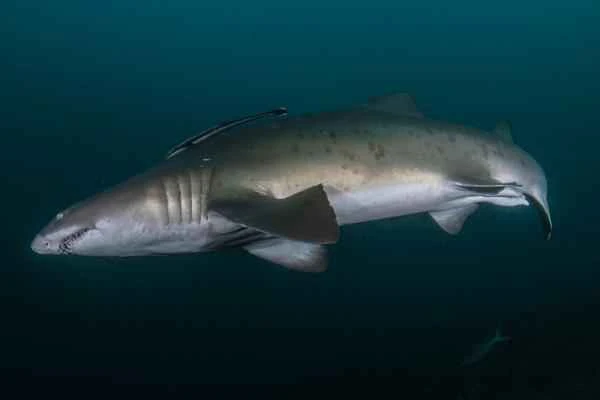
Bull sharks are one of the few sharks that can survive in both fresh and saltwater, reaching lengths of about 3 meters. They are known for their ferocity and frequent attacks on humans, making them considered highly dangerous. Due to their frequent appearances in coastal residential areas, they have been hunted extensively for safety reasons, leading to a significant decline in their numbers.
Angel shark ( Squatina squatina )
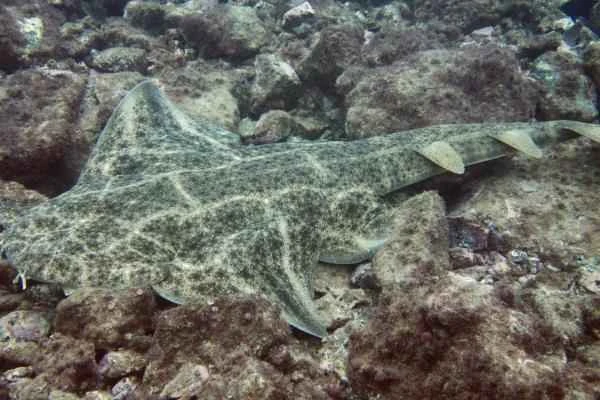
Angel sharks were known for their large pectoral fins, giving them the appearance of "swimming angels." However, due to overfishing, they have become extinct in most waters, with only a small number surviving near the Canary Islands.
Gray Reef Shark ( Carcharhinus amblyrhynchos )
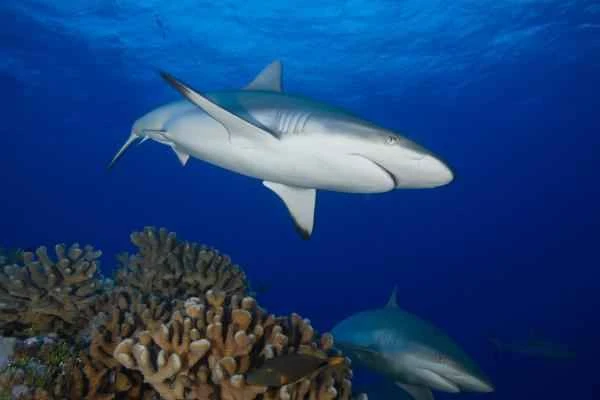
The grey reef shark is one of the most common sharks in the Pacific Ocean, found from Easter Island to the Red Sea. Although widespread, its population has drastically declined due to overhunting and it is now listed as a "near-threatened" species. As its name suggests, it primarily inhabits areas near coral reefs.
Shortfin mako shark ( Isurus oxyrinchus )

Despite being a common species, the shortfin mako shark has seen a dramatic decline in numbers, and experts predict it may soon become extinct. Human fishing and marine pollution have combined to cause a sharp shrinkage of its habitat, which has now almost completely disappeared.
Borneo Shark ( Carcharhinus borneensis )
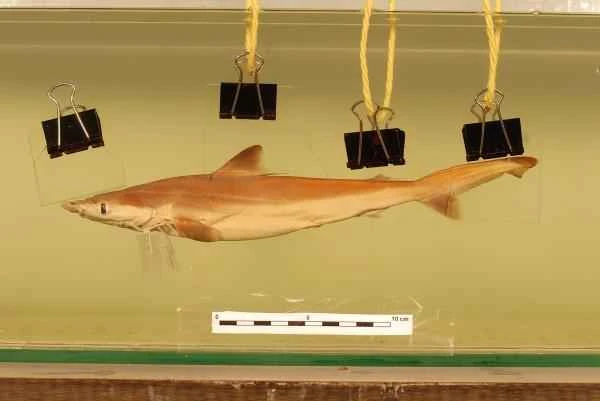
The Borneo shark is listed as an endangered species. Due to the fact that almost its entire body—including its meat, fins, fat, and teeth—is marketable, illegal fishing is rampant, leading to a significant decline in its numbers. If this continues, the species may face complete extinction.
Caribbean reef shark ( Carcharhinus perezi )
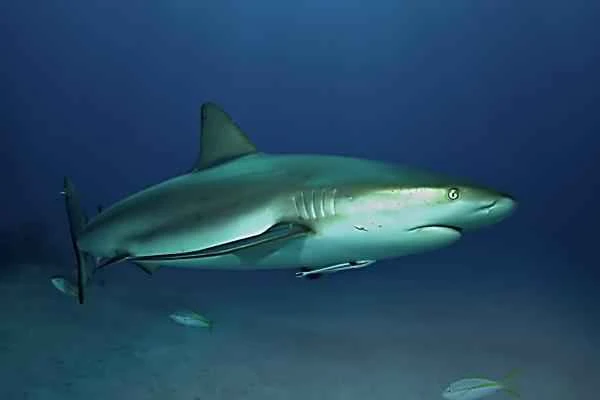
Also known as the coral shark, it is found in the tropical waters of the Atlantic Ocean and the Caribbean Sea. It feeds on fish and rays near coral reefs. Over the past thirty years, its population has decreased by approximately 99% due to fishing.
Small tail shark ( Carcharhinus porosus )
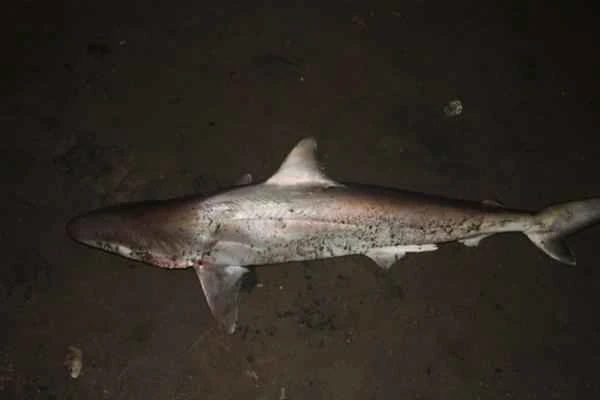
The species has drastically declined, with only a few individuals currently found in the southern South China Sea. Small-tailed sharks are relatively small, averaging about 1 meter in length, and are often prey for larger sharks, which has accelerated their decline. They may become completely extinct within the next few years.
pelagic thresher shark ( Alopias pelagicus )
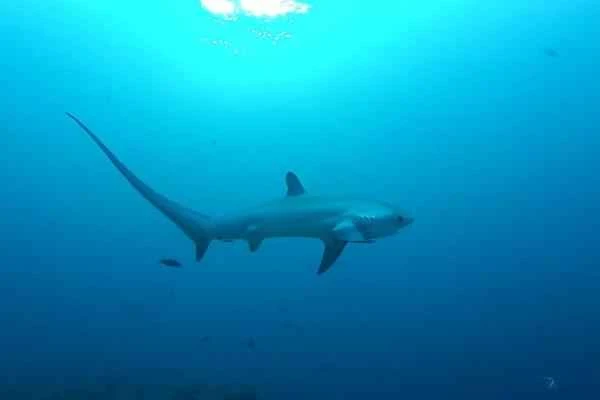
Also known as the pelagic fox shark, it is distributed in the tropical and subtropical Indo-Pacific region. Its enormous tail fin is almost as long as its body. Due to the high economic value of its meat, liver, skin, fins, teeth, and fat, the thresher shark is hunted extensively. Squalene extracted from its liver is widely used in cosmetics, health products, and high-end vitamins. Furthermore, its extremely low reproductive rate, with births far outpaced by hunting, has led to its current status as a critically endangered species.