Pelagic fishes are a diverse group of species that inhabit the open ocean. They are a fundamental part of the food web, forming schools, migrating, and possessing significant economic value. Examples include yellowfin tuna, bluefin tuna, swordfish, and mackerel.
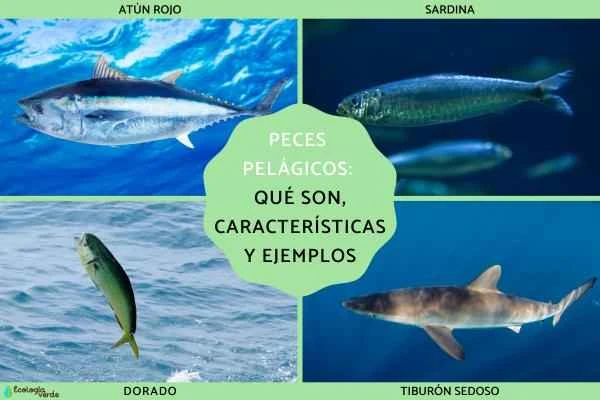
Table of contents
What are pelagic fish and what are their characteristics?
Yellowfin tuna
Bluefin tuna
swordfish
mackerel
sardine
Mackerel (also known as Japanese mackerel or Dorado mackerel)
Pacific Mackerel
pike
Blue Shark
Silky Shark
1. What are pelagic fish and what are their characteristics?
Pelagic fishes are those that live in the surface or middle layers of the ocean (i.e., far from the seabed and nearshore areas). They are mostly distributed in the upper layers of water where sunlight can reach (i.e., the "zone of light") and rarely come into contact with the deep seabed. Their main characteristics include:
Key links in the food chain : Some pelagic fish are large predators, while others are the main food source for many animals and an important bridge for the flow of energy in the ocean.
Group living : Most pelagic fish prefer to form large schools, which helps them defend against predators and improve hunting efficiency.
High economic value : Fish such as tuna, mackerel, and swordfish are important economic fish species in global fisheries and require scientific management to prevent overfishing.
Strong migratory ability : Many pelagic fish undertake long-distance migrations, such as crossing oceans to reproduce or forage.
They reproduce in various ways : most of them release eggs or larvae into ocean currents to increase the survival rate of offspring.
2. Yellowfin tuna (Thunnus albacares)
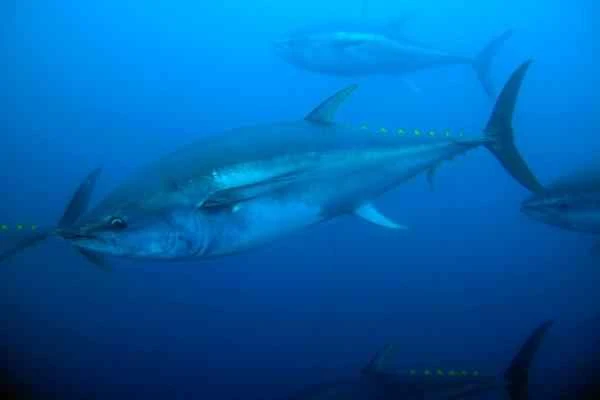
Yellowfin tuna are large, fast swimmers, and mainly distributed in tropical and subtropical warm waters, generally inhabiting depths of less than 100 meters. They are highly recognizable by their metallic blue body color and bright yellow second dorsal and anal fins. Yellowfin tuna are an important economic fish species globally, but overfishing has led to their endangerment.
3. Bluefin tuna (Thunnus thynnus)
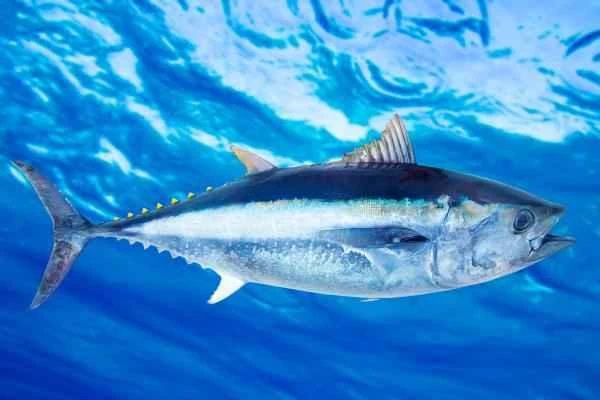
Bluefin tuna are widely distributed and are among the largest tuna species, reaching lengths of up to 3 meters and weighing up to 700 kilograms. They can dive to depths of 1,000 meters. Due to their delicious and highly valued meat, they are now threatened by overfishing, and various countries have established strict quotas for protection.
4. Xiphias gladius

Swordfish are typical pelagic predators, large in size with an elongated, sword-shaped snout. They are widely distributed in all the world's oceans, primarily feeding on cephalopods, fish, and crustaceans. Swordfish can maintain a body temperature higher than the surrounding seawater, making them one of the only fish species with partial homeothermic abilities. Due to overfishing, their numbers have declined in some areas.
5. Mackerel (Scomber japonicus)
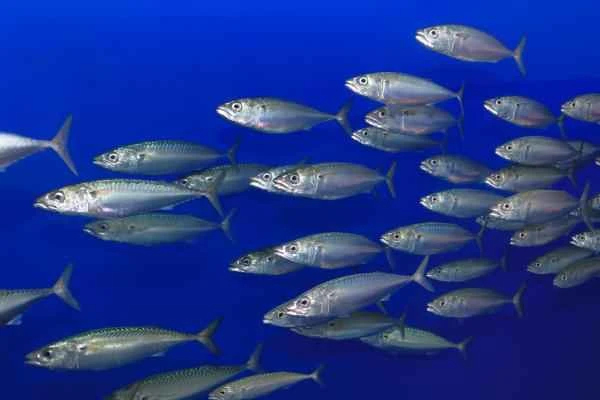
Mackerel, also known as blue mackerel, is distributed in temperate waters worldwide, commonly found in shallow waters up to 300 meters deep. Small in size, mackerel are bluish-green with black stripes and feed on plankton, small fish, and cephalopods. Mackerel is a major ingredient in canned and processed foods, and its resources are abundant and easy to catch.
6. Sardines (Sardina pilchardus)
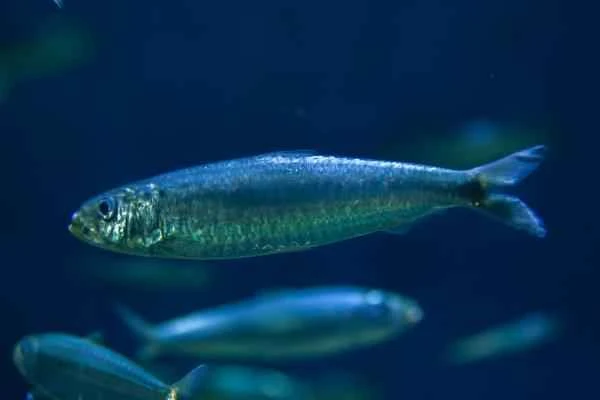
Sardines are slender, silvery-colored, and widely distributed, making them a primary prey for many large predators. Sardines form large schools, diving during the day and surfacing at night to feed, thus forming an important part of the marine food web. Their peak breeding season is during the winter when water temperatures are low.
7. Multiscaled Mackerel/Mahi-mahi (Coryphaena hippurus)
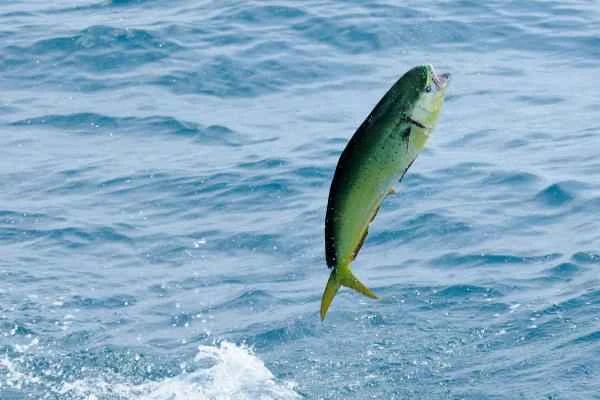
Commonly known as mackerel or dolphin, the mackerel is a brightly colored, large pelagic fish commonly found in warm and tropical waters. It can reach lengths of over 1 meter and primarily feeds on squid and small fish. The mackerel is popular for both its economic and recreational fishing value.
8. Pacific Mackerel (Scomberomorus sierra)
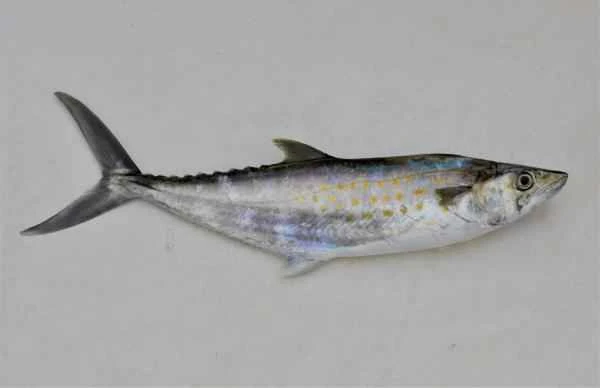
The Pacific mackerel is a pelagic fish found from California to Peru and the Galapagos Islands. It has a streamlined body, swims extremely fast, often forming large schools, and primarily feeds on sardines and anchovies. It is an important economic fish species in coastal and near-shore fisheries.
9. Barracuda (Acanthocybium solandri, English name: wahoo)
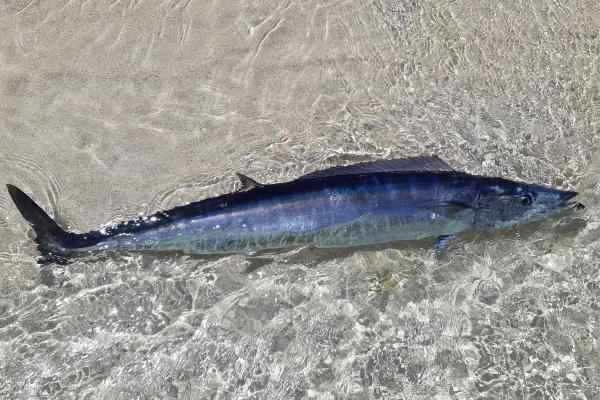
Barracuda are fast-swimming fish found in tropical and subtropical waters worldwide. They can reach 2.5 meters in length and weigh 80 kilograms. They grow quickly, reach sexual maturity early, and have delicious flesh, making them an important target for sport fishing and commercial fishing.
10. Blue Shark (Prionace glauca)
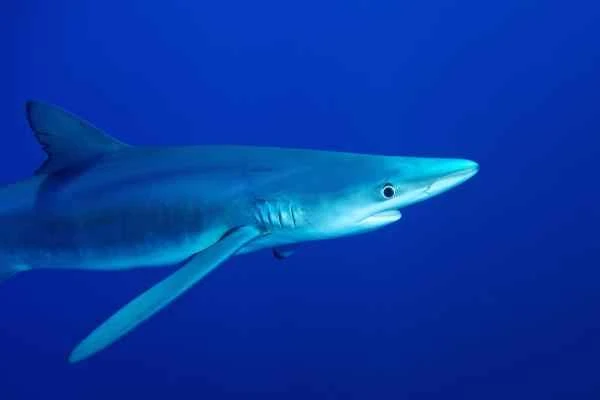
Blue sharks are among the most widely distributed pelagic sharks in the world, known for their active nature and strong migratory abilities. They can reach lengths of up to 4 meters and primarily prey on fish, cephalopods, and occasionally birds. Blue sharks are growing rapidly, and due to their large-scale migrations and widespread distribution, fisheries pressure is difficult to assess precisely, but they are already approaching endangerment.
11. Silky shark (Carcharhinus falciformis)

Silky sharks are the most common and most caught pelagic sharks globally, found in tropical and subtropical waters worldwide, both nearshore and in the open ocean. This highly migratory species is listed as vulnerable by the IUCN and urgently requires enhanced conservation and management.
Summarize
Distant-water fishes not only play an irreplaceable role in marine ecosystems but are also a vital pillar of global fisheries. Rational fishing, scientific management, and conservation of these key fish species are crucial for sustainable marine development.