Beavers are the largest rodents in North America, known for their complex behavior and family-centered lifestyle. Understanding how beavers feed their young provides insights into their survival strategies and the role they play in the ecosystem.
Beaver Family Dynamics Overview
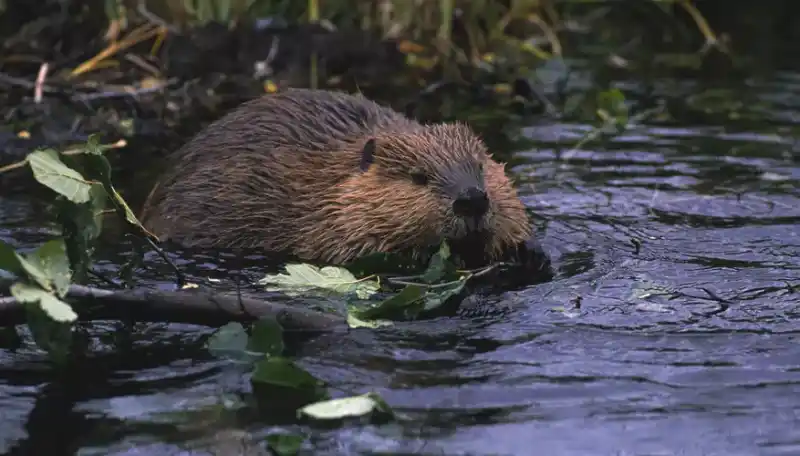
Beavers are highly social animals, living in family groups known as colonies. They are renowned for their dam-building skills, constructing expansive dens as their family's dwellings. These dens also serve as strategic locations for storing food, especially during the winter.
Nutrition begins for beaver pups
Beaver pups are born covered in fur and with their eyes open, indicating they are ready for an active life. However, their initial feeding stage is largely dependent on their parents:
Initial diet
| age | diet |
|---|---|
| From birth to 2-3 weeks | Exclusive breast milk |
| 3 weeks or more | Introduce solid foods, such as fresh twigs and leaves. |
Transition to solid foods
As the young grow, their diet expands to include a variety of plant-based foods:
| Food types | Detailed information |
|---|---|
| tree bark | The soft inner layer of maple and other deciduous trees |
| vegetation | Cattails, grasses, ferns, mushrooms |
| Aquatic plants | The tubers and buds of cattails and water lilies in spring and summer |
Parents play a crucial role in teaching their young which foods are safe and nutritious, guiding them in choosing suitable trees and other plant materials.
Winter preparation and food storage
To cope with the harsh winter, beavers begin collecting food in late summer and store it near their underwater huts. This storage area includes:
| Stored items | use |
|---|---|
| branches and twigs | It can be obtained under the ice, providing a continuous food supply during the winter. |
Beavers ensure a stable food supply through strategic storage, allowing them to remain active and nutritious even in frozen environments.
Social and eating behaviors
A beaver's den is not only a home, but also a center for raising cubs and sharing resources within the group. Beaver couples typically raise one litter of cubs per year, and the cubs learn to forage and eat under the guidance of their parents.
Conclusion: The indispensable role of beavers in aquatic ecosystems
Beavers are not only skilled builders, but also play a crucial role in maintaining healthy wetland ecosystems. By understanding the feeding habits of beaver pups, we can gain insights into the intricate balance of nature and the importance of parental care in the animal kingdom.