The Mediterranean Sea is home to a diverse array of sharks, including the velvet lantern shark, blue shark, sevengill shark, granulator shark, great white shark, and tiger shark. At least 47 species of sharks inhabit its waters. The sharks in this region are characterized by their harmlessness and bottom-dwelling nature, meaning they tend to stay on the seabed. They maintain the balance of the marine ecosystem by consuming prey on other marine fish.
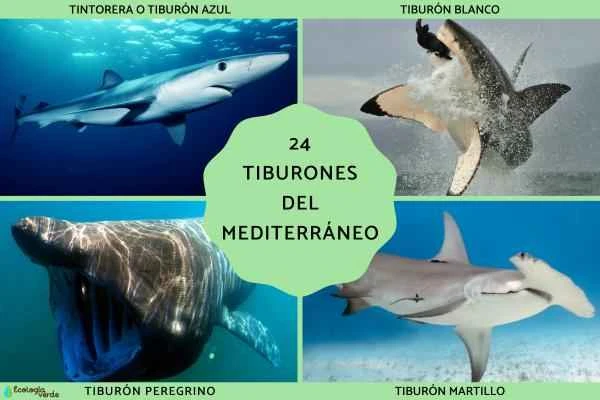
Table of contents
Velvet-bellied lantern shark
Blue Shark
Seven-gilled shark
Atlantic Cat Shark
basking shark
Mako Shark
angel shark
Thresher
Rotating Shark
Speartail shark
Copper Shark
Little Spotted Cat Shark
big nose shark
Small-toothed sand tiger shark
Roughtooth Shark
Spotted shark
White Shark
Portuguese shark
Dogtooth Shark
Tiger Shark
Hammerhead Shark
Bull Shark
Atlantic mackerel
Star Shark
1. Velvet-bellied lantern shark (Etmopterus spinax)
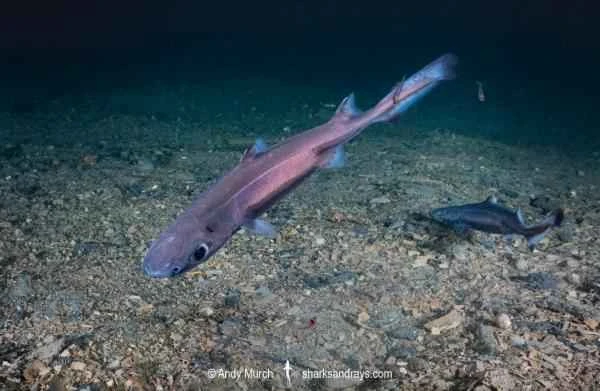
This small Mediterranean shark measures about 40 centimeters in length. It possesses dorsal fin spines for defense and luminous lines on both sides of its body, allowing it to become almost invisible in the deep sea and help it evade predators.
2. Blue Shark (Prionace glauca)
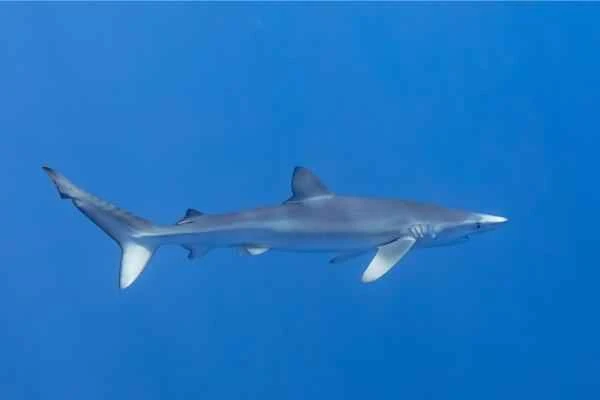
The most widely distributed shark in the world, commonly found in the Mediterranean Sea, reaching lengths of up to 2 meters. It has a blue back and white belly and prefers to migrate with ocean currents. It feeds on fish and small seabirds, but due to extensive fishing for its fins and flesh, it is occasionally seen near the shore.
3. Seven-gill shark (Heptranchias perlo)

The rare gill shark can live in waters ranging from the surface to depths of 1,000 meters, and adults can reach a length of 1.5 meters. It feeds on bony fish, crustaceans, and small sharks, and is active and tolerant of different water depths, making it an important predator in the ecosystem.
4. Atlantic catshark (Galeus atlanticus)
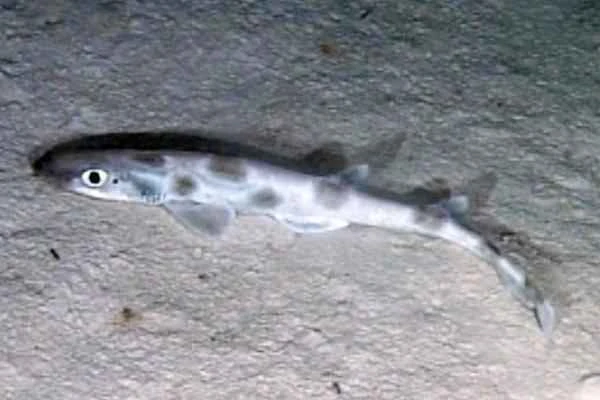
A small, slender shark, about 45 cm in length, with a grayish-brown back and black spots. It lives at depths of 400-600 meters, has a black mouth, and a small, dark dorsal fin. It typically inhabits the deep waters of the Atlantic Ocean and the Mediterranean Sea.
5. Basking shark (Cetorhinus maximus)
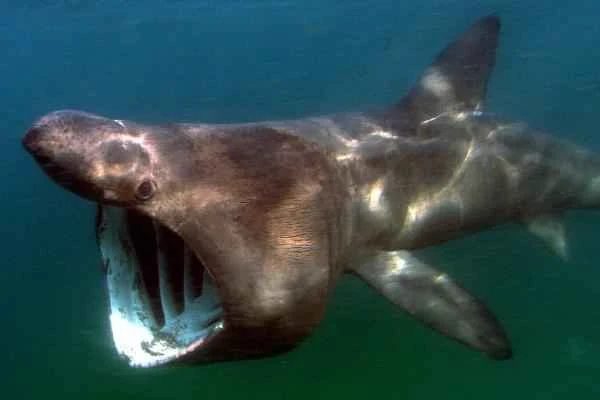
The largest shark in the Mediterranean and the second largest in the world, after the whale shark. It can grow to over 9 meters in length, is gentle in nature, mainly filters plankton, is harmless to humans, and migrates seasonally in spring and autumn.
6. Mako shark (Carcharhinus plumbeus)
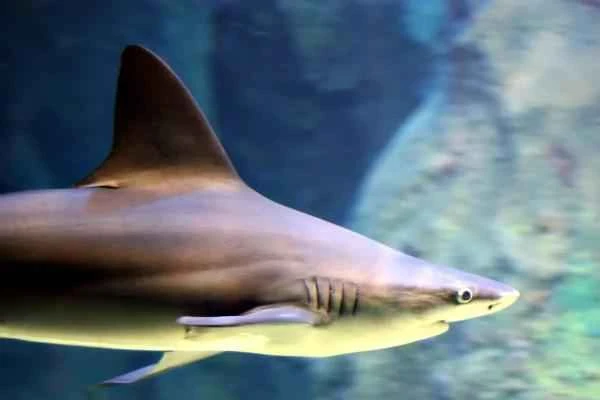
A large, bottom-dwelling shark, reaching up to 2.5 meters in length. Nocturnal, it primarily feeds on fish, crustaceans, and small sharks. It prefers nearshore waters and is commonly found in the shallow waters and sandy seabeds of the Mediterranean Sea.
7. Angel shark (Squatina squatina)
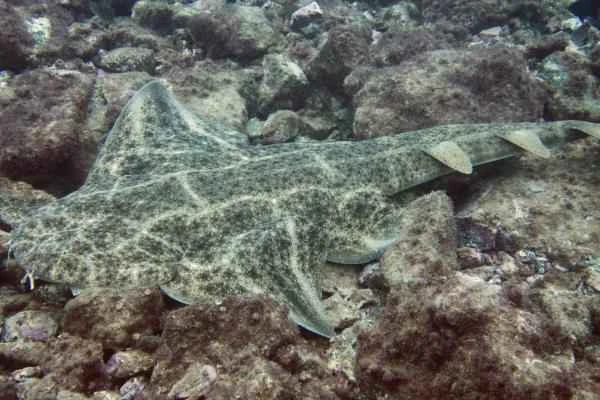
With a flattened body resembling "angel wings," it is easily confused with stingrays. It prefers to ambush prey from sandy bottoms and is found in the shallow waters of the Mediterranean. Its numbers have declined drastically, and it is now critically endangered.
8. Thresher shark (Alopias superciliosus)
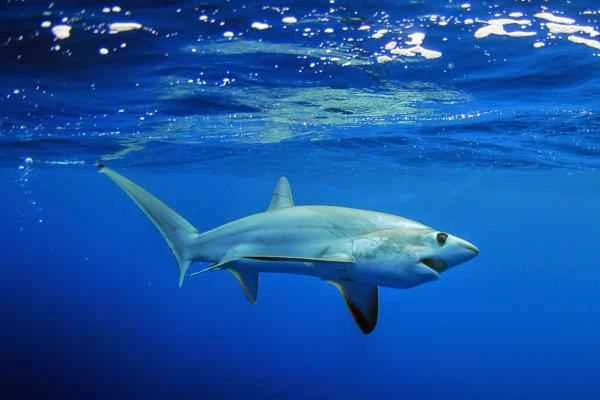
Characterized by its enormous tail fin and prominent eyes, it hunts by striking its prey with its tail and inhabits depths of 30-45 meters. With a lifespan of up to 30 years, it is an upper predator in the food chain.
9. Spinning Shark (Carcharhinus brevipinna)
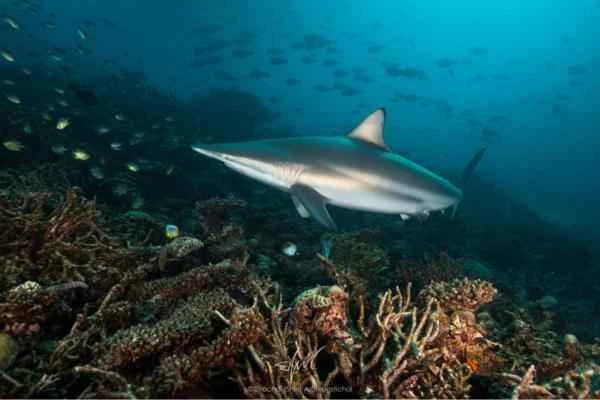
Medium-sized, fast swimmers capable of complex leaps. Commonly found in semi-tropical waters up to 100 meters deep. Females ingest the placenta during birth; a non-aggressive but highly resistant shark species.
10. Speartail shark/shortfin mako shark (Isurus oxyrinchus)
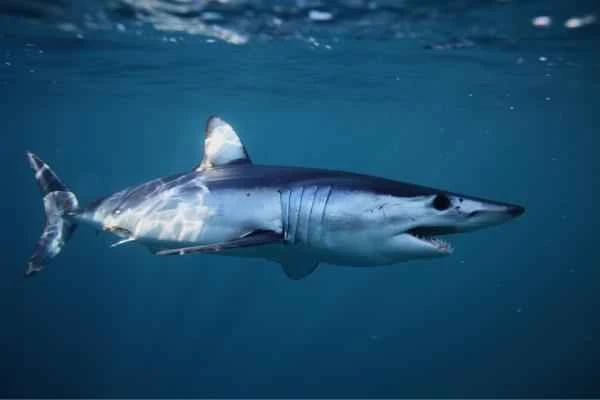
Also known as the Spanish mackerel shark, it is adept at high-speed swimming and leaping out of the water. It can reach a length of 3 meters and is distributed globally. Due to overfishing for its meat, skin, and fins, it is now endangered.
11. Copper Shark (Carcharhinus brachyurus)
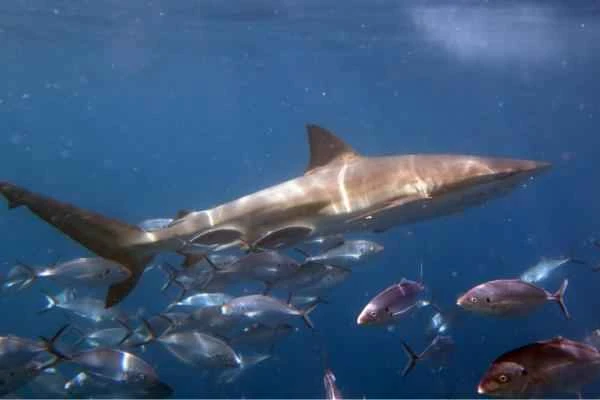
It has a slender body, a bronze-yellow color, and a white belly. It can reach up to 3 meters in length, has an omnivorous diet, and does not actively attack humans. Its teeth are hook-shaped, and it primarily feeds on small and oily fish.
12. Scyliorhinus canicula
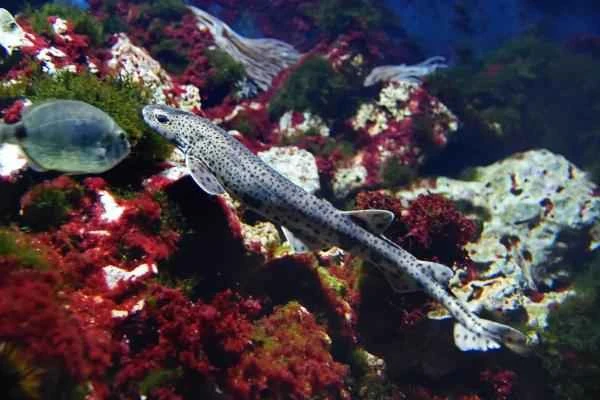
It has a grayish-yellow body with brown spots, is mainly nocturnal, and feeds on crustaceans and cephalopods. It is commonly found near the Mediterranean coast. Females lay 100 eggs at a time, and the eggs are of high economic value.
13. Great Nose Shark (Carcharhinus altimus)
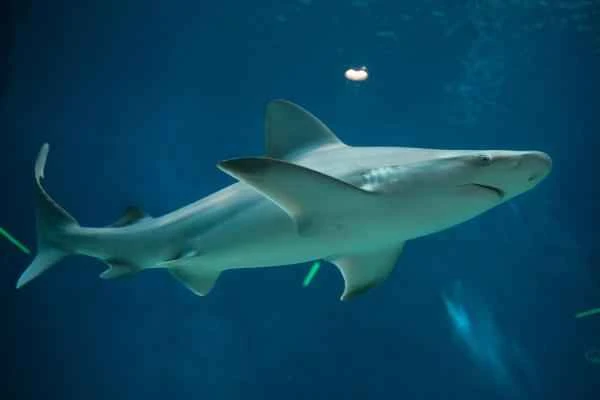
It has a long snout and round head, and can reach a length of 3 meters. It inhabits the middle layer of water and mainly feeds on small fish and mollusks. Due to overfishing for purposes such as fish oil and fishmeal, it is now protected.
14. Small-toothed sand tiger shark (Odontaspis ferox)
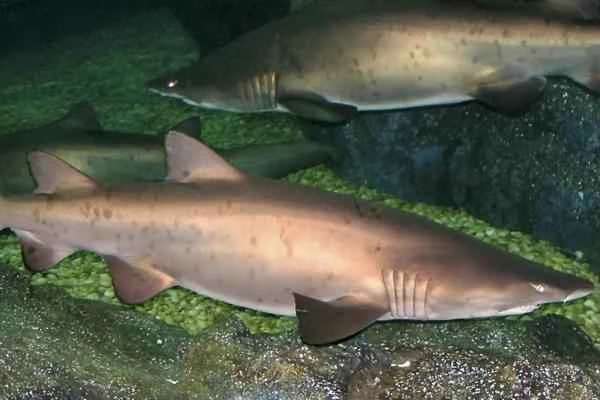
It has an oblong, gray body with five pairs of gill slits. Mature females can reach up to 3.6 meters in length and prefer rocky reefs and deep-sea environments. It belongs to the small sand tiger shark family and is gentle in temperament.
15. Rough-toothed shark (Squalus acanthias)
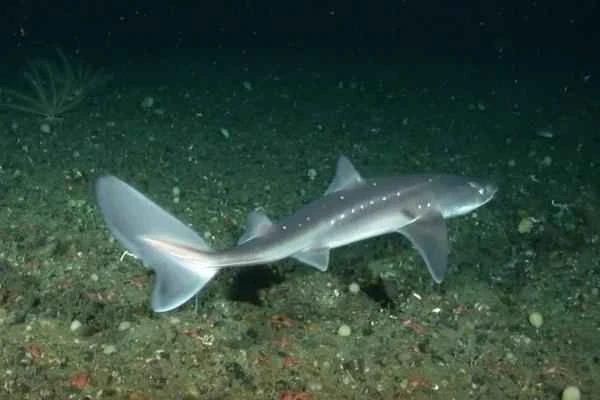
It reaches a length of 1.5 meters and has venomous spines on its dorsal fin. It has a wide distribution, moves slowly, and often lives in groups. It can migrate to depths of 800 meters and primarily feeds on bottom-dwelling fish.
16. Spotted shark (Centrophorus granulosus)
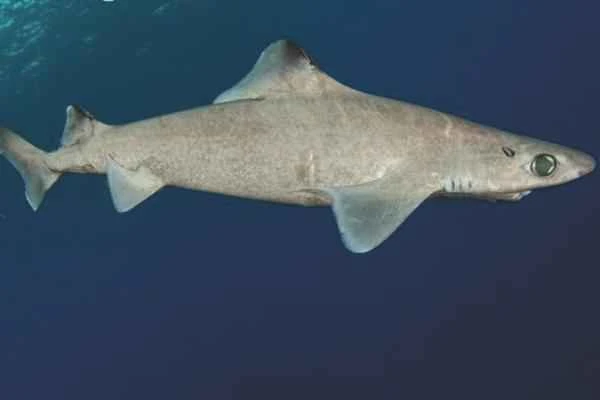
It measures 80-100 cm in length, has a grayish-brown back, sharp teeth, a knife-shaped upper jaw, and serrated lower jaw. It primarily preys on small fish and squid. It can live up to 70 years.
17. Great White Shark (Carcharodon carcharias)
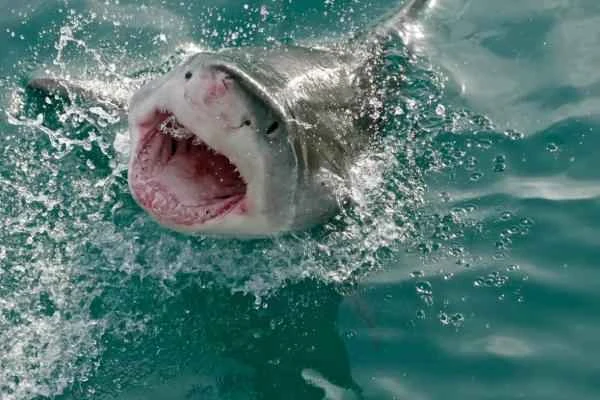
One of the world's largest predatory sharks, reaching up to 6 meters in length, the famous "Megalodon." It excels at preying on large fish, birds, and other sharks, possessing strong attack power and a keen sense of smell.
18. Portuguese shark (Centroscymnus coelolepis)
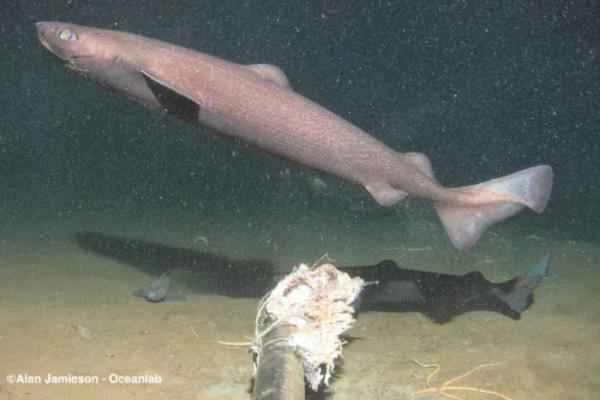
Deep-sea sharks are found at depths of up to 4,500 meters. They are adapted to dark environments and are adept at preying on bioluminescent organisms. They have a robust body and dark coloration.
19. Dogtooth shark (Galeorhinus galeus)
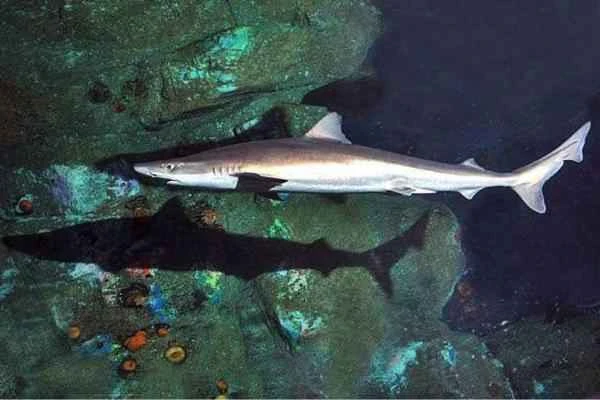
Commonly found nearshore, reaching 2 meters in length, with delicious flesh. An important commercial fish, it can produce up to 35 offspring at a time, has a long lifespan, and its population faces the threat of overfishing.
20. Tiger shark (Galeocerdo cuvier)
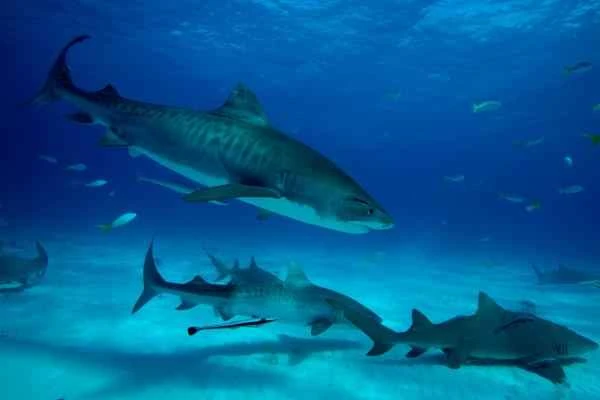
They are robust in build, with tiger stripes, and are highly nocturnal. They are known for hunting various large prey, have sharp teeth, regenerative abilities, and are highly adaptable.
21. Hammerhead Shark (Sphyrna mokarran)
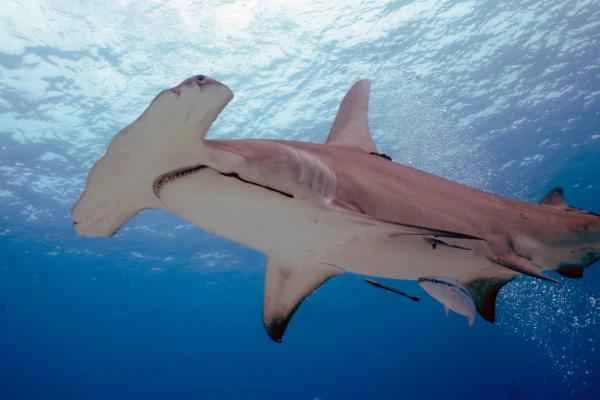
Its head is T-shaped, adaptable to various sea temperatures. It lives in groups, is very active, and feeds mainly on invertebrates and fish.
22. Bull shark (Carcharias taurus)
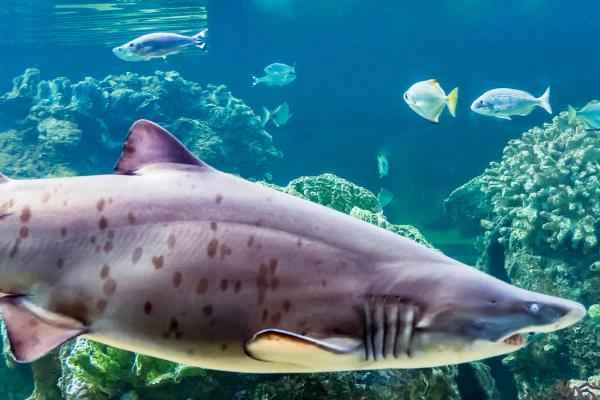
They are docile and slow swimmers. They can swallow air to increase buoyancy and are widely distributed. Females incubate their eggs internally, and the hatchlings can survive on their own after hatching.
23. Atlantic mako shark (Lamna nasus)
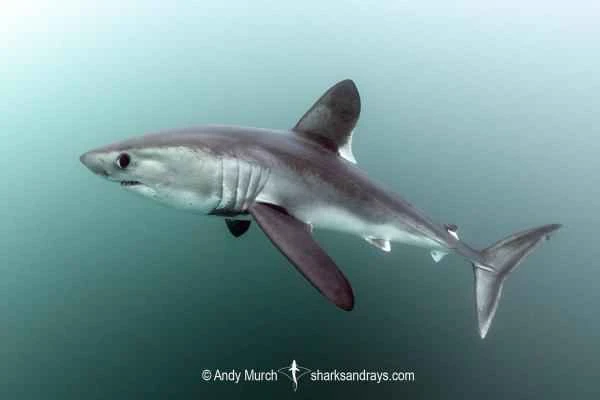
Robust build, with a bluish-grey back. Known for its speed and jumping ability, it is a formidable predator. Threatened by overfishing, it is classified as a vulnerable species.
24. Star shark (Scyliorhinus stellaris)
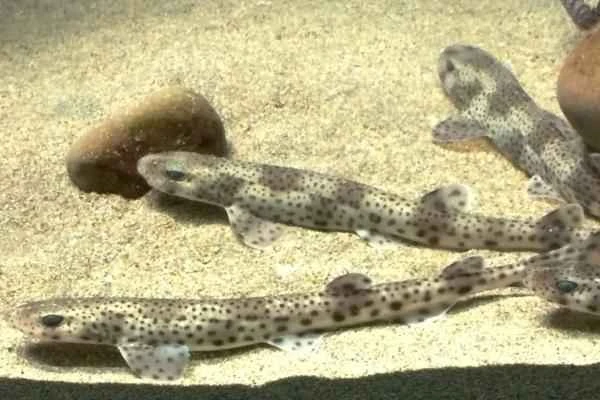
It has a yellow body with brownish ring-shaped spots, is nocturnal, and often inhabits rocky or sandy bottoms. It is relatively small in size and highly adaptable.
Summarize
The Mediterranean is rich in shark species and is an indispensable member of the marine ecosystem. Scientific conservation and rational fishing are crucial for the sustainable development of the ecosystem and fishery resources.