Bats are mammals belonging to the order Chiroptera. These animals, often referred to as vampire bats, make up about 20% of all mammals. The Kitti hog-nosed bat is one of the smallest bats in the world, while the largest is the Philippine crowned bat.
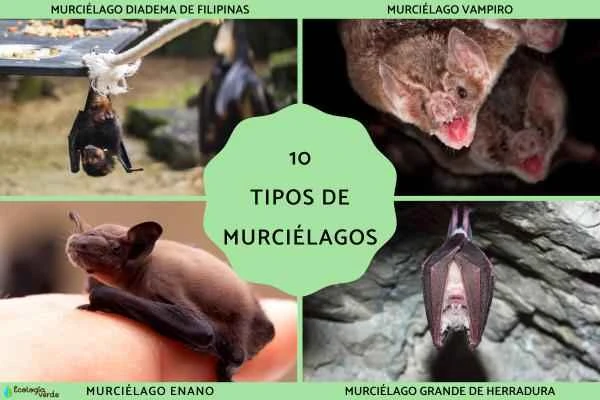
Table of contents
Global Bat Species and Brief Introduction
Kitty's pig-nosed bat
Philippine crown fruit bat
Livingston fruit bat
vampire bats
Indiana Bat
Egyptian fruit bat
dwarf bats
small brown bat
big hoofed bat
Atacama mouse-eared bat
1. Global Bat Species and Brief Introduction
Bats belong to the order Chiroptera and are among the most widely distributed mammals in the world, with over 1,386 species, accounting for approximately 20% of all mammals. Bats vary greatly in size, from tiny to enormous, and are vital members in maintaining the balance of ecosystems. The smallest bats, such as Kitty's hog-nosed bat, weigh only 2 grams, while the largest, such as the Philippine crowned fruit bat, can have a wingspan of up to 1.5 meters.
2. Kitty's hog-nosed bat (Craseonycteris thonglongyai)
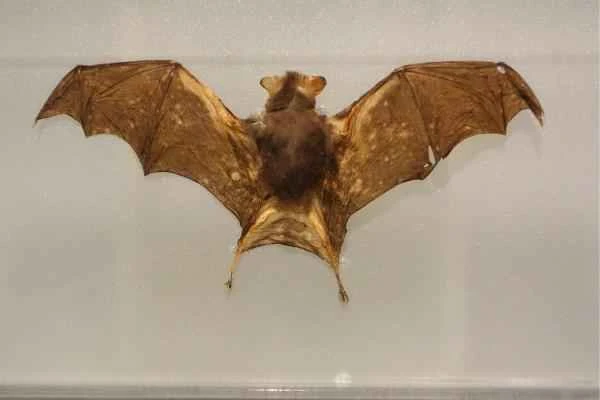
One of the world's smallest bats, measuring 29-33 mm in length and weighing 2 grams, it is found in the forests of western Thailand and southeastern Myanmar. It is active at dusk and dawn, feeding on insects. The IUCN lists it as Near Threatened.
3. Philippine Crowned Fruit Bat (Acerodon jubatus)
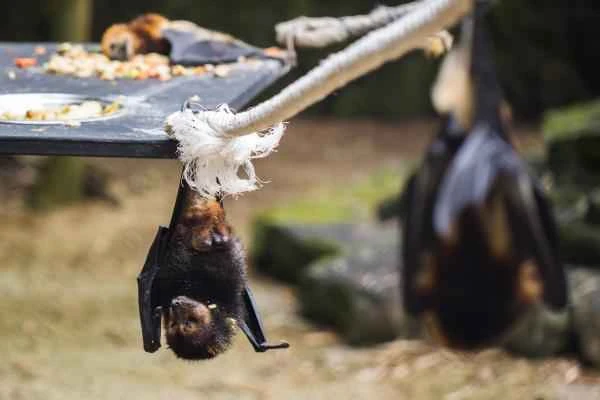
The world's largest bat, with a wingspan of approximately 1.5 meters and a weight of 1.2 kilograms. Tailless and with a fox-like face, it is mainly found in the jungles of the Philippines. It primarily feeds on fruit and is listed as a critically endangered species due to habitat loss and poaching.
4. Livingston fruit bat (Pteropus livingstonii)
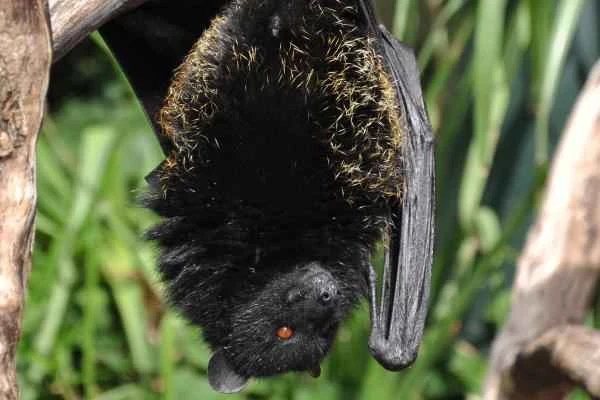
Large fruit bats, weighing 500-800 grams and about 30 centimeters long, are found only in the Comoros Islands of the Indian Ocean. They rely primarily on the fruits of native plants such as figs for their diet. Listed as critically endangered by the IUCN.
5. Vampire bat (Desmodus rotundus)
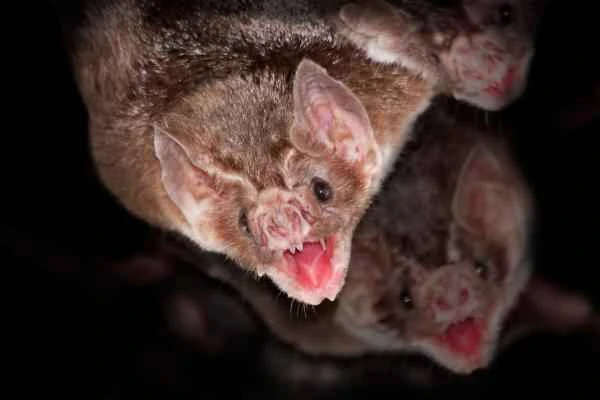
A small bat found from Mexico to South America, measuring 6.8–9.3 cm in length. It feeds solely on vertebrate blood, has brown fur, and is listed as a species of least concern by the IUCN.
6. Indiana Bat (Myotis sodalis)
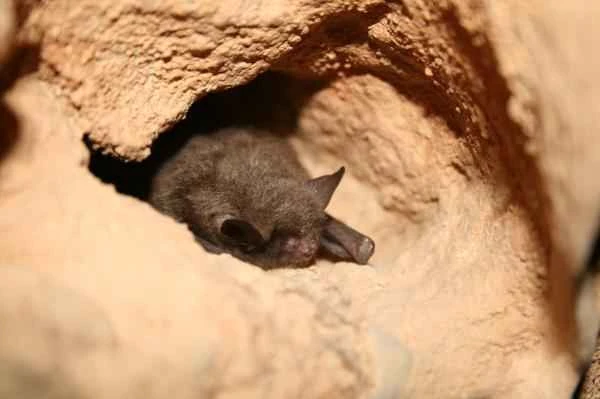
A small bat endemic to North America, measuring 41-49 mm in length. It feeds on insects such as beetles and moths and inhabits the forests of the central and eastern United States. Listed as Near Threatened by the IUCN.
7. Egyptian fruit bat (Rousettus aegyptiacus)
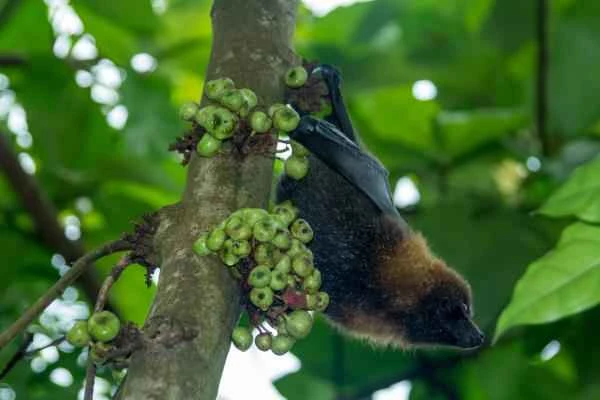
Distributed in sub-Saharan Africa and the Arabian Peninsula, with dark brown fur. It primarily feeds on fruit and plays a crucial role in seed dispersal. Listed as Least Concern by the IUCN.
8. Dwarf Bat (Pipistrellus pipistrellus)
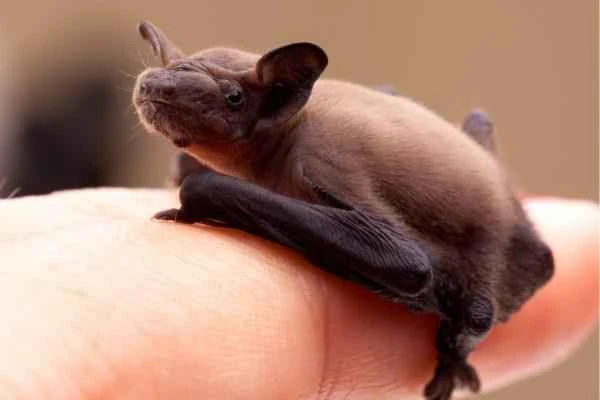
The most common small bat in Europe, measuring 3.5-5 cm in length and weighing 3.5-8 grams. They often form large colonies of thousands and are widely distributed throughout European countries. The IUCN lists them as a species of least concern.
9. Small Brown Bat (Myotis lucifugus)
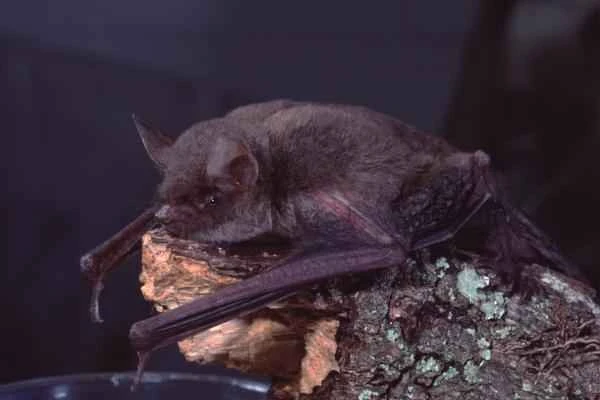
Common in North America, it measures 6-10 cm in length and weighs 5-14 grams. It has a lifespan of up to 30 years and primarily feeds on insects. Due to diseases such as white-nose syndrome and habitat destruction, it is currently listed as an endangered species by the IUCN.
10. Big-hoofed bat (Rhinolophus ferrumequinum)
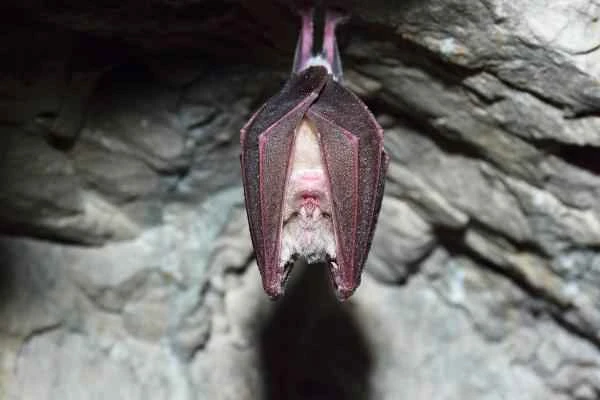
The largest hoe-tailed bat in Europe, it lacks a tragus and navigates by emitting ultrasonic waves from its nose. It is distributed from Southern Europe and North Africa to Japan. Listed as Least Concern by the IUCN.
11. Atacama mouse-eared bat (Myotis atacamensis)
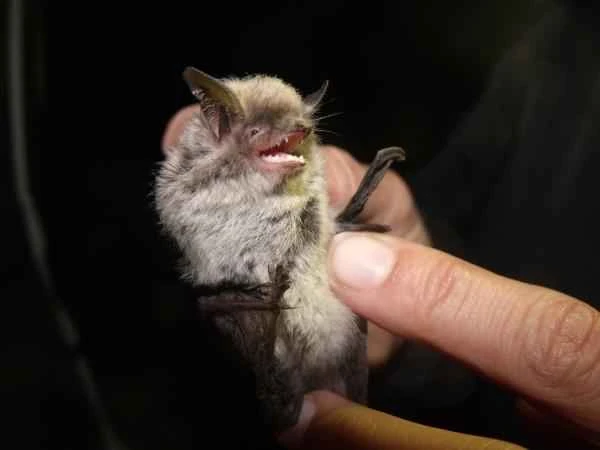
Distributed from northern Chile to the Atacama region of Peru, it has short, grey hair and short, broad wings adapted for flight and hunting. It typically inhabits caves, tree hollows, and near streams. Listed as an endangered species by the IUCN.
Summarize
Bats are incredibly diverse, and regardless of size, they play an irreplaceable role in the ecosystem, playing a vital role in ecological functions such as insect control and seed dispersal. Protecting bat diversity is protecting the health of the Earth's ecosystem.