Owls and barn owls both belong to the order Strigiformes. Strigiformes is further divided into the families Strigidae and Tytonidae. Strigidae includes the genera *Tyto* and *Phodilus*, while Tytonidae is more diverse, encompassing different genera of owls and specific species within those genera. Tytonidae is further divided into subfamilies, such as Asioninae, Striginae, and Surniinae.
In this article, we will detail the various owls found in these subfamilies and explain the genera and species within each subfamily. You will also learn about their distribution, diet, and some owl species in each genus.
Table of contents
Brief Introduction to the Families and Subfamilies of Owls
Asioninae (middle-eared owls)
Asio
Nesasio
Bubo
genus Pseudoscops
Striginae subfamily (forest owls)
Otus
Strix
Other representative species
Surniinae (Eaglets)
genus Aegolius
genus Glaucidium
Athene
1. An introduction to the families and subfamilies of owls
Owls and barn owls both belong to the order Strigiformes, which is mainly divided into the families Strigidae and Tytonidae. Among them, the family Strigidae is the most widely distributed and diverse family in the world, and is further divided into several subfamilies such as Asioninae, Striginae, and Surniinae based on different morphologies and habits.
2. Asioninae subfamily (middle-eared owls)
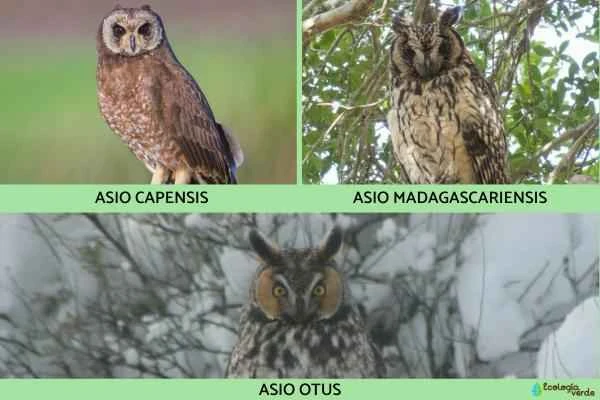
Asio genus : Medium-sized, with prominent "ear feathers", common representatives include the long-eared owl (Asio otus), the African eared owl (Asio capensis), and the Madagascar eared owl (Asio madagascariensis), etc., with a body length of about 30-46 cm and a wingspan of 80-103 cm.
The genus Nesasio includes only the Solomon Islands owl (Nesasio solomonensis), which lives in island forests, has reddish-brown plumage, white eyebrows, and a body length of about 30 cm.
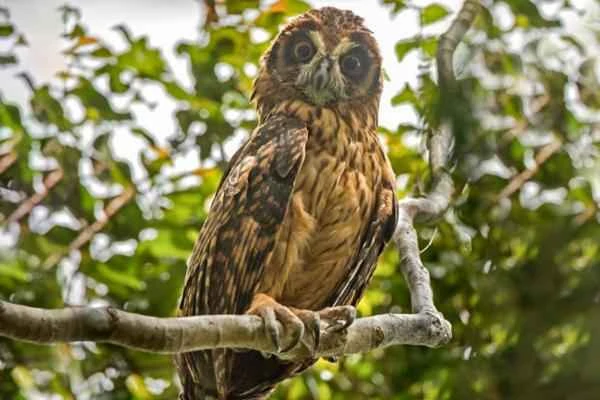
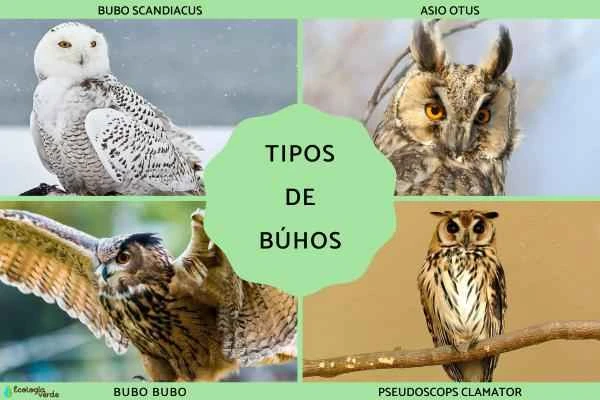
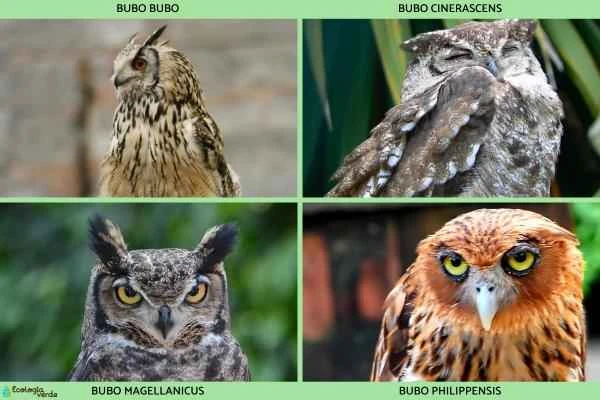
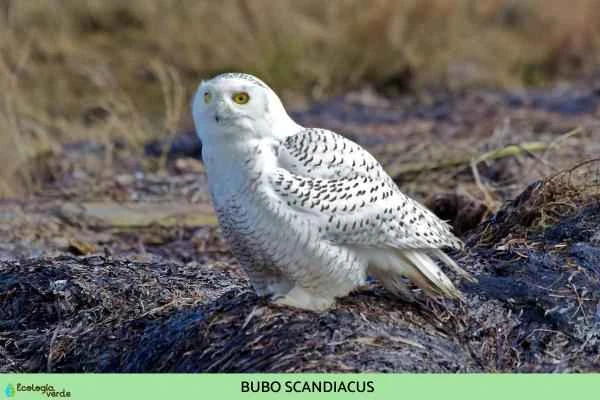
The genus *Bubo * comprises the largest and most widely distributed owls, including the Eurasian Eagle Owl (*Bubo bubo*), the Grey Eagle Owl (*Bubo cinerascens*), the Magellanic Magellanic Owl (*Bubo magellanicus*), the Philippine Eagle Owl (*Bubo philippensis*), and the Snowy Owl (*Bubo scandiacus*). The Snowy Owl, renowned for its pure white plumage, is one of the most famous owls.
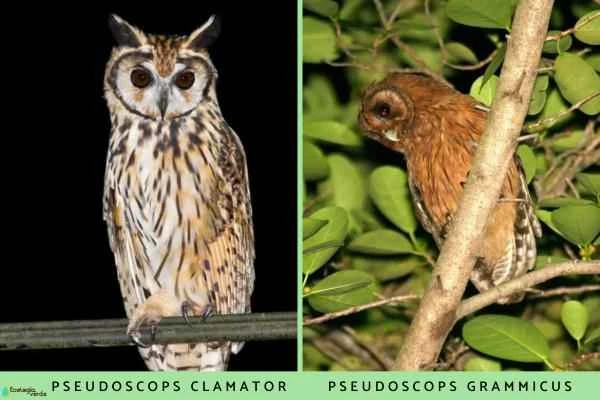
The genus *Pseudoscops * consists of relatively primitive owls with triangular skulls, including species such as *Pseudoscops clamator* and *Pseudoscops grammicus*.
3. Striginae subfamily (forest owls)
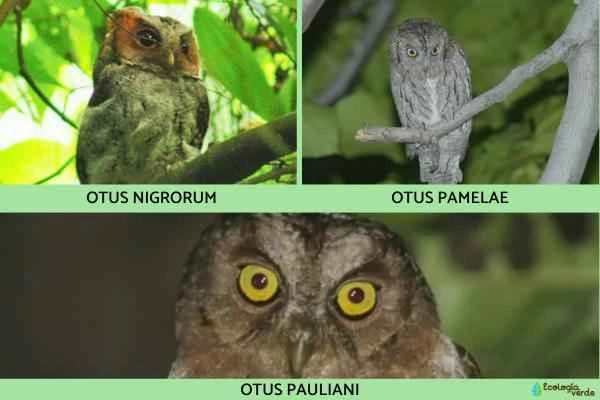
Otus genus : also known as scops owls, are small birds with horn-like plumage on their heads. They are mostly nocturnal, have distinctive calls, and are widely distributed. Common species include Otus nigrorum, Otus pamelae, and Otus pauliani.
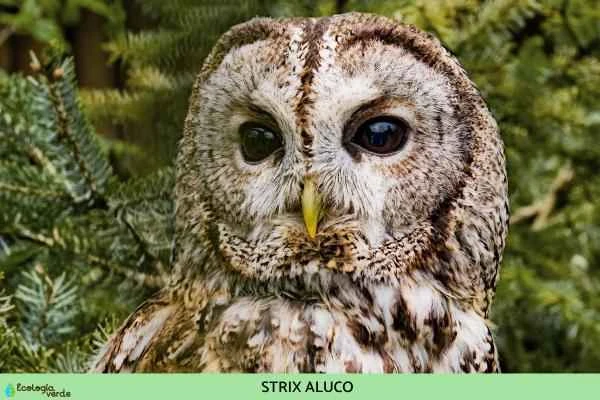
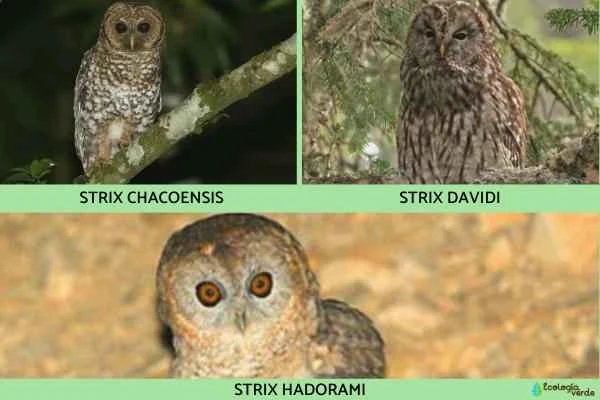
Strix genus : often mistaken for barn owls, distributed in Eurasia, Africa and the Americas, with a body size of 30-40 cm, common species include the common wood owl (Strix aluco), chacoensis, davidi, and hadorami.
Scotopelia genus : endemic to Africa, skilled at fishing, with mostly brown plumage, including Scotopelia bouvieri, Scotopelia peli, and Scotopelia ussheri.
The genus Ketupa : large owls endemic to Asia, measuring 50-60 cm in length, such as Ketupa flavipes, Ketupa ketupu, and Ketupa zeylonensis.
The genus Jubula contains only one species, the maned owl (Jubula lettii), which is distributed in the evergreen forests of African countries such as Congo, Gabon, and Ghana.
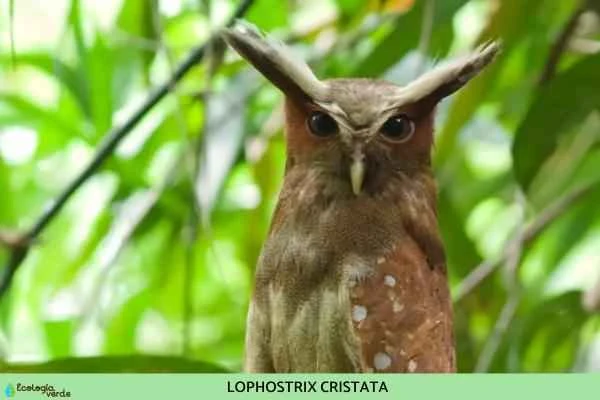
Lophostrix genus : White-horned owl (Lophostrix cristata), distributed in Central and South America, nocturnal, 40 cm long, with long and upturned eyebrows.
The genus Margarobyas contains only one species, the Lawrence owl (Margarobyas lawrencii), endemic to Cuba, nocturnal, and 22 cm in length.
The genus Pyrroglaux contains only the Palauan owl (Pyrroglaux podarginus), endemic to the Palau Islands of Micronesia.
The genus Piyloscops contains only the flame owl (Psiloscops flammeolus), which is distributed in the United States, Mexico, Canada, and Guatemala, and has a body length of 17 cm.
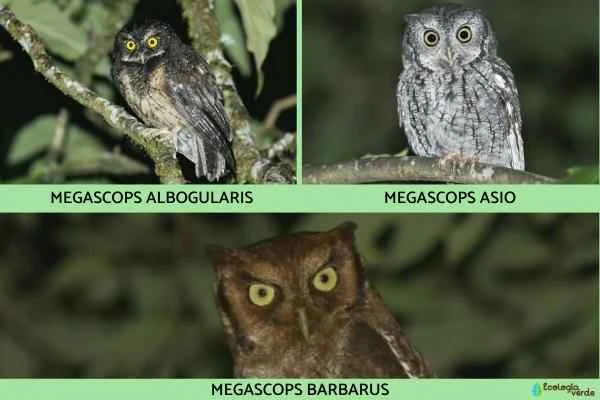
Megascops genus : American "owls", nocturnal, feeding on small mammals and insects, including Megascops albogularis, Megascops asio, Megascops barbarus, etc.
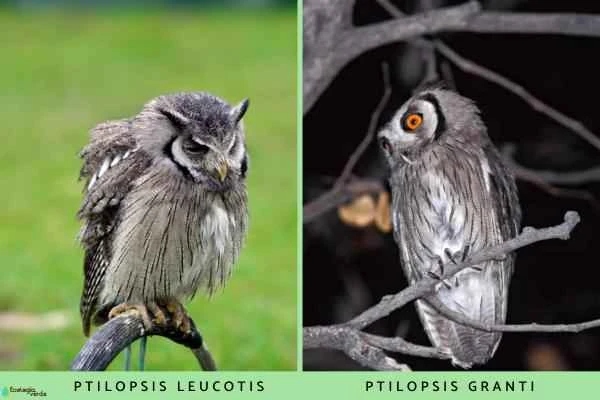
The genus Ptilopsis is endemic to Africa and includes species such as Ptilopsis leucotis and Ptilopsis granti. Its plumage is silvery-white with some dark areas, making it highly ornamental.
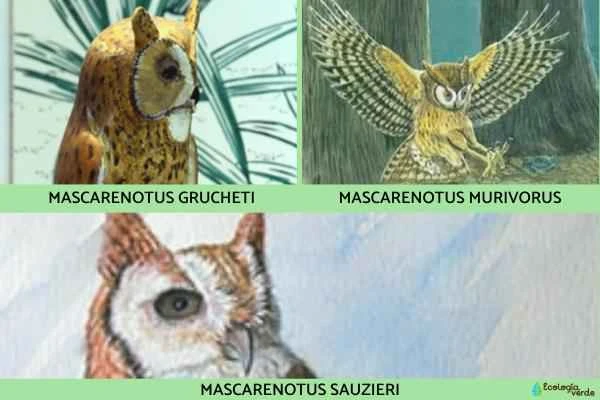
The genus *Mascarenotus* is extinct and only lived in the Mascarene Islands in the Indian Ocean.
4. Surniinae (Owls)
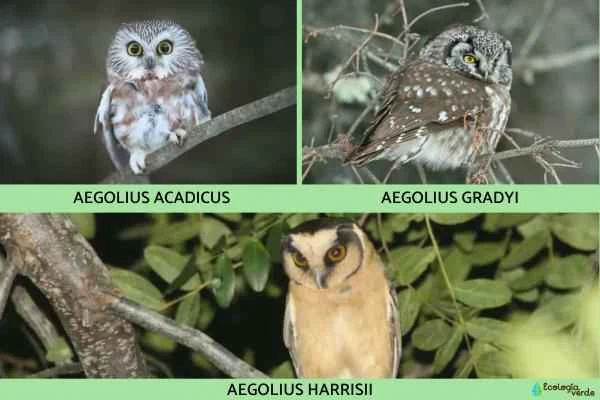
Aegolius genus : Distributed in high-altitude or forested areas of Eurasia and the Americas, with a body size of 16-27 cm. They feed on insects and small mammals, and representative species include Aegolius acadicus, Aegolius gradyi, and Aegolius harrisii.
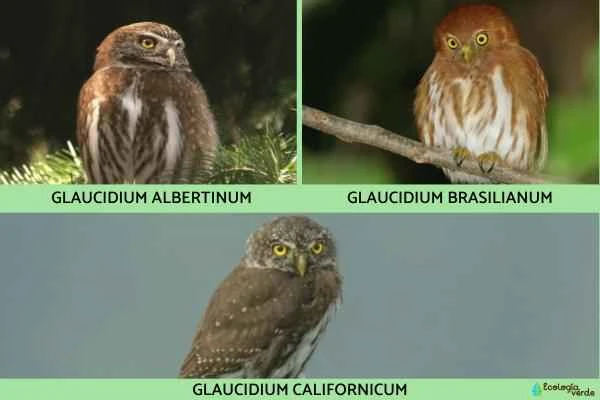
Glaucidium genus : Small owls widely distributed in tropical and temperate regions worldwide, about 15-20 cm in length, feeding on insects and small mammals, including Glaucidium albertinum, Glaucidium brasilianum, and Glaucidium californicum.
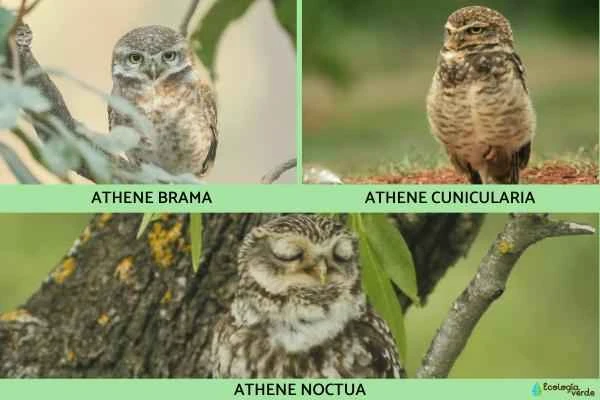
Athene genus : Body length not exceeding 15 cm, large yellow or amber eyes, spotted feathers, white eyebrows, such as Indian owl (Athene brama), burrowing owl (Athene cunicularia), little owl (Athene noctua), etc.
Summarize
Owls are the "stars" of nocturnal birds of prey, possessing exceptional adaptability and hunting skills. They are incredibly diverse globally, ranging from polar snowy owls to tropical burrowing owls. Protecting owl diversity is a crucial element in safeguarding ecological balance and the beauty of nature.