Pet birds can make wonderful animal companions. Although they are small, owning a bird requires careful consideration and commitment. Depending on the species, some birds can live for over 10 years. Birds require a great deal of care and attention in captivity. There are many different types of pet birds, each with its own unique characteristics, size, and personality. It is important not to give them away or buy them for young children, as they require structured and targeted care and can be both robust and fragile.
Get to know your pet bird
Understanding the background of birds
Knowing where your bird was born and raised is very important. While birds are often kept as pets, they are not domesticated like dogs or cats. Therefore, they will always retain natural tendencies and behaviors. Wild-caught birds should not be kept as pets. Always purchase birds from reputable breeders who can show you the living conditions of the parent birds and hand-raise the chicks to ensure they are comfortable interacting with people. You may also consider adopting a bird from a local rescue organization.
Legal requirements
By law, all captive birds must wear metal leg bands. This regulation must be followed before purchasing or adopting a bird. Hand-raised birds will have full, sturdy leg bands when they are young, which will remain with them until they grow up. Wild-caught birds usually have incomplete leg bands.
Lifespan considerations
Another important factor when keeping a pet bird is its lifespan. Birds can be invaluable companions, but this includes caring for them in unforeseen circumstances, especially if they outlive you. Pet birds should not be released into the wild, as they are unable to protect themselves and are vulnerable to hunger, injury, and predators. Furthermore, the social structure of the species needs to be considered, as some pet birds require the companionship of other birds, while others are better suited to solitary life and can form close bonds with humans.
Birdcage and food
Caring for birds involves providing a cage of appropriate size and shape. Daily routines are essential, including cleaning the cage, preparing fresh food (such as fruits and vegetables), and frequent interaction with the birds (including toys, games, and bonding). A good birdcage should include toys, perches, a clean surface, fresh water, and a designated feeding area.
In addition, birds should have safe places throughout the house to interact with their owners. Ensure birds are kept away from the kitchen to avoid the effects of hot surfaces and harmful odors. For example, the fumes from non-stick pans can release substances toxic to birds, causing respiratory problems or even death.
Flight Selection
One important choice bird owners need to consider is whether to let their birds continue flying or to trim their wings. Free-flying birds can thrive in outdoor aviaries or fly indoors. However, flying in confined spaces can lead to fatal injuries, such as broken wings or beaks, or bleeding. Free-flying birds are also more likely to escape outdoors, attracting predators such as dogs and cats.
If you choose to trim your bird's wings, it's best to have it done by a veterinarian or ornithologist. Wing trimming, if done correctly, is painless for the bird and should be done every 4 to 6 months. Another reason for trimming wings is to help the bird glide smoothly, avoiding heavy landings and injuries.
Care Guide for Various Pet Birds
1. Budgie
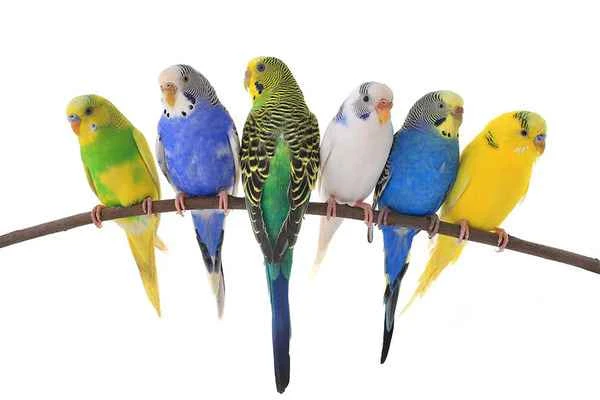
Cage size: minimum 18x18x24 inches, with horizontal bars for climbing.
Diet: A high-quality seed mix, paired with fresh vegetables and the occasional fruit. Avoid feeding avocados and chocolate.
Social needs: Budgerigars are very social and are best kept in pairs or small groups.
2. Cockatiel
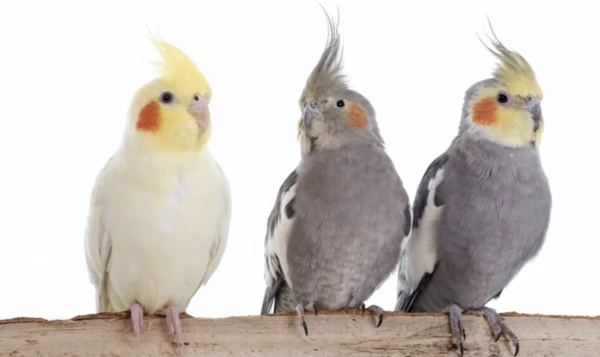
Cage size: Minimum 24x24x36 inches, providing ample space for flight and climbing.
Diet: Seed-based diet, supplemented with pelleted feed, fresh fruits and vegetables.
Social needs: Enjoys interacting with people and can learn to chirp and talk.
3. Lovebirds
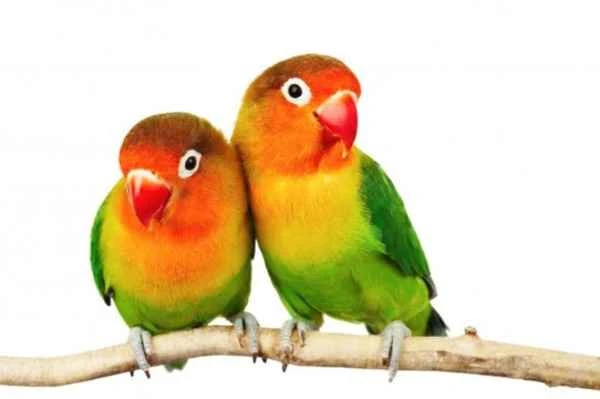
Cage size: minimum 24x24x24 inches, with toys and perches for climbing.
Diet: Primarily grain-based, supplemented with fresh fruits and vegetables; avoid a diet primarily based on seeds.
Social needs: Lovebirds are very social and are usually kept in pairs.
4. Rainbow Conure
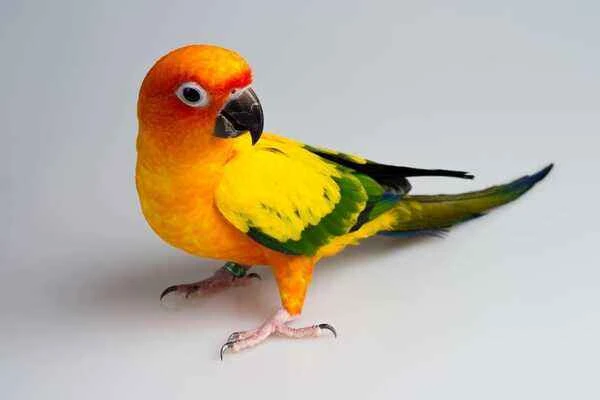
Cage size: minimum 30x30x48 inches, with plenty of toys and perches.
Diet: Pellets, fresh fruits and vegetables, and occasionally seeds as a treat.
Social needs: Very playful and requires regular interaction with its owner.
5. African Grey Parrot
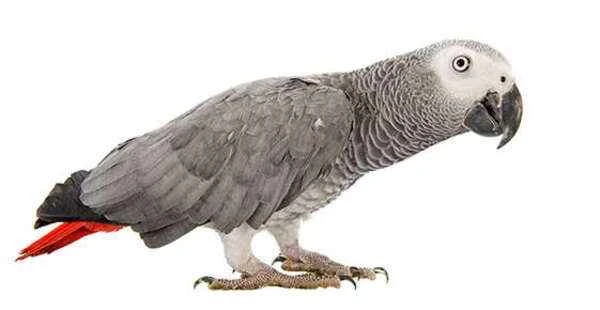
Cage size: minimum 36x24x48 inches, providing ample space for stimulation and exploration.
Diet: High-quality pelleted feed, fresh fruits and vegetables, avoid high-fat foods.
Social needs: Extremely high intelligence, requires psychological stimulation, and can learn to speak.
6. Canary

Cage size: Minimum 24x18x24 inches, providing space for singing and flying.
Diet: A high-quality mixture of seeds and fresh greens. They don't require much social interaction.
Social needs: Canaries prefer to live alone and are suitable for being kept as pets.
7. Finch
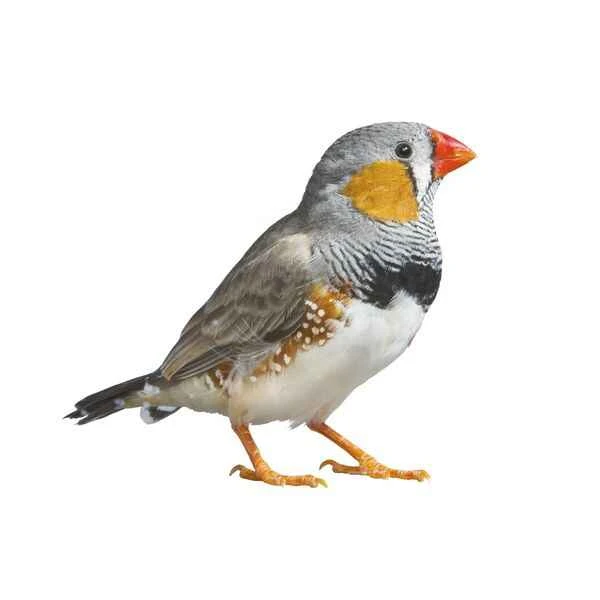
Cage size: Minimum 30x18x18 inches, providing ample lateral flight space.
Diet: Primarily seeds, supplemented with fresh green plants; provide bone marrow to supplement calcium.
Social needs: Best kept in small groups, they enjoy social interaction with other birds.
Regular health check-ups
Like all pets, birds need to undergo a veterinary health check annually to ensure their health. This may include blood tests and fecal examinations. It is best to consult a certified poultry veterinarian or a veterinarian specifically trained in bird handling and medication.
Owning a pet bird can be a rewarding experience, but it requires knowledge, care, and commitment. Understanding your bird's needs, providing a suitable environment, and ensuring regular health checkups will help ensure your feathered friend lives a happy and healthy life. If you're considering bringing a bird into your home, take the time to research and prepare to welcome this unique and wonderful companion!