Of the 9,775 bird species in the world, 1,212 are endangered. Do you know which bird species went extinct due to human factors? This article lists the world's ten most extinct bird species: elephant bird, dodo, Mauritius red rail, Mauritius blue pigeon, New Britain purple swamphen, passenger pigeon, Arabian ostrich, laughing owl, Ogasawara variegated wood pigeon, and Solomon crowned pigeon. Let's take a look at how they went extinct.
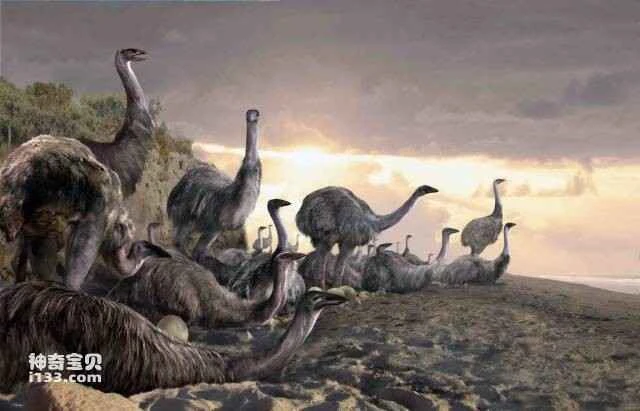
1. Elephant bird
Madagascar was once home to the elephant bird, considered the world's largest bird. Standing over three meters tall and weighing up to half a ton, it was a magnificent creature. However, in October 2006, another bird, the terror bird, was discovered to be even larger than the elephant bird, thus dethroning it as the "largest bird." Scientists believe that human destruction of the environment and hunting of animals have led to a trend of many organisms shrinking in size. This phenomenon is known as "modern evolution." Tragically, the elephant bird failed to adapt to this change and ultimately became extinct. The last recorded sighting of the elephant bird was in 1649; it was quickly hunted to extinction by local residents, and no trace of it has been found since.
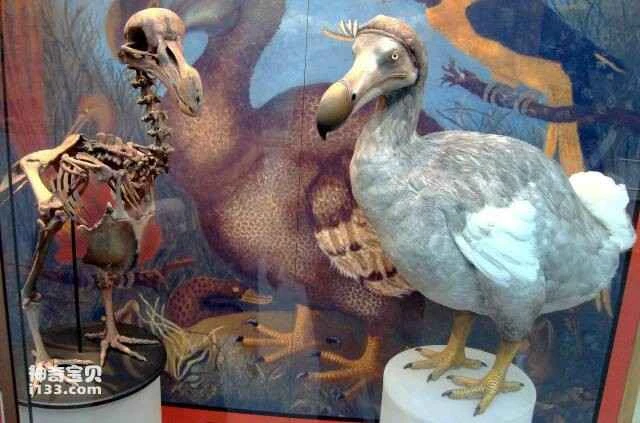
2. Dodo
The dodo, also known as the Mauritian dodo, was a flightless bird found only on the island of Mauritius in the Indian Ocean. Within approximately 200 years of its discovery by humans, it became extinct due to hunting and human activities. It is one of the most famous extinct animals besides dinosaurs and the only extinct bird species designated as the national bird of Mauritius. Records indicate that the dodo disappeared from the Earth in 1681. In August 2016, the world's most complete dodo skeleton was auctioned for a staggering $4.4 million.
3. Mauritian Red Rail
The red rail was a remarkably curious bird, evolving its unique behavior to thrive in the absence of predators and unafraid of humans. However, this very curiosity ultimately led to its extinction. For a century after its discovery, many people hunted red rails for amusement and out of curiosity. Furthermore, their terrestrial lifestyle made them vulnerable to predation by wild boars, which may also have contributed to their extinction. French explorer and naturalist François Leguat arrived in Mauritius in 1693 and began studying the Rodrigues rail. He discovered a significant decline in its population and left the last record of the red rail in his writings. It is estimated that the red rail went extinct around 1700. This tragedy of losing such a precious species serves as a reminder of the importance of respecting and protecting the ecological balance of nature.
4. Mauritius Blue Pigeon
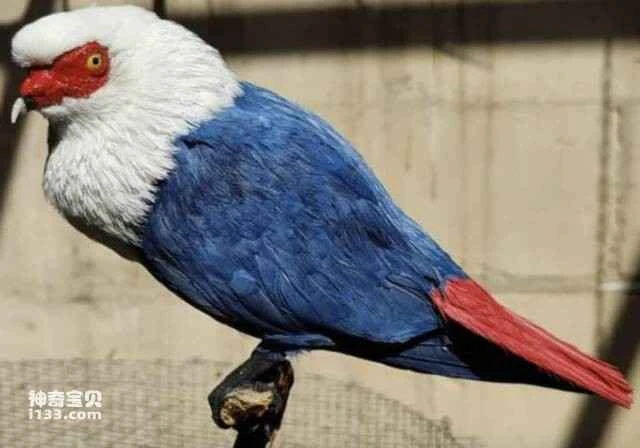
The Mauritian blue pigeon, also known as the Mauritian blue pigeon, was an extinct pigeon species in Mauritius. They were first described in detail in 1755, when it was noted that they had become very rare since the 1730s, mainly due to deforestation and overhunting. The last specimen was collected in Savannah in 1826, when it was believed they could still be found in the Mar-o-Vaua region. However, scientists estimate that this bird was completely extinct by the 1830s.
Besides deforestation and overhunting, the invasion of macaques was also one of the reasons for the extinction of the Mauritian blue pigeon. The disappearance of this pigeon reminds us to cherish natural resources, protect the ecological balance, and prevent more species from disappearing from the earth forever like the Mauritian blue pigeon.
5. New Britain Purple Swamphen
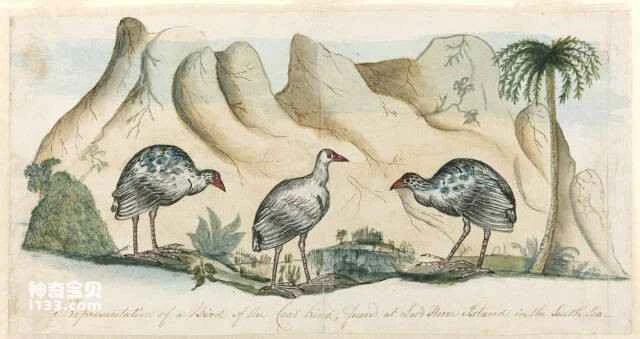
The New Britain Purple Swamphen is a rail species endemic to Lord Howe Island, Australia. In 1804, with the arrival of British settlers, the island's Purple Swamphen and other waterbirds suffered unprecedented devastation. While other waterbirds were also heavily hunted, the Purple Swamphen's meat was highly prized for its delicious flavor. Because the island was originally sparsely populated, the Purple Swamphen had no awareness of human presence and was very easy to capture and hunt. In addition, British settlers would collect Purple Swamphen eggs, and the cats they brought also became natural predators of the bird.
By 1834, only one nest of purple swathecock eggs had been found, and no trace of the bird has been discovered since. This tragic case of human extinction reminds us to cherish natural resources, protect wild animals, and be vigilant about the adverse effects of human activities and the alteration of the ecological environment.

6. Passenger Pigeon
The passenger pigeon was a bird that loved to travel, belonging to the Columbiforme subfamily. Because of its preference for long-distance flights, it was also known as the wandering pigeon. However, this beautiful bird is now one of the most famous examples of modern extinct birds.
The primary cause of the passenger pigeon's extinction was human encroachment on its habitat. While some argue that deforestation by North American settlers deprived the pigeon of its habitat, the more direct cause was the large-scale hunting of passenger pigeons by humans. This led to a drastic decline in their numbers, ultimately resulting in their extinction.
On September 1, 1914, a passenger pigeon named "Martha" died at the Cincinnati Zoo in Ohio, marking the complete extinction of the passenger pigeon from the earth. The disappearance of the passenger pigeon serves as a reminder to cherish and protect natural resources, and to avoid overhunting wild animals to prevent irreversible consequences.
7. Arabian ostrich
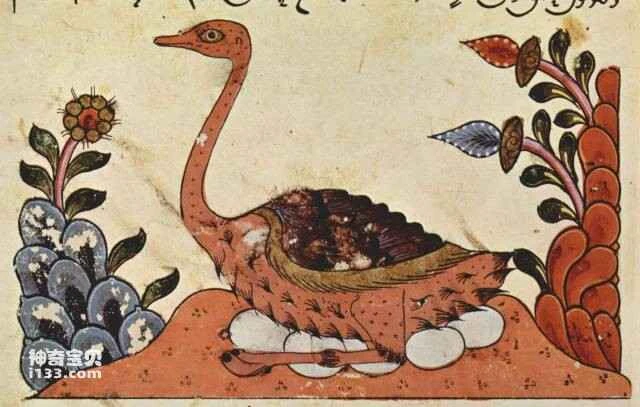
The Arabian ostrich, also known as the Middle Eastern ostrich, was an extinct subspecies of ostrich. They once inhabited the Arabian Peninsula and the Near East. However, due to constant hunting and the subsequent introduction of advanced weaponry, the situation worsened, ultimately leading to their extinction.
By the early 20th century, Arabian ostriches had become extremely rare, their last habitat located north of Nefert, in the Syrian desert. Small southern populations disappeared between the 1900s and 1920s, likely due to exacerbated drought, though some egg remains remain. The extinction of this species serves as a reminder to cherish natural resources, protect wildlife, and be vigilant about the adverse effects of human activities and the alteration of the ecological environment.

8. Laughing Owl
The laughing owl was a type of owl native to New Zealand. However, by the mid-18th century, the bird's population had become extremely sparse. Ultimately, by the 1930s, the laughing owl had become completely extinct. Humans introduced dogs and rodents into their habitats, which either became predators of the laughing owls or competed with them for food. Pacific rats were also a contributing factor to the decline in the laughing owl's numbers, stealing their food and preying on their eggs and chicks.
Furthermore, the hunting of laughing owls by humans for use in museums and zoos was also a significant contributing factor to their extinction. The disappearance of this species serves as a reminder to cherish natural resources, avoid introducing new species to prevent disrupting the ecological balance, and protect the diversity of wildlife and flora and fauna.
9. Ogasawara Variegated Forest Pigeon
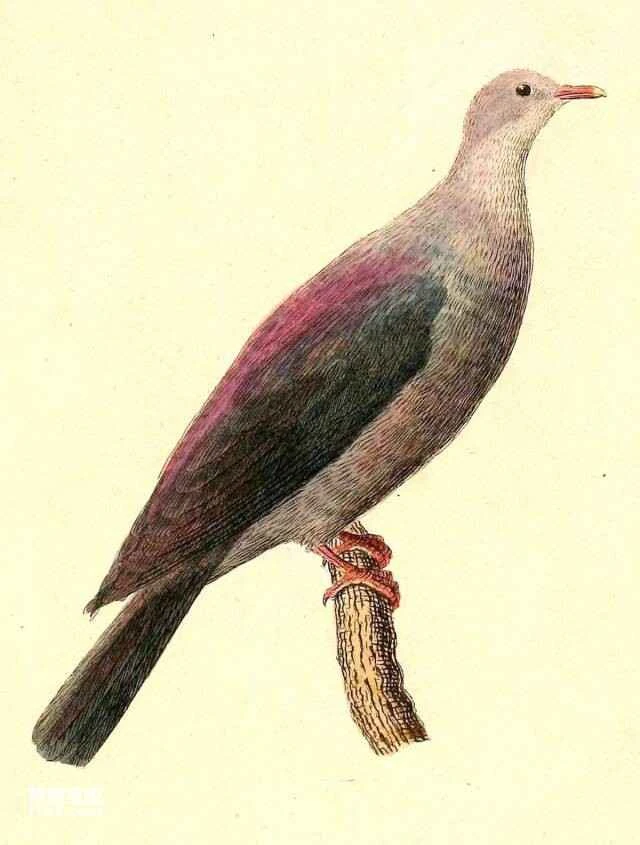
The Ogasawara variegated forest pigeon, also known as the Ogasawara forest pigeon, is a species of pigeon endemic to Nakamiyajima and Chichijima in the Ogasawara Islands of Japan. Their numbers are extremely rare, with only four specimens existing, collected between 1827 and 1889. The average length of the Ogasawara variegated forest pigeon is 45 centimeters.
However, in the 19th century, deforestation, overhunting, and predation by invasive rodents and cats were the main causes of the extinction of the Ogasawara variegated pigeon. This pigeon tragically disappeared from the earth. The disappearance of this species reminds us to cherish the natural environment, protect the ecological balance, and do our utmost to reduce the impact of human activities on wild flora and fauna, preventing more species from going extinct like the Ogasawara variegated pigeon.
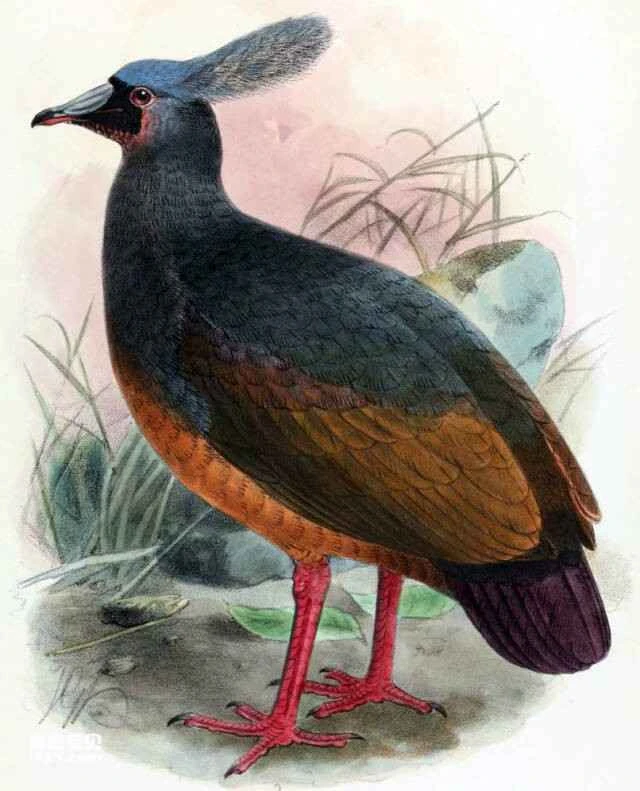
10. Solomon Crowned Pigeon
The Solomon Crowned Pigeon, native to the Solomon Islands in the Pacific Ocean, was discovered by Albert Stewart Meek in 1904. He shot six Solomon Crowned Pigeons and donated them to the Walter Rothschild Zoological Museum in Trann. One Solomon Crowned Pigeon's egg was also collected. The Rothschilds sold pelts of five of the pigeons to the American Museum of Natural History in New York. However, no more specimens of this bird were found between 1927 and 1929. An investigation conducted in 2009 still found no live Solomon Crowned Pigeons. It is speculated that they may have become extinct due to human hunting and predation by cats and dogs.
The disappearance of the Solomon crowned pigeon serves as a reminder to cherish natural resources, protect wildlife, and be vigilant against the adverse effects of human activities and the alteration of the ecological environment. We should take measures to minimize the impact of human activities on wild flora and fauna, preventing more species from facing extinction like the Solomon crowned pigeon.
The list of the world's ten most extinct bird species is compiled from various websites. It involves researching the extinction dates and causes of extinction, and then ranking the birds according to their extinction dates. This list is for reference only. If you have any questions, please feel free to like, comment, or offer criticism at the end.