In different cultures, many animals have been associated with beauty, elegance, and nobility. These animals not only evoke beauty through their appearance and behavior, but have also become symbols of beauty in human art, literature, and mythology. This article will detail which animals are considered symbols of beauty and their significance in different cultures and contexts.
I. Peacock – The King of Beauty in Nature
1. External features
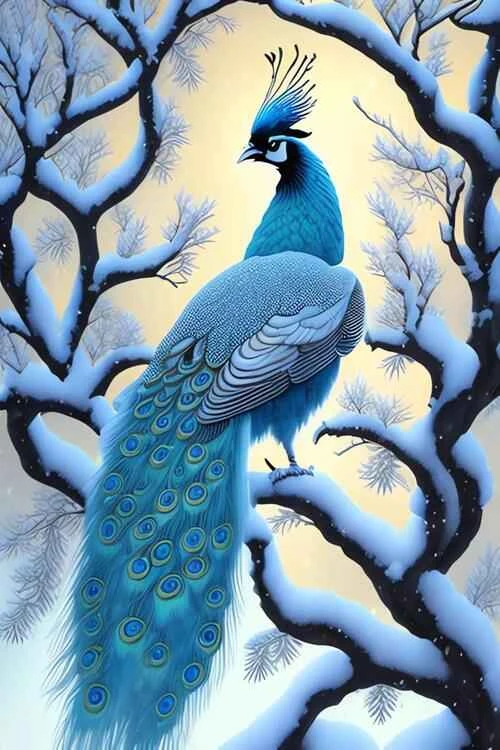
The peacock is undoubtedly one of the most beautiful symbols in global culture, especially the male peacock's enormous tail feathers, which display brilliant colors and intricate patterns. The peacock's tail feathers can reach twice the length of its body, with emerald green, indigo, and gold feathers adorned with eye-like markings, resembling a magnificent garment.
2. Cultural Symbolism
The peacock has been regarded as a symbol of beauty, nobility, and confidence throughout various civilizations since ancient times. In ancient India, the peacock was a sacred creature in Hindu mythology, symbolizing beauty and immortality. The peacock is India's national bird, symbolizing the nation's spirit and strength. In Greek mythology, the peacock was the sacred bird of Hera, symbolizing marriage and motherhood. In Chinese culture, the peacock also symbolizes wealth, nobility, and beauty, especially in traditional Chinese paintings where images of peacocks with outstretched wings are often seen as auspicious symbols.
3. The survival habits of peacocks
Besides their visual beauty, peacocks attract mates in the wild by displaying their wings, with male peacocks using their magnificent plumage and graceful dance to entice females. However, their vibrant colors also make them easy targets for predators in the wild.
II. Butterfly – A symbol of beauty and change
1. External features
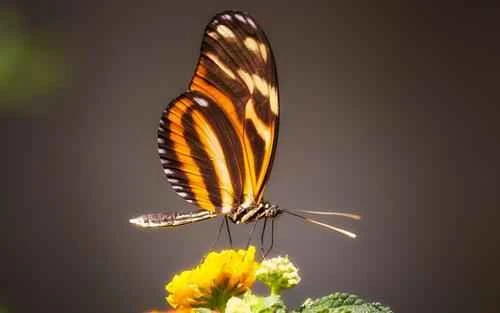
The butterfly's light, colorful wings make it a beautiful symbol of nature. Butterfly wings come in a variety of colors and patterns, some vibrant, others possessing captivating symmetry. The butterfly's metamorphosis, from caterpillar to pupa, and then to the beautiful adult, also symbolizes life's transformation and rebirth.
2. Cultural Symbolism
In many cultures, butterflies symbolize beauty, soul, transformation, and freedom. In Japan, butterflies are seen as a symbol of happiness and longevity, especially butterflies flying in pairs, which symbolize marital bliss. In ancient Greece, butterflies represented the transformation and beauty of the soul. In Western Christian tradition, butterflies symbolize resurrection and rebirth, and are often used to symbolize the beginning of new life, particularly during Easter.
3. The ecological significance of butterflies
Butterflies are not only symbols of beauty, but also important pollinators, helping many plants to reproduce and thrive. Their presence not only adds beauty to nature, but also contributes to the balance of the ecosystem.
III. Swan – A symbol of elegance and purity
1. External features
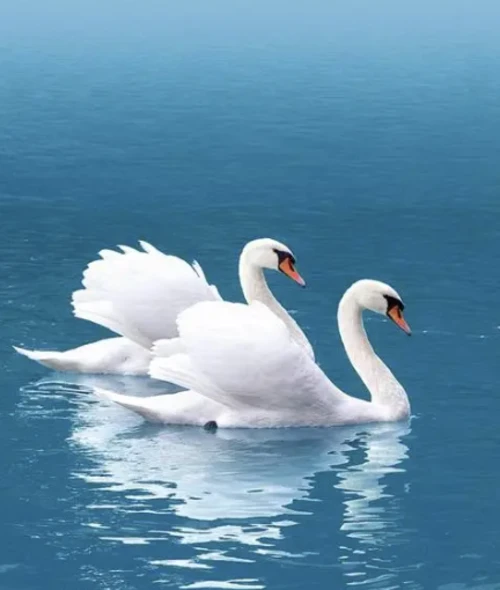
Swans, with their pure white feathers, long necks, and elegant swimming postures, have become symbols of beauty and nobility in nature. Their graceful and ethereal movements as they glide across the lake evoke a sense of otherworldly beauty. The appearance and behavior of swans are often associated with purity, elegance, and beauty.
2. Cultural Symbolism
In Western culture, swans have long symbolized love, purity, and fidelity. In ancient Greek mythology, swans were associated with Aphrodite, the goddess of beauty, and Apollo, the sun god, symbolizing beauty and divinity. In the fairy tale "Swan Lake," the swan became a symbol of eternal love. Furthermore, in many cultures, swans also symbolize transformation and growth, as the story of the "ugly duckling turning into a swan" is widely known, symbolizing a beautiful metamorphosis from the ordinary to the extraordinary.
3. The ecological role of swans
Swans are waterbirds that typically inhabit lakes, wetlands, and rivers. Despite their elegant appearance, swans are also strong territorial defenders, exhibiting highly defensive behavior, especially during the breeding season.
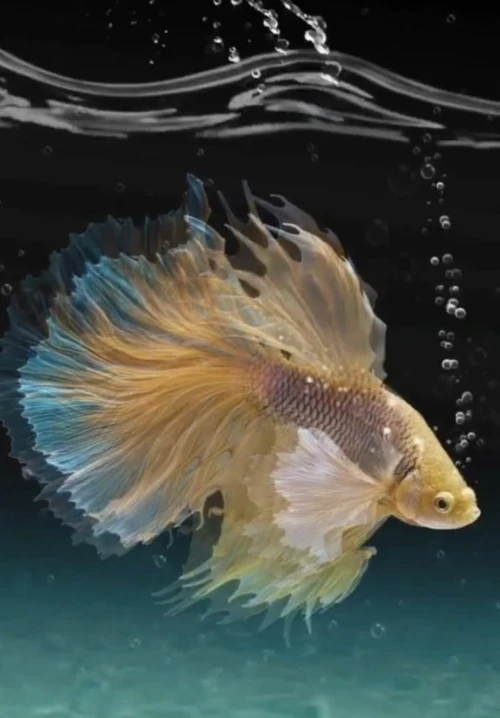
IV. Guppy (Betta Fish) – The King of the Water, Beautiful and Elegant
1. External features
Guppies, also known as fighting fish, are famous for their vibrant colors and flowing fins. Their bodies display a range of hues, including blue, red, purple, and gold, resembling jewels in the water. Male fighting fish, in particular, are especially graceful as they swim, thanks to their long tails and fins.
2. Cultural Symbolism
Guppies are considered a symbol of beauty and strength in Southeast Asia, especially in Thailand and Malaysia, where they are used in betta competitions to showcase their beauty and tenacious nature. In the West, guppies are beloved by many aquarium enthusiasts for their colorful appearance, symbolizing family and beautiful aquatic life.
3. Guppy Care and Habits
Guppies are a common sight in aquariums worldwide due to their vibrant colors and ease of care. During the breeding season, males attract females by displaying their bright colors and graceful swimming style. They are also popular for their ability to adapt to different environments.
5. Flamingo – A symbol of tropical beauty
1. External features
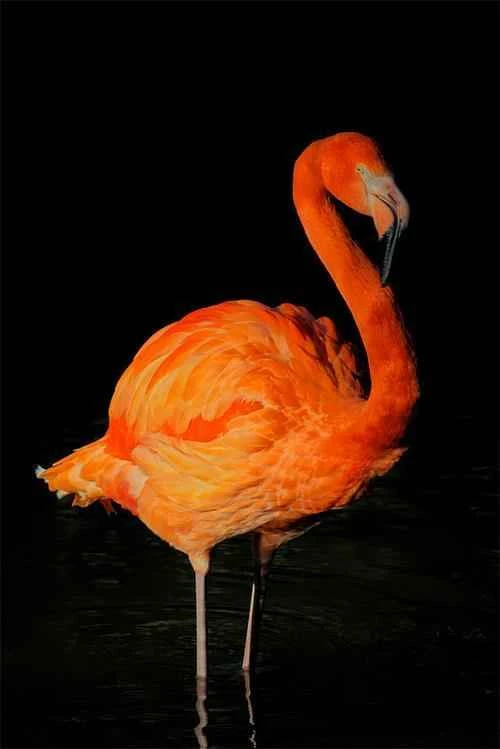
Flamingos, renowned for their vibrant pink plumage and long legs, are a beautiful symbol of the tropics. Standing gracefully in shallow water, supported by one leg, they possess a unique and captivating beauty. The color of a flamingo's plumage is primarily determined by pigments from algae and small shrimp in its diet, making its pink hue its signature characteristic.
2. Cultural Symbolism
Flamingos symbolize beauty, passion, and romance in modern culture. They are often used in decorations and works of art, representing tropical freedom and luxury. In many cultures, flamingos are also associated with happiness and good fortune, particularly in Latin American cultures, where they represent a vibrant lifestyle.
3. Flamingo's Survival Habits
Flamingos typically inhabit shallow lakes and saline-alkali lands, feeding on small shrimp and algae. Their unique colors not only provide them with a beautiful appearance but also help them project health and attractiveness within a group. The flamingo's magnificent plumage makes them a striking presence in nature.
6. Koi Fish – A symbol of elegance and good fortune.
1. External features
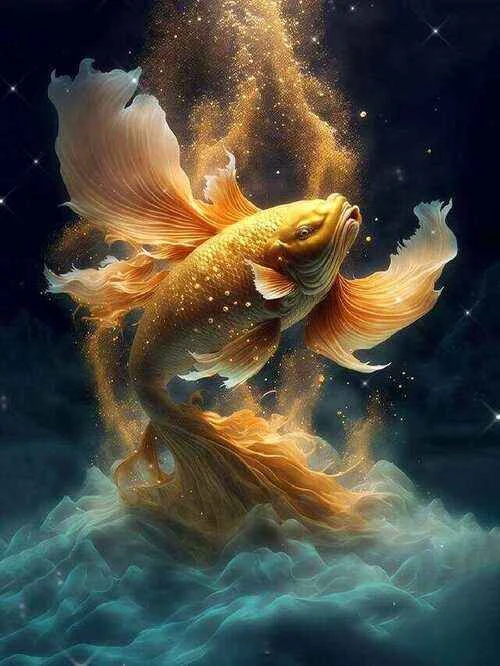
Koi are colorful freshwater fish, renowned for their beautiful patterns and color combinations. Common koi colors include red, gold, white, and black, and their movement in ponds creates a flowing, picturesque scene. Not only are koi beautiful in appearance, but their graceful movements also make them a symbol of beauty and peace for many.
2. Cultural Symbolism
Koi fish hold significant symbolic meaning in both Chinese and Japanese cultures. In China, koi represent good fortune and success, especially in Feng Shui, where they are often seen as a symbol of wealth. In Japanese culture, koi symbolize perseverance and success; legend has it that they can swim upstream, representing the spirit of overcoming difficulties and persisting.
3. Koi breeding and raising
Koi are widely distributed in Asian waters, especially in artificial ponds and gardens where they are kept as ornamental fish. Due to their gentle nature and adaptability to their environment, koi have become a favorite for garden decoration.
7. Leopard – A combination of elegance and power
1. External features
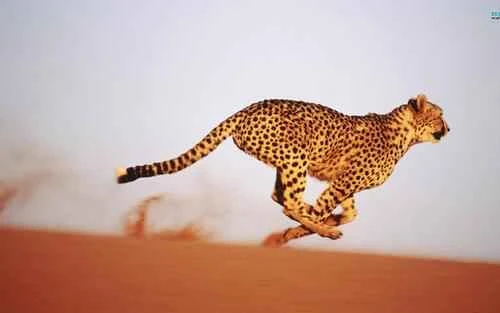
The spotted fur of a leopard is one of its most beautiful features, especially in species like the cheetah and leopard. The black spots covering their fur, combined with their powerful bodies, give them unparalleled elegance and speed in motion.
2. Cultural Symbolism
In many African and Asian cultures, the leopard symbolizes a combination of power and beauty. In Egypt, leopard skin was considered a symbol of royalty and priests, representing nobility and beauty. In modern fashion, leopard print patterns are also frequently used to symbolize sexiness and elegance.
3. The leopard's hunting techniques
Leopards are apex predators, renowned for their agility and powerful hunting skills. Their combination of elegance and strength makes them one of the most beautiful predators in nature.
Symbols of beauty can be colors, shapes, behaviors, or connections to cultural backgrounds. In different cultures and societies, these animals have become representatives of beauty due to their unique appearance or symbolic meaning. Whether it's the magnificence of the peacock, the lightness of the butterfly, the elegance of the swan, or the power and vibrancy of the leopard, they all showcase the beauty and wonder of nature in their own way.