It is reported that there are over one million known animal species. However, every year, a large number of animals face extinction, many of which are caused by human activities. Below are ten of the most tragically endangered animals: the northern white rhinoceros, the vaquita, the bluefin tuna, the yellow-breasted bunting, the manatee, the gharial, the Asian elephant, the monk seal, the black rhinoceros, and the fin whale. These animals simply want to survive in this world, yet they are slowly heading towards extinction due to human greed.
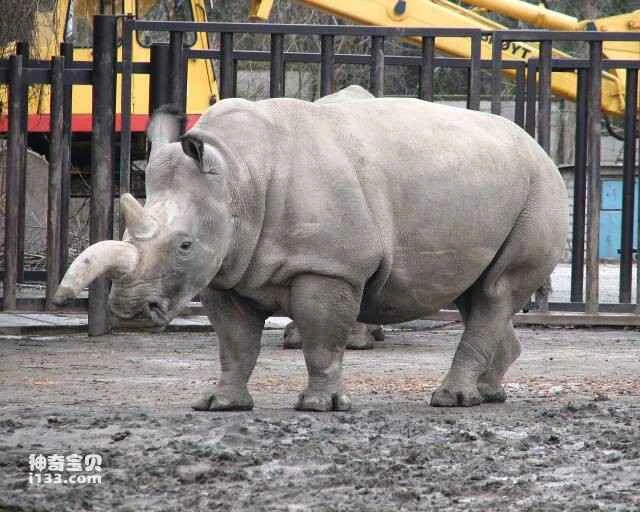
1. Northern white rhinoceros
The northern white rhinoceros, a subspecies of white rhinoceros, once boasted a wild population of approximately 2,000 individuals in the 1960s. However, rampant poaching led to a dramatic decline in their numbers, reducing them to a mere 15 individuals between the 1970s and 1980s. As of November 2015, only three northern white rhinoceroses remained on Earth. Tragically, on March 19, 2018, the world's last male northern white rhinoceros died in Kenya at the age of 45. This tragedy essentially sealed the species' extinction.
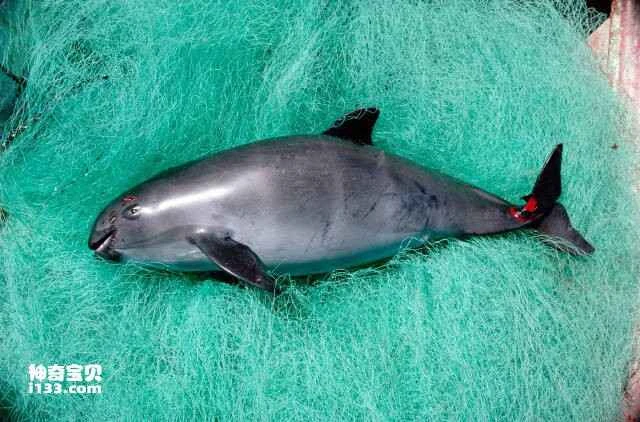
2. Vaquita dolphin
The vaquita, one of the world's most endangered cetaceans, is known as the "panda of the sea" and has been listed as critically endangered since 1996. As of March 2018, only 12 vaquitas remained in the world. This tragic situation is caused by overfishing. The Gulf of California totoaba, a highly profitable fish, lives near the vaquita. However, Mexican fishing vessels, driven by profit, use indiscriminate gillnet fishing methods, showing no regard for the vaquitas, resulting in the deaths of large numbers of them every year. This situation is extremely distressing.
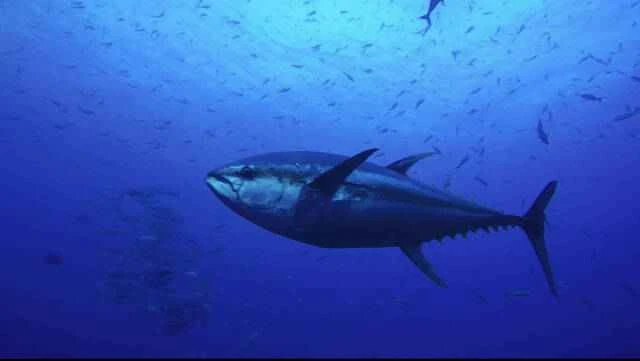
3. Bluefin tuna
Bluefin tuna is a popular and prized fish, but overfishing by humans has driven this species to the brink of extinction. Currently, three bluefin tuna species—one in the south-central region, one in the Atlantic, and one in the Pacific—are endangered. In 1989, the Atlantic bluefin tuna population was only 20% of its 1970 level, and now it's down to a mere 10% of its original population. The southern bluefin tuna is listed as critically endangered in the wild, the highest level of endangerment. Therefore, the protection of this species is of paramount importance.
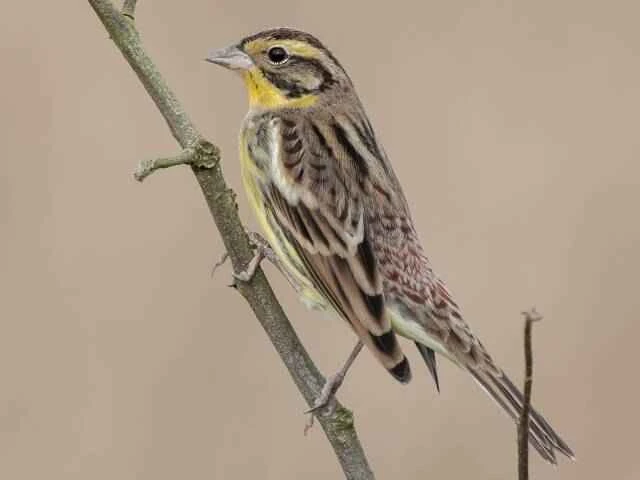
4. Yellow-breasted Bunting
The Yellow-breasted Bunting, also known as the Yellow-breasted Bunting, is a small bird renowned in China for its delicious taste, earning it the nickname "ginseng from heaven." Once a widespread and abundant small migratory bird, its population declined by approximately 90% between 1980 and 2013. In 2001 alone, one million Yellow-breasted Buntings were hunted and consumed as a delicacy in Guangdong Province. As of 2017, the Yellow-breasted Bunting was listed as critically endangered by the International Union for Conservation of Nature (IUCN). This news is alarming, and we should take proactive measures to protect it.
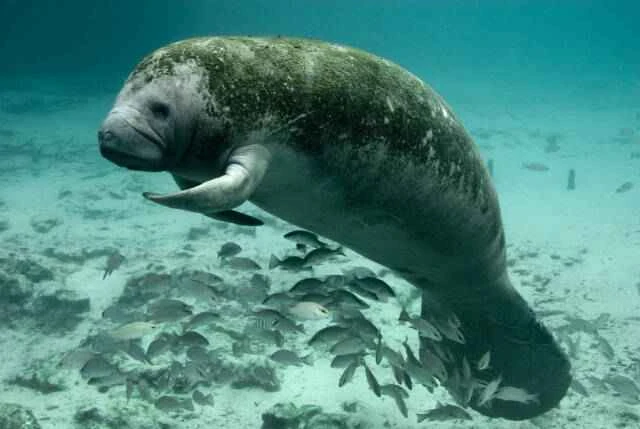
5. Manatee
In 1493, Columbus sailed to the Caribbean Sea and reached the mouth of the Biak River in the Dominican Republic, where he was overjoyed to see countless manatees. However, the fate of the Caribbean manatee now resembles that of the giant panda in China—they are on the verge of extinction. For a long time, manatees have been hunted because their meat is tender and delicious, their fat contains beneficial DHA and EPA, and they can be used to extract grease for lubricants, their hides for leather goods, and even their ribs can be used as a substitute for ivory. Although the natural mortality rate of manatees is also very high, excessive hunting by humans is the root cause of this species' near extinction.
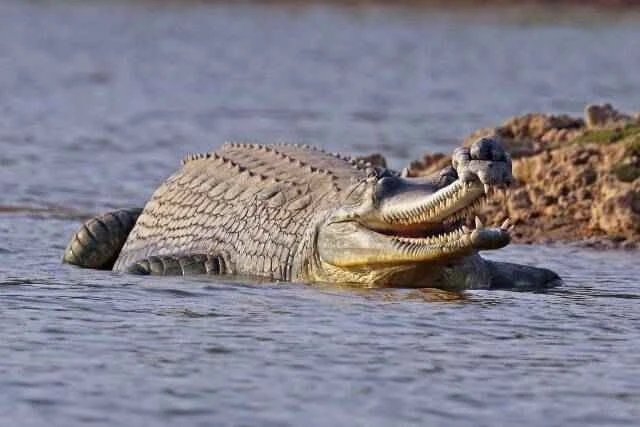
6. Ganges Crocodile
The gharial is one of the critically endangered species on the IUCN Red List. It is one of the largest crocodiles in the world, with a long, slender body and olive-green coloration. Like other crocodiles, it has been overhunted for its skin, which is used to make leather, leading to a drastic decline in its population. Currently, it is extinct in Myanmar, and gharials in Bangladesh, Bhutan, and Pakistan may face the same fate. According to a 2009 estimate, only about 1,000 gharials remained living in the Chambar and Yamuna rivers in India. This situation is extremely worrying, and we should take effective measures to protect this precious species.
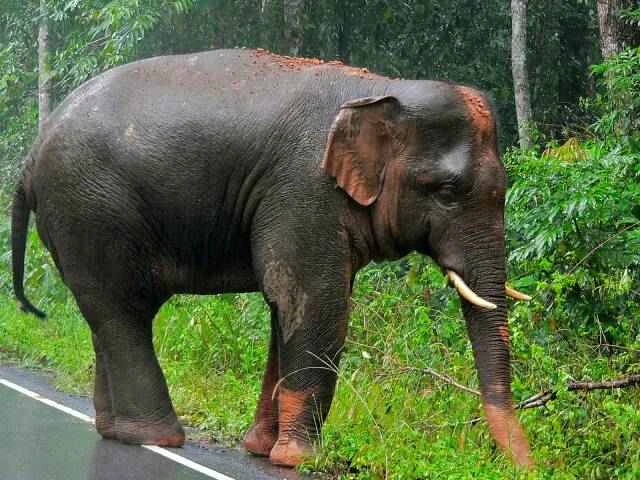
7. Asian elephant
The number of wild Asian elephants has plummeted. In many Southeast Asian countries, domesticated and working elephants are common. In the wild, they are now only found in the Yunnan region bordering Myanmar and Laos, and their numbers are extremely small. Because their ivory can be used to make valuable handicrafts, Asian elephants are frequently targeted by poachers. From the early 19th century to the present, the wild Asian elephant population has declined by 97%, and this trend continues. A 2004 survey showed that only 180 Asian elephants remained in the entire country. This situation is extremely dire, and we should take proactive measures to protect this precious species.
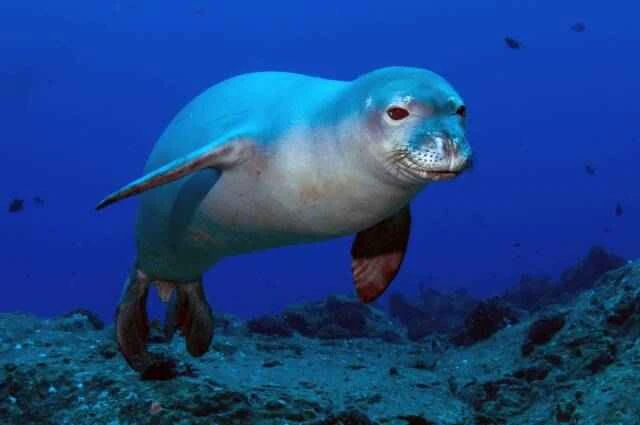
8. Monk Seal
The monk seal is another species driven to extinction by human greed. Hunting for seal oil and skin has led to catastrophic consequences for these unfortunate creatures. There are three species of monk seals globally: the Hawaiian monk seal, the Mediterranean monk seal, and the Caribbean monk seal. Unfortunately, the Caribbean monk seal has become extinct, becoming the first seal species to go extinct due to human activity. The other two species are also declining rapidly. Currently, there are only about 1,200 Hawaiian monk seals and 500 Mediterranean monk seals remaining, with the former declining at a rate of 4% per year. This situation is extremely worrying, and we should take effective conservation measures to prevent the disappearance of these precious animal species.
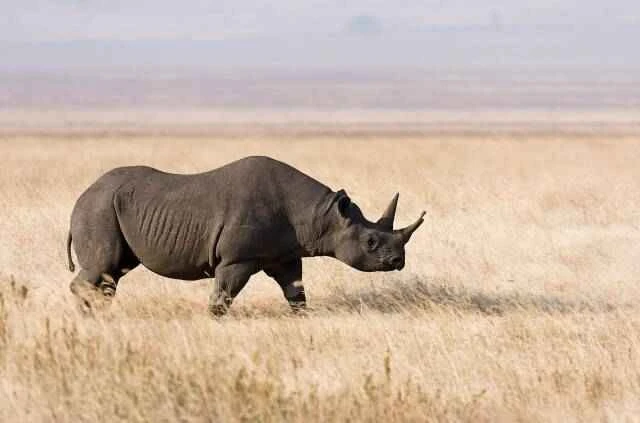
9. Black Rhinoceros
The black rhinoceros is a species heavily threatened by poaching, its horns used to make exquisite ornaments and considered a symbol of social status in some countries. Throughout the 1980s, the black rhinoceros population plummeted due to the relentless pursuit of profit by many poachers. In the 20th century, the black rhinoceros was once the most numerous of all rhinoceros species. However, from 1981 to 1987, 95% of Tanzania's black rhinoceroses died at the hands of poachers. By around 1990, their numbers had fallen below 2,500. According to data from 2003, the black rhinoceros population had begun to recover, currently standing at approximately 3,610. While we have witnessed these positive changes, effective measures should still be taken to protect these precious animals from further harm.
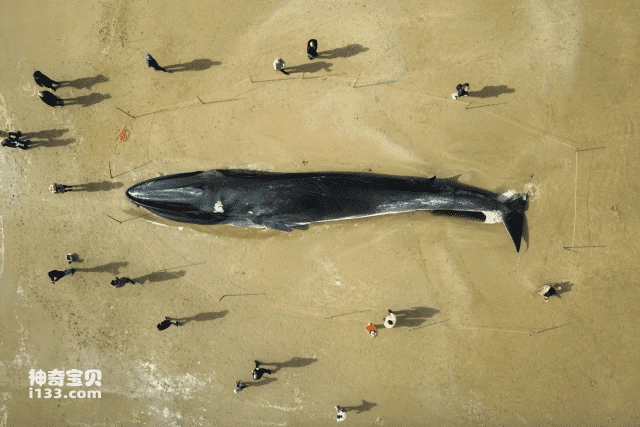
10. Fin whale
The fin whale, also known as the long-finned whale, is the second largest animal after the blue whale. However, due to overhunting by humans, the fin whale faces the danger of extinction. The main reason for hunting these whales is for the extraction of their blubber, oil, and baleen. Between 1904 and 1975, approximately 704,000 fin whales inhabiting the Antarctic Ocean were killed. Therefore, the fin whale is listed as an endangered species (downgraded to vulnerable in 2018) by the U.S. Fish and Wildlife Service and the International Union for Conservation of Nature (IUCN), and is also listed in Appendix I of the Convention on International Trade in Endangered Species of Wild Fauna and Flora (CITES). We must take effective measures to protect these precious animals and prevent their numbers from continuing to decline.
The list of the world's ten most endangered animals is compiled based on the number of endangered animals that have been hunted or captured by humans, leading to their endangerment. The ranking is based on a combination of factors, including similar websites and online attention. This list is for reference only. If you have any questions, please feel free to comment or offer criticism at the end.
Endangered animals face severe threats to their survival, therefore we need to take a series of measures to protect them. Here are some possible approaches:
1. Establish protected areas: Protect the habitats of endangered animals and prevent human interference and destruction by establishing protected areas.
2. Reduce hunting: Formulate relevant policies and laws to reduce or prohibit the hunting of endangered animals in order to curb illegal poaching.
3. Scientific research: Strengthen scientific research on endangered species, understand their ecology, living habits and population change patterns, and propose effective conservation plans in a targeted manner.
4. Increase public awareness: Through education, media and other means, increase public attention and understanding of endangered animals, and enhance their awareness and action to protect them.
5. Ecological restoration: Carry out appropriate ecological restoration work in the protected area, such as planting vegetation and improving water sources, to provide a better habitat for endangered species.
6. International cooperation: Strengthen international collaboration and cooperation to jointly develop global conservation measures and prevent localized conservation efforts from leading to increased poaching in other regions.
In conclusion, it is essential to take effective measures to protect endangered animals. We should take a multi-pronged approach to protect them.