Bird superstitions refer to the beliefs held in certain cultures or traditions that specific types of birds bring good or bad luck. These beliefs may stem from observations of nature, religious beliefs, myths, or other cultural factors. These superstitions have nothing to do with modern science, but they remain prevalent in many places and are considered an interesting cultural phenomenon. Bird superstitions can influence people's behavior and decisions; for example, someone might stop to think or predict the future upon seeing certain birds. This article lists 10 major bird superstitions, including birds hitting windows as a bad omen, crows bringing bad luck and bad news, car-bird collisions being unlucky, swallows building nests bringing family happiness, and being hit by bird droppings as a sign of bad luck. Let's see which ones still influence our lives today.
Here are ten superstitious beliefs about birds:
1. Birds hitting windows is an ominous sign.
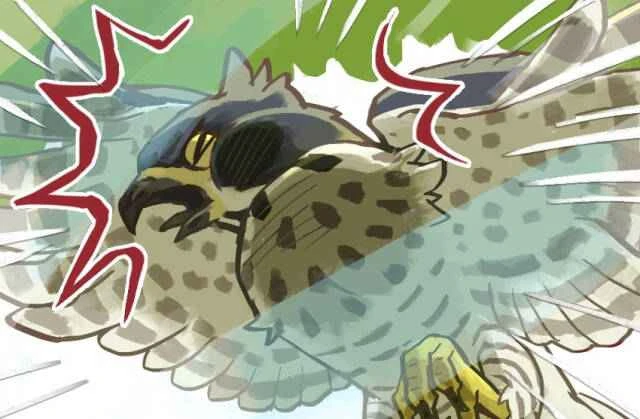
In some cultures, birds hitting windows are considered an omen of bad luck. This superstition is quite common and has many interpretations and omens. Some of these may include: 1. Death omen: Some believe that if a bird dies after hitting a window, it signifies the death of a relative or friend, or other unfortunate event. 2. Loss of wealth: Another interpretation is that birds hitting windows foreshadow the loss of wealth or unexpected expenses. 3. Warning omen: Some believe that birds hitting windows bring some form of disaster or misfortune and are a warning omen from heaven.
However, scientific research shows that bird strikes on windows are usually caused by birds misinterpreting the window's reflection, rather than by some mysterious supernatural phenomenon. Nevertheless, this superstitious belief remains widespread and is deeply believed by some groups of people.
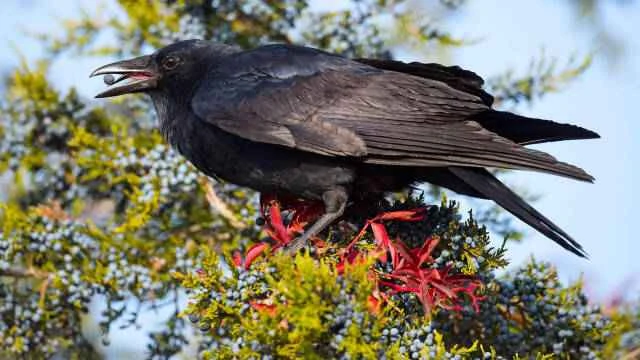
Second, seeing crows is believed to bring bad luck and bad news.
In some European traditions, crows are considered an omen of bad luck, possibly stemming from their association with the Black Death during the Middle Ages. Therefore, seeing a crow was believed to foretell plague, death, and disaster. Crows are typically black, and while black is considered auspicious in some cultures, it is also seen as inauspicious. Thus, some people may have mistakenly interpreted crows as unlucky symbols. Some may have experienced misfortune after seeing a crow and then attributed this bad luck to it, thus forming this superstitious view.
In fact, crows are very intelligent birds, possessing high intelligence and social skills. They are considered mystical and sacred animals in many cultures, representing wisdom, courage, and protection. While some may view seeing crows as an omen of bad luck, this view has largely disappeared in modern society.
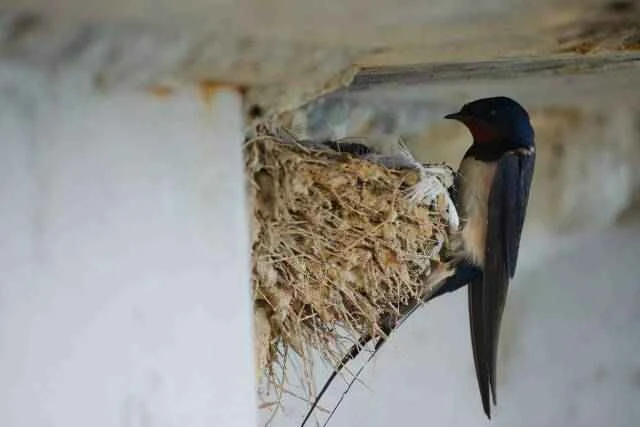
Third, swallows building nests brings happiness to families.
People believe that swallows nesting in your home bring good luck. This belief likely stems from the fact that swallows are considered clever, hardworking, and kind animals. Swallows are very meticulous and precise in building their nests, and they often reuse the same spots, leading people to believe they are intelligent and loyal. Furthermore, swallows are seen as auspicious birds, representing family happiness, love, and harmony. Therefore, when swallows nest in people's homes, it is believed to be a good omen, indicating that the family will be protected, happy, and blessed.
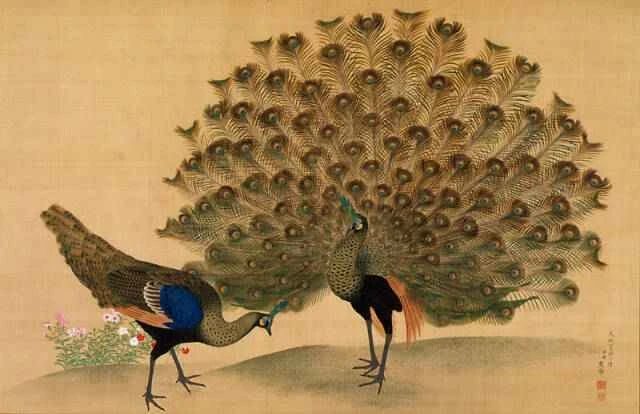
IV. Seeing a peacock displaying its tail feathers brings good luck.
Peacocks are considered auspicious birds and are often believed to bring good fortune and happiness. When a peacock displays its tail feathers, their beautiful colors and shapes are often seen as a beautiful sight. Therefore, people believe that seeing a peacock display its tail is a good omen, foretelling good luck. Furthermore, in traditional Chinese culture, the peacock is also considered a symbol of one of the five virtues: beauty, benevolence, righteousness, wisdom, and trustworthiness, representing nobility, magnificence, and intelligence. Therefore, people may also associate the peacock with these positive qualities and hope that its appearance will bring good fortune and positive influence.
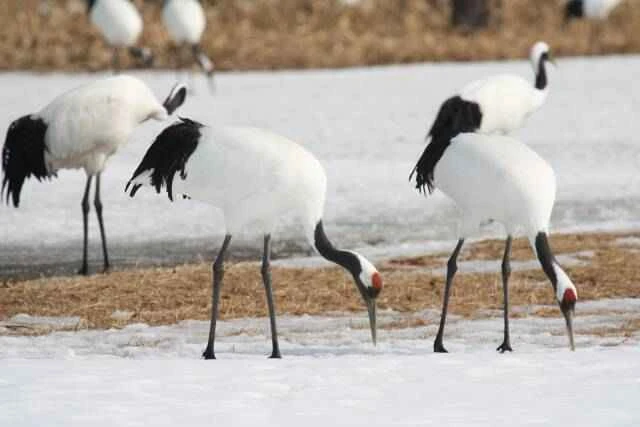
Fifth, seeing cranes is believed to bring longevity and good fortune.
In traditional Chinese culture, the crane is considered an auspicious bird, representing longevity, happiness, and prosperity, hence the name "celestial bird." Legend has it that fairies often appear on earth riding cranes, signifying good fortune and continuous blessings. This view likely stems from the crane's strong vitality, graceful form, and swift movements; it is also considered an agile, intelligent, and tenacious animal. Cranes are also commonly regarded as sacred and auspicious birds, imbued with the meaning of protecting world peace in many cultures. Furthermore, because cranes can fly high and far, they are also seen as possessing extraordinary abilities and wisdom. Therefore, when people see a crane, they may associate it with longevity, health, and happiness, hoping it will bring them good luck. Although this belief lacks scientific basis, in Chinese culture, the crane has long been endowed with special symbolic meaning and is widely used in literature, art, and folk tales.
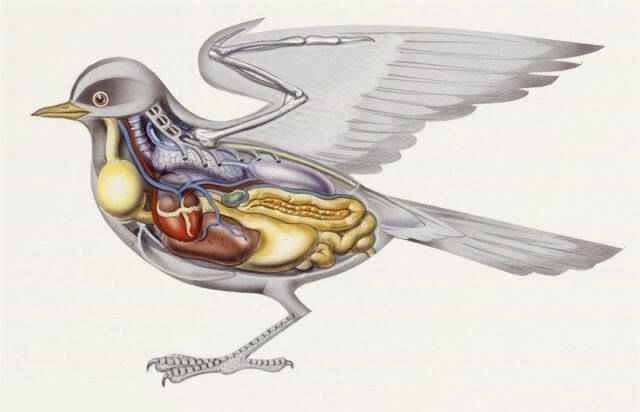
6. Being hit by bird droppings is a sign of bad luck.
This viewpoint may stem from some ancient superstitions and legends. For example, some historical records state that ancient farmers believed being hit by bird droppings would lead to reduced crop yields or misfortune in the family. Furthermore, bird droppings were considered unclean and therefore avoided and disliked. In some traditional cultures, people believed that being hit by bird droppings would bring negative effects such as disasters and bad luck. This concept also gave rise to some legendary stories, such as the idiom "An eagle soars in the sky, a wild goose carries a letter," and so on.
However, in modern society, getting bird droppings on you is usually just an unpleasant little thing, without any mystical prophecies or omens. We should treat this situation rationally, simply clean it up, and not over-interpret its meaning or impact.

7. A car colliding with a bird is considered an ominous sign.
In film, car-bird collisions are often used as a visual effect and plot device, rather than necessarily carrying specific cultural connotations. However, in some films, car-bird collisions can also be used to convey an ominous or grim atmosphere, enhancing dramatic tension. This may stem from the common perception of car-bird collisions as rare and unusual events that often attract attention and surprise. Furthermore, since car-bird collisions can have serious consequences, such as vehicle damage or bird death, using this scene in film can also intensify the story's tension and foreshadow tragedy.
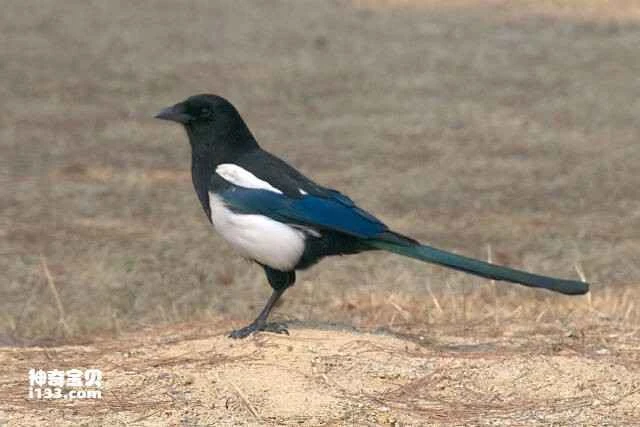
8. Seeing a magpie means you will encounter a benefactor.
Magpies are considered auspicious birds, often seen as symbols of good fortune, happiness, and longevity. Seeing a magpie is considered a lucky omen, potentially foreshadowing good fortune. Furthermore, according to traditional beliefs, magpies also represent "joyful events approaching." Therefore, magpies are often used as decorations or symbols of blessing at celebratory occasions such as weddings and births. In these contexts, seeing a magpie is more likely to indicate impending good news. The belief about encountering a benefactor is also related to the auspicious and celebratory connotations of the magpie. In Chinese culture, benefactors are often seen as individuals of high moral character and integrity, capable of bringing good fortune and assistance. Therefore, seeing a magpie is interpreted as a sign that a benefactor or destined person is about to appear, potentially bringing opportunities and benefits.
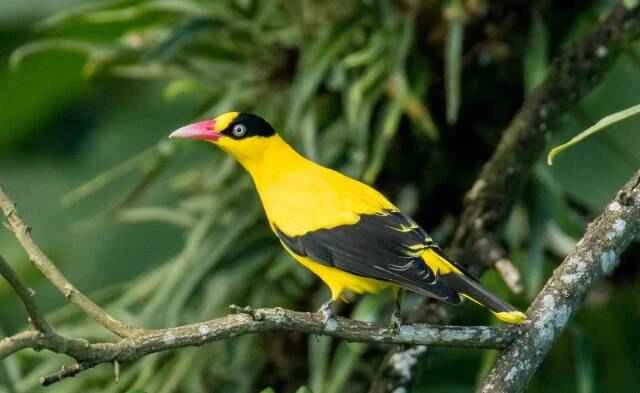
9. The appearance of a yellow oriole near your home will bring good luck.
The oriole is considered one of the auspicious birds, often seen as a symbol of good fortune, happiness, and prosperity. Orioles typically live in suitable environments and will actively fly to the vicinity of one's home during the breeding season to find roosts and food; therefore, their appearance near one's home may be interpreted as a good omen. The oriole also holds a place and significance in many poems, operas, and folk tales. For example, in *Dream of the Red Chamber*, Daiyu wrote the line "The oriole's sorrowful cries fill the sky," describing the oriole's beauty and melancholy. Furthermore, according to traditional beliefs, the oriole also has a special meaning, representing "fortune, prosperity, longevity, and happiness." In ancient my country, when orioles returned in spring, people often used them as decorations or symbols of blessing, signifying the four characters "福" (fortune), "禄" (prosperity), "寿" (longevity), and "喜" (happiness). Therefore, seeing an oriole is often interpreted as a harbinger of good fortune, wealth, longevity, and joyous events to come.
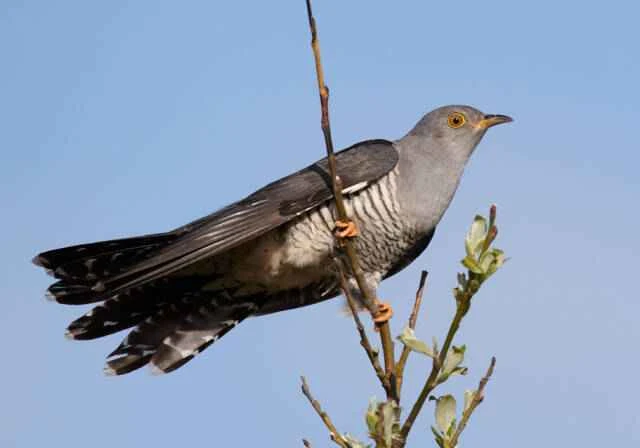
10. Seeing a cuckoo brings good news.
In Chinese culture, the cuckoo is considered one of the auspicious birds, often seen as a symbol of good news and new life. Seeing a cuckoo is interpreted as a harbinger of good news, potentially bringing opportunities and benefits. Furthermore, according to traditional beliefs, the cuckoo also has a special meaning: "announcing good news." In ancient times, people often used cuckoos as decorations or symbols of blessing. Releasing cuckoos during celebrations or to announce good news signified the transmission of good tidings and the dispelling of misfortune. Therefore, seeing a cuckoo is interpreted as a harbinger of good news and impending good fortune.
Of course, all of these superstitious claims lack scientific basis. Birds, as part of nature, do not bring good or bad luck to individuals through their behavior or existence. We should respect the existence of all living things in nature and not easily believe in traditional superstitions without scientific basis. Do you know any other bird superstitions? Follow me and share them in the comments section!