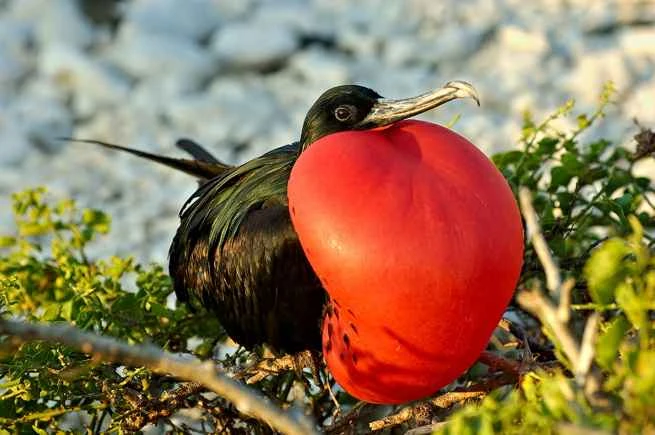
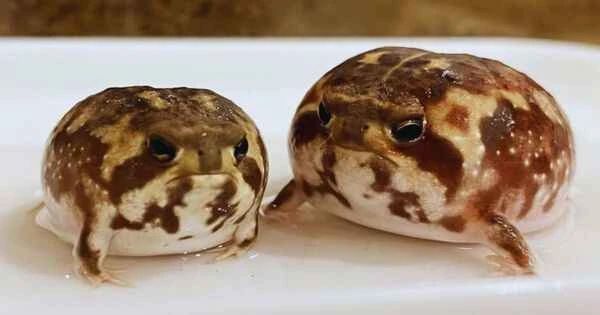
Spain is widely recognized as one of the most biodiverse countries in Europe due to its unique geographical location, diverse climate, and varied topography. Of the approximately 92,000 recorded species, nearly 40,000 are plants and about 50,000-60,000 are animals, representing over 60% of all plant species and over 50% of all animal species in Europe.
Many of these animals are native to Spain, meaning they exist only in Spain. This article will take you on an in-depth exploration of 18 highly representative native Spanish wild animals, some of which are rare, unique, or even endangered and in urgent need of protection.
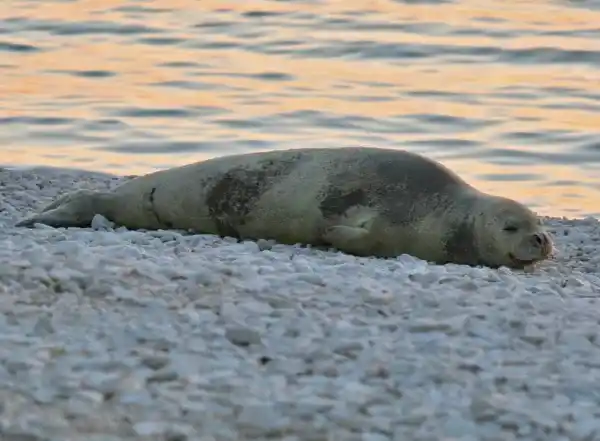
1. Mediterranean monk seal (Monachus monachus)
The monk seal is the only member of the seal genus in Europe, named for the shape of its folded fat head that resembles a monk's hood. This species is primarily found in the Mediterranean and Black Seas, and occasionally in parts of the Atlantic Ocean near the Strait of Gibraltar.
Due to historical overhunting, its population has plummeted and it is listed as a "critically endangered species" by the International Union for Conservation of Nature (IUCN) and also as an "endangered animal" on the Spanish National List of Endangered Species.
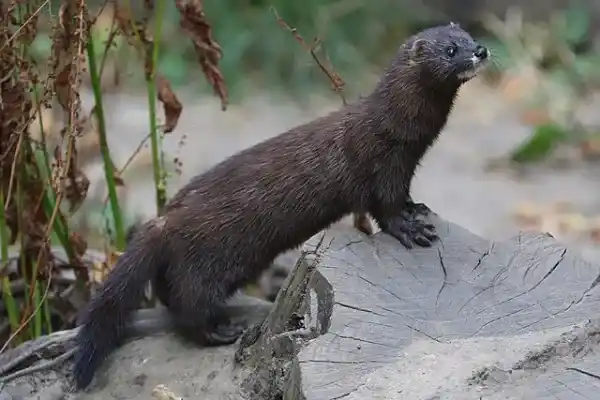
2. European mink (Mustela lutreola)
This is a small, brownish-red aquatic mustelid that inhabits rivers and their riparian areas. Due to the introduction of American mink (used in the fur industry) to Europe in the early 20th century, it has been severely marginalized, and currently only three populations remain globally: in Russia, Romania, and the border region between southern France and northern Spain, with a combined population of fewer than 500 individuals.
Furthermore, freshwater pollution has severely impacted its prey sources and ecological habitats, further limiting its living space. This species has been listed as "critically endangered."
3. Common Coot (Fulica atra)
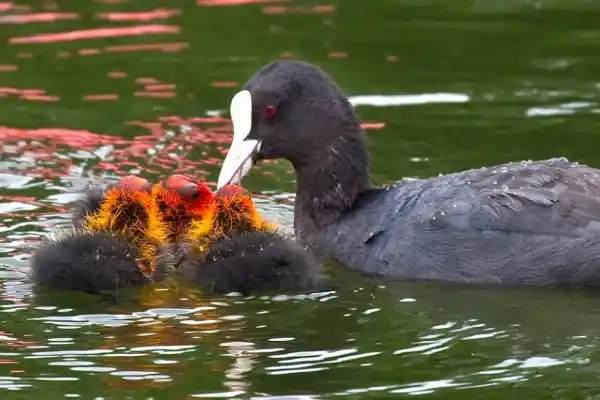
A black waterbird commonly found in Spanish wetlands, with a striking white frontal plastron, it is widely distributed in the Valencian Community, such as the Almenara wetlands and L'Albufera lagoon.
Due to the large-scale loss and pollution of wetlands, coupled with its status as a huntable bird species, its population is currently declining significantly. It is listed in the Bern Convention, the Bonn Convention, and the appendices of the EU Bird Directive.
4. White-headed Hard-tailed Duck (Oxyura leucocephala)
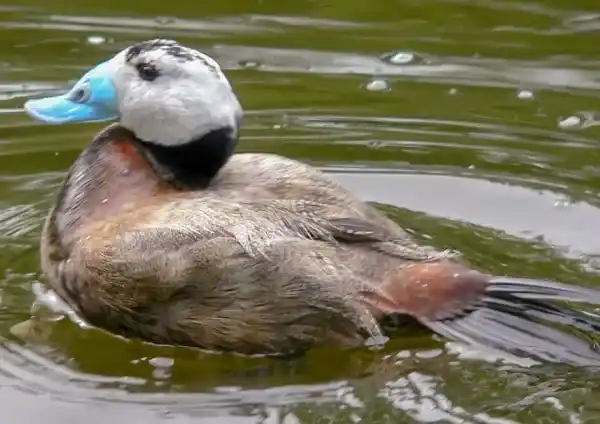
A large diving duck, characterized by its white head, blue bill, and brown plumage, with a stiff, straight tail. It primarily inhabits lakes, wetlands, and reservoirs along the Mediterranean coast of Spain.
Threatened by invasive species such as the American hard-tailed duck, American carp, and sunfish, this species was once on the verge of extinction in the 1970s. It is currently listed in the Spanish Red Book and the national endangered list.
5. Capetana lizard (Iberolacerta cyreni)
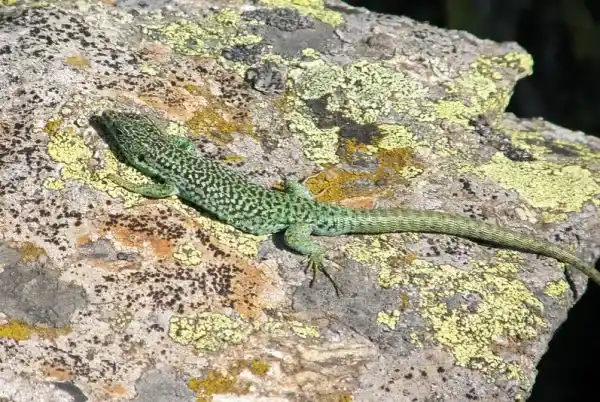
This is a type of alpine lizard endemic to the Iberian Peninsula, mainly distributed in the Gredos and Guadalajara Mountains, and can also be found in rhododendron thickets.
Females have brown backs, while males are green; both are of medium body length. They face extinction due to climate change and habitat destruction and are classified as a species of special national concern.
6. Spanish fatfish (Aphanius iberus)
This small fish, only 5 centimeters long, also known as the "fat fish," is a common species in the brackish waters of Valencia and Catalonia. Males are more brightly colored than females and primarily feed on insect larvae, playing an ecological role in controlling mosquitoes.
However, due to habitat destruction, water pollution, and the invasion of alien fish, the population of this species has greatly decreased and it has been listed as a national endangered fish.
7. Samaruk fish (Valencia hispanica)
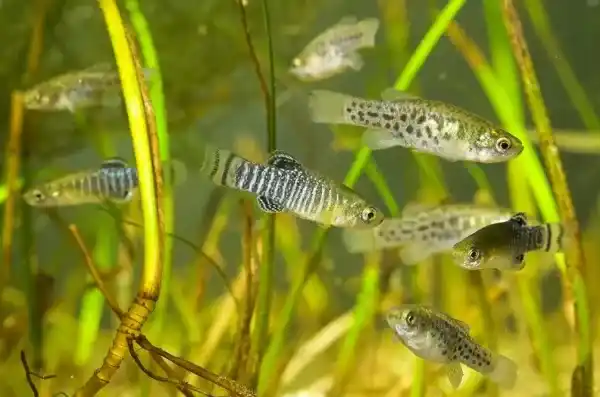
This small, brownish-yellow fish, measuring up to 8 centimeters in length, is found in the coastal wetlands of Valencia and Catalonia and prefers to live in groups. Its habitat depends on brackish waters rich in aquatic plants.
Threats to this species include: invasive alien species (such as black bass and American crab), wetland drying up, and water pollution caused by urban sprawl and agricultural development.
8. Short-legged mouse-eared bat (Myotis capaccinii)
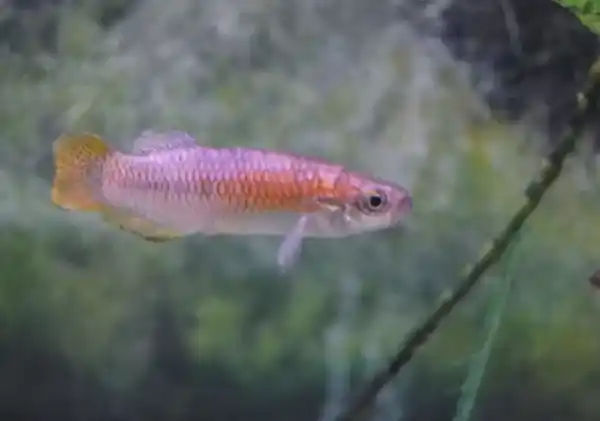
A medium-sized bat with a light-colored belly that lives in caves, often mistaken for the mouse-eared bat (Myotis daubentonii), but the latter is easily distinguished by the hair on its shanks.
It lives near rivers and lakes, primarily feeding on insects and small fish. Although widely distributed (from the Iberian Peninsula to the Black Sea), its population is rapidly declining due to habitat degradation and human disturbance. In some autonomous communities of Spain, protected areas have been established through legislation to support its restoration.
9. European hornet (Vespa crabro)
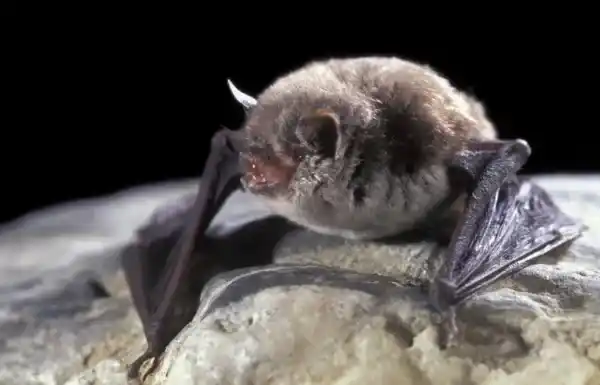
The largest social wasp in Europe, it is more robust than ordinary wasps, with a red and black body striped with yellow bands. It is mostly distributed in mountain forests.
Due to misidentification and public misunderstanding of the "dangerousness" of the invasive species, the Asian giant hornet (Vespa velutina), its population is gradually declining, although it is not currently listed as endangered.
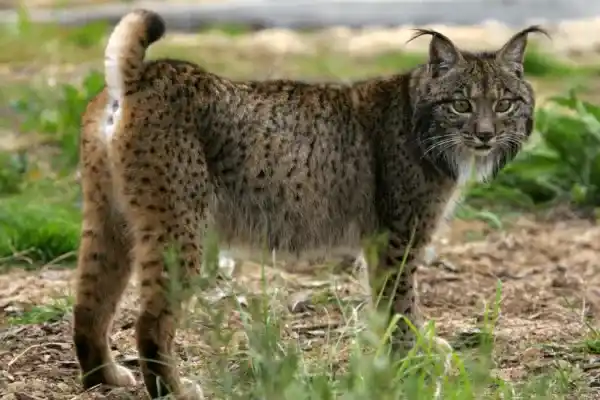
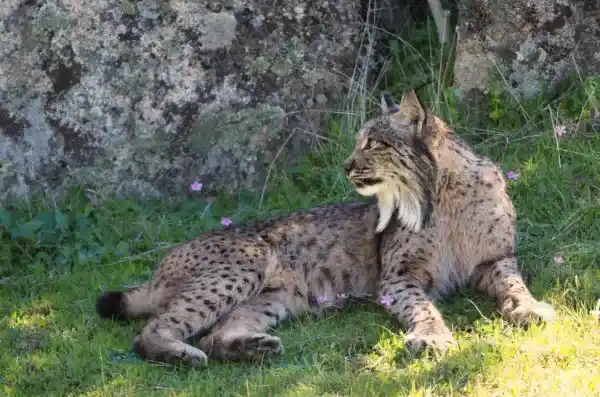
10. Iberian Lynx (Lynx pardinus)
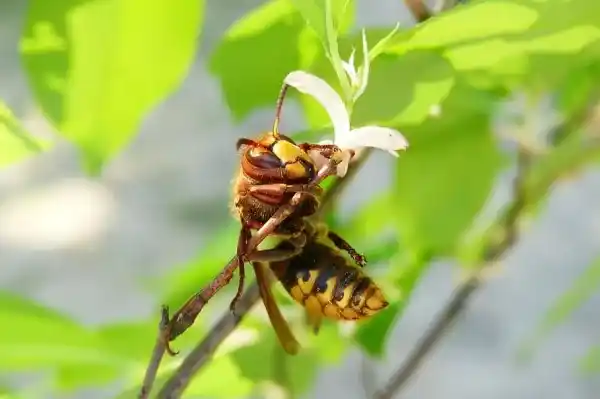
With a robust build, black tufts of hair on its ears, and long whiskers on its cheeks, it is one of the most endangered large cats in Europe. It is mainly distributed in the high-altitude forest regions of Spain, such as the Cera Morena and Toledo mountains, and parts of Portugal.
Their numbers have plummeted due to factors such as a sharp decline in their primary prey, rabbits, habitat fragmentation, and vehicle collisions. Although they have recovered somewhat after decades of conservation programs, they remain a critically endangered species.
Other endangered or vulnerable native Spanish animals include:
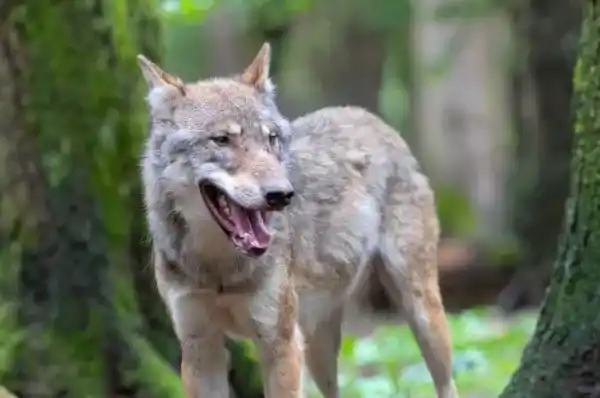
Iberian wolves
European brown bear
Moor Tortoise
Mediterranean tortoise
Black Stork
Bearded vulture
Eljero monitor lizard
Iberian Eagle
Summary and Protection Recommendations
Spain is a treasure trove of species, but its native animals face serious threats such as habitat loss, climate change, and invasive species. Each of us can participate in animal protection:
Support local wildlife conservation organizations;
Resist the illegal trade in wild animals;
Refuse to buy products containing ingredients from endangered animals;
Promote ecotourism and environmental education;
Pay attention to and disseminate information on wildlife conservation.
For more informative articles about native Spanish animals, please visit our Animal Encyclopedia section on our website!
References
Valencia Autonomous Community. Biodiversity Database. Information on the Common Moorhen. Website: https://bdb.gva.es/bancodedatos/ficha.asp?id=11893
SEO BirdLife. Spanish Bird Guide. White-headed Duck (Oxyura leucocephala). Website: https://seo.org/ave/malvasia-cabeciblanca/
José Martín, National Museum of Natural Sciences (CSIC). (2015). Common Wall Lizard – *Iberolacerta cyreni* (Müller and Hellmich, 1937). URL: https://core.ac.uk/download/pdf/36182682.pdf
Fish from the Valencian Community. Overview of the Common Moorhen. Link: https://www.mediterranea.org/cae/divulgac/peces/fartet.htm
Gencat. Environment and Sustainability. Samaruc Fact Sheet. Link: http://mediambient.gencat.cat/ca/05_ambits_dactuacio/patrimoni_natural/fauna-autoctona-protegida/gestio-especies-protegides-amenacades/peixos/samaruc/
Miguel A. MONSALVE, David Almenar, Antonio Alcocher, and Antonio J. CastellÓ. Long-eared mouse-eating bat, *Myotis capaccinii* (Bonaparte, 1837). Accessible at: https://www.miteco.gob.es/es/biodiversidad/temas/inventarios-nacionales/ieet_mami_myotis_capaccinii_tcm30-99843.pdf
The Valencian Community. Archives on the Asian giant hornet (Vespa velutina). Accessible at: https://agroambient.gva.es/documents/91061501/162998629/Fichas+de+identificacion+avispa+asiática+y+próximas/9ef74c82-d4de-4d3f-baeb-390336ad795d