Vampires are animals that feed on the blood of other organisms. These animals typically use their mouthparts or other specialized organs to pierce the skin of their host and extract their blood. Vampires are diverse, including insects such as mosquitoes, fleas, lice, and ticks, as well as other groups of animals such as bats, vampire moths, and vampire fish. Vampires sometimes transmit diseases, thus having a significant impact on the health of humans and other animals. This article lists more than ten of the world's most representative vampires, including mosquitoes, kissing bugs, ticks, fleas, bedbugs, vampire moths, leeches, lampreys, toothpick fish, and vampire birds. Let's take a look!
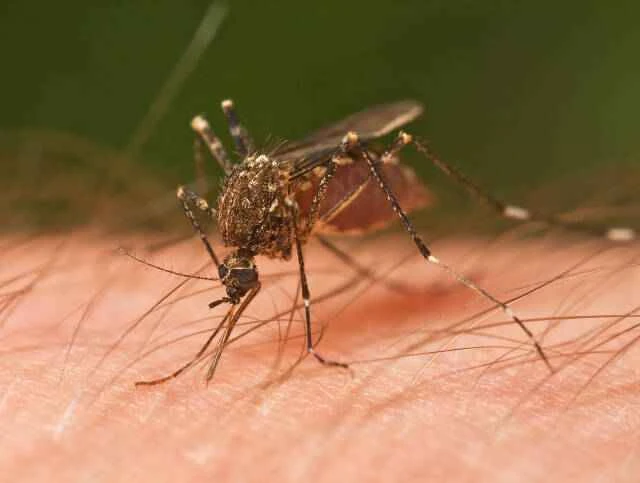
1. Mosquitoes
Mosquitoes are common blood-sucking animals. Male mosquitoes do not suck blood; only female mosquitoes need to suck blood after mating so that their eggs can develop. When a female mosquito sucks blood, it injects saliva containing vasodilators and anticoagulants, making it easier for her to draw blood. A female mosquito can lay eggs after one blood meal, and they can produce six to eight eggs in their lifetime, with approximately 200-300 eggs each time.
However, mosquitoes are also potential disease vectors. Japanese encephalitis is one such disease transmitted by mosquitoes. Culex and Aedes mosquitoes are considered among the most transmissible mosquito species, capable of transmitting viruses from one infected person to another. Therefore, preventing mosquito bites is crucial for preventing the spread of disease.

2. Kissing bug
The kissing bug, one of the world's most terrifying "murderers," has a name that sounds romantic. In reality, it's a carrier of Chuck's disease. Originally named the South American kissing bug, it gets its name from its blood-sucking habit on human lips. Kissing bugs not only suck blood but also leave feces at the bite site. The parasites in this feces enter the human bloodstream, multiply rapidly, and ultimately lead to heart failure and death.
According to data from the U.S. Centers for Disease Control and Prevention, 8 to 11 million people worldwide have been infected with Chakas disease caused by the kissing worm, and as many as 186 million people are still at risk of infection! Therefore, preventing the spread of this virus is very important, especially in South America, where appropriate protective measures need to be taken to protect oneself.
3. Ticks
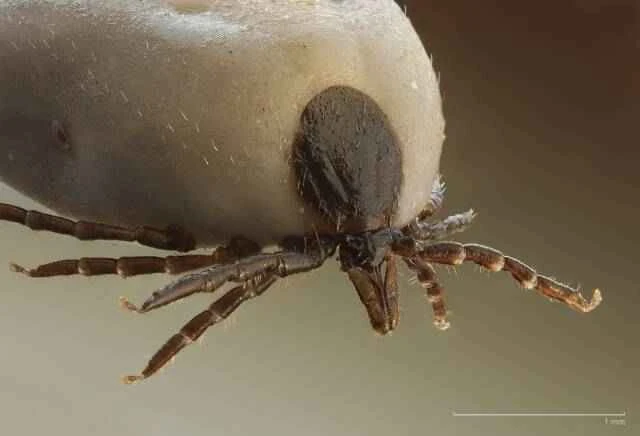
Ticks, also known as cow ticks or dog ticks, are insects whose larvae, nymphs, and adults are all hemophilic. They can parasitize many terrestrial mammals, birds, reptiles, and amphibians, and some species can even infest humans. Hard ticks mainly attack their hosts during the day and feed for a longer period, usually several days; while soft ticks prefer to be active at night and feed for a relatively shorter period, from a few minutes to an hour.
Ticks have an astonishing blood-sucking capacity, absorbing large amounts of blood during each developmental stage, causing them to swell several times, even dozens of times, their original size. When not feeding, they are very small, only the size of a mung bean or as tiny as a grain of rice; however, once saturated with blood, they become plump, some even reaching the size of a fingernail. Therefore, preventing tick bites is crucial, especially during outdoor activities or interactions with pets. Appropriate protective measures should be taken to safeguard yourself and your family from tick infestations.
4. Fleas
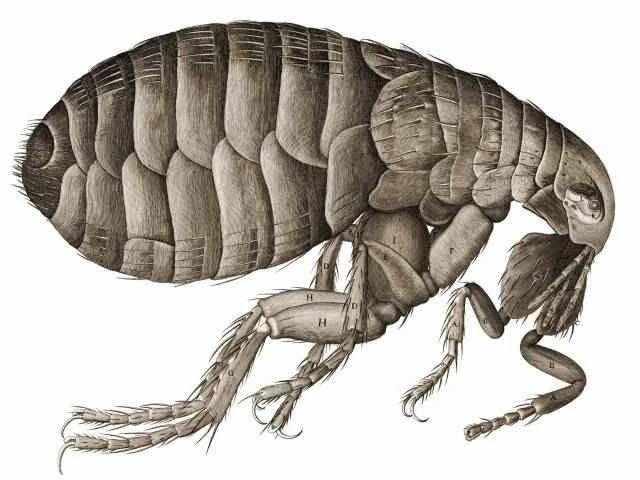
Fleas are well-known parasites. Adult fleas can survive for up to 12 months without food, obtaining sustenance by sucking blood. These insects primarily parasitize mammals and birds, such as humans, cats, and dogs. Fleas possess piercing-sucking mouthparts, allowing both male and female fleas to feed on blood. Fleas larvae are legless, cylindrical, and free-living. They have chewing mouthparts and feed on the blood feces or organic matter of the adults. While feeding and parasitizing, fleas also mate and lay eggs, laying the foundation for the reproduction of the next generation.
Preventing flea bites is very important, especially for pet owners. Preventive measures should be taken, such as bathing pets and regularly cleaning homes and bedding, to avoid flea infestation and reproduction.
5. Bed bugs
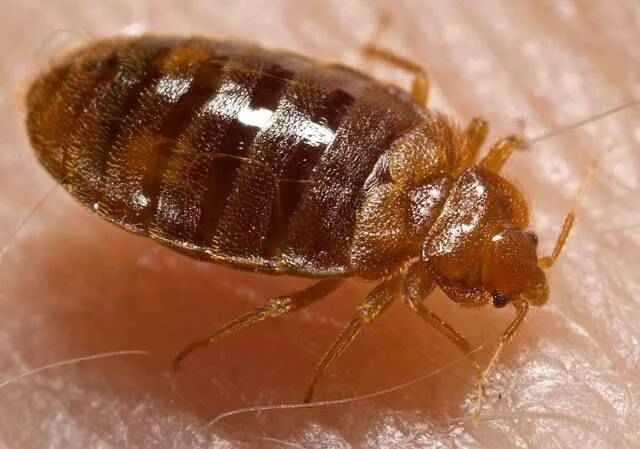
Bed bugs, also known as bed lice, are a common parasite found worldwide. These insects primarily feed on the blood of humans and warm-blooded animals, and are active at night, causing significant inconvenience. Bed bug bites can lead to adverse reactions such as anemia, insomnia, and neurasthenia. When bed bugs bite, they inject saliva into the body, releasing a vasodilating and irritating substance that causes petechiae or itchy wheals, usually arranged in rows. In individuals with sensitive skin, this can cause localized redness, swelling, and intense itching.
In Africa, bedbugs have been reported to cause anemia, heart disease, and colds due to their profuse blood-sucking. Therefore, preventing bedbug bites is crucial. Measures such as maintaining hygiene, regularly cleaning beds and furniture, and ensuring good ventilation in the home can help reduce the breeding and reproduction of bedbugs.
6. Vampire Moth
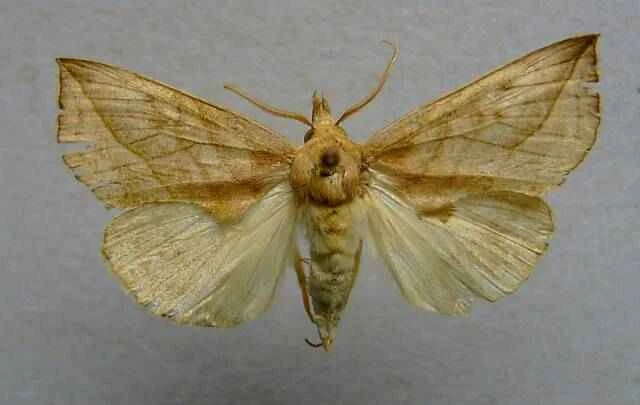
Unlike other moths, vampire moths possess a special mouthpart that allows them to pierce the skin of their prey and suck its blood. Zoologists believe this may stem from their ancestors' habit of sucking fruit juice. Unlike mosquitoes, male vampire moths also feed on blood, while females prefer plant sap. These flying insects like to consume liquids containing inorganic salts, such as salt water, sweat, urine, and excrement. However, vampire moths prefer to feed on animal blood and will actively attack their prey, biting their skin and sucking their blood.
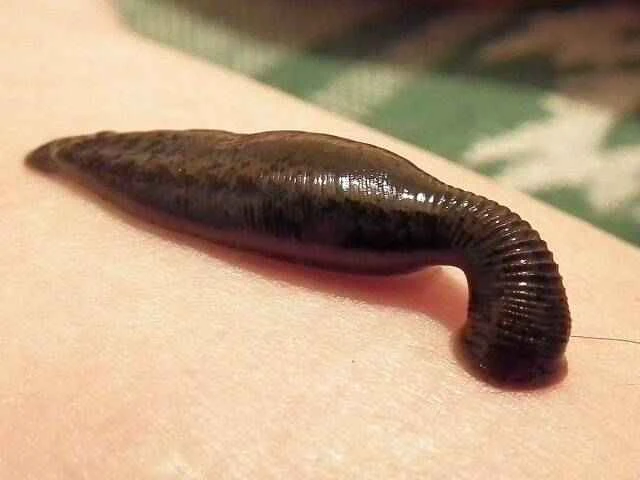
7. Leeches
Leeches, also known as bloodsuckers, primarily inhabit rice paddies, ditches, and shallow, murky ponds. Although omnivorous, they mainly feed on the blood of humans and animals, and are extremely agile, capable of wave-like swimming. Despite their blood-sucking and aggressive nature, leeches also possess significant medicinal value. Dried leeches can be processed and used in traditional Chinese medicine, where they are believed to treat stroke, hypertension, blood stasis, amenorrhea, and injuries. Recent research has found that leech preparations have special therapeutic effects in preventing and treating cardiovascular diseases and in anti-cancer activity. Therefore, leeches are not only powerful organisms in nature but also important medicinal materials in traditional Chinese medicine.
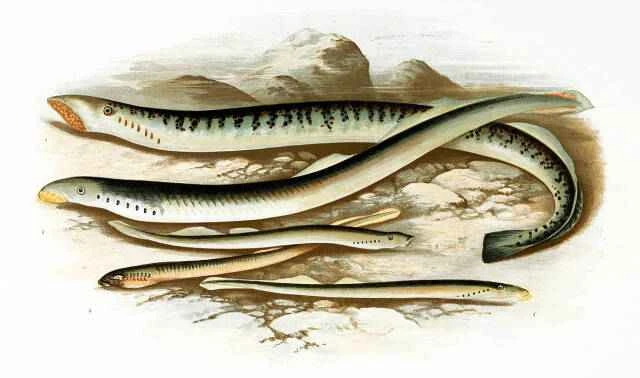
8. Lamprey
Lampreys are extremely ugly in appearance, belonging to one of the most primitive groups of fish-like animals. Their mouths are cylindrical, lacking upper and lower jaws, and filled with sharp teeth, resembling small, electrically powered circular saws. Lampreys typically attach their mouths to other fish, then use their teeth to tear open the fish's body, sucking its blood and flesh, leaving only a skeleton. It's worth noting that lampreys have existed on Earth for 360 million years, older than dinosaurs, making them one of the oldest creatures on the planet, a testament to their remarkable resilience and adaptability.
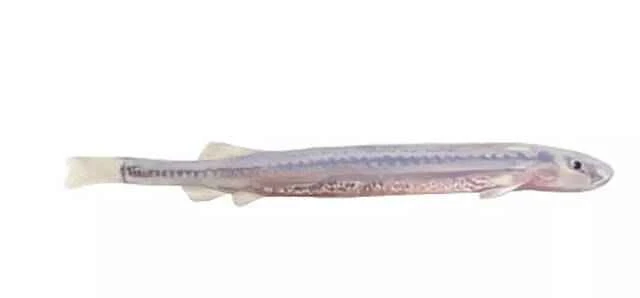
9. Toothpick Fish
Toothpick fish are among the smallest vertebrates in the world, typically less than 10 centimeters in length. Due to their slender and transparent bodies, they are difficult to spot in water. They are primarily parasitic, usually burrowing into the gills of larger fish, using their spines to hook and suck the fish's blood, hence their nickname "vampire fish." Swimming or urinating in rivers inhabited by toothpick fish is strictly prohibited, as they are extremely sensitive to bodily fluids. Once they sense it, they will quickly burrow into the human body with the current, sucking blood and even feeding on human tissue. Unless surgery is performed, the toothpick fish will not emerge from the human body. Therefore, people must be highly vigilant towards toothpick fish.
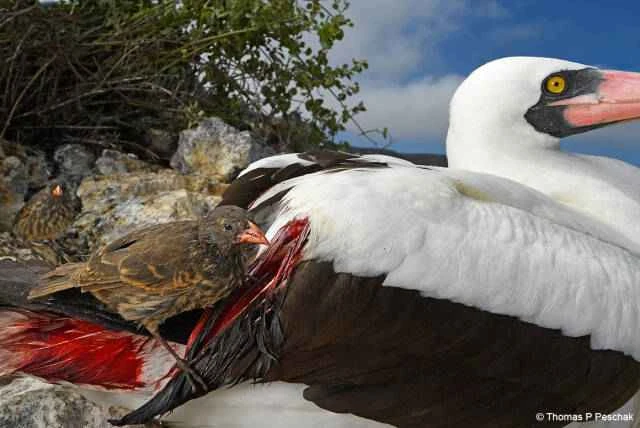
10. Vampire Sparrow
The vampire finch is a blood-sucking bird, a concept likely unfamiliar to many. This small bird, belonging to the finch family, is found only in the Galapagos Islands off the coast of Ecuador. Initially, the vampire finch established a symbiotic relationship with other seabirds in the Galapagos. They helped these seabirds find parasites on their bodies, which they then fed on. However, this bird, with its sharp beak, inevitably caused its companions to bleed during the parasite-hunting process. Gradually, the vampire finch discovered that blood was more palatable than the parasites, and thus eventually evolved the habit of sucking blood. Although this behavior sounds strange, in nature, animals always develop ways to adapt to their environment and survive.
The ranking of the world's top ten blood-sucking animals is primarily based on the survival strategies of different animal species, including whether or not they suck blood. This ranking is for reference only; please feel free to comment and discuss if you have any questions.