In nature, apex predators are always shrouded in mystery. They are also known as "super predators," occupying the very top of the food chain and having virtually no natural enemies in their ecosystems.
People are often amazed by their strength, speed and hunting skills, but their importance lies not only in their "power" but also in their key role in maintaining the balance of the ecosystem.
This article will take you on a journey through the definition of apex predators, their importance to the natural world, and will list typical representative species from land, sea, and air, while also supplementing the latest research and conservation status in the field of ecology.
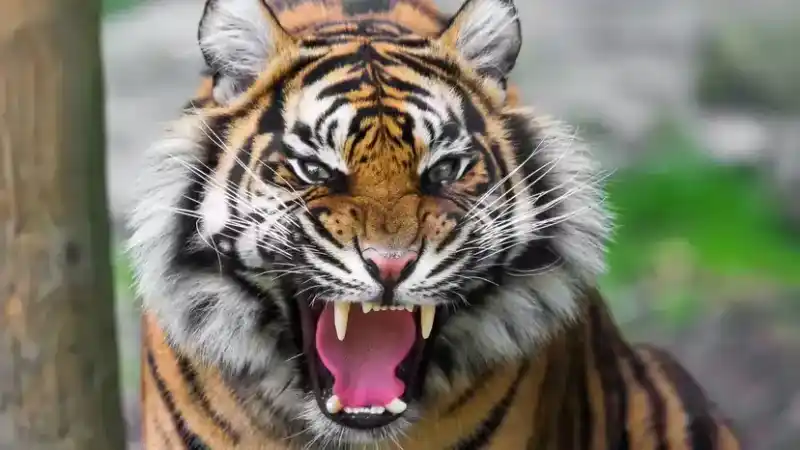
Table of contents
10 Typical Top Predators
What is a top predator?
Why are top predators so important?
Are humans apex predators?
I. Top 10 Typical Apex Predators (Land, Sea, Air)
The following is not a complete list, but these iconic predators can help us better understand the ecological significance of apex predators.
1. African Lion
Scientific name: Panthera leo
African lions are among the world's most famous apex predators. While primarily found in sub-Saharan Africa, small prides also inhabit the Gir forests of India.
Characteristics and hunting behavior
It primarily preys on large herbivores, such as antelopes, zebras, and buffalo.
Occasionally, they prey on smaller mammals or injured animals.
Lion prides hunt in cooperation, with lionesses typically acting as the lead hunters.
For thousands of years, it has been revered, feared, and incorporated into cultural mythology by humankind.
As apex predators in the ecosystem, lions help maintain the balance of large herbivores.

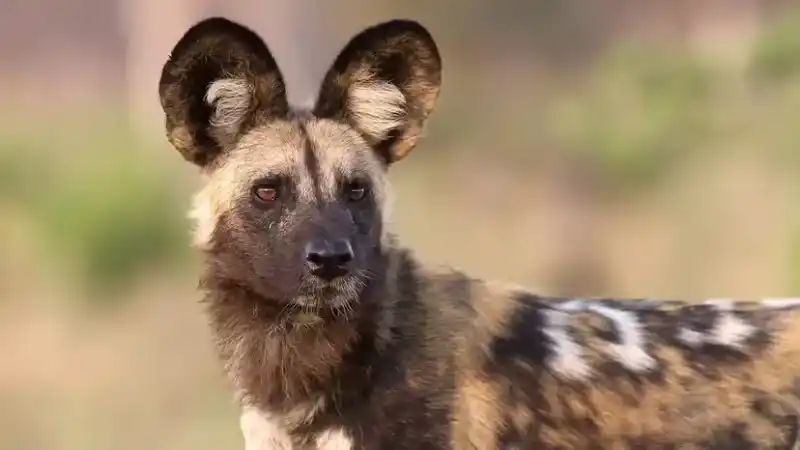
2. African Wild Dog
Scientific name: Lycaon pictus
African wild dogs are unique canines found south of the Sahara, known for their efficient team hunting.
Behavioral characteristics
No natural enemies
A master of pursuit exhausts his prey through prolonged running.
The hunting success rate is extremely high, far exceeding that of lions and leopards.
Due to habitat destruction, the population has been listed as an endangered species.
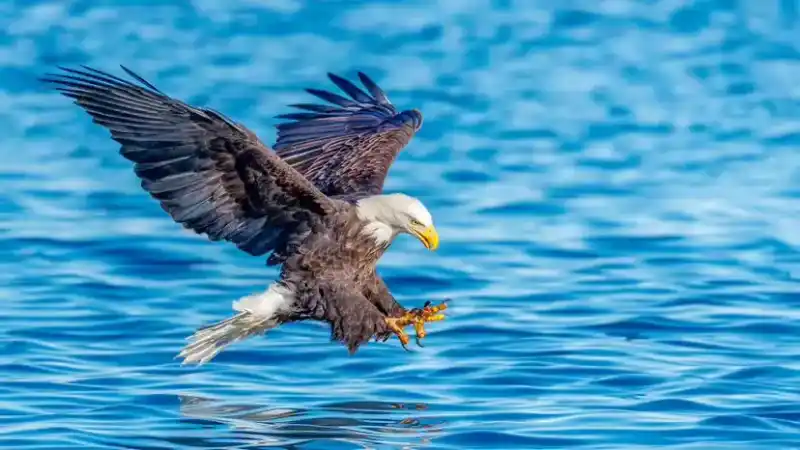
3. Bald Eagle
Scientific name: Haliaeetus leucocephalus
Bald eagles are not only a national symbol of the United States, but also important apex predators in North American river and lake systems.
Ecological significance
They primarily prey on fish, but also hunt waterfowl and small mammals.
The number of cases had plummeted due to DDT contamination.
Following a series of conservation policies, it has become one of the successful cases of bird conservation.
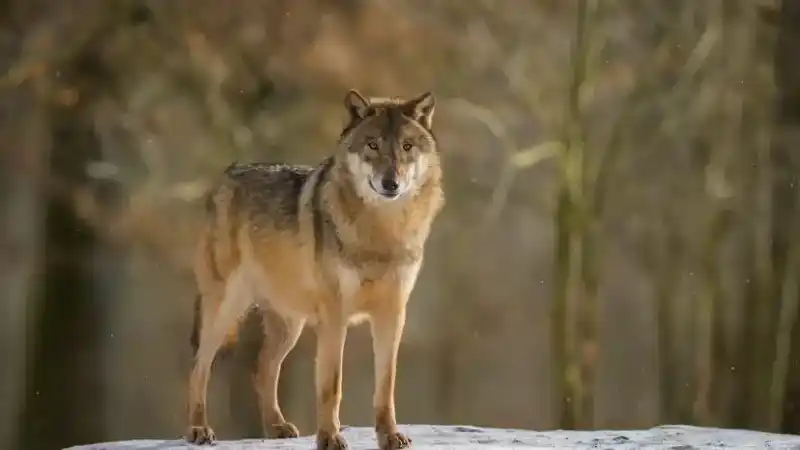
4. Gray Wolf
Scientific name: Canis lupus
The gray wolf is the most widely distributed apex predator among canines, living in North America, Europe, and Asia.
Hunting and Social Structure
Group hunting has a clear social hierarchy.
They primarily feed on large ungulates, such as deer, elk, and bison.
With an amazing sense of smell, it can locate prey from several kilometers away.
The famous case of the "Yellowstone wolf pack return" shows that the recovery of gray wolves can change the entire ecosystem structure (trophic cascade effect).
5. Grizzly Bear
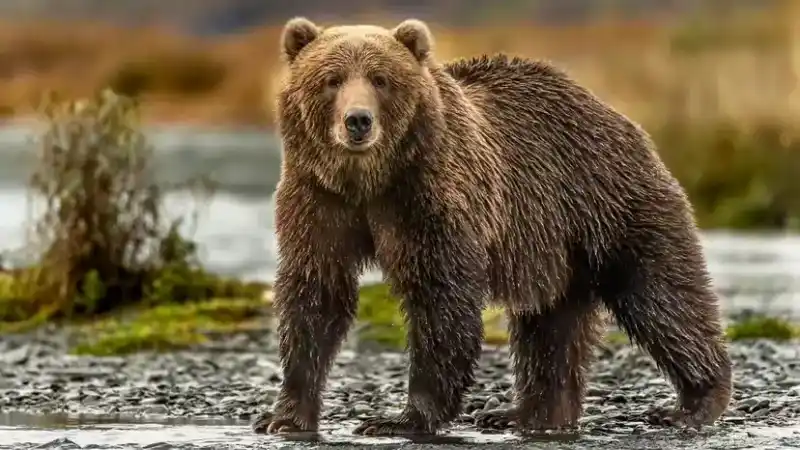
Scientific name: Ursus arctos horribilis
Grizzly bears are a subspecies of brown bears. Although they are not strictly carnivorous, they occupy the top of the food chain in their own ecosystem.
Features
Their diet is extremely diverse, ranging from large mammals and carrion to berries and insects.
The recipe can be adjusted according to the season.
Plays a key role in the mountain and river ecosystems of western North America.
6. Harpy Eagle
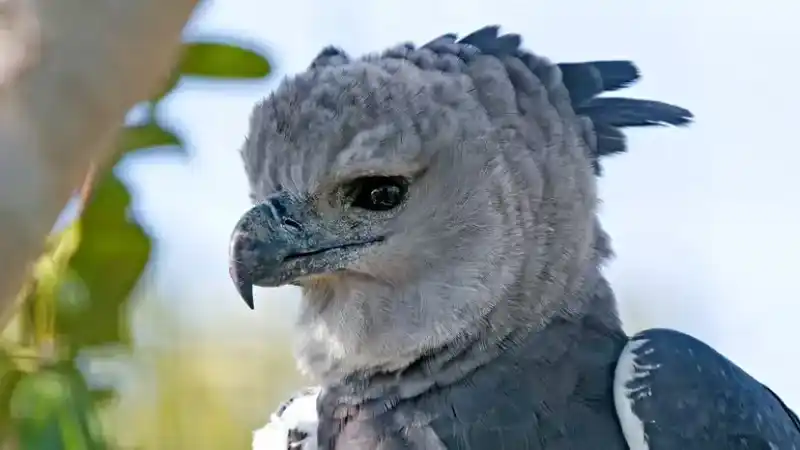
Scientific name: Harpia harpyja
The harpy eagle is one of the largest and most powerful birds of prey in Central and South America.
Hunting ability
Possessing the largest claws among birds, powerful enough to hunt sloths and monkeys.
Able to carry prey weighing nearly half of its own body weight
Rare due to deforestation
Harpy eagles are a prime example of apex predators in tropical rainforests.
7. Orca (Killer Whale)
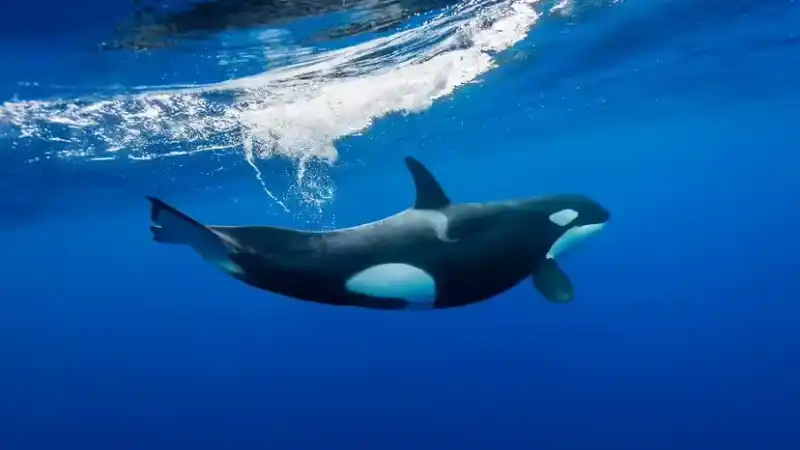
Scientific name: Orcinus orca
Orcas are the top predators in the marine ecosystem, possessing extremely high intelligence and a highly social nature.
Hunting characteristics
Preying on sea lions, dolphins, sharks, and even large whales.
It has a complex language system and group strategies
It is one of the only species that can actively hunt great white sharks.
The presence of killer whales impacts the entire marine food web.
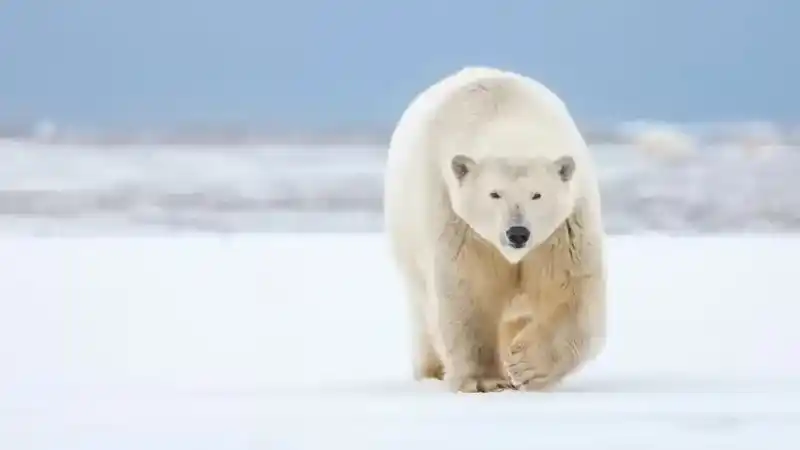
8. Polar Bear
Scientific name: Ursus maritimus
Polar bears are iconic apex predators in the Arctic ecosystem.
hunting behavior
Seals are mainly captured using sea ice platforms.
They also prey on seabirds, whale carcasses, Arctic foxes, etc.
Due to the accelerated rate of ice loss, it has been listed as a vulnerable species by the IUCN.
The decline of polar bears is seen as a classic early warning sign of global warming.
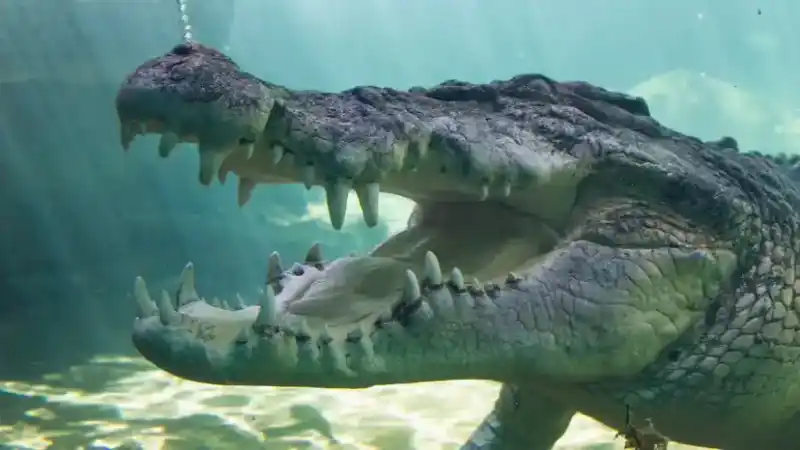
9. Saltwater Crocodile
Scientific name: Crocodylus porosus
One of the world's largest reptiles, it is widely distributed in the waters of India, Southeast Asia, and northern Australia.
Predation ability
Adults can weigh up to 1500 kg.
Their hunting range is extremely wide, encompassing everything from waterfowl to sharks.
With its stealth, explosive power, and exceptional bite force, it is one of the most terrifying ambush predators in nature.
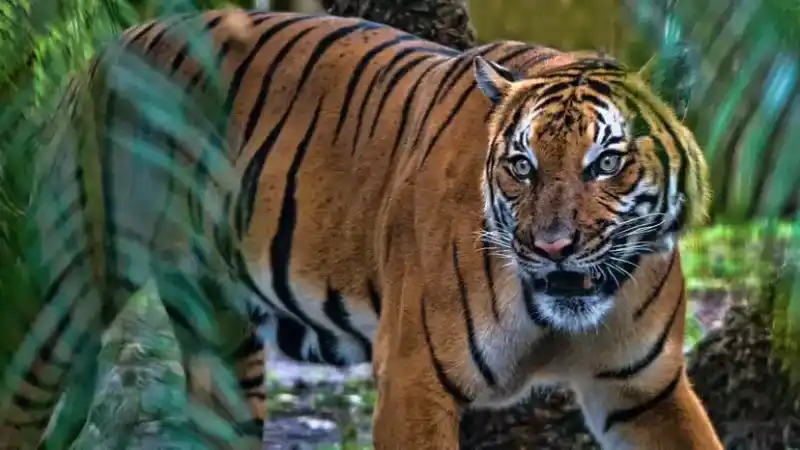
10. Tiger
Scientific name: Panthera tigris
Tigers are Asia’s most famous apex predators and the largest member of the cat family.
Features
Relying on strength, speed, and solitary hunting strategies to prey on large ungulates.
No natural predators
Listed as an endangered species due to poaching and habitat destruction.
II. What is an Apex Predator? (Apex Predator Definition)
Top predators are animals that have no natural predators in their natural ecosystems and occupy the top of the food chain.
They can prey on other animals, but almost no other animals can prey on them.
Exceptions may occur in the following situations:
Introducing alien species disrupts the original ecosystem
Environmental changes have led to the emergence of new predator-prey relationships.
However, in most natural ecosystems, top predators occupy a stable apex of the food chain.
III. Why are top predators important? (The "safety valve" of the ecosystem)
Top predators are often also keystone species , and they have a significant impact on the ecosystem:
1. Control prey population: Prevent overbreeding
For example, the reintroduction of gray wolves into Yellowstone National Park effectively controlled the elk population, allowing vegetation to recover and grow.
2. Maintaining biodiversity
Reducing the population of certain animals can create more living space for other species.
3. Regulating the transmission of diseases and parasites
Top predators will prioritize hunting:
Elderly, infirm, disabled individuals
Animals with abnormal behavior
This indirectly reduces the risk of disease spread.
4. Prevent the spread of invasive species
They suppress the expansion of alien species through predation or competition.
Top predators are a crucial cornerstone of ecosystem stability and health.
IV. Are humans apex predators? (The scientific community is still debating this.)
From the perspective of "natural enemies," humans have almost no natural predators, thus they do indeed fit certain definitions.
However, scientists point out:
Why are humans not entirely equivalent to apex predators like lions and killer whales?
Humans have diverse diets, consuming both plants and animals.
Humans do not focus on preying on lower or intermediate predators.
Human hunting patterns are not fixed, and they do not rely on the natural food chain for survival.
Human impact on ecosystems is "human alteration," not food chain behavior.
Some studies suggest that humans are more like “ super generalists ” than apex predators in the traditional sense.
In conclusion, apex predators are silent guardians of the natural balance.
Whether it's killer whales in the ocean, harpy eagles in the rainforest, or lions on the grasslands, their existence goes far beyond mere "power"; it determines the structure and stability of the entire ecosystem.
Protecting top predators means protecting plants, herbivores, insects, air quality, and our future.