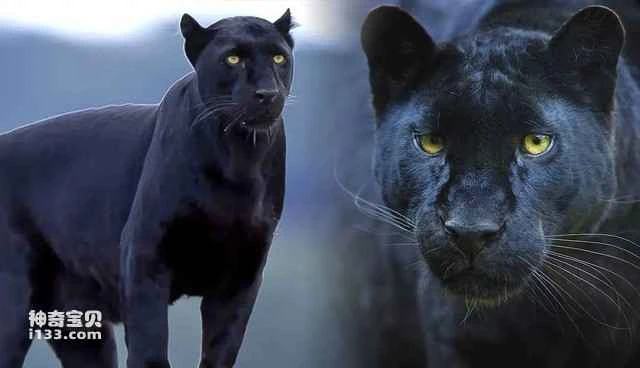
Known for their sleek, dark fur and enigmatic nature, the black panther is one of the most fascinating and mysterious creatures in the animal kingdom. These majestic animals are not a single species, but rather a black variant of the Asian and African leopard (Panthera pardus) or the American jaguar (Panthera onca). Despite their strength and adaptability, black panthers face an increasing risk of extinction. Here are five key reasons why these extraordinary animals are endangered.
1. Habitat loss
One of the greatest threats facing black panthers is habitat loss. As the human population grows, these animals' natural habitats are rapidly disappearing. Deforestation caused by logging, agriculture, and urban development is particularly destructive. Vast areas of forest, swamp, and grassland that once housed black panthers are being cleared away at an alarming rate.
Habitat fragmentation exacerbates the problem. When large, contiguous habitats are broken into smaller, isolated areas, black leopards not only lose hunting grounds but also opportunities to meet potential mates. This fragmentation reduces genetic diversity, increases the risk of inbreeding, and further endangers the population.
2. Poaching and illegal wildlife trade
Poaching is another serious threat to black panthers. Their rare and beautiful fur is highly sought after in the illegal wildlife market. Despite international laws and conservation efforts, the demand for exotic animal skins continues to drive poaching. Black panthers are also hunted for their body parts, which can be used in traditional medicine and as trophies.
Poaching has a severe impact on black panther populations. Even the loss of a few panthers can have devastating consequences, especially in small and isolated populations. Poaching not only reduces their numbers but also disrupts the social structure of panther packs, making it more difficult for the species to survive and reproduce.
3. Conflicts between humans and wild animals
As human activities further encroach on the black panther's natural habitat, encounters between humans and these animals are becoming increasingly frequent. This often leads to conflict, especially in areas where black panthers may prey on livestock. For farmers and local communities, the loss of livestock can be a significant economic blow, resulting in retaliatory killings of black panthers.
Retaliatory killings are a serious problem. Black panthers are frequently hunted or poisoned when perceived as a threat to human livelihoods. This not only reduces their numbers but also increases hostility between humans and wildlife, making it more difficult to implement effective conservation strategies.
4. Decrease in the variety of prey.
Black panthers rely on a stable supply of prey, such as deer, wild boar, and small mammals, for survival. However, these prey species are also threatened. Overhunting by humans, coupled with habitat degradation, has led to a significant decline in these animals' numbers.
As prey becomes scarce, black panthers face the threats of hunger and declining reproductive rates. The decrease in prey also forces them to venture closer to human settlements in search of food, increasing the likelihood of conflict between humans and wildlife. This decline in prey diversity creates a vicious cycle that further endangers the black panther population.
5. Climate Change
Climate change is an emerging threat affecting almost every species on Earth, including the black panther. Changes in weather patterns, temperature, and precipitation alter the habitats of these animals. As the environment changes, black panthers may struggle to adapt, especially when their habitats become unsuitable for hunting or breeding.
Climate change will also affect the availability of water and vegetation, which in turn will affect the distribution and abundance of prey species. In the long term, these changes may force black panthers to migrate to new areas where they may face competition from other predators or be unable to establish new territories.
in conclusion
As symbols of power, mystery, and elegance, the black panther faces a perilous future. Habitat loss, poaching, human-wildlife conflict, prey depletion, and climate change are all contributing to the endangerment of these majestic animals. Urgent and comprehensive conservation efforts are needed to ensure their survival.
Protecting black panther habitats, enforcing anti-poaching laws, and promoting human-wildlife coexistence are key steps in this effort. By supporting conservation programs and raising awareness of the challenges these animals face, we can help protect black panthers so that future generations can appreciate and respect them. The fate of these extraordinary creatures is in our hands, and we must act before it's too late.