Many people know the camel, known as the "ship of the desert," but may not know the yak, also known as the "ship of the plateau." The Qinghai-Tibet Plateau, at an altitude of over 3,000 meters, has thin air, low air pressure, and frigid weather, creating a very harsh ecological environment. Cattle and water buffalo, which live in the plains, cannot survive here. Through long-term natural selection, only the yak, with its exceptional adaptability, has managed to survive well on the plateau, even safely overwintering in temperatures as low as -30 to -40 degrees Celsius.
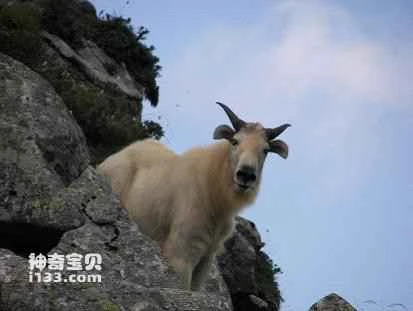
Yaks, with their long bodies and short limbs, strong backs and stable hooves, covered in long hair, are robust and powerful. They are hardy, resistant to cold and hunger, and undeterred by wind and snow. They traverse rugged paths and can lie down in icy and snowy conditions. Every part of the yak is valuable. Its meat is tender, bright red, low in fat, high in protein, and rich in lean meat, with a strong gamey flavor, making it a highly sought-after premium meat. Its hair fibers are long, fine, and supple, used by herders to weave small tents that are warm in winter and cool in summer, windproof, waterproof, and durable. Its wool is soft, comfortable, and incredibly fine, suitable for high-grade wool fabrics. Its hide can be made into exquisite leather, lustrous and of superior quality. Its bones can be boiled to make bone glue, which is transparent, bright, highly adhesive, and versatile. Not only are the yaks valuable in every way, but they are also a favorite mode of transportation for herders in the high-altitude pastoral areas, hence the nickname "ship of the plateau." In areas like Menyuan, Qinghai, there is a white yak species, which, due to its white down, is considered a "divine yak."
The yak is the most unusual and representative large animal of the Qinghai-Tibet Plateau, possessing a massive body and thick, long hair like the woolly rhinoceros. It is perhaps the closest relative to the woolly rhinoceros in its unique adaptation to the cold, open environment. Although yak fossils are extremely rare to date, it had spread northward to the Lake Baikal region of Siberia during the Pleistocene and to northern Pakistan during the Holocene. Recent molecular biological evidence also consistently identifies the yak as a sister group to the European/American bison. Based on this, in the phylogenetic supertree constructed, most agree that the yak and bison share a common ancestor originating in Central Asia, which invaded the Americas across the Bering Land Bridge in the Late Pleistocene.