The world's largest dinosaur nesting site is located in Spain. Paleontologists have discovered a vast number of dinosaur bone fragments and egg fossils in coastal sediments. These fossils are ancient, dating back to the Late Cretaceous period, approximately 70 million years ago. The abundance of fossils is so great that no one can predict their exact number. Professor Sands, a paleontologist, examined fossils covering a 9-square-kilometer ancient coastline in this region and discovered it to be a massive dinosaur nesting site—the largest known dinosaur nesting site in the world to date.
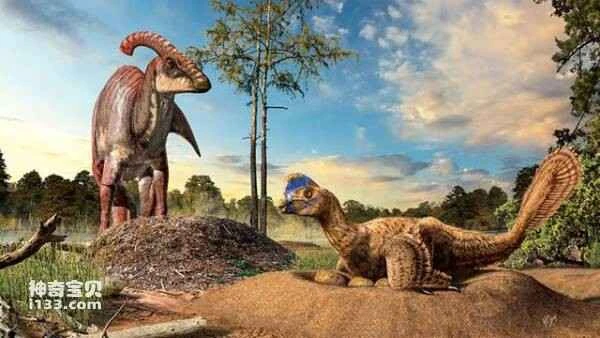
Professor Sands' sampling survey of untouched bone fossil fragments and egg fossils buried in sandstone revealed that 300,000 dinosaur eggs were buried in a sandstone block of nearly 10,000 cubic meters.
Electron microscopic observation of these dinosaur eggs in the laboratory revealed that the tiny pores in the eggshells that provide oxygen to the embryos are different from those in birds, confirming their dinosaur egg status.
In the wild, Sands also discovered some small bone fragments, likely from juvenile dinosaurs. He also found 24 remarkably well-preserved egg nests, each containing 1 to 7 round eggs, approximately 20 centimeters in diameter, arranged irregularly. This arrangement is completely different from other dinosaur egg nests previously discovered; for example, scientists found egg nests in Mongolia with eggs arranged in a regular spiral.
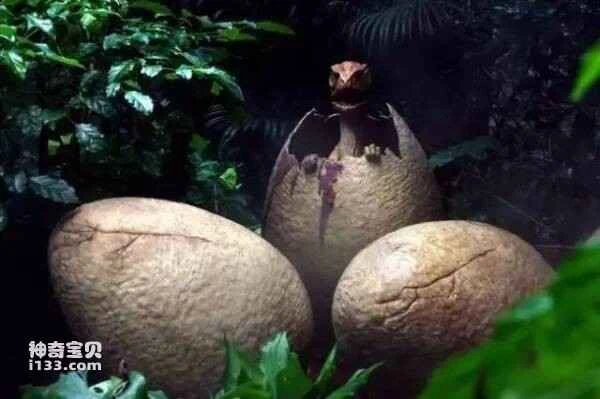
Because the dinosaur nests, located only about one meter below the surface, are remarkably well-preserved, Sands believes that the "new immigrants" to this cluster must not have trampled on the nests left by the dinosaurs of the previous dynasty, which explains the seemingly overcrowded situation—the nests in the sandstone are generally less than one meter apart. Based on this, Sands speculates that the dinosaurs must have particularly favored this area, coming here every year during the breeding season to lay their eggs and reproduce.
To Sands' regret, he was still unable to identify the species of the dinosaurs that laid eggs in the area, because he had only found some very fragmented skeletal fossils, which were not enough to provide sufficient evidence to identify the species of the dinosaurs.
However, this largest dinosaur nesting site in the world has provided scientists with much other information. For example, it is the first evidence scientists have discovered that dinosaurs may have preferred to nest on the coast. The dinosaurs' preference for nesting on the coast was likely because the soft sand and mud at the seaside could protect the eggs from breaking. In the past, scientists have found the bones of juvenile dinosaurs in marine sediments, but those were likely fossils of dinosaurs washed into the sea. The egg nest fossils preserved in these coastal sediments discovered in Spain are the first definitive evidence of dinosaurs nesting on the coast.