While numerous powerful predators exist on Earth, humans pose the greatest threat to most animals. The poaching industry generates billions of dollars in illegal revenue globally each year, providing livelihoods for tens of thousands of people, but also severely threatening the survival of millions of species and the balance of ecosystems. Below, we will delve into the causes and consequences of poaching to help you gain a more comprehensive understanding of this global problem.

Reasons for animal poaching
The causes of animal poaching are complex, including both economic motives and social and cultural factors:
Low level of economic development : In many underdeveloped countries, employment opportunities are limited, and poaching has become a means of livelihood for some people.
Scarce livelihood opportunities : In areas with extremely poor working conditions, hunting animals for food or income is seen as a last resort.
Market demand drives demand : There is a huge demand for fur, bone, horn products, pets or ornamental animals in both local and global markets.
Political and social instability : War, unrest, and poor law enforcement make poaching activities more difficult to regulate.
The high profits of the illicit trade : According to United Nations data, the global illegal wildlife trade generates as much as $10 billion annually, ranking as the world's third largest black market industry after arms and drug trafficking.
The ultimate goal of poaching is mostly the illegal trade of animals and their products : some are captured alive and sold to pet markets or circuses, while others are killed and used as raw materials for leather, medicine, jewelry, or luxury goods.

poaching industry chain
Poaching is particularly rampant in South America, Central America, Asia, and Africa, regions rich in animal diversity and considered "exotic treasures." Illegally hunted animals and their products primarily end up in consumer markets in the United States, Europe, and Japan .
Commonly traded species include:
Monkeys, parrots, monitor lizards, turtles and tortoises
Crocodiles, iguanas
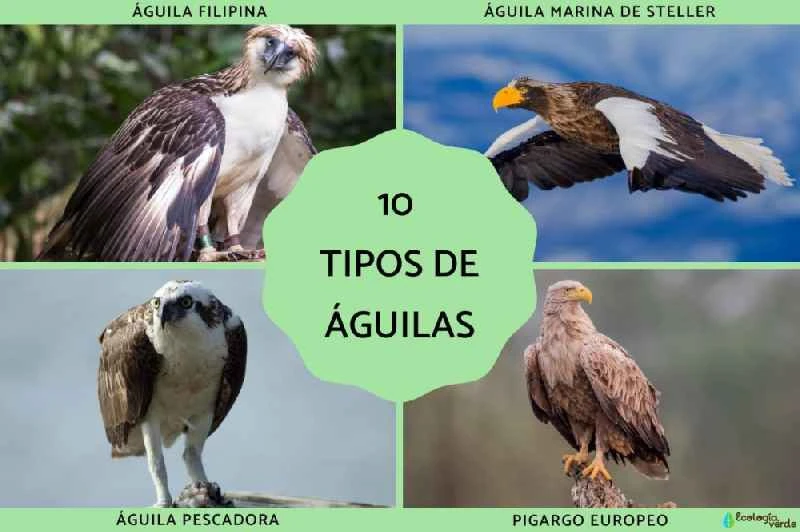
Various snakes and birds of prey
For example:
Parrots : Because of their brightly colored plumage, they are often sold as pets and also end up in zoos and circuses.
Iguanas and reptiles : their leather is processed into luxury items such as shoes and wallets.
Case Study :
Brazil : Due to its unique biodiversity, it is one of the world's most notorious poachers. It is estimated that approximately 38 million wild animals are illegally hunted in Brazil each year, with 90% of them dying during capture and transportation .
Whales : In the past, large-scale hunting for whale oil and meat led to the extinction of many whale species.
African rhinoceros : Due to the extremely high value of its horn products, it has become a prime target for poaching.
The Great Elk and the Carolina Parakeet : Extinct in the 19th century due to overhunting.
The consequences of animal poaching
Poaching has extremely wide-ranging effects, not only directly threatening the lives of individual animals but also disrupting the balance of the entire ecosystem.
Main consequences:
Species numbers have plummeted
The global bird population has decreased by 58% , and the mammal population by 83% .
Modern weapons and transportation have made poaching far more efficient than in ancient times, and the scale of illegal hunting is unprecedented.
Animals are highly wary of humans
Long-term poaching has led many wild animals to view humans as the greatest threat, altering their natural behavioral patterns.
Ecosystem deterioration
Soil degradation : Nutrient cycles are disrupted, and soil fertility declines.
Reduced pollination : Decreased bird and insect populations make it difficult for plants to reproduce, resulting in reduced crop yields.
Water quality deterioration : Animal extinctions disrupt the ecological balance of aquatic bodies, increasing the risk of disease and the growth of harmful algae.
Food chain disorder
Mass hunting of a species can lead to the disruption of the food chain.
It affects not only the animals that are hunted, but also the predators that depend on them, as well as the plants and prey that compete with them.
In other words, poaching is not only the destruction of individual animals, but also the disruption of the entire ecosystem.
in conclusion
Animal poaching and illegal trade have become a huge and brazen black market:
It involves individuals, black market dealers, zoos, circuses, research institutions , and even some pharmaceutical companies.
The vast majority of wild animals originate from "Third World countries" and eventually end up in developed country markets.
For exporting countries, this "resource plunder" brings short-term benefits, but in the long run it causes species loss and ecological crisis.
To solve this problem, it is necessary to:
Strengthen international cooperation and law enforcement efforts.
Educate the public to reduce demand for illegal wildlife products.
To provide alternative livelihoods for communities in developing countries and reduce their dependence on poaching.
Poaching may seem like an isolated incident, but it represents a global supply chain and demand. Only when both supply and demand are curbed can animals be freed from the endless cycle of hunting.