On May 2nd, a research team of paleontologists from multiple research institutions in mainland China, Hong Kong, and Canada reported in the journal *Nature Communications* a dinosaur that lived approximately 125 million years ago—*Jianianhualongs tengi*. This was a small carnivorous dinosaur, slightly over 1 meter long, with large feathers on its forelimbs, hindlimbs, and tail. This discovery helps us understand the evolution of dinosaurs into birds, especially the evolution of some important features related to flight ability.
This dinosaur fossil specimen originated from Baicaigou, a place in Yixian County, Liaoning Province, which is home to the famous Jehol Biota fossils. In late 2015, the Dalian Xinghai Paleontological Museum, the institution that houses this fossil, invited researchers including Xu Xing from the Institute of Vertebrate Paleontology and Paleoanthropology of the Chinese Academy of Sciences, Philip Curry from the University of Alberta, Mike Pittman from the University of Hong Kong, and Hu Dongyu from Shenyang Normal University to conduct research on this important fossil specimen. According to Teng Fangfang, the museum's curator, the Dalian Xinghai Paleontological Museum has a large collection of fossils from western Liaoning, and she hopes that these fossils can not only serve a popular science purpose but also contribute to scientific research. This dinosaur fossil is just one of the research specimens that the Dalian Xinghai Paleontological Museum has provided to researchers in recent years.
After nearly a year of research, the researchers officially published their findings. Based on its anatomical characteristics, they classified this dinosaur as a troodontid. Troodontids represent one of the closest dinosaur groups to birds and are crucial for understanding the transition from dinosaurs to birds. *Carnivalosaurus tengii* represents a transitional type in the evolutionary process of troodontids. By comparing it with other troodontids, including *Sinusonasus magnodens*, the researchers believe that "modular evolution" exists in the evolution of troodontids, meaning that different parts of the body can be divided into separate modules that evolve independently. For example, the forelimbs and pelvic girdle of *Carnivalosaurus tengii* are relatively conservative with little change, but the skull and hindlimbs evolved more rapidly, closer to more advanced troodontids. Researchers have previously only observed this "modular evolution" phenomenon in the transition of major biological groups, but this study shows that "modular evolution" also exists in the evolutionary history of some smaller groups.
The most important information about Carnivalosaurus tengii comes from its feathers. Through careful study of its preserved feather traces, researchers believe it had feathers very similar to those of Archaeopteryx, displaying the "four-winged" morphology widely seen in the early evolution of birds. More importantly, researchers discovered that the vanes on either side of the rachis of Carnivalosaurus tengii's tail feathers were of different widths, similar to the asymmetrical flight feathers of birds. Many studies suggest a correlation between the emergence of asymmetrical flight feathers and the development of flight ability. This discovery indicates that asymmetrical flight feathers, crucial for flight, appeared much earlier, likely first appearing in the tail of dinosaurs, which is significant for understanding how flight feathers evolved.
Currently, there are still many details to be explored regarding the specific process of how dinosaurs evolved into birds. The discovery of this new species of Troodon helps researchers to understand this important event in the history of biological evolution more deeply and also provides new evidence for the evolution of early feathers.
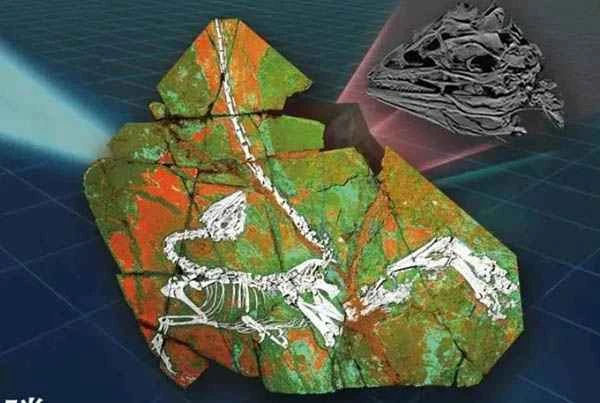
Figure 1. Specimen of Jianianhualongs tengi (Photo provided by Xu Xing)
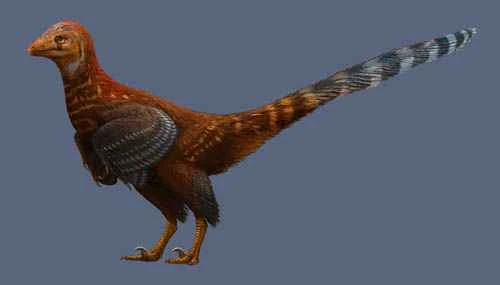
Figure 2. Reconstruction of Jianianhualongs tengi (drawn by Julius T. Csotonyi)