For a long time, gomphotheres have been considered a central link in proboscis evolution, and an ancestral type of the surviving true elephants. The origins of Stegodontids, Rhynchotheres, and Cuvieroniines are all more or less related to gomphotheres. However, gomphotheres are also considered a problem genus and a dumping ground in proboscis evolution. Historically, at least sixty species have been placed in the genus *Gomphotheres* or its synonyms, and currently, more than ten species are widely accepted. Whether these species exhibit synonymy or homonymy remains a subject of debate, and the phylogenetic relationships between species are even more controversial. This is because the genus *Gomphotheres* has very few autapmorphic features (the only recognized autapmorphic feature is the oval or pear-shaped lower incisors), the cheek teeth are not specialized, and intraspecific variation is significant.
On August 11, 2017, the Journal of Vertebrate Paleontology, Volume 37, Issue 3, published as a cover article the latest findings on the evolution of the genus *Gnaphaltus* by Wang Shiqi et al. from the Institute of Vertebrate Paleontology and Paleoanthropology, Chinese Academy of Sciences. The researchers selected 16 representative species from the genus *Gnaphaltus* across Eurasia, Africa, and the Americas, essentially encompassing all *Gnaphaltus* groups worldwide. In this study, the researchers fully developed the morphological characteristics of *Gnaphaltus* proposed in 1985 by Professor Pascal Tassy, a renowned proboscis scholar and professor at the Paris Museum of Natural History, France. They meticulously compared the comprehensive morphological features of the skull, mandible, incisors, and cheek teeth of these *Gnaphaltus*. Based on this, using cladistic analysis, they identified three monophyletic groups and one paraphyletic group within the genus *Gnaphaltus*, thus resolving the phylogenetic relationships among species within the genus.
The researchers also described a new species of Gomphotherium tassyi discovered in the Late Miocene of the Linxia Basin. The species is named after Professor Pascal Tassy in honor of his significant contributions to the study of proboscideans, particularly Gomphotheriums. Synthetic studies indicate that Gomphotherium tassyi and Gomphotherium subtapiroideum constitute a branch of Gomphotheriums whose cheek teeth evolved in a cutting direction, thus exhibiting a certain morphological similarity to Mammutids. This similarity is a significant reason for the confusion in the classification and identification of Gomphotheriums and Mammutids, and to some extent, it undermines the fundamental understanding of proboscidean classification.
Original link: http://dx.doi.org/10.1080/02724634.2017.1318284
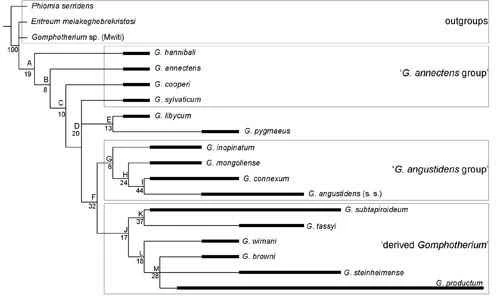
Figure 1. Systematic evolution of the genus *Gnaphalidae* (Image provided by Wang Shiqi)
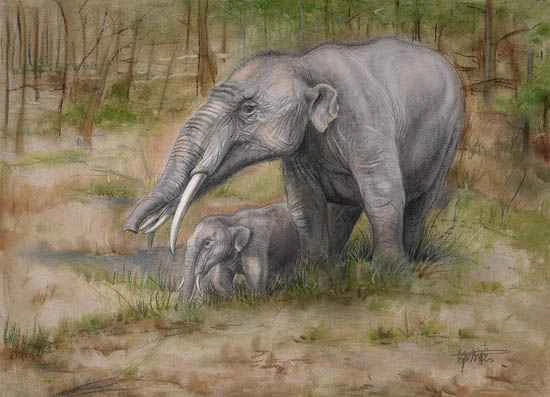
Figure 2. Ecological restoration of the Tautzschoidea (illustrated by Guo Xiaocong)