Giraffes, the world's tallest land animals, have long captivated people with their graceful necks and spotted fur. However, in recent years, concerns about their population status have begun to emerge. Many wonder: are giraffes endangered ? This question is more complex than it appears. In this article, we will explore the current conservation status of giraffes, the factors affecting their survival, and the efforts made to protect these gentle giants.
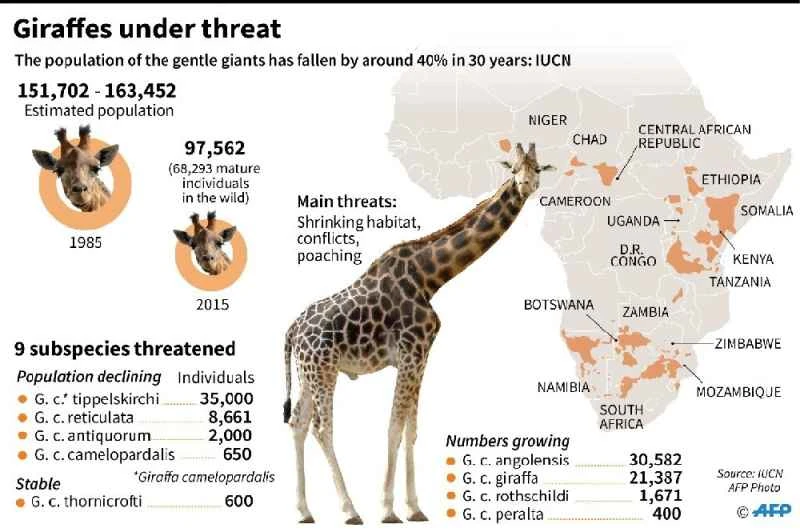
Learn about giraffe conservation status
The term "endangered" refers to a species that faces a high risk of extinction in the wild. To determine whether a species is endangered, scientists rely on assessments conducted by organizations such as the International Union for Conservation of Nature (IUCN). The IUCN maintains the Red List of Threatened Species , which classifies species based on their population trends and the threats they face.
So, are giraffes endangered ? The answer depends on the specific subspecies. While giraffes as a whole are not listed as "endangered" on the IUCN Red List, some subspecies have indeed experienced severe population declines.
Giraffe species and their conservation status
There are four main species of giraffes, each composed of different subspecies. The conservation status of giraffes varies by region and subspecies. The following is a classification of their status:
Northern giraffe ( Giraffa camelopardalis ) : This species includes three subspecies, two of which are listed as "endangered":
Kordofan giraffe : This subspecies is found in Central Africa and is now critically endangered, with only about 2,000 individuals remaining.
Nubian giraffe : This endangered subspecies is mainly found in Ethiopia and Kenya, with a population of less than 3,000.
West African giraffe : Listed as "vulnerable," this subspecies was once on the verge of extinction, but its numbers have recovered thanks to conservation efforts.
Reticulated giraffe ( Giraffa reticulata ) : Found in northern Kenya and southern Ethiopia, this species is listed as “endangered” with an estimated population of less than 11,000.
The Masai giraffe ( Giraffa tippelskirchi ) : Native to East Africa, this giraffe species is listed as "endangered." In recent decades, the Masai giraffe population has declined by nearly 50%.
Southern giraffe ( Giraffa giraffa ) : This species is relatively numerous and consists of two subspecies:
Angolan giraffe : This subspecies is listed as "Least Concern" and its population has remained stable at around 20,000.
South African giraffe : Also listed as "Least Concern," this subspecies of giraffe is growing, with an estimated population of around 37,000.
Overall, giraffe populations have declined by nearly 40% over the past three decades, primarily due to habitat loss, poaching, and human-wildlife conflict. While not all giraffes are endangered, some subspecies face serious threats, raising concerns about their long-term survival.
Threats to giraffe populations
The question of whether giraffes are endangered is closely related to the various challenges these animals face in their natural habitat. Like many other large mammals in Africa, giraffes are threatened by several factors:
1. Habitat loss
One of the biggest threats facing giraffes is habitat destruction. As the population grows, more and more land is being cleared for agriculture, urban development, and infrastructure projects. Giraffes need vast grasslands and woodlands to roam, and the fragmentation of these habitats restricts their movement and access to food sources.
2. Poaching and illegal hunting
Poaching remains a critical problem for giraffes. In some cases, giraffes are hunted for their meat, bones, and hides. Their bones are often used in traditional medicine, while their hides are used to make a variety of products. Despite conservation efforts, illegal hunting continues to threaten giraffe populations, particularly in areas with limited law enforcement.
3. Conflicts between humans and wild animals
As humans encroach on giraffe habitats, conflict ensues. Farmers sometimes kill giraffes to protect their crops, and giraffes may be hit by vehicles on roads passing through their territory. This conflict reduces the giraffe population and limits their ability to live and reproduce in the wild.
4. Climate Change
Climate change is another growing concern for giraffe populations. Changes in rainfall patterns and rising temperatures will alter the giraffes' food and water supply. Drought, in particular, will have a devastating impact on giraffe populations because it will reduce the number of trees and shrubs on which they depend for survival.
5. Disease
Giraffes are also susceptible to a variety of diseases that can lead to significant population declines. In some areas, diseases such as rinderpest have already caused a sharp drop in giraffe numbers. Furthermore, giraffes are vulnerable to parasites and infections that spread more easily in fragmented and degraded habitats.
giraffe conservation efforts
Despite the significant threats facing giraffes, efforts continue to be made to protect and care for these animals. Several organizations and governments are working to ensure the survival of giraffes, particularly endangered subspecies. These conservation strategies include:
1. Nature Reserves and Wildlife Refuges
Establishing protected areas and wildlife reserves is a crucial component of giraffe conservation. These areas provide giraffes with safe habitats where they can live, breed, and thrive without the pressure of human encroachment or hunting. National parks in countries such as Tanzania, Kenya, and South Africa play a vital role in protecting giraffe populations.
2. Anti-poaching measures
Anti-poaching measures are crucial for protecting giraffes from illegal hunting. In many parts of Africa, rangers are deployed to wildlife reserves to patrol and prevent poaching. Furthermore, raising awareness of the importance of giraffe conservation helps reduce demand for giraffe products in the illicit market.
3. Migration and breeding programs
In some cases, giraffes migrate from threatened areas to safer ones so their populations can grow. Breeding programs at wildlife sanctuaries and zoos also help maintain genetic diversity, ensuring that endangered subspecies do not go extinct.
4. Community-based protection
Involving local communities in conservation efforts is crucial for the long-term success of giraffe conservation. Community-based programs promote sustainable land use and create economic opportunities through ecotourism, which can reduce human-wildlife conflict and incentivize communities to protect giraffes and other wildlife.
5. Research and monitoring
Ongoing research and monitoring of giraffe populations help conservationists understand the status of different subspecies and identify major threats. This information is crucial for developing effective conservation strategies and ensuring that efforts are focused where they are most needed.
The future of the giraffe: Can we prevent its extinction?
While the answer to whether giraffes are endangered varies by subspecies, it is clear that giraffes face significant challenges. However, their future is promising. Conservation efforts have already had a positive impact in some areas, and with continued support, giraffe populations can recover.
The IUCN Giraffe and Okapi Specialist Group, along with other conservation organizations, is working tirelessly to save giraffes from extinction. By addressing the threats of habitat loss, poaching, and climate change, these efforts aim to ensure that giraffes can continue to roam the African savanna for generations to come.
Conclusion: Are giraffes endangered?
In summary, while the giraffe as a species is not yet listed as endangered, several subspecies face serious threats, pushing them to the brink of extinction. Conservation efforts are crucial to preventing further decline in these majestic animals. With the right strategies and global support, we can ensure that giraffes continue to thrive in the wild.
By understanding the challenges giraffes face and supporting conservation programs, we can help secure their future. Therefore, when asked if giraffes are endangered , the answer is yes, while some subspecies are on the verge of extinction, hope remains through conservation efforts aimed at protecting these iconic creatures.