Hermaphroditism is a unique and fascinating sexual phenomenon in the biological world, as opposed to dioeciousness. In nature, some organisms may be hermaphroditic or dioecious, often related to gene mutations or adaptations to the environment.
So, do you know which animals are hermaphroditic? This article will take you through the top ten hermaphroditic animals in the world, including earthworms, eels, clownfish, corals, and parasitic wasps. Let's take a look at these "gender magicians" of nature!
1. Earthworms (typical hermaphrodites/require mating to reproduce)
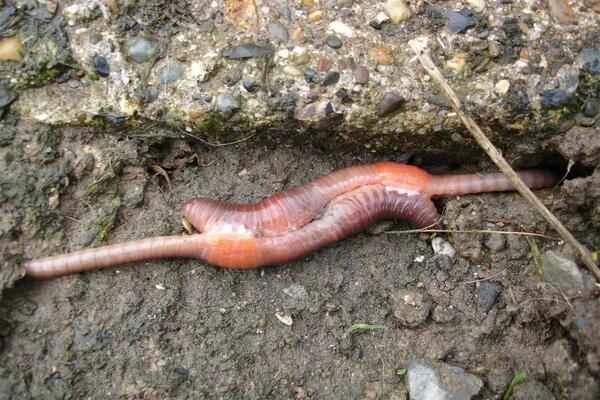
In nature, hermaphroditic animals are not uncommon, and earthworms are one of the most common examples. Earthworms are found almost all over the world and are typical hermaphroditic animals—meaning they possess both male and female reproductive organs. However, unlike some species that can reproduce on their own, earthworms cannot reproduce independently.
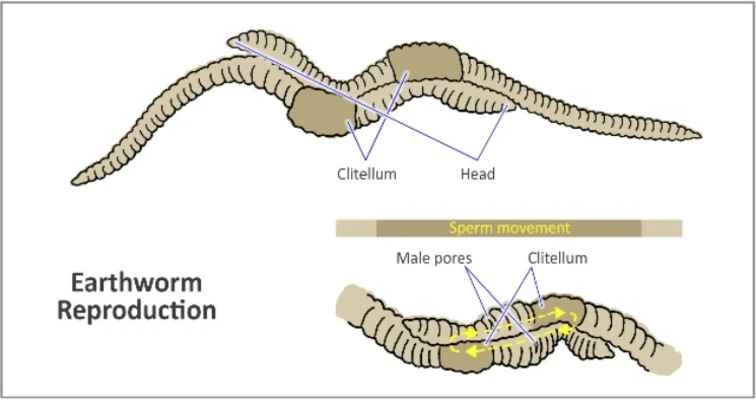
This is because the male and female reproductive organs of earthworms are located far apart on their bodies, making self-fertilization impossible. Therefore, they still need to reproduce through mating. Earthworms usually mate in groups, straightening their bodies and using a sticky substance to bind themselves tightly together. During mating, the 15th segment of their body releases eggs, while the 9th and 10th segments absorb and fertilize these eggs. The fertilized eggs are then stored on the back of the earthworm's body and hatch into a new generation of baby earthworms after about two to three weeks.
2. Eel (bisexual in its lifetime / female to male)
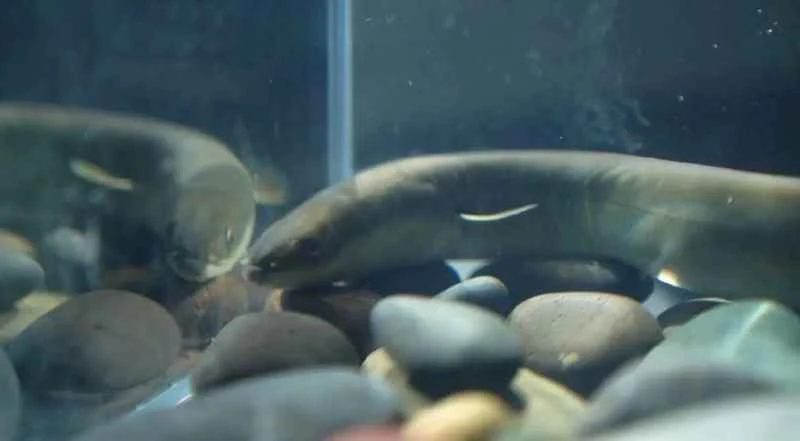
Among animals capable of "changing sex at will," the swamp eel is undoubtedly one of the most representative species. Generally speaking, the sex of most animals is determined at birth and remains unchanged throughout their lives; even hermaphroditic creatures like earthworms simply possess two sets of reproductive organs. However, the swamp eel possesses an even more astonishing ability to "change sex."
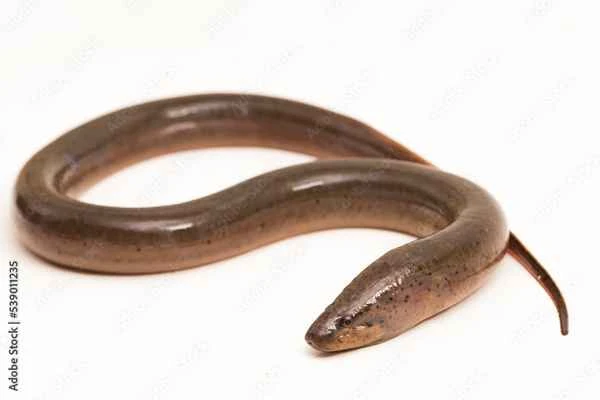
When swamp eels reach their first sexual maturity, they are almost identical in sex, almost all being female. That is to say, they all initially reproduce as "mothers." However, as they continue to grow and reach their second sexual maturity, some swamp eels undergo a sex change, transforming from females to males and beginning to participate in reproduction as "fathers."
3. Clownfish (male to female/group sex order)
Among the many hermaphroditic animals, clownfish are undoubtedly one of the most impressive examples. Although they are all born male, they do not have the ability to reproduce parthenogenetically. Unlike most organisms, clownfish are among the few species capable of "male-to-female" transformation, and once they become female, they cannot revert to being male.
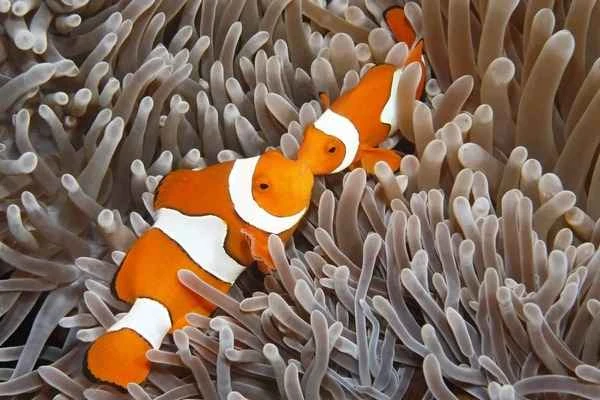
In a clownfish group, there is usually a dominant female who acts as the "leader," leading several adult males to form a stable social structure. These males are in a state of incomplete sexual differentiation during their juvenile stage and possess the potential for sex reversal. Once the dominant female dies, the highest-ranking male will be hormonally regulated and gradually transform into a new female, subsequently taking over the reproductive role.
4. Wrigley fish (female to male/changes when vacancy is open)
Wranglers are a special type of fish capable of sex reversal, but unlike clownfish which change from male to female, wrasses undergo the opposite process—they change from female to male. All wrasses are born female, and this sex only changes when a male in the group dies or is absent.
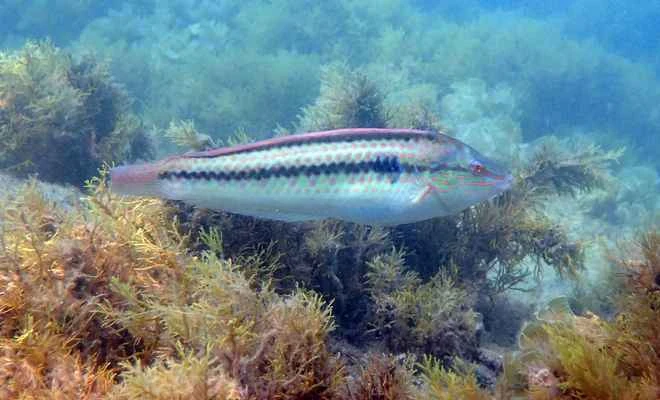
When the original male wrasse disappears, the strongest and most dominant female in the group will step forward to compete for dominance. The victorious female undergoes a series of physiological changes: her ovaries gradually degenerate, her testes begin to form, and her brain structure adjusts accordingly, gradually transforming her behavior into that of a male. Ultimately, this female wrasse successfully "transforms" into a male and continues to shoulder the responsibility of reproduction for the species.
5. Corals (which reproduce both sexually and asexually)
In the ocean, there is a great variety of hermaphroditic organisms, with corals being a prime example. Most corals possess both male and female reproductive organs, and regardless of whether they are hermaphroditic individuals, they can reproduce sexually or asexually, thereby expanding their population.
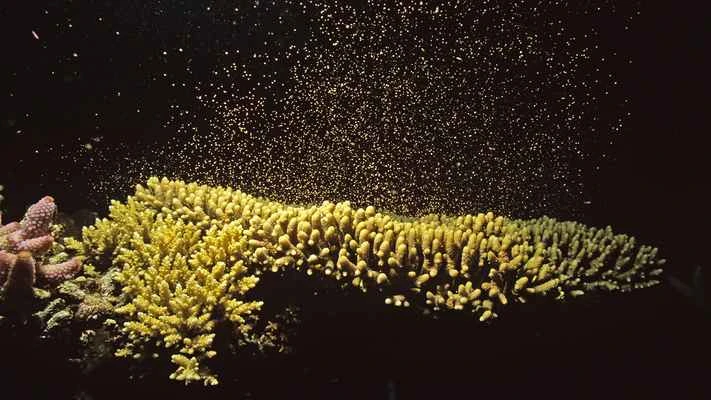
Sexual reproduction helps corals expand into new habitats. Although released fertilized eggs can drift to distant waters, their fertilization success rate is extremely low, less than one in a million. The primary driver of rapid coral colony expansion, however, is asexual reproduction. Coral polyps reproduce by continuous division, forming tightly structured, interconnected communities that stabilize and sustainably expand the coral reef ecosystem.
6. Parasitic wasps (chromosomal mixing/male-female chimerism)
Parasitic wasps are insects that exhibit both male and female characteristics, possessing a mixture of male and female chromosomes, thus displaying a complex hermaphroditic state. Even more surprisingly, the most important "sex organ" in parasitic wasps appears to be the brain—gender behavior is often dominated by the nervous system.
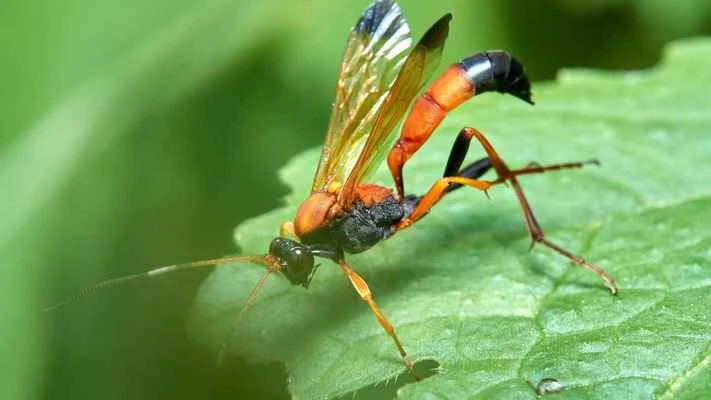
Taking normal reproductive behavior as an example, after a male parasitic wasp mates with a female wasp, the female wasp will seek out a host insect, such as a moth larva, and use her tail stinger to implant the fertilized egg into her body. However, some parasitic wasps exhibit a "chimerism" phenomenon during development, meaning that their heads have male characteristics while their bodies retain female morphology.
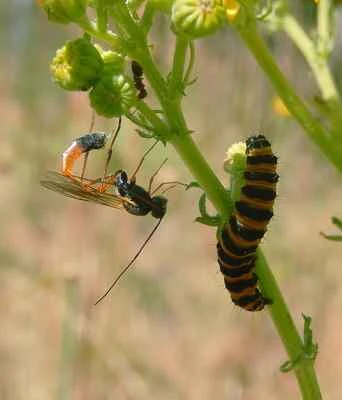
A parasitic wasp (left) attempts to lay its eggs on a caterpillar (right); some hosts will resist the parasitic wasp, and sometimes the wasp will be killed in the process of resisting.
These hybrids exhibit rather chaotic behavior: they may mistake other female bees for mating partners and attempt to sting them, or even try to "mating" moth larvae instead of laying eggs. They may also circle around female bees, displaying affection but never actually mating; or they may abruptly stop mating midway through, as if suddenly remembering something more important.
7. Snails (can reproduce parthenogenetically)
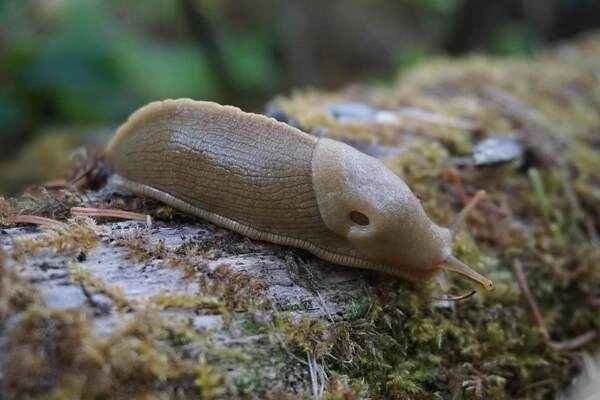
Some snails are hermaphroditic. Generally speaking, gill snails are dioecious, while lung snails are hermaphroditic; at the same time, their breathing methods are also different: probranchs breathe through gills, while lung snails exchange gases through their lungs.
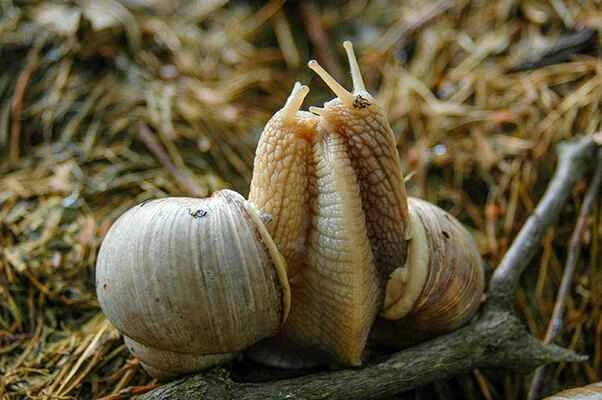
Most known snails belong to the lung-bearing class, so there are relatively few species of probranchial snails. Hermaphroditic snails usually possess two complete reproductive systems, capable of both laying eggs and producing sperm, but under normal circumstances, they primarily engage in cross-fertilization. However, under certain special environmental conditions, some snails also possess the ability to self-fertilize, thus achieving the physiological mechanism of independent reproduction.
8. Turritopsis dohrnii (reproduces asexually/"rejuvenates")
The term "genderless animals" refers to animals that do not have a clear distinction between sexes. These creatures are even rarer than animals capable of sex change. They do not rely on traditional male and female reproductive systems during reproduction. Strictly speaking, they do not possess female or male reproductive organs themselves, but reproduce through budding, division, and other methods.
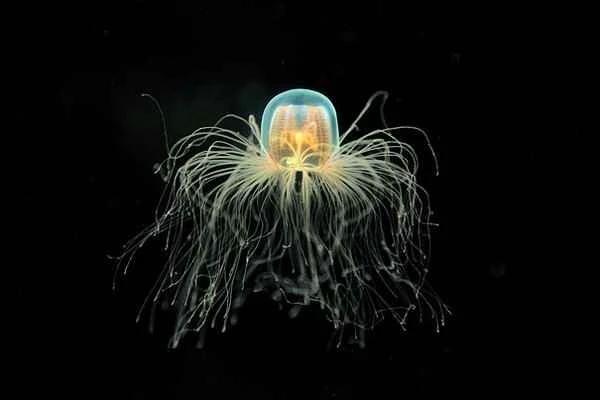
In nature, there truly exists such a peculiar creature—the Turritopsis dohrnii jellyfish. This jellyfish is not only genderless but also possesses an astonishing ability to "reverse age," earning it the title of a representative of "rejuvenation." While most animals gradually age after reproduction, the Turritopsis dohrnii can regress into an immature polyp larva after reproduction, restarting its life cycle and achieving a biological "cyclical growth."
9. Blue-spotted grouper (rapid sex change/reversal of sex)
Groupers are also hermaphroditic fish capable of sex reversal. Similar to wrasses, they undergo sex changes during their growth. When they first reach sexual maturity, groupers usually appear as females, but as they age, they may transform into males the following year or under specific conditions.
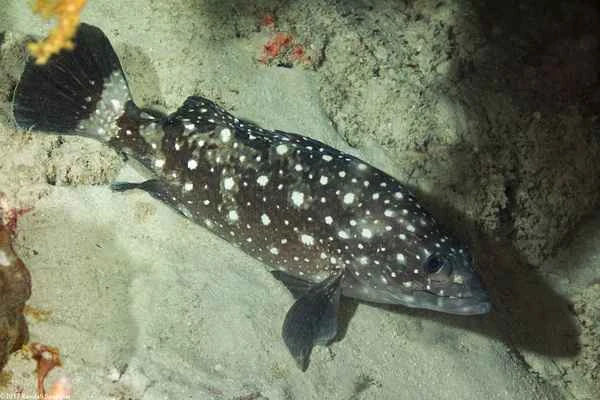
The blue-striped grouper, which lives off the coast of Florida and Brazil, is a master of sex reversal. This fish can change sex multiple times a day, especially in the evening, when males and females may switch roles several times.
During reproduction, in paired blue-striped groupers, one fish will act as the female to lay eggs, while the other will act as the male to fertilize them. After mating, they may even reverse sex roles and continue to reproduce. This phenomenon is called "sex reversal," and it is also a typical example of hermaphroditism and cross-fertilization.
10. Double-banded goldfish (body size determines sex)
The double-banded goldfish, also known as the bluehead fish, is one of the most interesting examples of sex-swappable animals. Their sex is closely related to their size: males are brightly colored and dazzling, while females are relatively muted. Interestingly, however, these plain-looking females prefer the largest and most brightly colored males as mates.
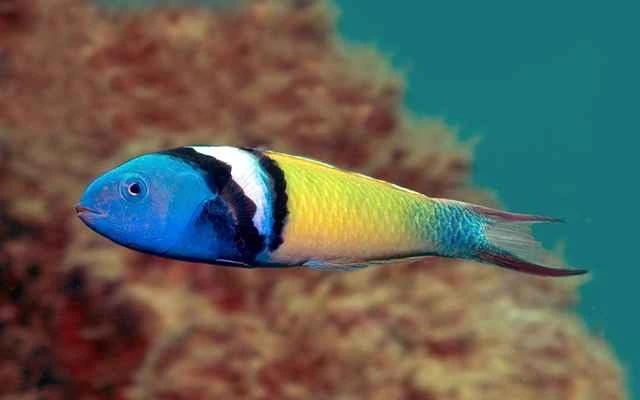
Therefore, during the breeding season, the largest males often have the greatest mating advantage. Young double-banded goldfish initially appear female and begin spawning after reaching sexual maturity. However, when a female grows large enough, she undergoes sex reversal, transforming from female to male and taking on the reproductive role of the male.
Even more amazingly, if the largest male fish in the original habitat suddenly disappears, the female fish with the closest body size will usually complete the sex change within a few days. Not only will its behavior change, but its appearance will also gradually show male characteristics, becoming the new dominant species and replacing the original male fish.
Conclusion:
These are the top ten hermaphroditic or sex-flexible animals in nature. These creatures have diverse sex mechanisms; some reproduce through sex change, some possess both male and female organs, and some can even reproduce without a specific sex, showcasing the wonder and diversity of life. This article references relevant materials and online rankings and is intended for entertainment purposes only. Any additions or differing opinions are welcome for discussion and correction in the comments section!