When it comes to seafood, you've probably heard the terms "crayfish" and "red swamp crayfish," sometimes even appearing in the same sentence! Although these two terms seem interchangeable, their meanings actually vary by region, primarily due to language and geographical differences. This article will give you a comprehensive understanding of the similarities and differences between crayfish and red swamp crayfish!
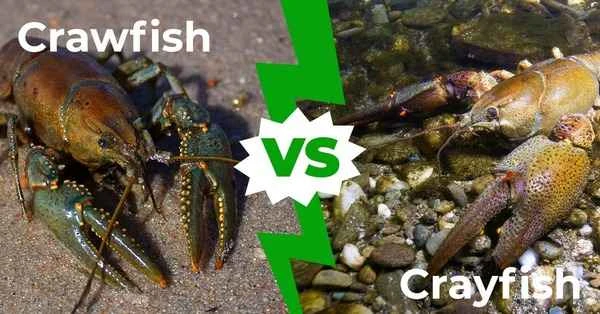
What are crayfish and red swamp crayfish?
Both crayfish and red swamp crayfish are crustaceans that live in freshwater environments. They resemble miniature lobsters in appearance, with hard shells and large claws, and taste similar to lobster or shrimp. They live in rivers, streams, and lakes, preferring slow-moving freshwater environments. Therefore, regardless of whether they are called "crayfish" or "red swamp crayfish," scientifically they are the same species, belonging to the same genus—Procambarus—and family (Cambaridae).
Crayfish vs. Procambarus clarkii: Is there really a difference?
Simply put: there is almost no difference in biology—the main differences lie in the region and language.
The red swamp crayfish is a common name used in northern and western North America and other English-speaking countries such as the United Kingdom and Australia, and is widely used in academic and scientific literature.
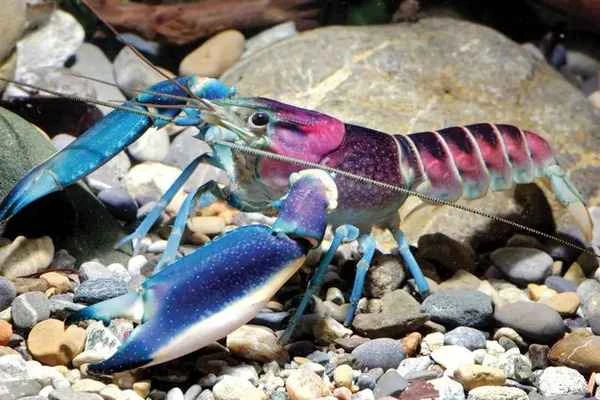
Crawfish is the common name for crawfish in the southern United States, particularly Louisiana, where it holds an important place in culture and cuisine. In Cajun and Creole cuisine, crawfish is an indispensable ingredient, and there are even dedicated crawfish festivals.
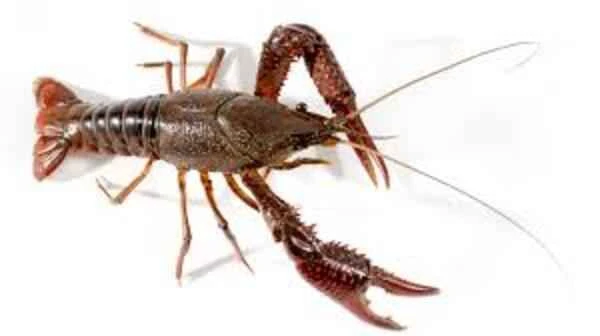
There is also the name **"crawdad**, which is occasionally used in the American Midwest. Although relatively rare, the word is still used in some parts of the United States.
Therefore, the names "crayfish," "Procambarus clarkii," or "crawdad" mainly depend on geographical location and traditional customs.
Physical and biological similarities
Because crayfish and red swamp crayfish are the same species, their appearance and biological characteristics are basically the same:
Size: Generally 3-6 inches long, some varieties may be larger.
Color: The color varies, but it is usually brownish-green or red in the wild; it turns bright red when cooked.
Lifespan: In the wild, they can typically live for 3-8 years, depending on the species and environment.
Diet: Omnivorous, including plants, insects and small fish.
Habitat: Prefers slow-flowing freshwater environments such as rivers, streams, and ponds.
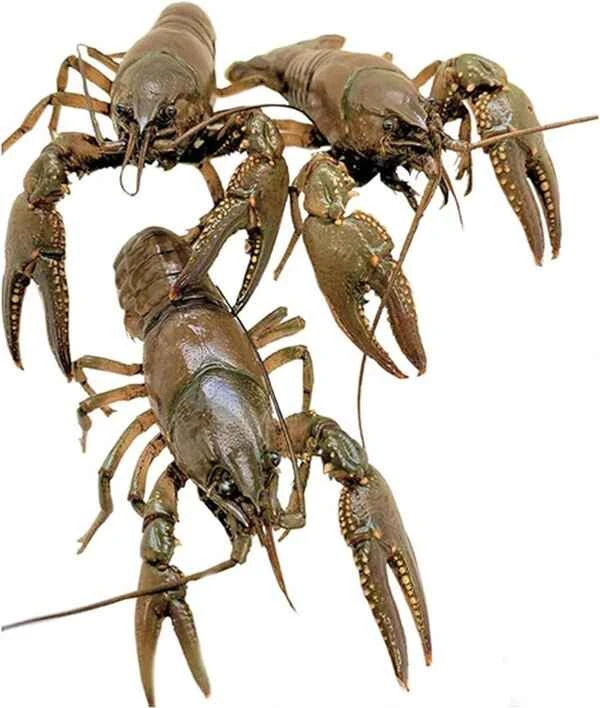
Cooking uses
Both crawfish and red swamp crawfish are widely used in cooking around the world. However, they are particularly important in the culture and cuisine of the American South, especially in Calkin and Creole cuisine in Louisiana. Classic preparations include crawfish chowder, crawfish stew, and crawfish soup. The most commonly eaten part is the tail meat, while the shell can be used to make broth or sauces.
In other regions, such as France and Sweden, crayfish (or red swamp crayfish) are also popular. In Sweden, an annual crayfish festival called Kräftskiva is held to celebrate people enjoying this delicacy.
Nutritional components
Crayfish is a lean, low-calorie source of protein. 3.5 ounces (100 grams) of cooked crayfish contains:
Calories: 70
Protein: 14 grams
Fat: 0.9 grams
Carbohydrates: 0 grams
Crayfish are also rich in nutrients such as vitamin B12, zinc, and iron, making them a healthy choice for many dishes.
Fun facts about crayfish and red swamp crayfish
Diverse species: There are more than 500 species of crayfish in the world, most of which are distributed in North America.
Burrowing habits: Some crayfish species will burrow in the mud and sand, and can even survive in semi-dry environments.
Molting: Crayfish molt in order to grow, a process that may occur multiple times throughout their lives.
Long history: Archaeological evidence shows that Native Americans in North America began catching crawfish thousands of years ago.
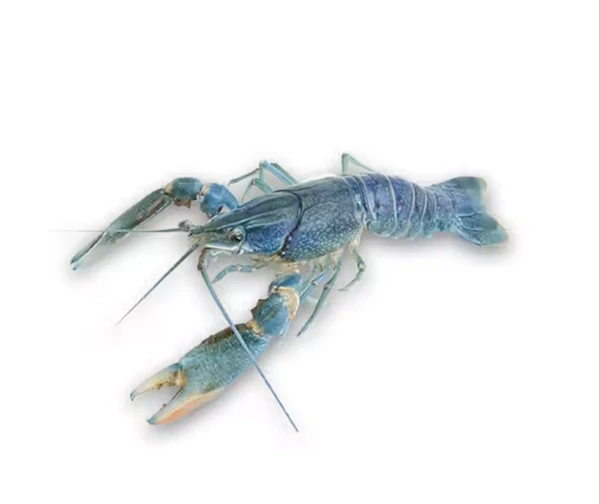
Crayfish vs. Procambarus clarkii (red swamp crayfish) comparison
Below is a comparison table of crayfish and red swamp crayfish, which helps to quickly understand their similarities and differences:
| Features | Crayfish (Procambarus clarkii) | Crawfish |
|---|---|---|
| Origin of the name | Commonly used names in northern/western North America and internationally | Common names in the southern United States, especially Louisiana |
| Biological differences | No—they belong to the same species. | No—they belong to the same species. |
| Habitat | Freshwater (rivers, lakes, streams) | Freshwater (rivers, lakes, streams) |
| Culinary uses | Consumed in many parts of the world (such as France and Sweden). | An important ingredient in the cuisine of the American South, including Kekin and Creole. |
| body shape | Average 3-6 inches | Average 3-6 inches |
| feeding habits | Omnivorous (plants, small fish, insects) | Omnivorous (plants, small fish, insects) |
| Other names | Crawfish (Southern region), crawdad (Midwest) | Procambarus clarkii (scientific or academic name) |
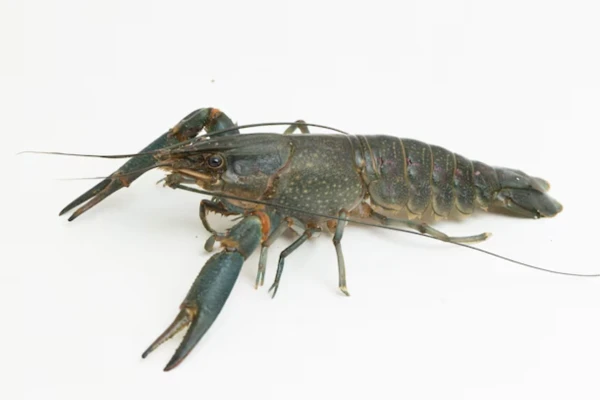
The difference between crayfish and red swamp crayfish may seem confusing at first glance, but understanding the regional differences makes it clear! Although these names are often used interchangeably, they are each unique in their cultural and culinary contexts.
So next time you see crawfish cooked in Louisiana, don't hesitate to give it a try. If you're in the Midwest or West Coast, you can also enjoy "Procambarus clarkii" without worry—after all, they're just as delicious no matter what you call them!