Among the distinctive-looking felines, the caracal and savannah cat are always among the most striking choices. Both possess striking appearances, but they differ significantly in origin, behavior, care requirements, and legal obligations. This article provides a comprehensive comparison of these two felines, complete with detailed tables for easy understanding.
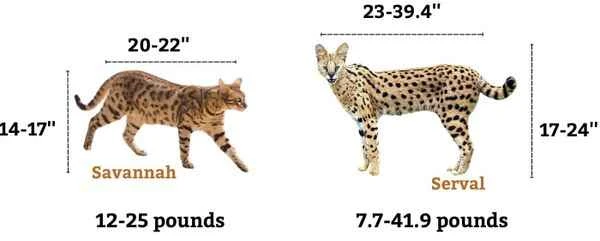
What is a caracal ( Savannah cat ) ?
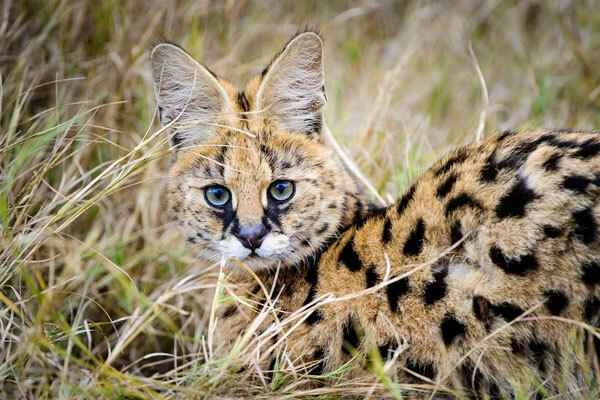
The caracal (Leptailurus serval) is a wild cat species native to Africa, known for its tall, slender body, long limbs, and large, round ears. In the wild, the caracal is a highly efficient hunter, boasting a 50% success rate, thanks to its keen hearing and exceptional jumping ability. Caracals weigh between 20 and 40 pounds and stand approximately 21 to 24 inches tall. Undomesticated, caracals typically require specialized habitats and are therefore usually found in animal sanctuaries or specialized wildlife habitats, making them unsuitable for domestication.
What is a leopard cat (serval cat)?
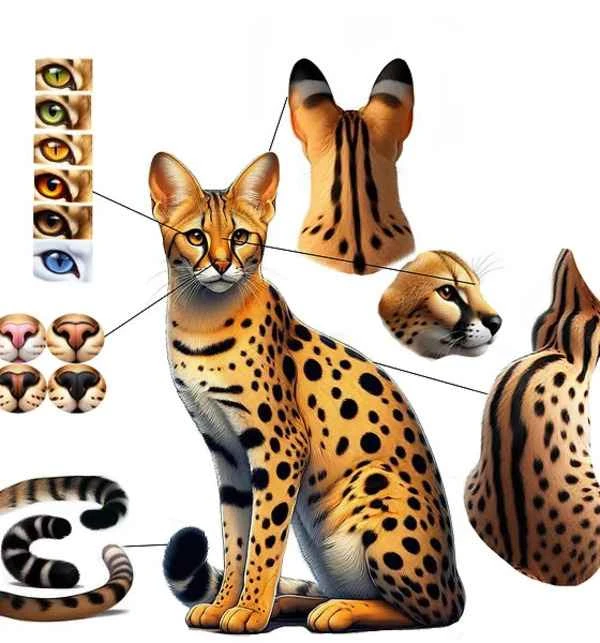
The Bengal cat is a breed of cat developed through crossbreeding the caracal with domestic cats (usually Siamese or Bengal). Originating in the 1980s, the Bengal inherits the caracal's wild characteristics, such as its tall, slender build and distinctive coat markings. However, due to the incorporation of domestic cat genes, they are more suited to domestic life than the caracal. Bengal cats are classified by "generation," with the F1 generation (first generation) most closely resembling the caracal in appearance and behavior, while subsequent generations (such as F2, F3, etc.) gradually lose their wild traits. Bengal cats weigh between 8 and 20 pounds and are generally more social and better adapted to family environments than the caracal.
The main differences between caracals and leopard cats
Below is a detailed comparison of caracals and leopard cats to help you understand their unique characteristics.
| Features | Caracal | Leopard cat |
|---|---|---|
| origin | Native to Africa; wild cat | Hybrid breed (caracal x domestic cat) |
| body shape | 20-40 pounds, 21-24 inches tall | 8-20 pounds, body size varies with generation |
| Behavior | Independent, wild, and territorial | Social interaction, family ties, and better adaptation to domestication |
| Exercise needs | High, requires a large space | Medium, suitable for indoor and outdoor activities |
| diet | Carnivorous; primarily consumes raw meat | High-protein diet; high-quality cat food is recommended. |
| life | 10-20 years in captivity | 12-20 years, depending on health condition |
| Legal | Pets are usually restricted or prohibited. | Legal in most places, but sometimes restricted for F1-F3 generations. |
| Housing needs | Special fencing and environment are required. | Highly adaptable to family life, with appropriate outdoor activities |
| cost | The cost of obtaining and raising the animals is approximately $3,000-$10,000. | Depending on the algebra, the price ranges from $1,000 to $20,000. |
Behavior and temperament
Caracals: Caracals are independent and territorial. They are often timid and may exhibit aggression if not raised in an environment that meets their wild instincts. Caracals are generally not affectionate towards humans and prefer to roam freely. Their strong hunting instincts and independence make domesticating a caracal challenging.
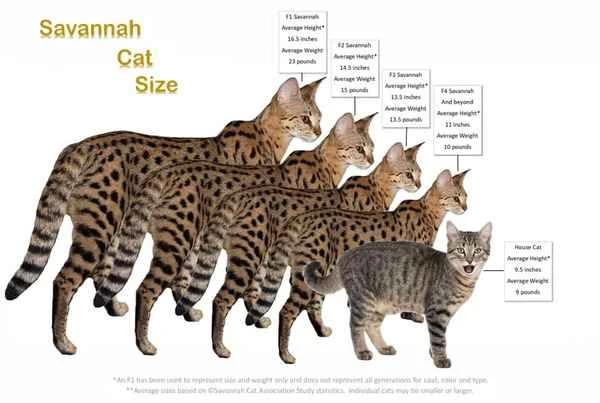
Bengal cats, especially later generations (such as F4 and later), are more social and affectionate. They typically develop strong emotional bonds with their owners and are known for their curiosity and playfulness. They are very intelligent, enjoy interactive games, and can learn some tricks, making them more suitable as family pets than caracals.
Nursing needs
Caracals require a specific environment to satisfy their wild instincts. They need spacious enclosures and space to climb trees and explore. Their diet consists mainly of raw meat, and they need a variety of activities to stay active.
Bengal cats are more suitable for the average pet owner in terms of care. Although they are active and need a lot of play and exercise, their needs are similar to those of high-energy domestic cats. Their diet requires high protein, consisting of high-quality cat food supplemented with occasional raw meat.
Legal considerations
The legality of keeping caracals and leopard cats differs significantly:
Caracals: Due to their wild status and potential risks, many areas restrict or prohibit keeping caracals as pets. They are usually only permitted in specialized facilities and require a license.
Leopard cats: They are legal to keep in most areas, but F1-F3 generation leopard cats may still be restricted in some places due to their higher wild lineage. Later generations of leopard cats (such as F4 and later) are generally legal to keep in most areas.
Cost comparison
Caracals: The cost of acquiring and keeping a caracal ranges from $3,000 to $10,000, including licenses, enclosures, food, and medical care.
Bengal cats: Depending on the generation, the price of a leopard cat ranges from $1,000 to $20,000. F1 generation leopard cats are the most expensive because their bloodline is closer to that of the caracal, while later generations are more affordable.
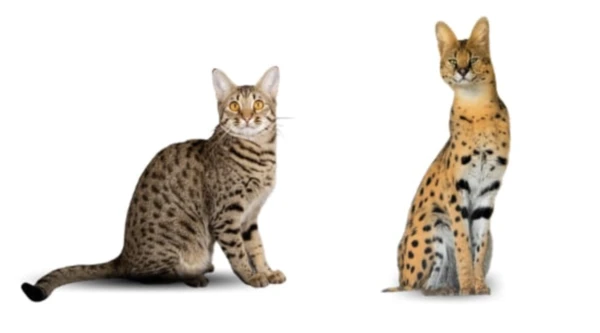
When choosing between a caracal and a leopard cat, it's important to consider their significant differences in behavior, care, and legal requirements. Caracals are entirely wild animals requiring specific environments and care, making them unsuitable as pets for most people. Leopard cats, on the other hand, strike a balance between wild appearance and domestic qualities, with later generations being particularly well-suited for family settings.
Whether you are drawn to the caracal's wildness or captivated by the leopard cat's unique hybrid charm, you should do your research before keeping these amazing felines to ensure that you can meet all their needs.