"High-value animals" generally refers to animals that are exceptionally beautiful or adorable. These animals typically possess striking features such as magnificent plumage, brightly colored fur, large eyes, long legs, and so on, their appearance inspiring awe and affection. People tend to form closer bonds with these animals because they easily capture attention and evoke emotional resonance. There are many beautiful animals; below are some that I consider the most beautiful. Of course, this is just my personal opinion, and everyone's definition of beauty may differ. This list is for reference only. Feel free to leave a comment and share what you think is the most beautiful animal.
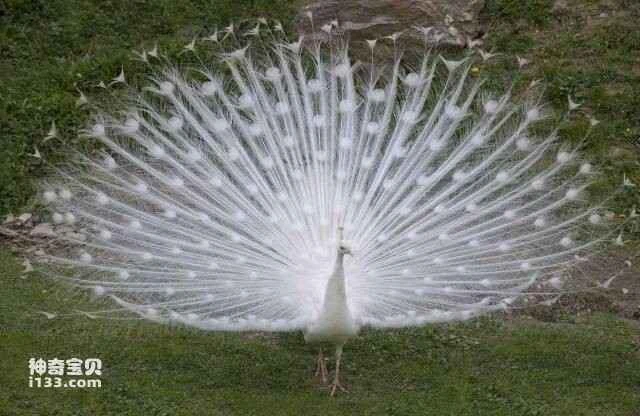
1. White Peacock
The white peacock is a unique variant within the peacock family, possessing pure white plumage. While not significantly different from the common peacock in basic biological characteristics, its stunning appearance is breathtaking. In addition to its white feathers, the white peacock boasts vibrant eye patches and a striking crest. These features are typically blue, green, or gold, making them highly visible. The white peacock is also smaller than the common peacock, yet still possesses a graceful physique and agile movement. Native to India and Sri Lanka, the white peacock has been introduced to other regions as an ornamental bird. In some cultures, the white peacock is considered a mascot or a symbol of purity and nobility. Although its numbers are limited, its beauty and rarity have garnered it much love and attention.
2. Orchid Mantis
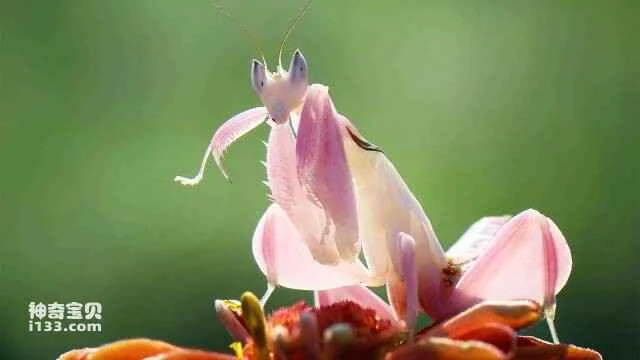
The orchid mantis is a very beautiful insect, named for its body coloration resembling that of an orchid. Belonging to the Mantis family, it is a well-known insectivorous species. Orchid mantises typically inhabit tropical and subtropical habitats such as forests, grasslands, and farmlands. Their bodies are pale green or pale brown and have a flattened shape, allowing them to blend well into leaves or petals. They also possess very sharp forelimbs, enabling them to quickly seize and consume flying insects. The orchid mantis is a vital ecological regulator, playing a significant role in nature. Furthermore, the orchid mantis is a popular ornamental insect, prized for its beautiful appearance and graceful movements, making it a sought-after collectible for many insect enthusiasts.
3. Purple-breasted Buddha, Dharma, and Sangha
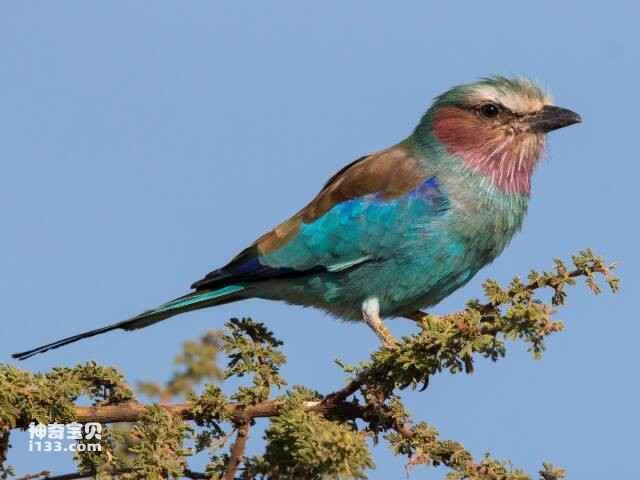
The Purple-breasted Roller is a bird native to Africa, belonging to the family Rotiferae. They are highly prized for their vibrant plumage. The main colors of the Purple-breasted Roller's plumage are blue, purple, and pink, displaying a distinct gradient from head to tail. They are medium-sized, about 30 centimeters long, with a curved beak that curves slightly downwards at the tip. They are also very graceful in flight, showcasing their magnificent plumage and movements. Purple-breasted Rollers inhabit a wide range of habitats, including grasslands, scrublands, riverbanks, and forests. They primarily feed on insects, especially beetles and locusts. However, they also prey on small reptiles and small mammals. Due to their beauty and unique appearance, the Purple-breasted Roller is a popular birdwatcher and a favorite subject for African wildlife photography.
4. Swan

Swans are large waterfowl belonging to the Cygnus family and are among the most beautiful birds in the world. They are large, elegant, and have snow-white plumage, often symbolizing purity and nobility. Swans are divided into several subspecies, including the Black Swan, Bewick's Swan, and Mute Swan. The most famous is probably the Whooper Swan (Cygnus olor), with its long, curved neck, graceful figure, and magnificent white plumage. Swans prefer to live in lakes, rivers, and coastal waters, feeding mainly on aquatic plants and small aquatic animals. During the breeding season, they display romantic dances and various calls to express affection and assert territoriality. Due to their beautiful appearance and cultural symbolism, swans have become the national or provincial bird of many places. Furthermore, swans are also very popular ornamental birds, with a wide following among collectors.
5. Frogfish
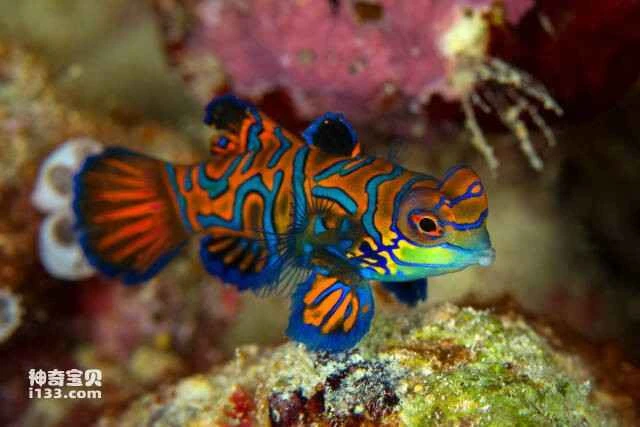
Rainbow wrasse, also known as rainbow wrasse, is a beautiful tropical marine ornamental fish. Belonging to a subgenus of the wrasse family, they are primarily found in the coral reef waters of the Indian and Pacific Oceans. Rainbow wrasse have orange or yellow bodies with numerous blue or purple spots and stripes, especially on their fins. Adults reach about 5-8 cm in length, with a rounded and adorable shape, making them ideal for small aquariums. They prefer to live near coral reefs and rocks, feeding on small benthic organisms such as worms, crustaceans, and mollusks. During the breeding season, rainbow wrasse display a beautiful courtship dance to attract mates and establish pair bonds. They are among the most docile ornamental fish and can be kept with other small fish without conflict. Due to their striking appearance and gentle nature, rainbow wrasse have become a popular species in the ornamental fish market. However, they require specific marine environments and care conditions, making them relatively difficult to keep and best suited for experienced aquarium enthusiasts.
6. Flamingos

Flamingos are exceptionally beautiful birds, belonging to the family Flamingidae within the order Ciconiiformes. Their bodies are predominantly red and pink, with soft and ornate plumage. Flamingos prefer aquatic environments such as lakes, marshes, and shallow waters, primarily feeding on small invertebrates like crustaceans, mollusks, and insects. Their long, curved beaks are used to search for food in the mud. Flamingos are very brightly colored, generally pale red or pink, with some yellow and black spots on their feathers. Male flamingos are the same color as females, but males are slightly larger. Flamingos are among the most beloved ornamental birds, renowned for their beauty and elegant bearing. Furthermore, flamingos play an important role in culture and art, representing purity, elegance, and beauty.
7. Wanjiu
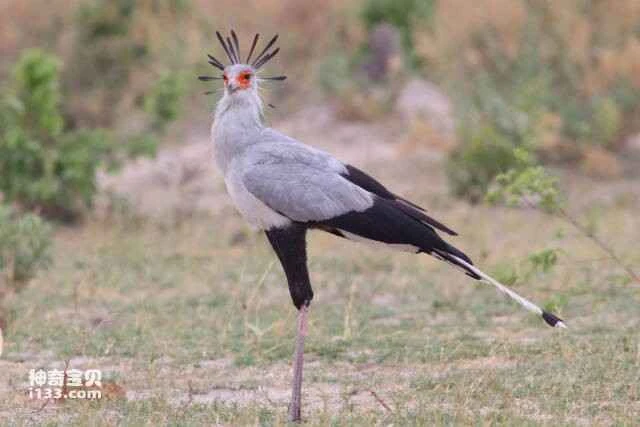
The Secretary Eagle, also known as the Shooter Eagle or Archer Eagle, is a bird endemic to the African continent, belonging to the Archer Eagle family. They inhabit vast grasslands, sparse forests, and savannas. The Secretary Eagle has a distinctive body shape, measuring approximately 1.2-1.4 meters in length, with a wingspan of 2.3-2.6 meters. They have relatively small heads, long necks, backs covered in black and white feathers, and very long legs with sharp talons adapted for walking and running. Secretary Eagles primarily feed on reptiles, mammals, and insects, such as snakes, mice, and locusts. They use their powerful talons to seize their prey, then smash it to death and tear it apart.
Secretary birds are highly perceptive observers, able to spot prey and threats from a great distance at high altitudes. They are also renowned for their distinctive dance performances, often used for courtship or intimidation. Secretary birds are vital ecological regulators, controlling many pests and reptiles. Due to the impact of human activities, their populations are threatened in some areas, necessitating protection and research.
8. Christmas tree worm
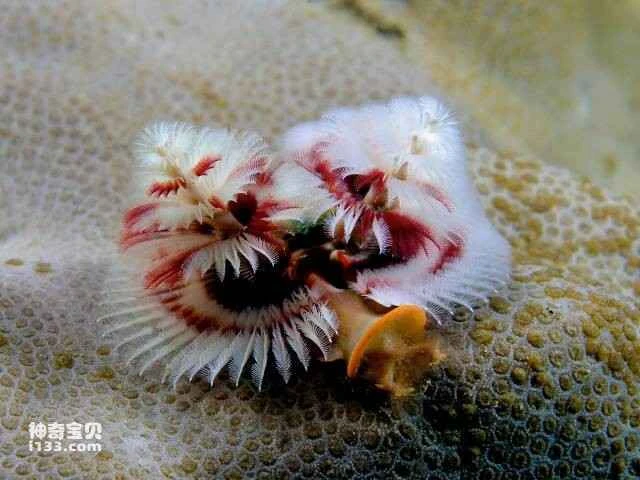
Christmas tree worms are beautiful marine creatures belonging to the polychaete phylum. They live in the coral reef waters of tropical and subtropical regions and are one of the most common organisms in coral reefs. The Christmas tree worm has a spiral-shaped body and is usually attached to coral or other hard objects. Their antennae resemble Christmas twigs, hence the name "Christmas tree worm." Christmas tree worms come in many different colors and patterns, such as red, purple, and yellow, making them very attractive. They primarily feed on plankton filtered from seawater, such as small organic particles and zooplankton eggs. They have a close relationship with corals, helping to remove waste and harmful substances from coral reefs, thus playing a vital role in the health of the coral reef ecosystem. Christmas tree worms are popular marine creatures and are often kept in aquariums. However, it is important to note that in the wild, we should try to avoid disturbing their coral reef environment.
9. Bird of Paradise

Birds of paradise are a family of birds found in New Guinea and Australia, also known as the bird-of-paradise family. This family includes many beautiful and ornate birds, such as cockatoos and birds of paradise. Birds of paradise are characterized by the males' exceptionally ornate plumage, with exaggerated shapes and colors, while the females are more conventional. Their plumage often displays vibrant colors and unique shapes, such as long tail feathers, thin, flat feathers, and hairpin-like feathers. These magnificent plumages are primarily used for courtship and attracting mates. Birds of paradise mainly feed on fruits, insects, spiders, and other small animals, typically foraging in trees, bushes, or grasslands. Furthermore, they are an important component of dense forest ecosystems, helping to maintain ecological balance by consuming fruits and insects. Due to their striking appearance, birds of paradise are often kept as prized pets. However, it is important to note that they live in specific natural environments, and certain professional knowledge and experience are required to keep them in captivity.
10. Purple sea nettle jellyfish
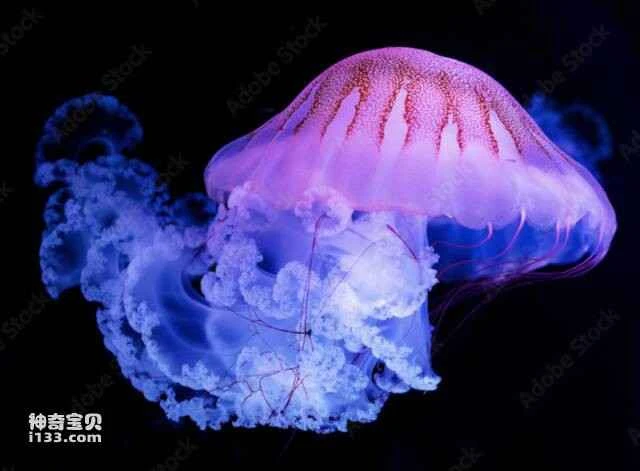
The purple sea nettle jellyfish is a beautiful but dangerous jellyfish belonging to the phylum Cnidaria. They typically inhabit tropical and subtropical oceans, including the Atlantic, Pacific, and Indian Oceans. The purple sea nettle jellyfish has a disc-shaped body, approximately 5-30 centimeters in diameter. Its bell has purple stripes, making it appear like a fairy descended from heaven, its colorful ribbons swaying in the sea, always attracting attention. However, beneath its beautiful exterior lies a deadly nature. Its soft body is covered with many long, thin tentacles, each covered with millions of tiny stinging cells. A sting to a human can cause severe pain and an allergic skin reaction. The purple sea nettle jellyfish primarily feeds on plankton, such as phytoplankton, zooplankton, small mollusks, and other jellyfish. They are also natural predators of many marine organisms, such as small fish and invertebrates.