In the fiercely competitive arena of nature, every animal has its own way of survival. Some rely on the strength of the group, some utilize unique physical structures, and others display heroic prowess in times of crisis through unique attack and defense mechanisms. Today, we will take a closer look at several amazing "heroic fighters" and experience their wisdom and resilience.
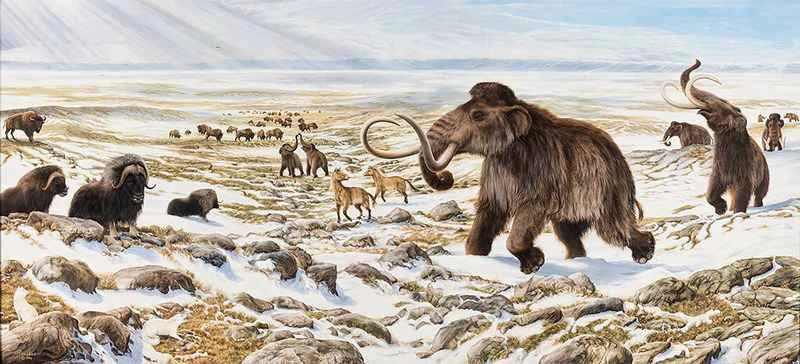
Musk Ox: Ancient Guardians of the Arctic
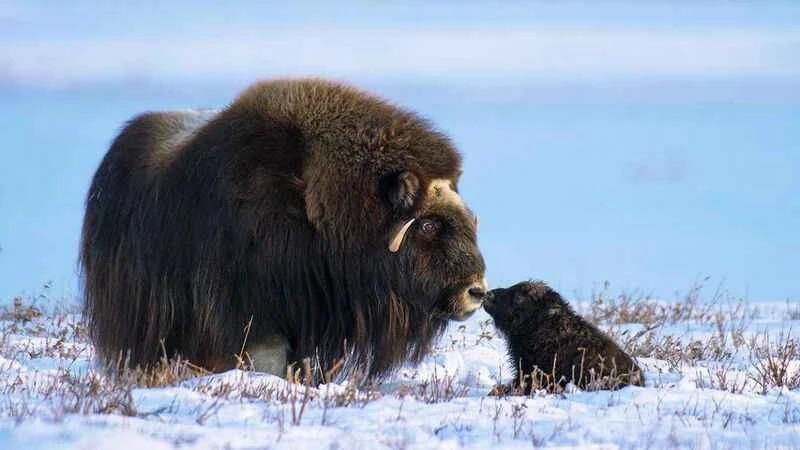
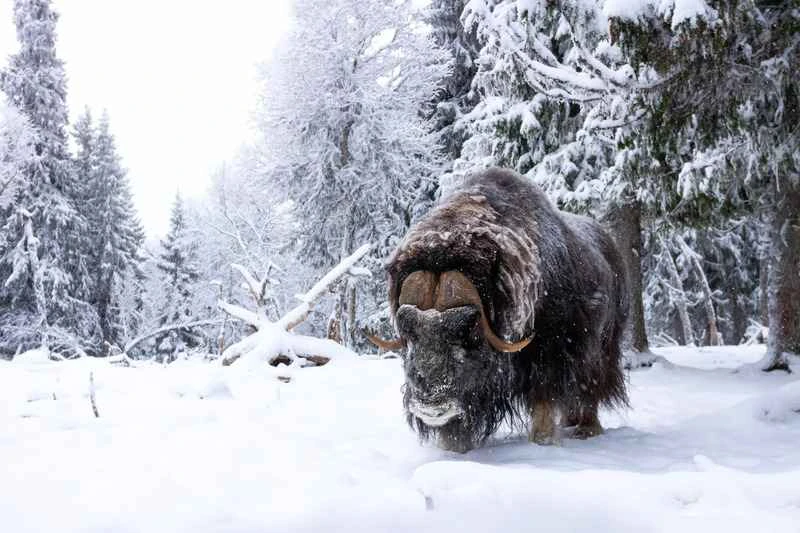
Musk oxen, living in the frigid Arctic, are unassuming yet dignified warriors. Their thick, long coats protect them from the extreme cold, making them indomitable guardians of the icy landscape. Their group defense strategy is a masterpiece of nature: when blizzards or predators strike, adult musk oxen form a circle, protecting their calves in the center while using their broad bodies to shield them from the biting winds.
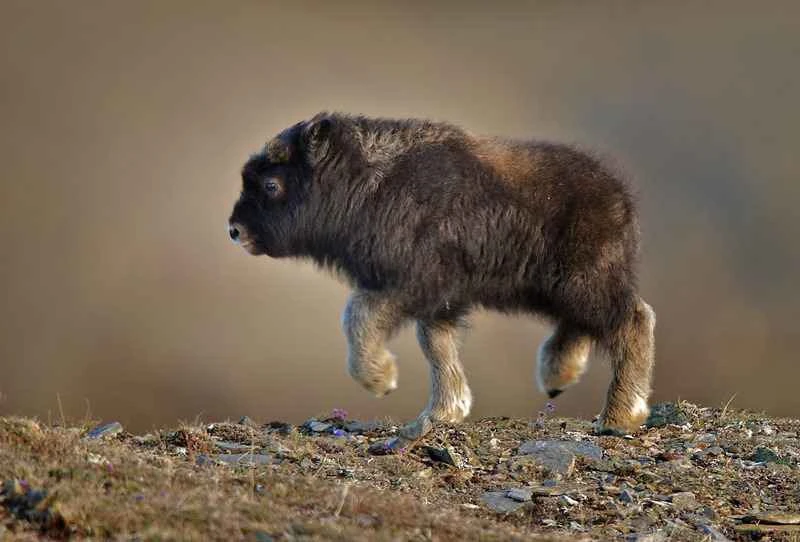
During estrus, male musk oxen secrete a musky scent from glands around their eyes to attract females; females can only reproduce every other year. Newborn musk oxen exhibit astonishing adaptability from birth, standing and walking within an hour. Musk oxen are energy-efficient, requiring only one-sixth the food of ordinary cattle; they can even eat, rest, and digest simultaneously, tenaciously surviving in harsh polar environments for hundreds of thousands of years.
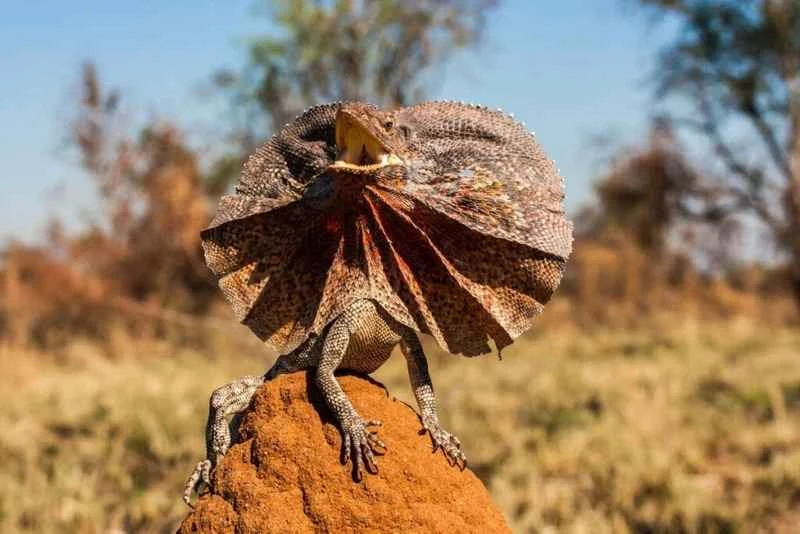
Frilled Lizard: Cloak spreads open, scaring away enemies.
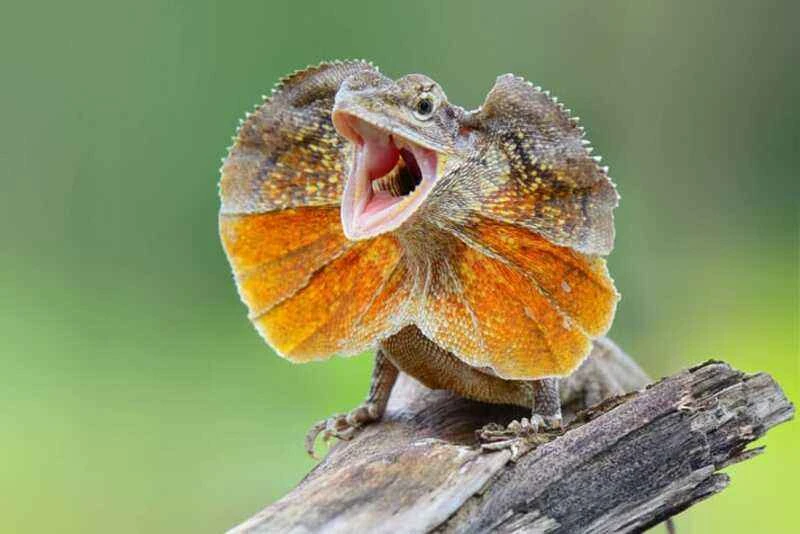
Frilled lizards, also known as "cloaked lizards," live in the arid grasslands and scrublands of northern Australia and southern New Guinea. Their most distinctive feature is the umbrella-shaped membrane around their neck. When threatened, frilled lizards quickly spread this shiny "cloak," misleading enemies into believing they are larger and more threatening than they actually are, effectively deterring their opponents.
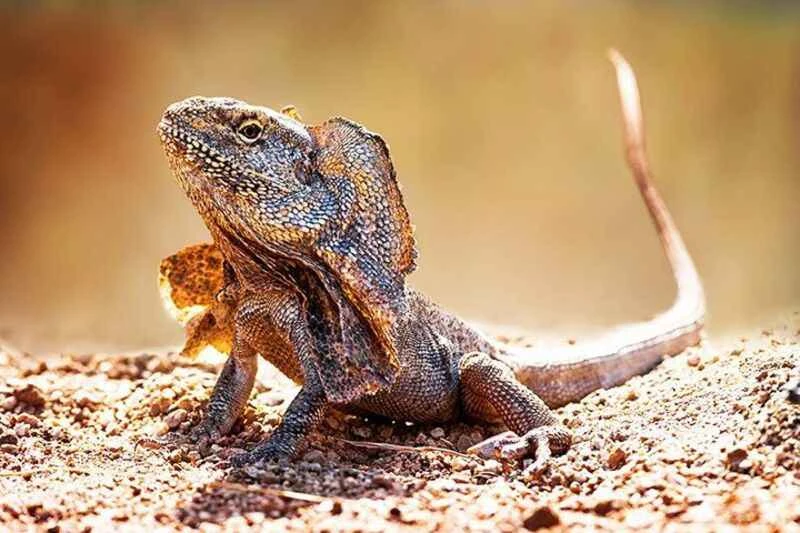
Frilled lizards are not only excellent defenders but also formidable predators. They feed on insects, small reptiles, and sometimes even lizards smaller than themselves. Their reproductive method is also unique: females can preserve their sperm for several years after a single mating and then lay fertilized eggs at the appropriate time. The frilled lizard's image is so iconic that it has even been featured on Australian coins, becoming a symbol of local biodiversity.
Brazilian three-banded armadillo: an armored warrior curled into a ball.
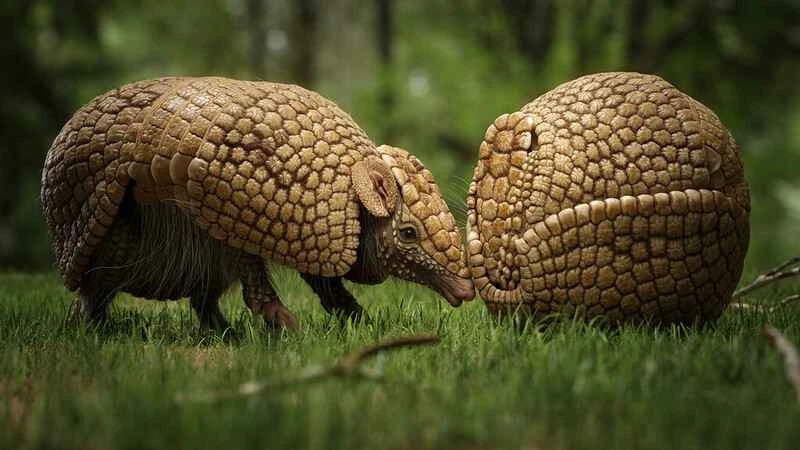
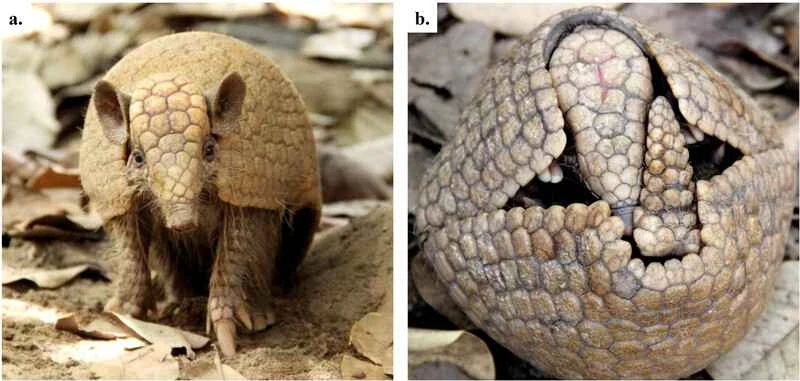
In Brazil, South America, the three-banded armadillo is a renowned defensive warrior. When faced with predators, it quickly curls into a hard ball, protecting its soft belly with bony scales. This simple yet extremely effective strategy makes it difficult for many predators to prey on it.
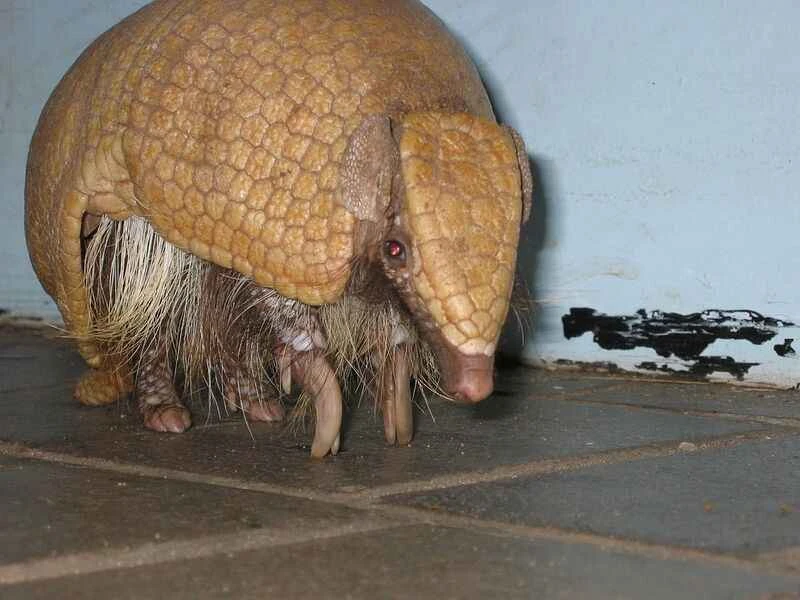
The tribanded armadillo's agility and adaptability are also impressive. They use their sharp claws to dig nests and move freely between the ground and underground. The tribanded armadillo is not only an important part of the ecosystem, but its unique appearance and behavior have also attracted the attention of countless researchers.
Skunk: The absolute deterrent of a weapon of stench
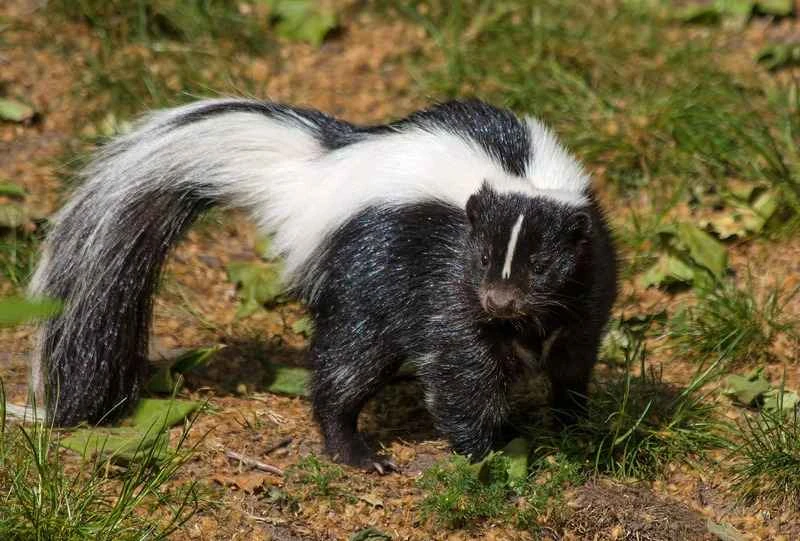
Skunks may be one of the world's most notorious animals, but they are natural "chemical warriors" thanks to the stench secreted from their glands. When threatened, a skunk will quickly turn around, stand on its hind legs, and spray a foul-smelling liquid. This secretion not only has a strong odor but can also temporarily blind its enemies, making it a true "trump card" in defense.
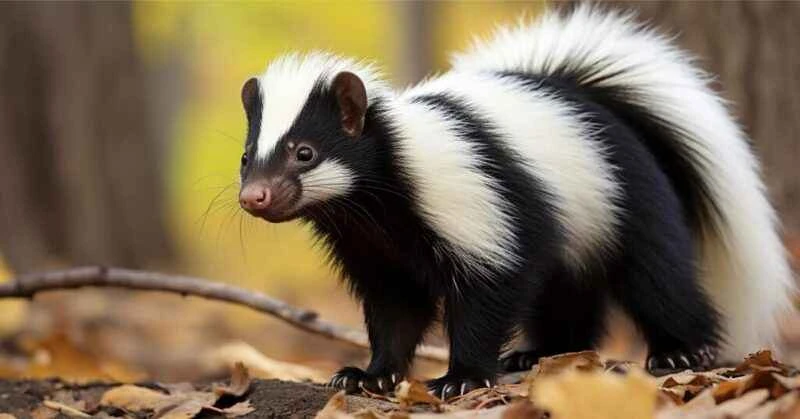
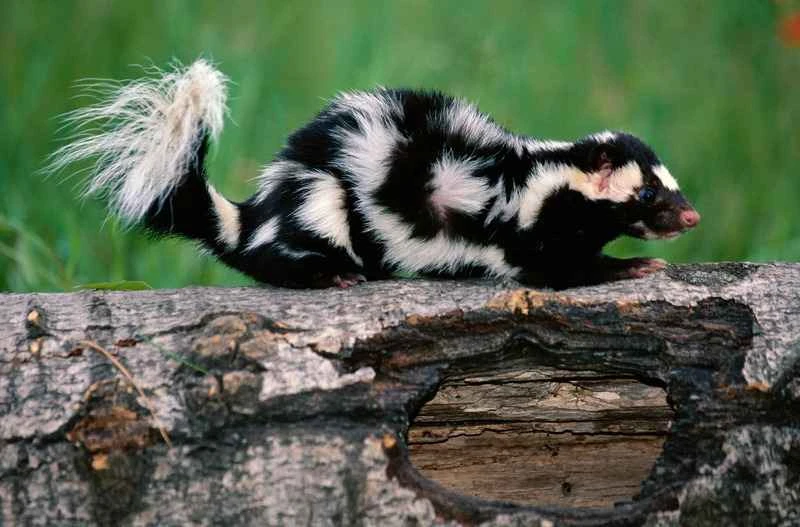
Skunks are generally mild-mannered and inhabit a variety of environments in North America, including forests, plains, and deserts. Their nocturnal lifestyle and omnivorous diet make them important for controlling rodent and insect populations. However, because skunks are also major carriers of rabies, research into their prevention and control is of paramount importance.
Giant Earth Pangolin: A Lone Warrior Covered in Scales
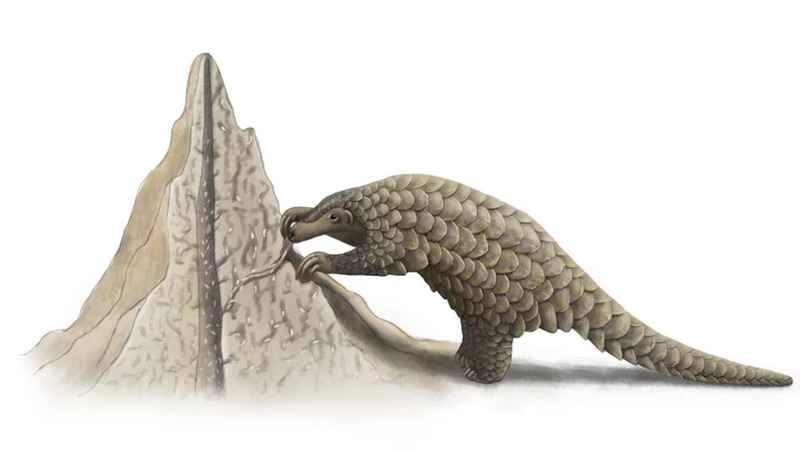
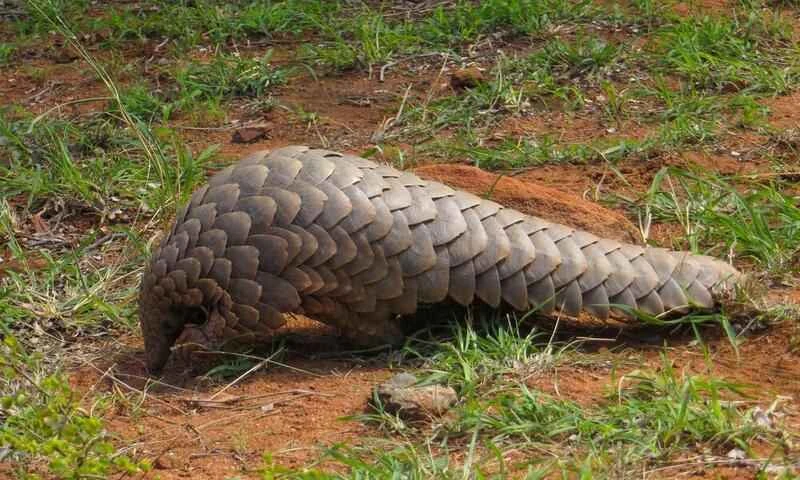
The giant ground pangolin is the largest member of the pangolin family, reaching up to 1.8 meters in length. Covered in thick scales, it curls into a ball like an armadillo when threatened, using its sharp scales to scare away predators. Not only are giant ground pangolins excellent defenders, but they are also natural enemies of ants, feeding on termite mounds and even attacking larvae and eggs.
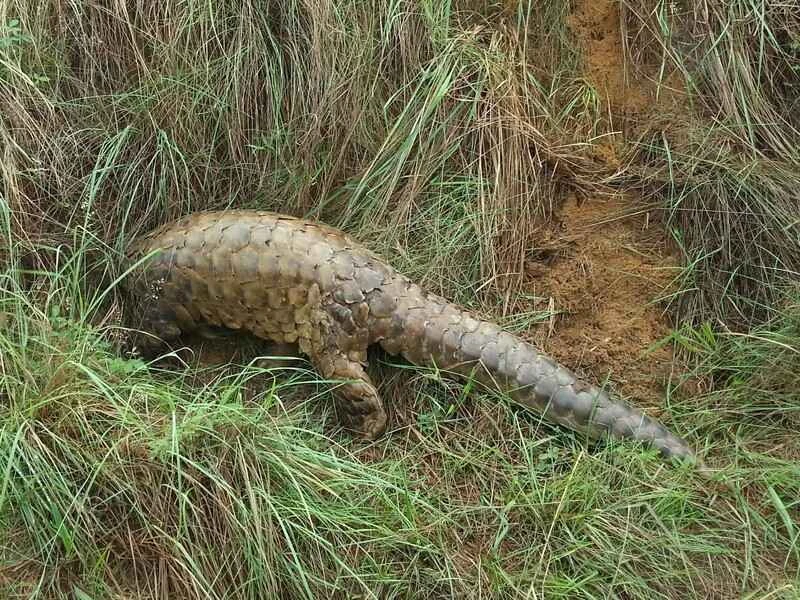
However, due to human interference, the giant pangolin's survival is precarious. Their scales are considered a "treasure" by illegal hunters, leading to a significant decline in their population. Today, pangolin conservation has become a crucial issue in global ecological protection.
Sea cucumber: A wise counterattack through resilience

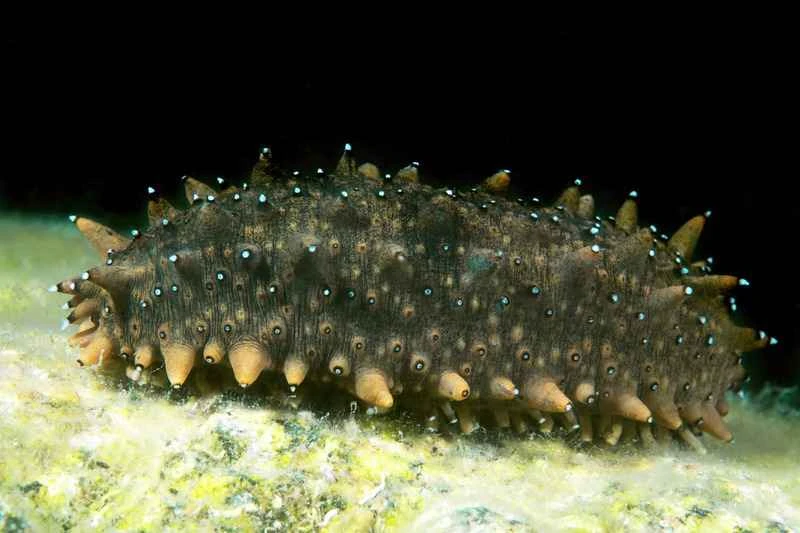
Sea cucumbers, these seemingly inconspicuous echinoderms, possess astonishing survival wisdom. When encountering predators, some sea cucumbers will eject their own internal organs as "bait" to divert the enemy's attention and escape. This "self-sacrifice" strategy fully demonstrates their unique role in the marine ecosystem.
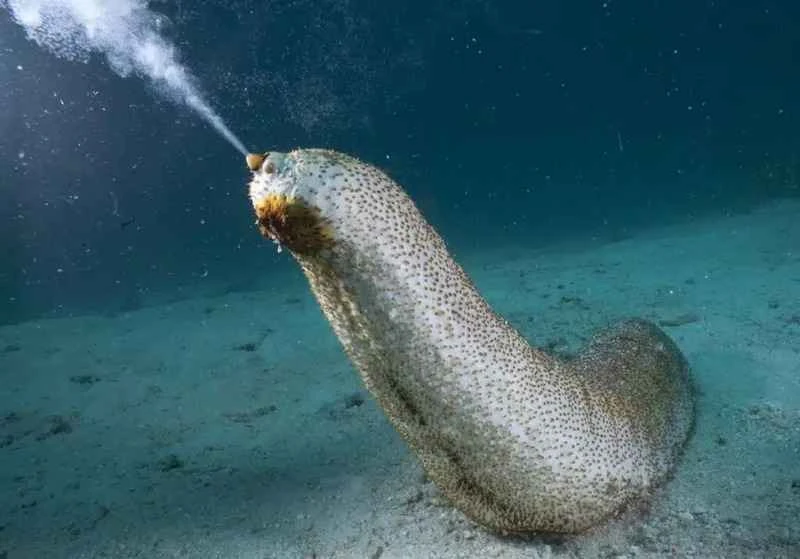
Sea cucumbers are diverse in species and widely distributed globally, forming an important part of the marine food chain. Their flexible body walls and abundant regenerative abilities make them unique in nature.
Yellow-margined Box Turtle: The Last Barrier to Life
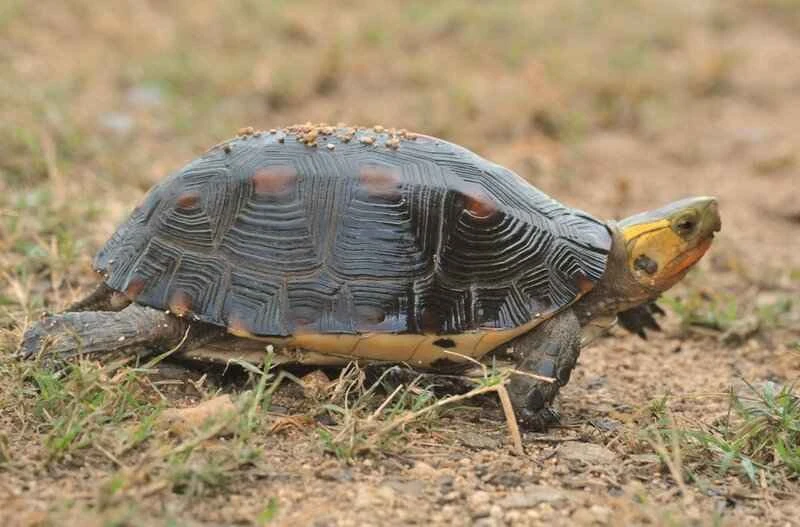
The Yellow-margined Box Turtle, known as the "shell-closing turtle," is a low-key yet powerful defensive expert. When threatened, it retracts its body into its shell, completely sealing itself off with its hard carapace. This unique defense mechanism allows it to repeatedly escape danger from predators.
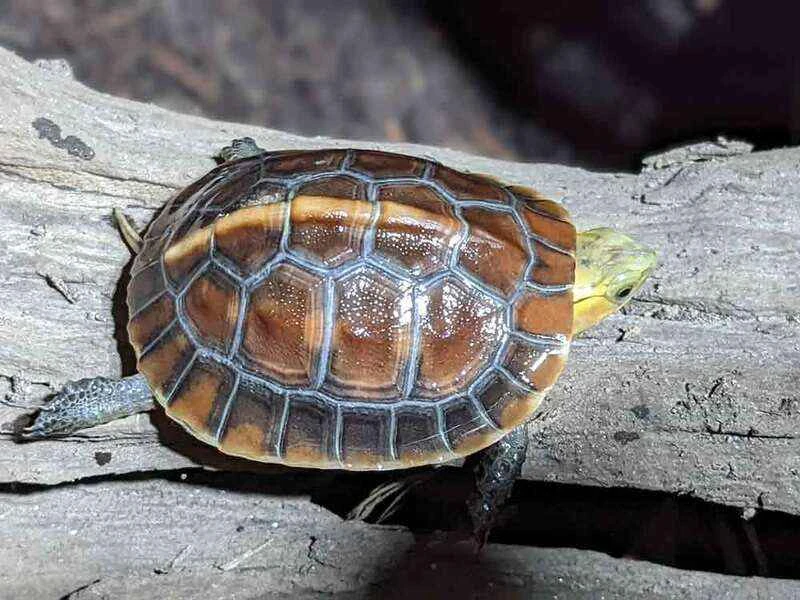
The yellow-margined box turtle is mainly distributed in the mountainous areas of southern China, but its population has declined sharply due to habitat destruction and illegal hunting. To protect this precious species, several nature reserves have been established.
Conclusion
These "heroic fighters," with their unique defense and attack strategies, have secured their place in nature. They not only demonstrate the diversity and wisdom of life but also remind us that every living thing on Earth has its indispensable value. Due to human interference, many species are facing an existential crisis. Protecting these "fighters" is not only a matter of respect for nature but also a commitment to the future.