Crickets are an ancient insect with a history of at least 140 million years. In both ancient and modern times, crickets have been used for fighting. Especially in ancient my country, cricket fighting was once extremely popular. But do you know which cricket breeds are the most valuable? In this article, I will introduce you to the world's ten most prized cricket breeds: the Chinese fighting cricket, the long-jawed fighting cricket, the red-breasted black cricket, the Japanese bell cricket, the spotted iron cricket, the double-spotted cricket, and the stone-headed coffin cricket. Let's take a look together.
1. Chinese Fighting Cricket (China's No. 1 Insect)
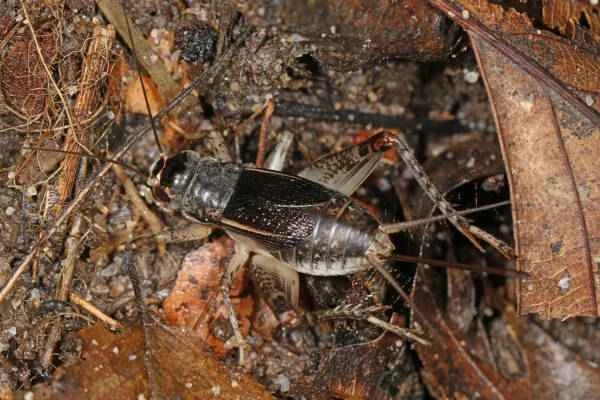
The Chinese fighting cricket, also known as the Mika fighting cricket, is one of the top ten most expensive cricket breeds. It is the main character in cricket fighting activities, renowned for its outstanding fighting ability and melodious chirping. The Chinese fighting cricket once captivated emperors, prime ministers, and ordinary people alike, earning it the title of "China's Number One Insect."
Male Chinese fighting crickets possess a strong sense of territory and are solitary, preferring to live alone; a single burrow can only accommodate one male or one female and their mate. Therefore, they frequently engage in fierce life-or-death struggles for territory and mates. This is one of the unique behavioral characteristics of Chinese fighting crickets. They typically exhibit a strong fighting spirit. It can be said that a well-bred Chinese fighting cricket is one of the rarest and most precious insects in China, unmatched by any other species.
2. Long-jawed fighting cricket (extremely aggressive)
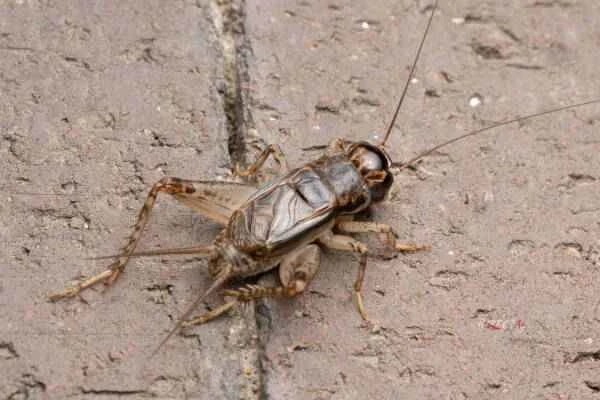
The long-jawed fighting cricket is one of the ten most prized crickets, and it also possesses a unique territorial behavior in males. Similar to the Chinese fighting cricket, they prefer to occupy a burrow alone, housing only one male or a single female mate. To compete for territory and mates, male long-jawed fighting crickets will engage in fierce, life-or-death battles with other individuals. This behavior is one of their defining characteristics.
In the wild, long-jawed crickets widely inhabit vast geographical areas and are known for their loud chirping. They are typically highly aggressive, even rivaling the mika cricket in fighting spirit. However, due to their plain appearance or excessively long mandibles, long-jawed crickets are often excluded from formal cricket fighting competitions because they are more likely to injure and maim their opponents.
3. Red-breasted Black Cricket (Can be listened to and observed)
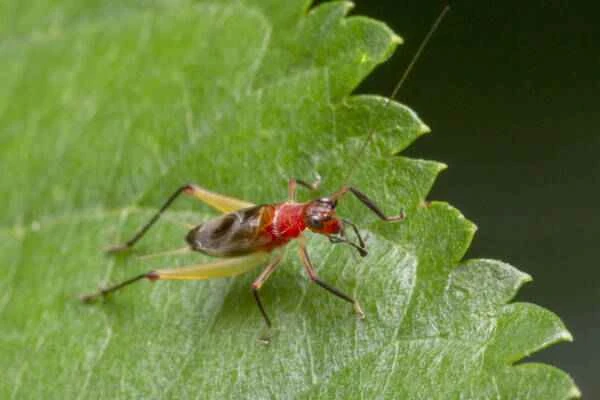
The Red-breasted Black Cricket, also known as the Black Cricket or Black Cricket, is renowned for its small and elegant body. Its bright colors radiate a captivating sheen. Its unique chirping sound has earned it the reputation of "Black Peony of Singing Insects," making it one of the most sought-after high-end cricket varieties. Due to its overall appearance resembling a black ant, it is also called the "Ant Cricket."
The Red-breasted Black Cricket is small, about the size of a grain of wheat. They are predominantly black, with a black or slightly reddish-brown head and a bright red pronotum, resembling a burning flame. Furthermore, due to their smooth and glossy body, they are also known as "oil crickets." The Red-breasted Black Cricket is loved for its gentle and friendly nature and can be kept with other crickets of the same or different species. This species is appreciated not only for its beautiful chirping but also for its unique appearance.
4. Japanese bell cricket (golden chirping insect)
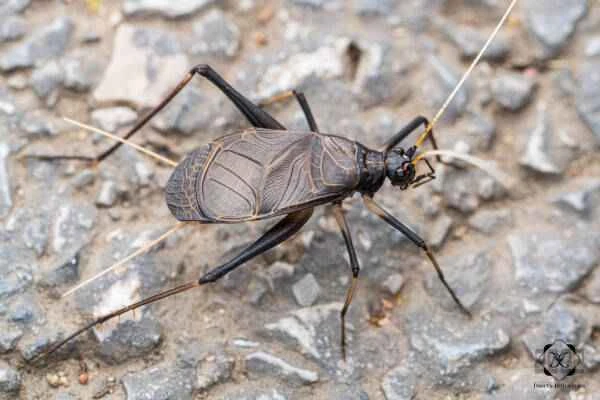
The Japanese bell cricket, also known as the horse cricket, is a prized species of cricket, famous for its melodious chirping. Typically, they are about 17 millimeters long, narrower at the front and wider at the rear, resembling a black melon seed in shape. The head is small and dark brown, with three broad, light-colored spots on the back of the head. The central spot has a pair of distinct teardrop-shaped markings at its tip, although sometimes less pronounced. This cricket's chirping is delicate, like the sound of a vibrating bell, hence its name; hearing its sound is like hearing the wind rustling through pine trees.
Horse crickets have a large following among enthusiasts for breeding and display, with countless cricket lovers purchasing them every year. However, many people are not familiar with the living habits of horse crickets and keep them in wooden boxes or other organic cricket containers, which greatly shortens their lifespan.
5. Spotted Iron Cricket (Golden-sounding Cricket)
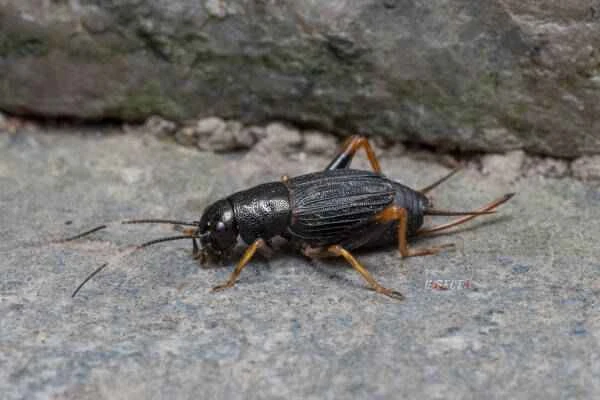
The punctured iron cricket, also known as the iron ball or chime cricket, is one of the most valuable cricket species. Because the female's forewings have a leathery texture, it is also called the leather-winged iron cricket. The male punctured iron cricket is about 10 mm long and 3.5 mm wide, while the female is slightly larger, about 12 mm long and 4 mm wide. The chime cricket's head is round, slightly smaller than the width of the anterior edge of the pronotum, giving it a shape that is smaller in the front and larger in the back. The top of the head is covered with fine punctures. Its antennae are black, with the middle segments being white, and are slightly longer than the body.
The forewings of the punctured iron cricket are broad with thin edges, completely covering its body. They are described as having beautiful, resonant songs that echo like a sound reverberating through an empty valley, and are extremely loud. Due to their exceptional songs, they are considered, along with the horse bell, to be the two most beautiful sounds in the world of singing insects.

6. Two-spotted cricket (likes to fight)
The most expensive cricket species are usually "fighting" types, and the two-spotted cricket is one of them. Also known as Wulongzai, Chilongzai, Huajing, Huajing, and Huangtoujing, this species is a typical Gryllidae insect. Male individuals of this cricket have a circular yellow spot at the base of each forewing, hence the name "two-spotted cricket."
The two-spotted cricket is a large, robust insect, measuring approximately 2.2 to 2.8 centimeters in length, with a smooth, glossy body. Male crickets are not only adept at chirping but also enjoy fighting. Their battles are a sight to behold. In Taiwan, two-spotted crickets are also kept as pets for fighting, and many people enjoy raising them.
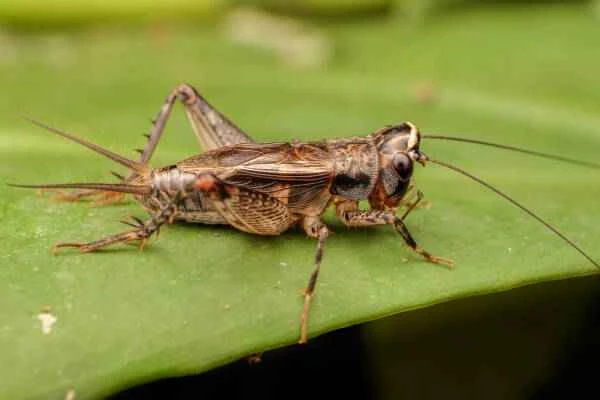
7. Stone-headed coffin cricket (with a unique sound)
The stone-headed cricket, also known as the coffin-headed cricket, small coffin-headed cricket, or small-headed cricket, is a singing insect belonging to the family Gryllidae. They vary in size, ranging from 12 to 16 millimeters in length, but are generally about 5 millimeters wide, with antennae about 20 millimeters long. Relatively small and agile, they leap away quickly when disturbed, making them relatively difficult to catch. Their chirping is a five-repeated "zhi, zhi, zhi, zhi, zhi," a slightly low-pitched but melodious sound that is beloved by cricket enthusiasts. These insects exhibit phototaxis; individuals with well-developed hindwings sometimes fly towards light sources, specifically lamplight.
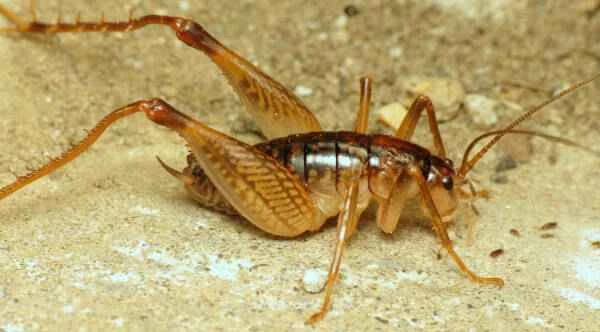
8. The cricket (with a unique sound)
The cricket, named for its frequent habitat among ruins and broken walls, is also known as the "soy sauce cricket" or "brown cricket" due to its dark brown color and resemblance to other crickets. Its chirping sound, similar to that of a chick or newly hatched duckling, has earned it the nicknames "stove chicken" and "stove duck." Crickets can be caught and kept for ornamental purposes year-round. In summer and autumn, they are best kept in earthenware or ceramic cricket trays, while in winter and spring, they are ideally kept in wooden or bamboo round boxes or gourds, or carried on one's person. Due to their beautiful colors and melodious chirping, the cricket is a popular and worthwhile insect to keep and observe.
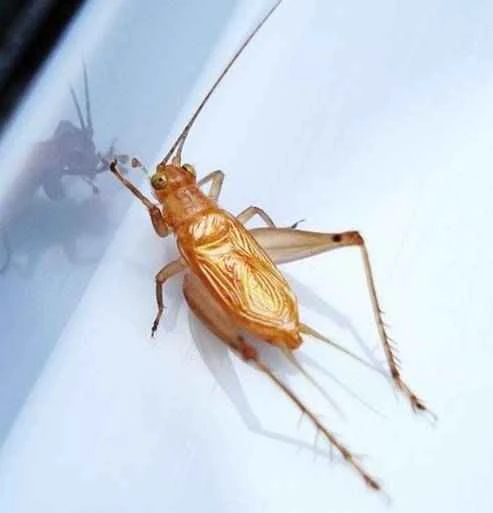
9. Anhui Yellow Flyfly (King of Singing Insects)
The Anhui yellow cricket is one of the most outstanding varieties of singing crickets. It is named "yellow cricket" because its entire body is pure yellow, with only a lighter section on its neck. Its fame stems from its distinctive characteristics. Its chirping is as clear and melodious as a bell, melodious and resonant, even brighter and louder than that of the golden cricket. Due to its excellent appearance, beautiful chirping, and long viewing period, it was hailed as the "King of Singing Crickets" at the first Shanghai Singing Cricket Exhibition.
The Anhui yellow cricket chirps almost continuously for long periods of time, but to make it not only chirp continuously but also produce the most melodious tone, it needs to be stimulated by other types of crickets to make it show its competitive spirit against other insects.
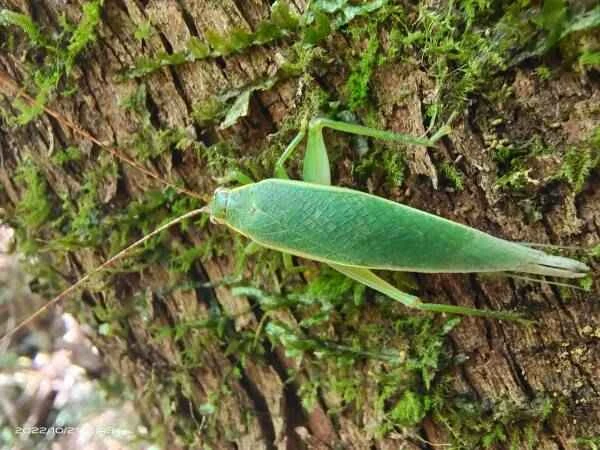
10. Pear-shaped cricket (a singing insect with ornamental value)
The pear-shaped cricket is one of the most highly regarded species of cricket. Its body is spindle-shaped, entirely grass-green, resembling a green date pit or a small boat with pointed ends. People keep pear-shaped crickets for two reasons: first, to appreciate its clear, melodious, metallic chirping; and second, to fully admire its lovely, bright green appearance, especially its wings standing upright when chirping, resembling a green flower. Therefore, many keepers not only enjoy listening to its beautiful chirping but also appreciate the unique beauty it displays while chirping. The pear-shaped cricket is a singing insect with high ornamental value.
The list of the world's ten most valuable crickets is primarily based on the crickets' popularity and also takes into account relevant internet rankings and lists. The data is current as of October 30, 2023. If you have any questions, please feel free to comment or offer criticism at the end.