The vast ocean teems with strange and wonderful creatures, so when asked to choose the world's strangest marine life, we weren't stumped. From vampire squid to the seemingly terrifying hairy worm, here are some of our favorite strangest marine creatures. If you dare to read on, let's explore their wondrous world together…
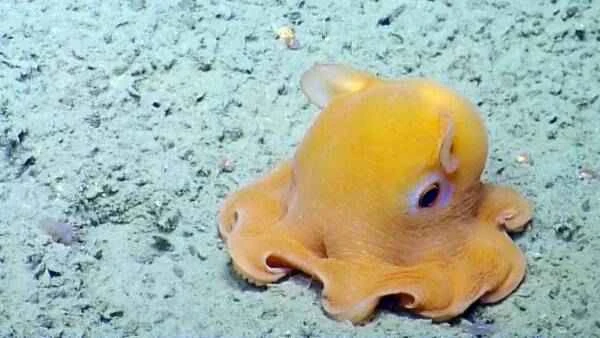
1. Dumbo the Octopus
Dumbo octopus—named after a cartoon elephant—is part of this world, inhabiting some of our deepest waters. In 2019, an unmanned submersible captured images at a depth of nearly 7 kilometers in the Java Trench of the Indian Ocean, marking the deepest reliable record of a cephalopod.
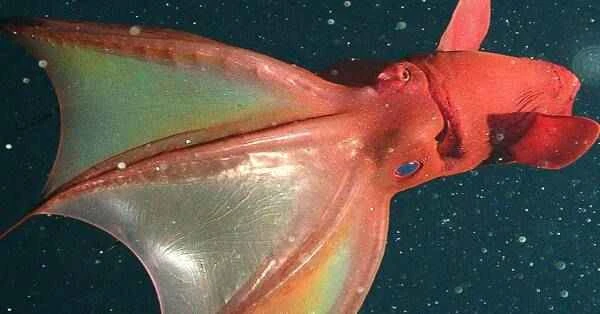
2. Vampire Squid
Something strange lurks in the deepest, darkest corners of the earth. It is no deeper or darker than the ocean floor, nor stranger than the *Vampyroteuthis infernalis* ("the vampire squid from hell"). Despite its name derived from its dark color and the cloak-like webbing between its arms, the vampire squid is neither a vampire nor a squid. It is the only member of the order Cephalopoda.
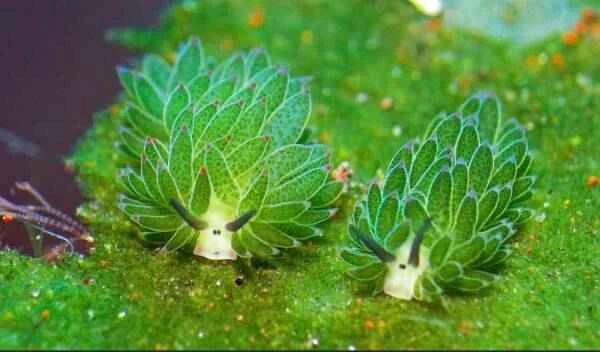
3. Costasi’s sea slug
The Costa Ciera sea slug—also known as the "leaf sheep" and "Shaun's sheep slug" for obvious reasons—spends most of its time eating seaweed. But it doesn't completely digest this plant matter. Somehow, it separates chloroplasts (green organelles in plant cells that convert sunlight into chemical energy) from the rest of its food and embeds them in its own tissues, making the slug a rare example of a photosynthetic animal.
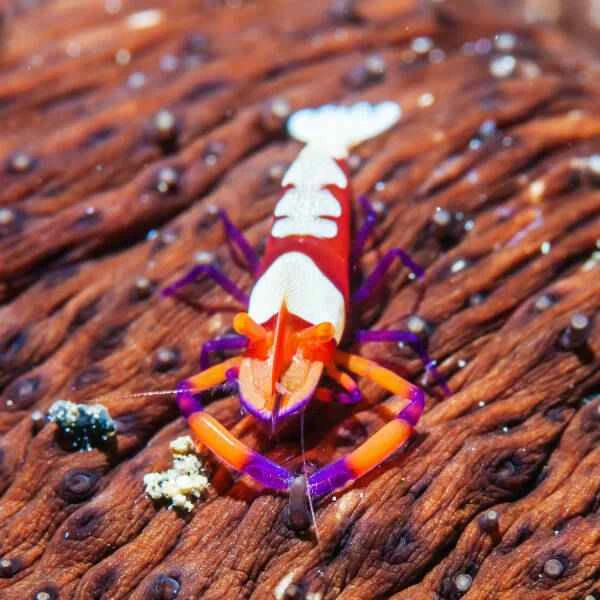
4. King Shrimp
It's hard to say whether the contrasting color combinations displayed here represent avant-garde elegance or a horrible fashion faux pas. Either way, this glamorous couple is hard to ignore. King shrimp spend their entire lives on the backs of their sea slug hosts. This relationship is mutually beneficial: the shrimp provides specialized cleaning services in exchange for the protection offered by the mollusc's chemical defenses.
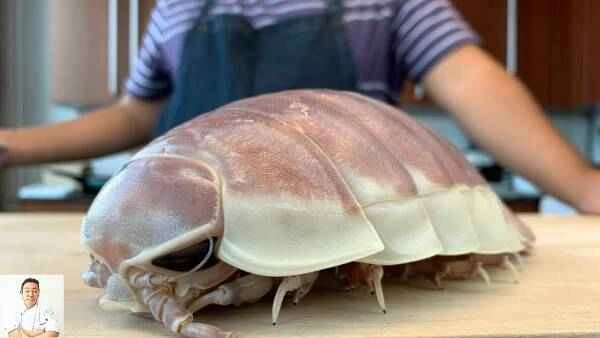
5. Giant isopods
Giant isochords measuring 30 centimeters long? They sound like mythical creatures from the Harry Potter world, but they actually exist. Fortunately, these creatures live in the deep ocean, at least 500 meters deep to be exact. Little is known about these arthropods, but they're not as terrifying as they appear, and they feed on anything they can find, from crab meat to sea worms—well, not many choices by now.
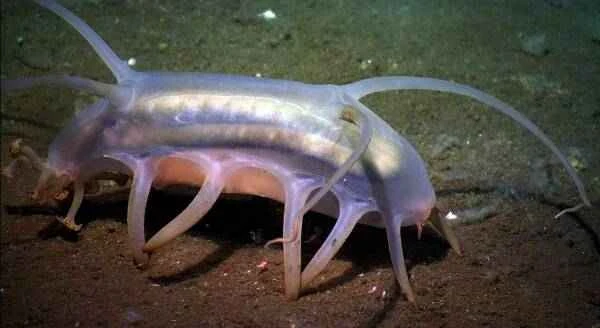
6. Sea pig
Nothing is stranger than the sea hog, a genus of sea cucumber that looks straight out of Doctor Who. Named for their plump, pink, and round bodies, sea hogs are incredibly numerous, but you're unlikely to see them because they live at depths of over 1,200 to 5,000 meters (over three miles!). Their locomotion is one of their many bizarre features. They crawl along the deep-sea seabed using specialized tubular "legs" that can be inflated and deflated with water, propelled by hydraulic mechanisms. This also allows them to churn up the soft mud beneath their "feet" as they move, releasing decaying plant and animal matter as a snack.
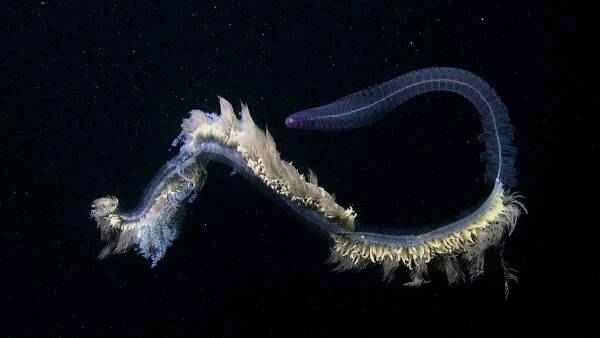
7. Giant Siphonophore
The giant siphonophore isn't a fish, whale, or jellyfish—the giant siphonophore (Praya dubia) is an incredible giant of the underwater world. It can grow to over 40 meters long and lives in cold waters at depths of 50-200 meters. It's a social animal, meaning it's actually a long line of individuals. Each has its own role—some bite and capture food, others digest nutrients and distribute them throughout the group, while the rest are responsible for reproduction. It absolutely deserves a place on our list of the strangest marine creatures—in fact, it also makes the list of the strangest animals we've ever seen.
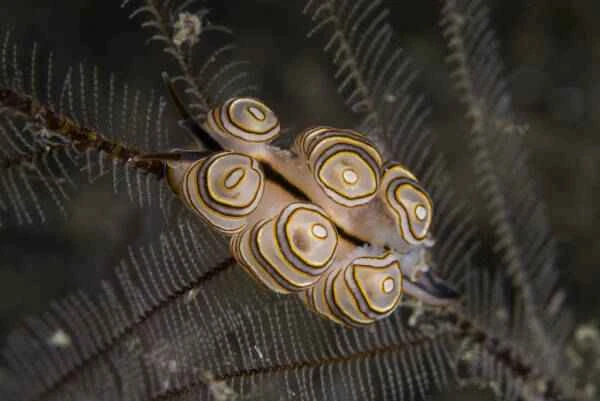
8. Nudibranchs
Whatever it is, the eyeballs it attracts seem to go beyond what is strictly necessary. *Doto greenamyeri* is a nudibranchy sea slug, only described in 2015. It is about 15 millimeters long and does not have eyes. (Nudibranchs have very small eyes and poor vision; they can only distinguish between bright and dark environments.) These are chemically protected projections called "cerata," which flaunt their toxicity to predators while also functioning as gills. Cerata have been likened to a drizzle of honey and a pile of pancakes or donuts.
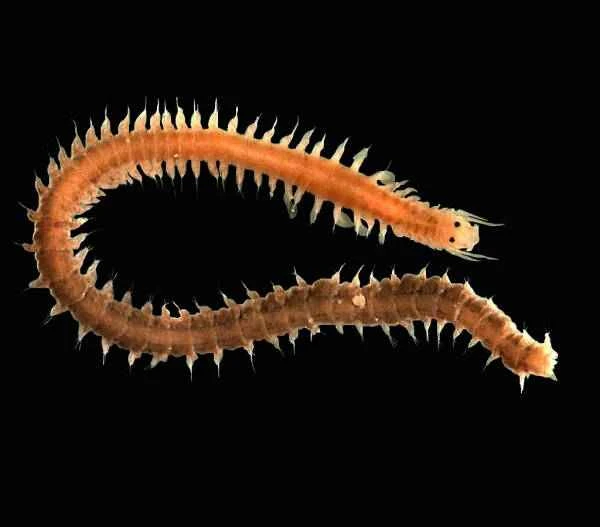
9. Polychaete worms
Polychaete worms have a pair of fleshy projections called pseudopods on each body segment, covered with numerous bristles called caterpillars, made of chitin. This class describes over 10,000 species. Common representatives include sandworms and clam worms. Polychaetes exhibit extreme morphological and lifestyle diversity, including some groups that swim among plankton or above deep-sea plains. Most burrow or build tubes in sediments, while some are symbiotic. A small number of species, approximately 80 (less than 0.5% of all species), are parasitic. The well-known polychaete worm *Alvinella pompejana* is endemic to hydrothermal vents in the Pacific Ocean. *Alvinella pompejana* is one of the most heat-resistant and complex animals known.
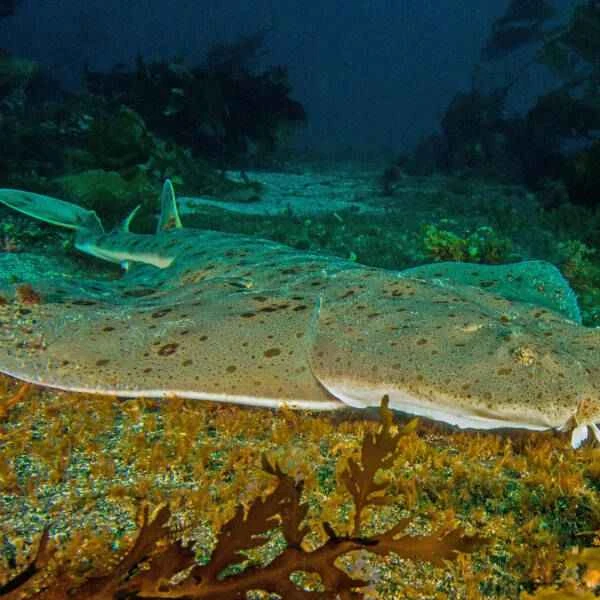
10. Angel Shark
This shark looks as if it had been flattened by a steamroller. Angel sharks appear to be somewhere between sharks and rays, measuring only about 2.4 meters in length. They have large, flailing fins on both sides, with two small dorsal fins resting on their tails. A flatter build is advantageous for them, as they spend most of their time buried in the sand on the seabed.