In the course of animal evolution, the "long nose"—also called a "beak," "nasal tube," or "rostral protuberance"—is a unique organ structure that appears in countless different groups of organisms. For some animals, such as butterflies, the long nose serves only a specific function; but for others, such as mammals like elephants or tapirs, this structure is a multifunctional "biological tool" that helps them gain a significant advantage in many aspects, including foraging, communication, and breathing.
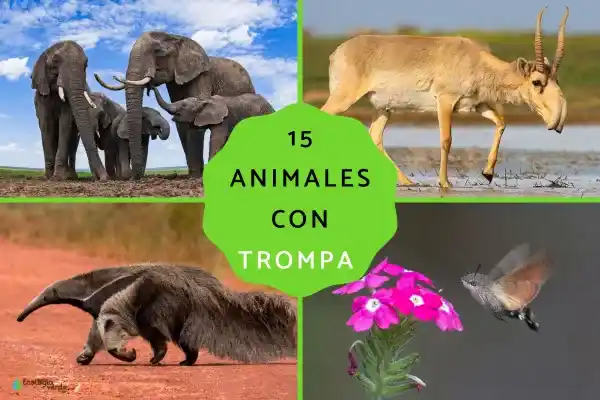
A long trunk not only enhances an animal's adaptability to its environment but is also closely related to its body size, diet, and lifestyle. The most famous example is, of course, the elephant, whose trunk can weigh up to 100 kilograms ! But besides elephants, there are many other amazing animals in the world with "nasal organs." Let's delve into 15 animals with distinctive "long trunks."
What is a "long nose"? What are its uses?
In biology, this organ is called the "proboscis ," a word derived from the Greek word "pro" meaning front and "bosko" meaning feeding, implying that this structure originated from the head and its initial function was mainly related to feeding.
However, the morphology of the "long nose" varies greatly among different species, and its functions are also diverse, mainly including:
breathe
Eating or sucking nectar
Communicating with others of the same kind (making sounds)
Digging or hunting
Grab food
Fighting and self-defense
Below, we will introduce the different types and uses of long noses in various animals through classification.
I. Animals with Amazing Long Noses (10 Selected)
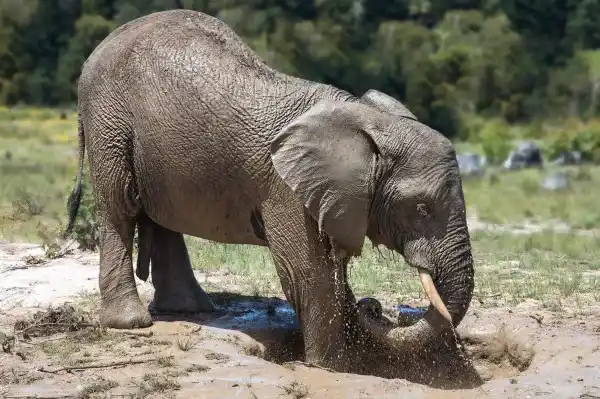
1. Elephant
The elephant's trunk, or "nasal tube," is one of the most complex organs in the animal kingdom, evolving from the fusion of the upper lip and nostrils. It contains numerous nerve endings and muscle fibers , making it both flexible and highly sensitive to touch.
Elephants can:
Grab food, water or small objects
Speaking out, communicating
Breathing (as if swimming underwater).
Sucking on liquids, sniffing out scents from afar
Fighting against each other
They can even use the small protrusions at the tip of their noses to clamp onto small objects and complete precise tasks.
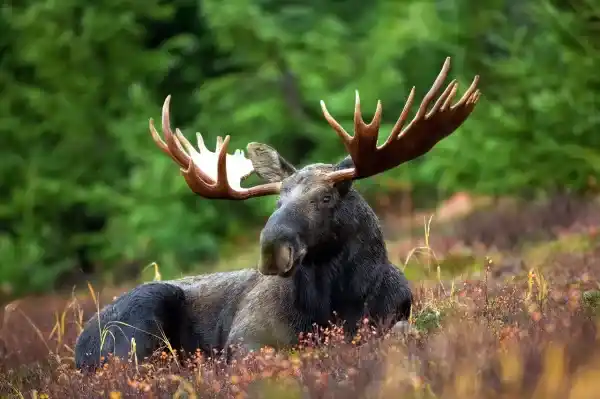
2. Moose / Alces alces
During evolution, moose gradually lost the bare skin around their noses (called the "nasal mirror"), freeing up their upper lip to develop into a soft, nasal-like structure. This structure allowed moose to more easily search for food in wetland environments, while also enhancing their sense of smell and compensating for their poor eyesight.
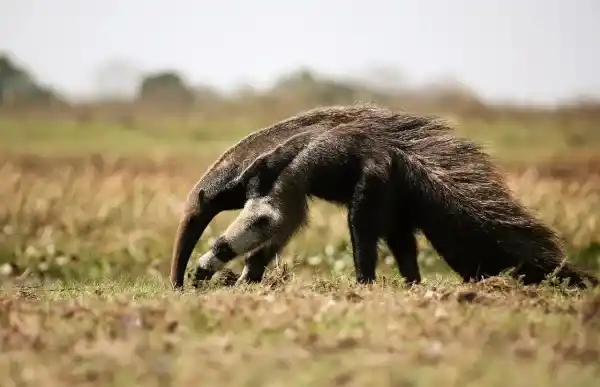
3. Giant Anteater
Its "long nose" is formed by a proboscis extending from the front of its face, resembling a tube, with the nostrils and mouth located at the tip. Using this proboscis and its specialized long tongue, the anteater can easily penetrate into ant nests or termite mounds to feed.
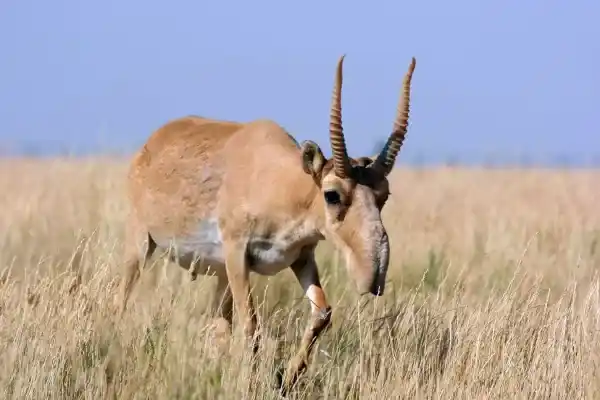
4. Saiga antelope
This is a species of antelope unique to Central Asia, possessing a large, downward-curving nose that covers its mouth . Its nasal cavity is lined with hair, mucous membranes, and glands, which heat the cold air it inhales in winter and filter dust and sand in summer. This physiological structure is crucial for its survival.
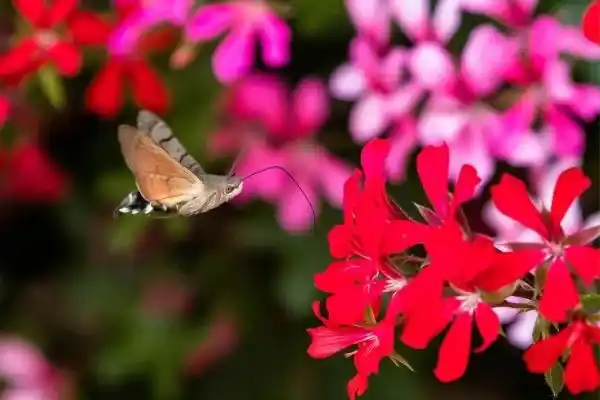
5. Hummingbird hawk-moth
This moth lives in southern Europe, North Africa, and parts of Asia. Its appearance and behavior closely resemble hummingbirds, especially when it hovers in flight to collect nectar. Its beak can curl or extend, controlled by a hydraulic system, allowing it to suck nectar while in flight, making it highly ornamental.
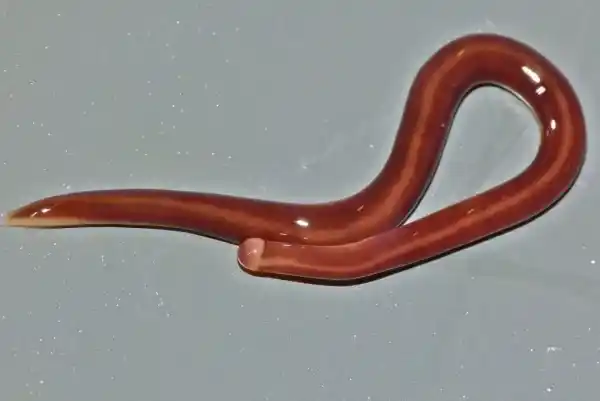
6. Enopla (a type of nematode with a venomous stinger)
This nematode, which lives in tropical regions, has a forked, long snout equipped with venomous barbs. It uses its beak to stab its prey, releasing toxins to paralyze it before swallowing it. It belongs to a very special group of invertebrates.
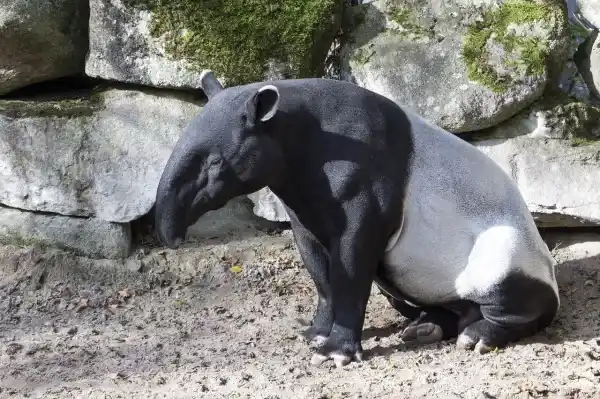
7. Tapir
The tapir's nose is formed by the fusion of its nostrils and upper lip, resembling a small elephant's trunk. It can use this nose to grasp leaves, fruits, and even curl up tender branches, demonstrating remarkable dexterity. The most famous are the Malayan tapir (large in size) and the South American tapir (small in size), the former currently being an endangered species.
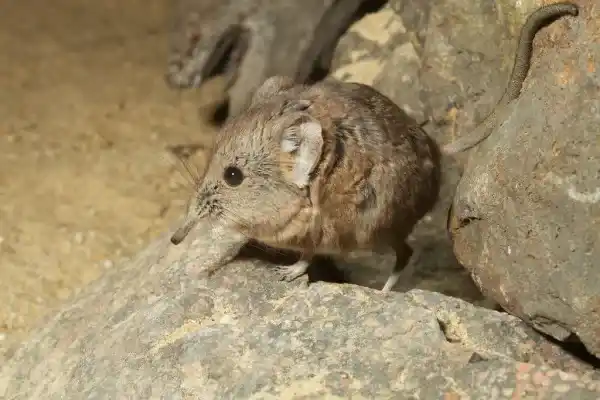
8. Elephant shrew
Despite their name containing "mouse," elephant shrews are more closely related to elephants and dugongs. They possess a long, flexible trunk, which, combined with their forelimbs, allows them to dig shallow trenches in the ground to attract insects for consumption, making them typical insectivorous mammals.
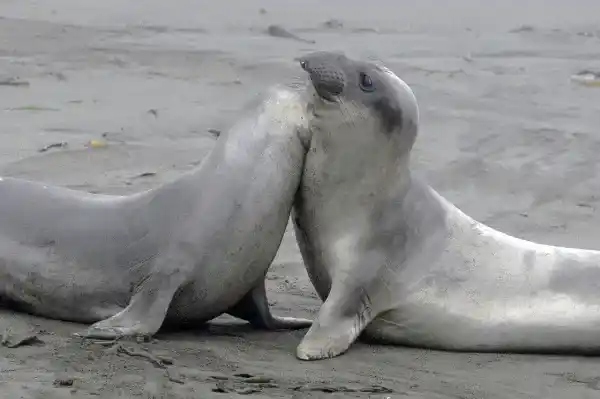
9. Elephant seal
Male elephant seals possess a large, trunk-like organ called the "nasal protuberance," which allows them to emit a deep roar during the breeding season to scare away competitors and also helps them reduce water loss. During mating season, they often engage in fierce battles for mates.
10. Aardvark
A nocturnal mammal of the African savanna, the aardvark has a snout at the end of its head resembling a pig's snout. It uses its strong forepaws and sharp nose to dig ant nests, and can close its nostrils while digging to prevent inhaling dust.
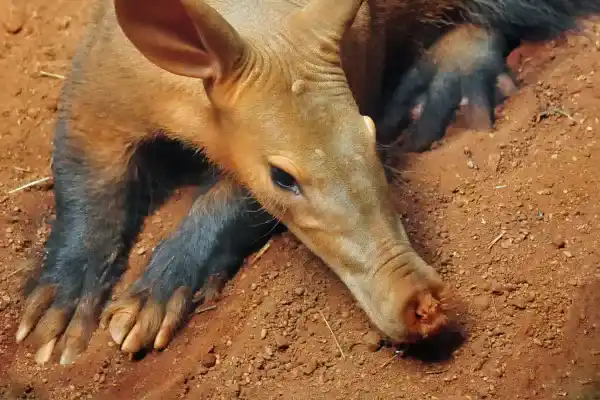
II. Other animals with long noses (extended list)
Besides the ten representatives mentioned above, some other organisms also possess "nasal processes" or proboscis organs with varying functions, including:
Proboscis monkey (Nasalis larvatus) : Males have extremely long noses, which they use to attract females.
Enteropneusta : The tubular body has a beak at the front end, which is used to feed on sediment.
Wild boar (Sus scrofa) : It has well-developed nasal muscles and can dig through the soil to find roots and stems.
Acorn weevil (Conotrachelus posticatus) : an insect that uses its long proboscis to dig holes and lay its eggs.
Babirusa : A wild boar species endemic to Asia, characterized by a prominent nasal structure.
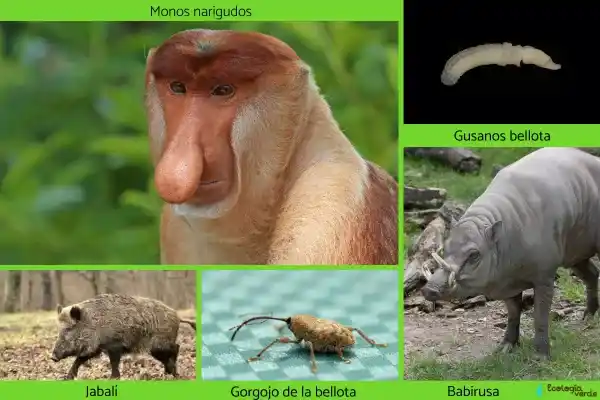
Conclusion
Proboscideans demonstrate the diversity of "structure as function" in nature. From insects to large mammals, from feeding to communication, the evolution of the nasal protuberance reveals the infinite possibilities of life. Whether it is moths flying in the air or elephants running on the ground, they have all expanded their ecological niches and formed their own fascinating adaptations by virtue of their unique "nasal organs".
If you enjoyed this article, you can continue exploring:
Why are elephants on the verge of extinction?
[The current status and protection of Tapir]
Which mammals have a unique nasal structure?
References
Purkart, L., Tuff, JM, Shah, M., Fritsch, G., Hildebrandt, T., Brecht, M. (2022) Trigeminal ganglion and sensory nerves suggest tactile specialization in elephants. Access https://doi.org/10.1016/j.cub.2021.12.051
Andrew Schulz, Jia Ning Wu, Sung Yeon, Sara Ha, Greena Kim, Stephanie Braccini Slade, Sam Rivera, Joy S. Reidenberg, David Hu. Elephant Suckling. Volume 1
References
Zhou Xiaohua & Zhang Shengli (2013). Controlling the curling and unfolding movements of Lepidoptera beaks through conformational optimization.
Santino Pagano, A., Laitman, JT, Albertine, K., Marquez, S. (2019). Evolution of the moose's long nose, evidenced by morphology and ecology. Available at: https://doi.org/10.1096/fasebj.2019.33.1_supplement.767.19
Shoshani, Hezy. (2021). Elephant. Encyclopædia Britannica. Available at https://www.britannica.com/animal/elephant-mammal
San Diego Zoo. Available at: https://sandiegozoowildlifealliance.org