From elephant rides and "tiger selfies" to visits to bear parks and alligator farms, this article lists the top 10 wildlife attractions you should never visit.
According to a new study commissioned by World Animal Protection and authored by experts from the Wildlife Conservation Research Unit (WildCRU) at Oxford University, three-quarters of wildlife tourism sites involve "some form of abuse or raise conservation issues." World Animal Protection states that at least 550,000 wild animals are "harmed by irresponsible tourist sites," with an estimated 110 million people visiting these places each year.
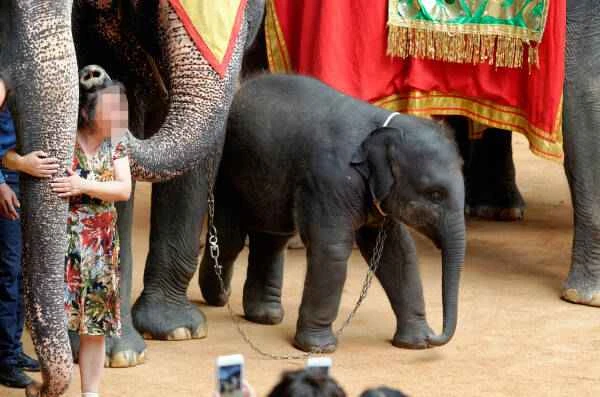
1. Riding an elephant
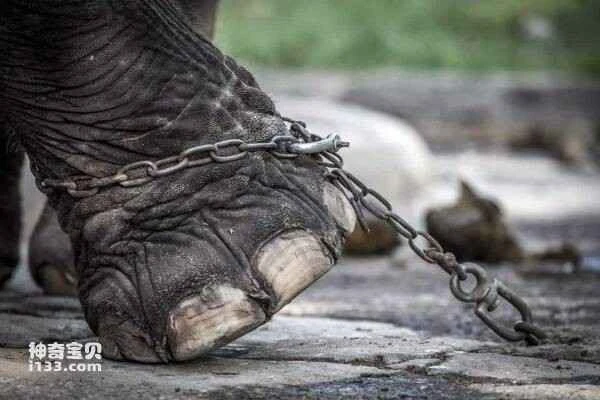
Elephants are taken from their mothers as infants and subjected to training that includes inflicting severe pain with sharp metal "hooks" or wooden planks, confining them to small cages, or restricting their movement with ropes or chains. Once "broken," they are unable to form natural social relationships with other elephants. Thailand is a global hotspot for elephant riding, but in the last decade, elephant riding has also become popular in South Africa. This "training" can cause permanent psychological damage to the elephants involved.
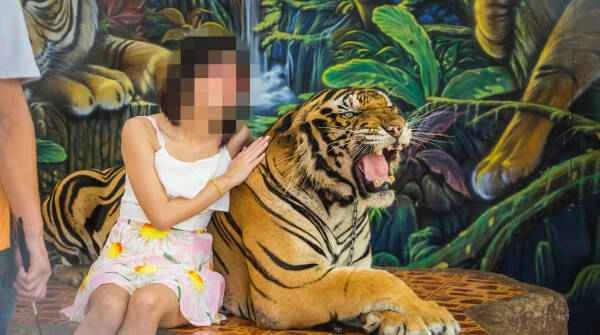
2. Tiger selfie
Tiger cubs are separated from their mothers at a young age and then "cuddled" by tourists. The World Wildlife Fund has discovered 10 habitats in Thailand, home to 614 tigers, and similar sites have been found in other parts of Asia, Australia, Mexico, and Argentina.
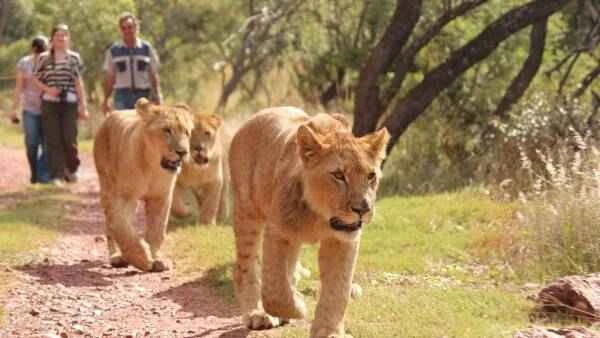
3. Walk with lions
Once captive lion cubs grow too large for tourists to hold and take photos with, they are used for the relatively new "walking with lions" experience. These attractions are primarily located in South Africa.
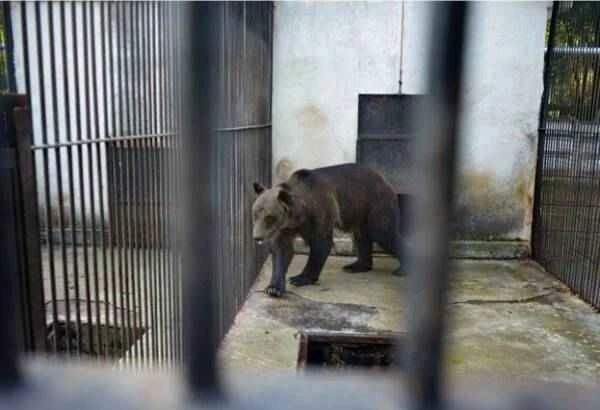
4. Bear Park
Bears are kept in sterile cages or "pits" that are often overcrowded (bears are naturally solitary animals). In some parks, bears are forced to dress up as clowns or perform in circus acts. The stress associated with these environments increases the susceptibility of captive bears to bacterial infections.
Many bear parks keep animals in bare, sterile cages.
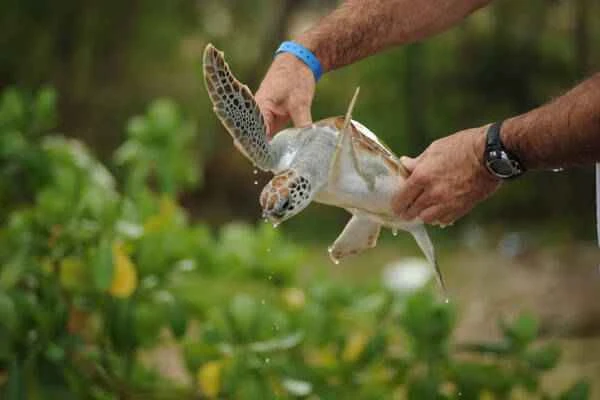
5. Holding a sea turtle
When touched, the turtles panic and violently flap their flippers. It is understood that tourists sometimes throw struggling turtles off the rocks, causing serious injuries such as cracked shells, which can lead to their death.
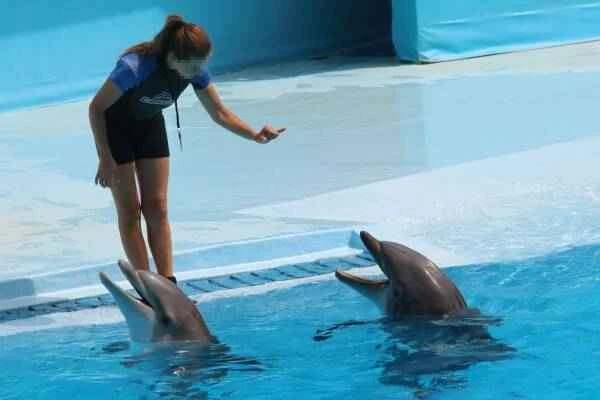
6. Dolphin show
Dolphins in captivity live their entire lives in spaces barely larger than a swimming pool, where the water is frequently chlorinated, which can cause skin and eye irritation. They may suffer from sunburn, stress-related illnesses, heart disease, and stomach ulcers. Although some dolphins are raised in captivity, some people still bring dolphins from the wild to dolphinariums.
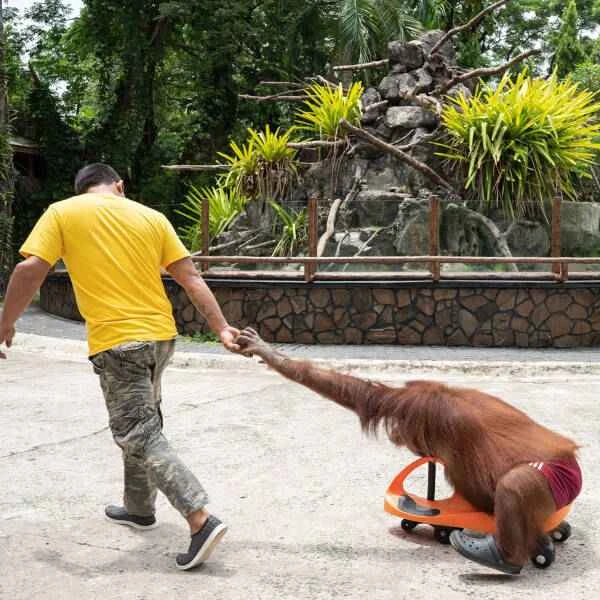
7. Performing monkeys
In Thailand, macaques are trained to behave more human-like. They are forced to dance and perform acrobatics for humans, and when not in the presence of people, they are locked in small cages or on short chains outside. The macaques are also trained to ride bicycles and perform other "human" activities.
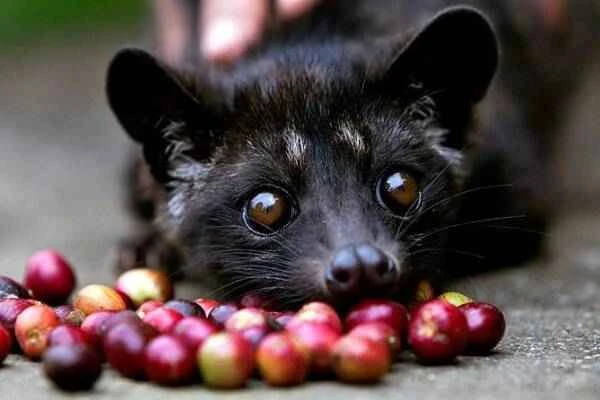
8. Visit the civet coffee plantation
Civet coffee—made from the coffee cherries (fruits) eaten by civets and then excreted as granules—has become a high-value product worldwide. In an effort to increase production, civet coffee growers have begun raising civets in captivity, resulting in disease, malnutrition, and some animals exhibiting signs of stress and self-harm. In Indonesia, tourists can visit these facilities, watch the caged civets, and sample the coffee, thus increasing the number of civets captured from the wild.
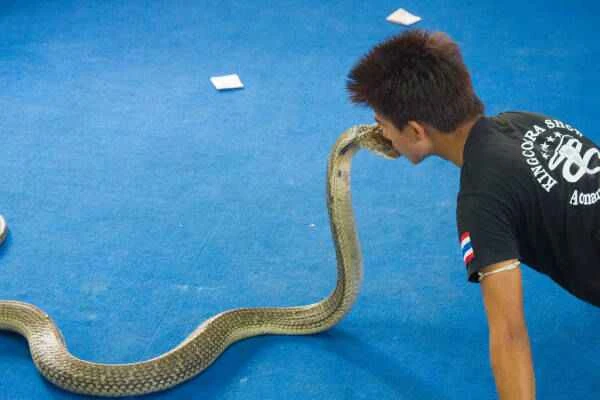
9. Kissing a venomous snake
"Kissing cobras" is the latest "variation" of the old street snake charmer. The cobras involved are often captured from the wild, then their fangs are removed, and their venom ducts are blocked or removed, often leading to infection and death. The cobra's fangs may be removed before someone attempts to do this.
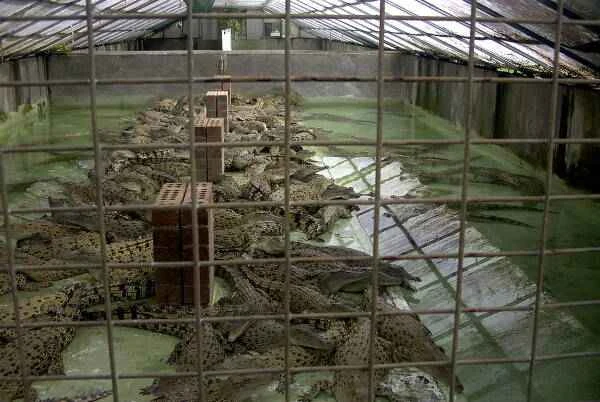
10. Crocodile farm
For years, crocodiles have been farmed to supply the fashion industry with their skins and the catering industry with their meat, but now tourists can visit these facilities and then sit down to dine. The conditions in these farms can kill the crocodiles, with sepsis being a particularly common problem. Fights between crocodiles are frequent in the confined spaces, resulting in serious injuries and deaths.