What animals live in the tundra? Exploring the biodiversity of the tundra ecosystem.
The tundra is one of the most extreme ecosystems on Earth, typically located in high-latitude or high-altitude regions near the Arctic and Antarctic Circles. The cold, dry environment, short growing season, and permafrost make the tundra a challenging habitat. However, in this barren land, many animal species have adapted unique survival strategies to cope with extreme climatic conditions.
This article will provide a detailed introduction to the various animals living in the tundra ecosystem, revealing their survival strategies and adaptive characteristics.
1. What is tundra?
The tundra is a cold, treeless ecosystem, primarily distributed in the following two regions:
Arctic tundra : Located near the Arctic Circle in the Northern Hemisphere, encompassing regions such as Greenland, Alaska, Canada, and Russia.
Alpine tundra : Tundra formed at high altitudes, such as the Himalayas and Andes, due to the low temperatures resulting from the altitude. Tundra is characterized by extreme cold, strong winds, a short growing season, and low rainfall. Despite these extreme environments, tundra still provides habitat for a wide variety of animals.
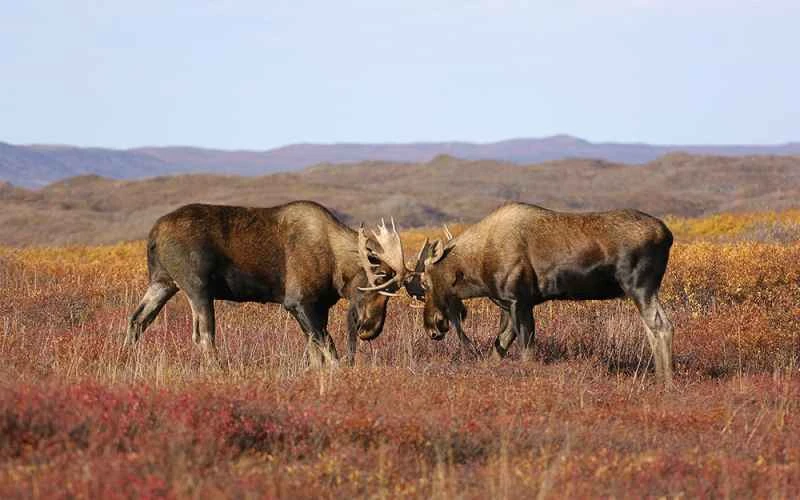
2. Animal species living in the tundra
(1) Arctic Fox
Distribution : Arctic tundra
Adaptations : The Arctic fox is one of the most iconic animals of the tundra. They possess thick fur that protects them from the extreme cold, and their fur turns white in winter for camouflage in the snow. Arctic foxes primarily feed on small mammals such as lemmings, bird eggs, and plants.
(2) Arctic Wolf
Distribution : Arctic tundra
Adaptations : Arctic wolves live in the extreme climate of the Arctic tundra, relying on their thick fur and strong physique to withstand the low temperatures. They are social animals, typically feeding on large animals such as reindeer and musk oxen, and occasionally preying on small mammals and birds.
(3) Musk Ox
Distribution : Arctic tundra
Adaptations : Musk oxen are another animal adapted to the harsh environment of the tundra; their thick fur allows them to survive in extremely low temperatures. Musk oxen live in groups and feed on plants such as lichens, mosses, and grasses.
(4) Caribou
Distribution : Arctic tundra
Adaptations : Reindeer are typical Arctic herbivores, feeding on plants in the tundra such as mosses and lichens. They have a unique migration pattern, searching for food across the vast tundra as the seasons change.
(5) Lemming
Distribution : Arctic tundra
Adaptability : Lemmings are key species in tundra ecosystems, serving as a primary food source for predators such as Arctic foxes and snowy owls. Lemmings are highly prolific, capable of rapidly multiplying during the short summer to maintain their population.
(6) Snowy Owl
Distribution : Arctic tundra
Adaptations : Snowy owls are among the top predators in the Arctic, specializing in lemmings and other small mammals. Their white feathers serve as camouflage, helping them to blend into the snowy environment.
(7) Brown Bear
Distribution : Alpine tundra
Adaptation : Brown bears are adapted to high-altitude tundra environments, especially during the summer when they migrate to the tundra to forage. Brown bears are omnivorous, with a diet that includes plants, fish, and small mammals.
(8) Lammergeier
Distribution : Alpine tundra
Adaptation : These large birds of prey live in high-altitude tundra and specialize in preying on the bones of animal carcasses. They will drop the bones from high altitudes to break them and then consume the marrow.
(9) Arctic Hare
Distribution : Arctic tundra
Adaptations : Arctic hares possess thick fur and strong limbs, enabling them to run quickly across snow to evade predators. They primarily feed on moss and lichen, and their fur turns white in winter for camouflage.
(10) Wolverine
Distribution : Arctic tundra and alpine tundra
Adaptations : Wolverines are small but highly aggressive predators capable of hunting small mammals on the tundra, and they also feed on carrion. Their strong claws help them move through the snow and hunt.
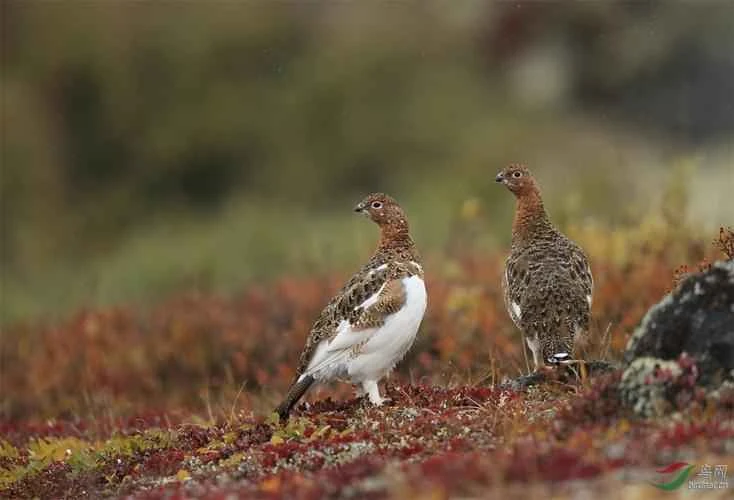
3. Adaptational Strategies of Tundra Animals
Animals living in the tundra exhibit a range of survival strategies adapted to cold climates and food scarcity. The following are common adaptive characteristics of tundra animals:
Thick fur or feathers : Many tundra animals have evolved thick fur or feathers to retain body temperature, especially in winter when their fur often turns white to camouflage themselves in the snow.
Seasonal migration : Large animals such as reindeer migrate to warmer regions to forage during the winter and return to the tundra in the summer.
Food storage or slow metabolism : Some small animals, such as lemmings, store enough food during the short summer to consume during the winter. Animals like brown bears, on the other hand, accumulate fat reserves to survive the food shortages of winter.
Despite its extreme environment, the tundra ecosystem remains a habitat for many unique animals. These animals, through their evolved adaptations, are able to thrive in this cold and barren land. With global climate change posing serious challenges to the tundra and its ecosystem, protecting this precious ecosystem and its animal inhabitants has become paramount.