Introduction: Why do people search for animal fur coats?
When users search for "animal fur coats", they may be interested in one or more of the following:
The history of animal fur in the fashion world
Ethical debates surrounding fur use
Animal furs used to make coats
How to distinguish between real fur and artificial fur
Alternatives to animal fur
This article explores the cultural, economic, and ethical aspects of fur coats, as well as the changing public perceptions and sustainable fashion trends.
The historical significance of fur in human culture
Ancient uses of animal fur
For thousands of years, fur has been used for warmth and to signify status. Prehistoric humans used the pelts of hunted animals to survive in cold climates.
Fur as a symbol of status
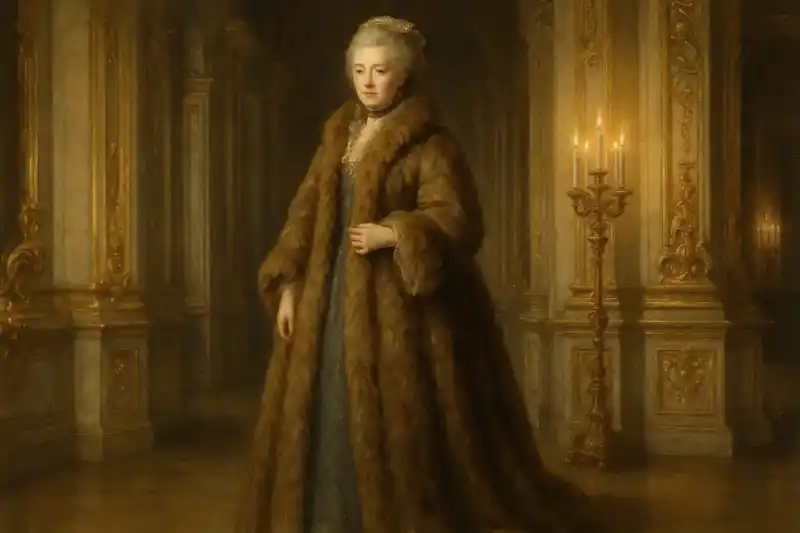
In ancient Rome, medieval Europe, and Qing Dynasty China, fur was a symbol of status worn by royalty and nobility. The rarer the fur, the higher the social standing.
The rise of the fur industry
Between the 17th and 19th centuries, the fur trade was central to the economies of North America, Russia, and Scandinavia. Beavers, minks, and foxes were among the most sought-after species at the time.
Common types of fur used for coats
mink fur
Mink fur is highly regarded for its softness and luster, making it one of the most popular furs in the luxury fashion industry.
fox fur
Foxes have long, fluffy, and brightly colored fur. Arctic foxes and silver foxes are especially popular.
rabbit fur
Rabbit fur is lightweight and affordable, but it is not very durable. It is commonly used in mass-market clothing.
Chipmunk skin
Chinchilla fur is renowned for its unparalleled softness and density, making it expensive and delicate.
other
Raccoon, sable, lynx, and beaver furs were also widely used, each with its own distinct texture and visual appeal.
How to make a fur coat
breeding and trapping
Today, most fur comes from fur farms, where animals are raised specifically for their pelts. Some fur is also captured in the wild using leg traps, a method that is quite controversial.
Processing and tanning
After the animals are slaughtered, their fur is washed, treated with chemicals (tanning), and dyed. The final product, fur, is then sewn into clothing.
Design and Fashion
Fur coats are typically designed by luxury fashion houses or handcrafted fur merchants. Traditional coats are full-length, while modern styles include fur vests, trims, and accessories.
Ethical concerns and animal welfare
Animal rights action
Organizations such as PETA and the Humane Society are calling for an end to the use of fur, arguing that fur is cruel, produced under appalling conditions, and slaughtered inhumane ways.
Legal prohibitions and restrictions
Countries such as the UK and Israel have banned fur farming. Some cities (such as San Francisco and Los Angeles) have banned the sale of new fur products.
Strong consumer opposition and brand reform
Brands such as Gucci, Prada, and Chanel have announced they will no longer use real fur. Consumer preferences are shifting towards ethical and cruelty-free fashion.
Animal fur alternatives
artificial fur
Synthetic fur made of acrylic or polyester fibers can mimic the look and feel of real fur, and is usually less expensive.
Bio-based alternatives
Some brands are developing lab-grown synthetic fur using cultured cells, or similar plant-based textiles.
Vintage Fur
Some people see buying secondhand or vintage fur as a compromise—reusing existing fur without supporting new production.
How to distinguish between real fur and artificial fur
Visual inspection
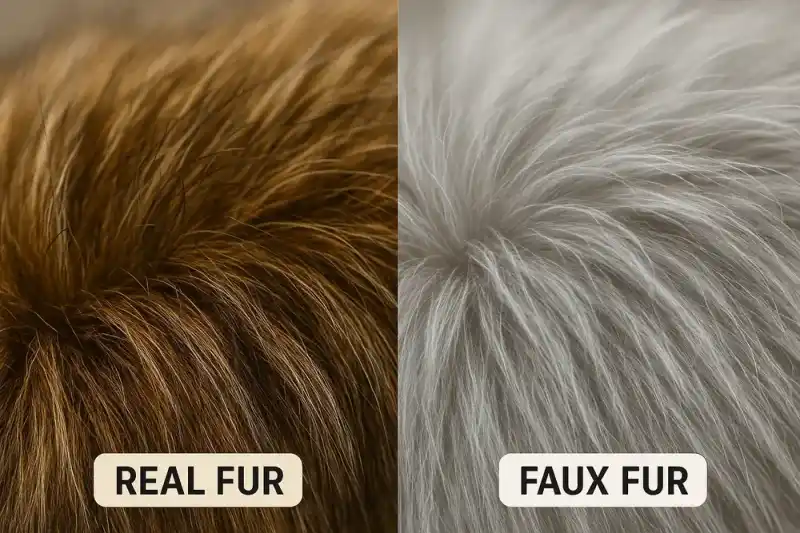
Genuine fur has natural color variations and a richly layered base coat. In contrast, artificial fur often looks too plain.
tactile
Genuine fur feels soft, smooth, and warm to the touch. Faux fur may feel stiffer or like synthetic fur.
Combustion test (Caution!)
Burning a few strands of real fur will produce a smell of burnt hair; artificial fur will smell like plastic. This test may damage clothing and should be used with caution.
Fur in modern fashion
Current trend
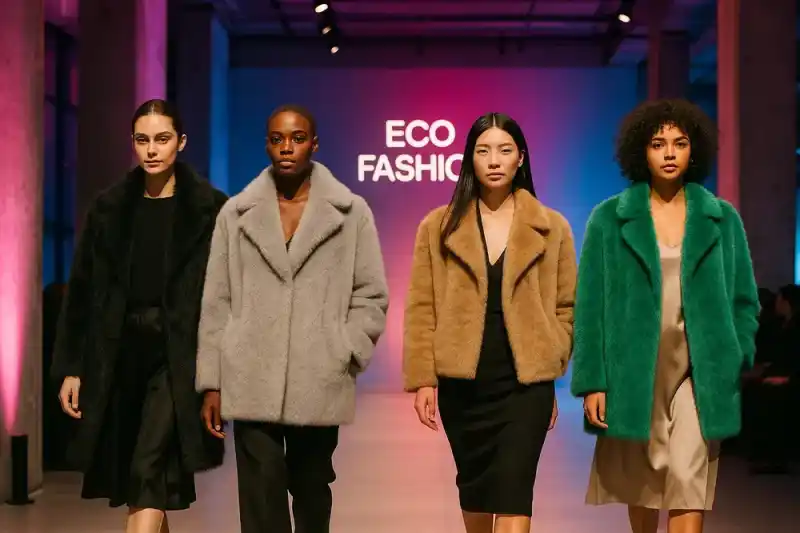
Fur is increasingly being used as an accessory—collar, cuffs, or lining—rather than as an entire coat. Faux fur is dominating the runways of eco-friendly collections.
Designer Innovation
Luxury designers are exploring how to create sustainable faux fur that looks and feels luxurious. Stella McCartney is leading the way in animal-free fashion.
Celebrity Influence
Many celebrities have publicly condemned fur or promoted faux fur alternatives, influencing consumer choices and putting pressure on brands.
Cultural and regional perspectives
Uses by Indigenous Peoples
Many indigenous communities in North America and Siberia still use fur for traditional, ritual, and survival purposes and advocate for ethical hunting practices.
Global market differences
Despite a decline in demand for fur in Europe and North America, fur remains popular in parts of Russia, China, and South Korea.
Environmental Debate: Real Fur vs. Faux Fur
Advantages and disadvantages of real fur
Biodegradable and durable
Criticized for animal cruelty and farm emissions
Advantages and disadvantages of artificial fur
Animal-free, usually cheaper
Made from petroleum-based synthetic materials; non-biodegradable
Sustainable Fur Initiative
Some fur farms are seeking certifications (such as the WelFur certification in Europe) to improve transparency and animal welfare. Meanwhile, faux fur manufacturers are focusing on recycled materials.
Conclusion: The Future of Fur in the Fashion Industry
Outerwear made from animal fur has a long history, intertwined with culture, luxury, and controversy. As the fashion industry evolves, ethical concerns and sustainability are likely to drive innovation and consumer behavior. Whether choosing faux fur or responsibly sourced vintage pieces, today's consumers are more empowered than ever to make informed and compassionate choices.